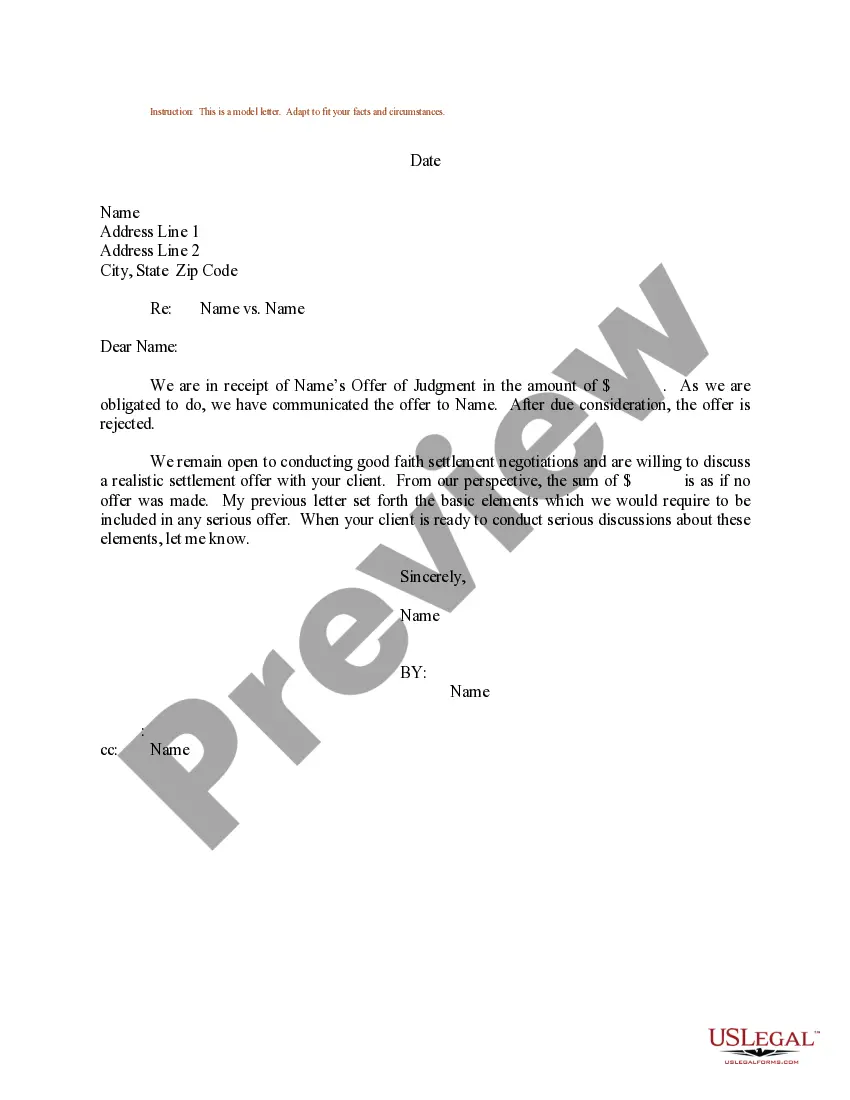
Sample Letter For Settlement In Oakland
Description


Get your form ready online
Our built-in tools help you complete, sign, share, and store your documents in one place.
Make edits, fill in missing information, and update formatting in US Legal Forms—just like you would in MS Word.
Download a copy, print it, send it by email, or mail it via USPS—whatever works best for your next step.
Sign and collect signatures with our SignNow integration. Send to multiple recipients, set reminders, and more. Go Premium to unlock E-Sign.
If this form requires notarization, complete it online through a secure video call—no need to meet a notary in person or wait for an appointment.
We protect your documents and personal data by following strict security and privacy standards.

Make edits, fill in missing information, and update formatting in US Legal Forms—just like you would in MS Word.

Download a copy, print it, send it by email, or mail it via USPS—whatever works best for your next step.

Sign and collect signatures with our SignNow integration. Send to multiple recipients, set reminders, and more. Go Premium to unlock E-Sign.

If this form requires notarization, complete it online through a secure video call—no need to meet a notary in person or wait for an appointment.

We protect your documents and personal data by following strict security and privacy standards.
Looking for another form?








Form popularity
FAQ
Generally, you can only sue for up to $12,500 in small claims court (or up to $6,250 if you're a business). You can ask a lawyer for advice before you go to court, but you can't have one with you in court.
The settlement conference statement must include necessary information to concisely support issues of: Liability, Damages, A settlement demand and offer, An itemization of damages, both special and general, and. If there was a previous offer.
Conclusion: Going to small claims court may be worth it for $500, but it will determine how you weigh your costs versus benefits. At a minimum, it is worth it to send a demand letter.
Monetary Limits for Small Claims Court: The amount in dispute may not exceed $10,000 for a natural person. If you are filing on behalf of a business the limit of your claim may not exceed $5,000.
Settlement Confirmation or “Trade Confirmation” or “Settlement/Trade Confirmation”, when used in this Agreement, unless the context otherwise requires, shall mean a notification from us to a client confirming the client's entry into a Transaction and/or Contract; Sample 1Sample 2Sample 3.
The Format of a Settlement Demand Letter A description of the accident. An explanation of why the defendant is at fault or otherwise liable for the claim. A brief description of your injuries and property damage. A brief description of your losses (medical expenses, lost earnings, pain and suffering, etc.).
Once your property settlement takes place, you'll be issued a settlement letter from your conveyancer. This is an official letter written on the conveyancer's letter head that simply states your lot number and the settlement date to confirm that land settlement has taken place.
The Nuts and Bolts of a Demand Letter Gather complete information before you start writing. Describe your injuries and medical treatment. List your medical expenses, lost wages, and non-economic damages. Make a settlement demand. Include a deadline for legal action if you want to, but don't bluff.
Frequently Asked Questions (FAQ) Type your letter. Concisely review the main facts. Be polite. Write with your goal in mind. Ask for exactly what you want. Set a deadline. End the letter by stating you will promptly pursue legal remedies if the other party does not meet your demand. Make and keep copies.

