Release Letter Sample With Reference In Texas
Description

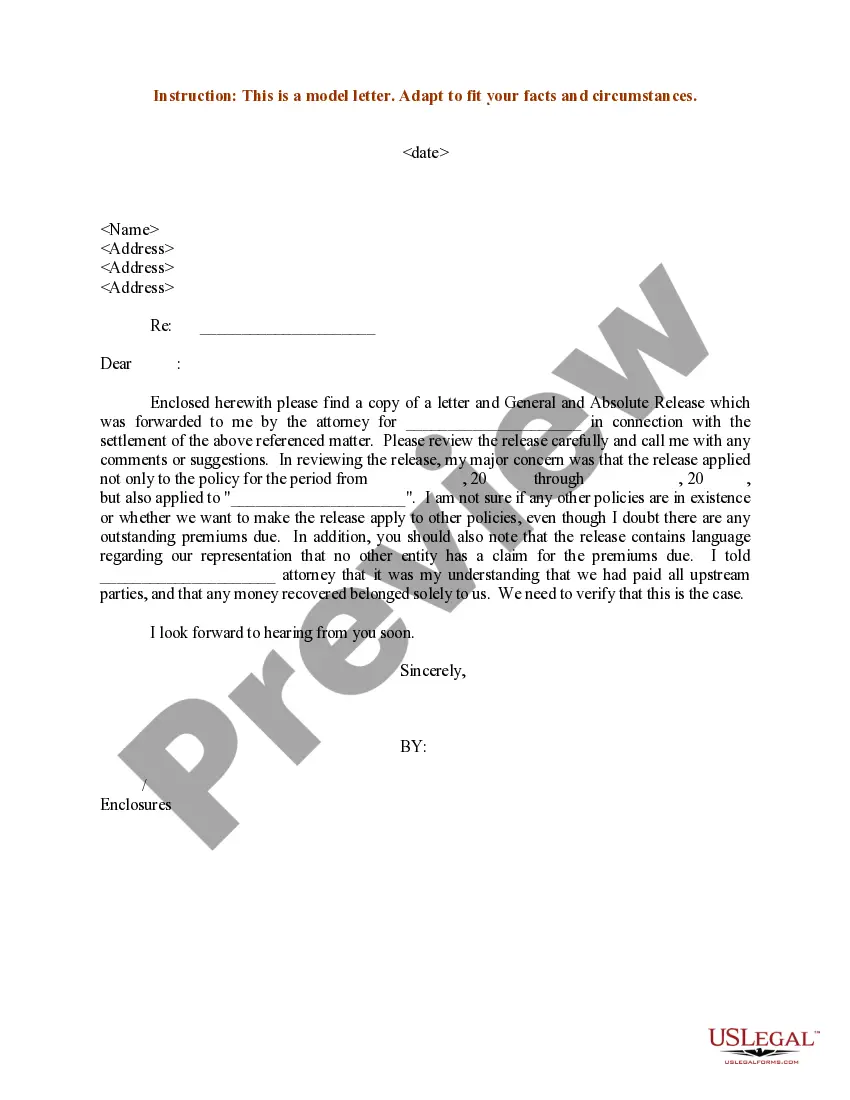
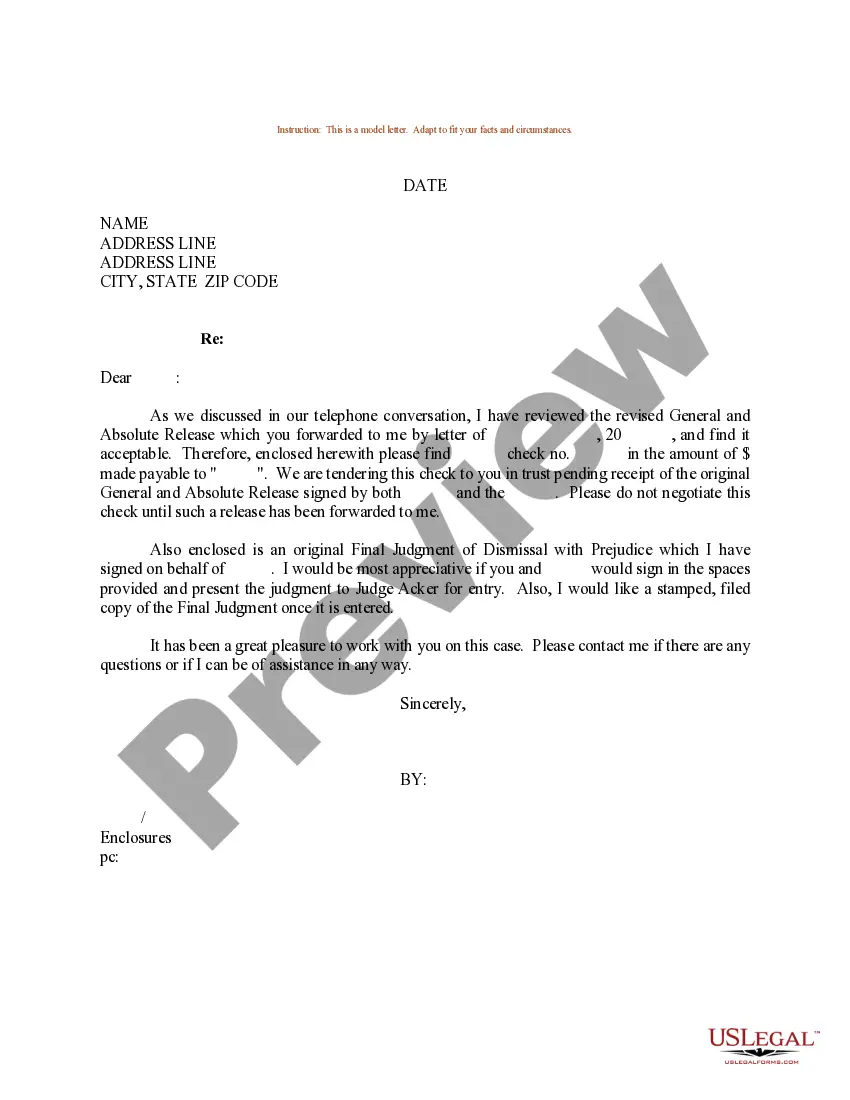
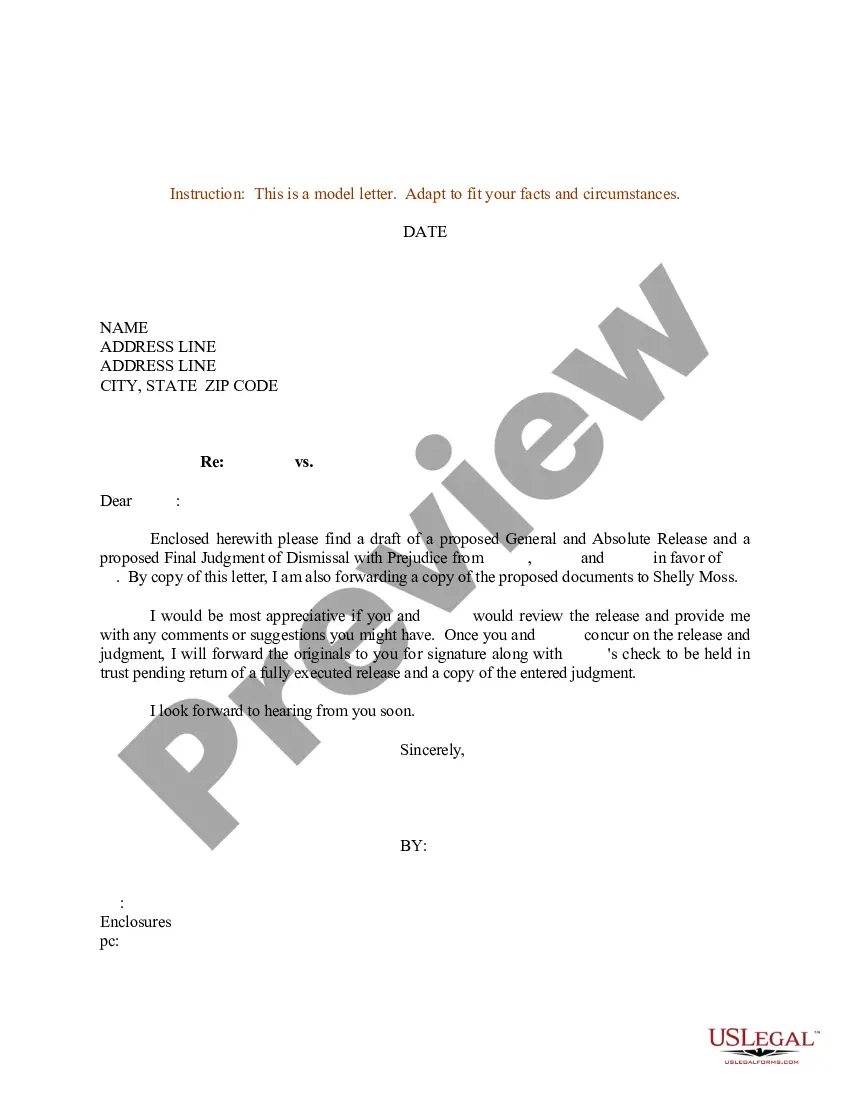
Get your form ready online
Our built-in tools help you complete, sign, share, and store your documents in one place.
Make edits, fill in missing information, and update formatting in US Legal Forms—just like you would in MS Word.
Download a copy, print it, send it by email, or mail it via USPS—whatever works best for your next step.
Sign and collect signatures with our SignNow integration. Send to multiple recipients, set reminders, and more. Go Premium to unlock E-Sign.
If this form requires notarization, complete it online through a secure video call—no need to meet a notary in person or wait for an appointment.
We protect your documents and personal data by following strict security and privacy standards.

Make edits, fill in missing information, and update formatting in US Legal Forms—just like you would in MS Word.

Download a copy, print it, send it by email, or mail it via USPS—whatever works best for your next step.

Sign and collect signatures with our SignNow integration. Send to multiple recipients, set reminders, and more. Go Premium to unlock E-Sign.

If this form requires notarization, complete it online through a secure video call—no need to meet a notary in person or wait for an appointment.

We protect your documents and personal data by following strict security and privacy standards.
Looking for another form?







Form popularity
FAQ
Reference checking usually involves asking about the candidate's role in their previous company, how long they worked there, why they left, and how their skills can fit into the position they've applied for.
If your former employer's bad reference is an honest assessment of your skills and is truthful, you may not have the right to sue. However, if a bad reference involves false statements or misrepresentations about you, you may have the right to pursue a lawsuit for defamation.
In Texas, an employer does not have to give a departing employee a termination notice or letter, or a letter of recommendation, based on a 1914 Texas Supreme Court ruling in the case of St. Louis Southwestern Railway Co. of Texas v. Griffin, 171 S.W.
5 Steps to Prepare a Release Letter Step 1: Format Your Letter. Set up the format of the letter in the standard business format. Step 2: Information About the Release. Step 3: Maintaining the Tone. Step 4: Make it Short and Crisp. Step 5: Logo of the Company and the Name.
In order to obtain meaningful reference information from some employers it is useful to have a release which assures the former employer/reference that you will not pursue litigation against them based on their reference information.
Many people ask what it means if an employer does a reference check after-interview for job-seekers, and the simple answer is that they are interested in you. However, it does not necessarily mean anything more than that, so don't start to get your hopes up too much, too soon.
This unique form requires the departing employee to give you permission to give information concerning their employment. It also requires the employee to tell you what information you can release. Employees who were great have no problem giving you the right to release information.
While both reference checks and background help employers learn about candidates, background checks function to verify employee data, history, and information, while reference checks are geared more toward employer needs, giving a thorough look at a candidate's fit and compatibility within an organization.

