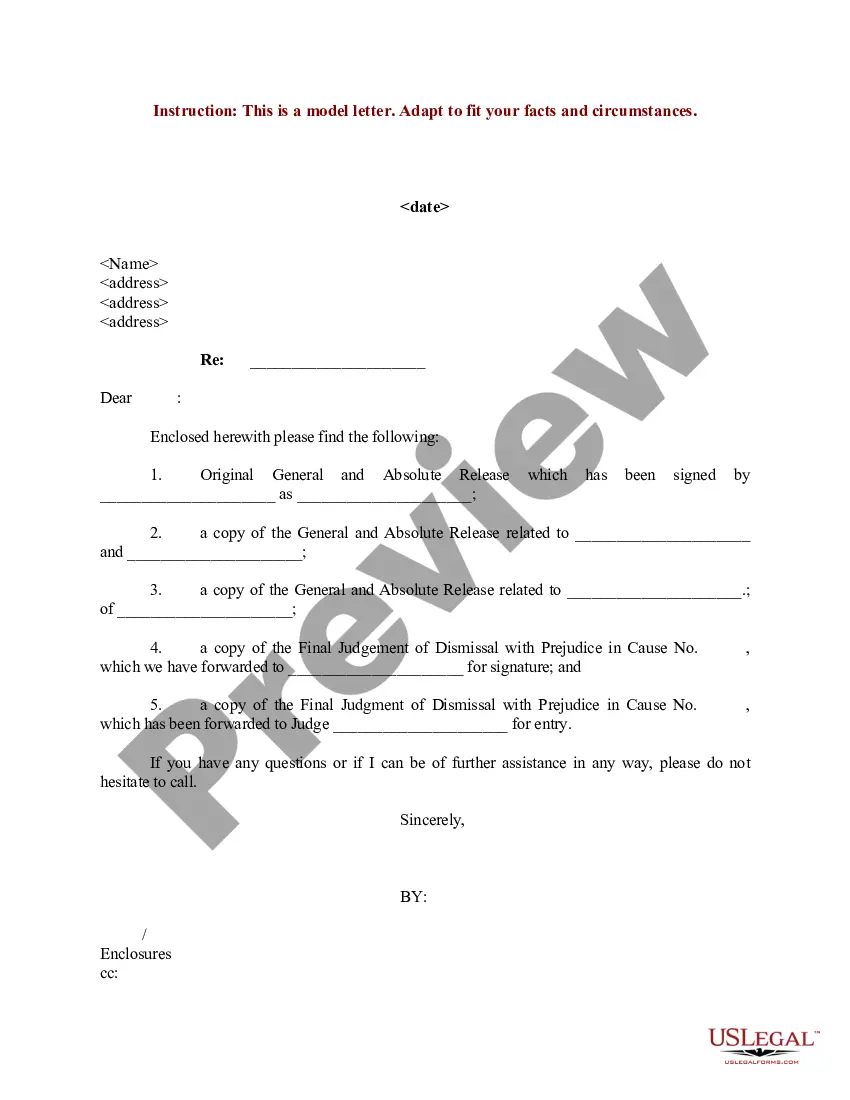
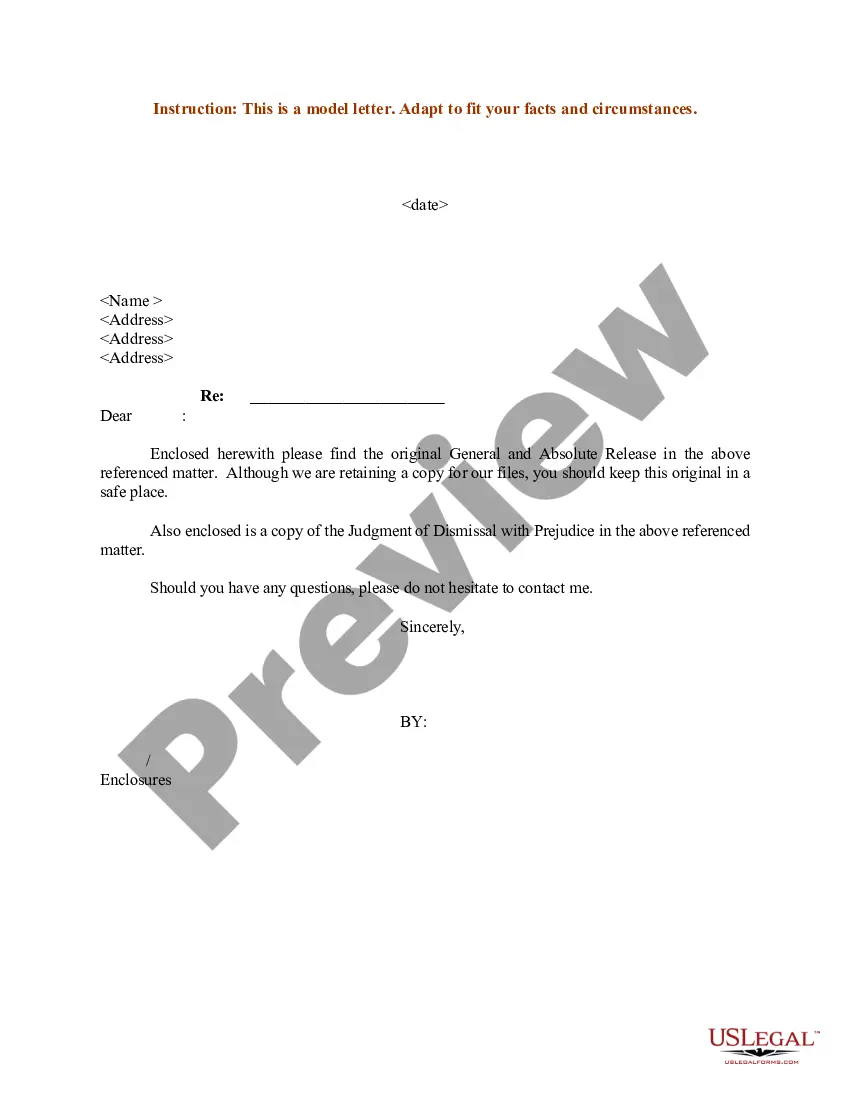
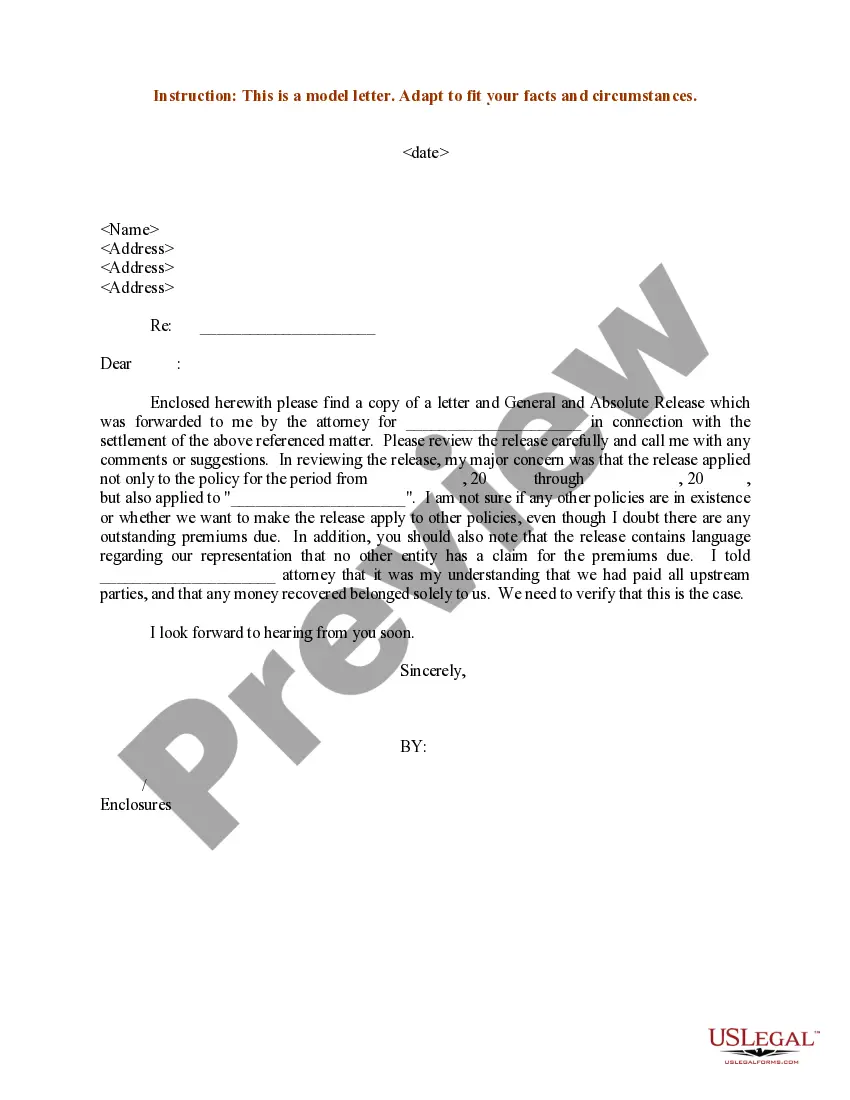
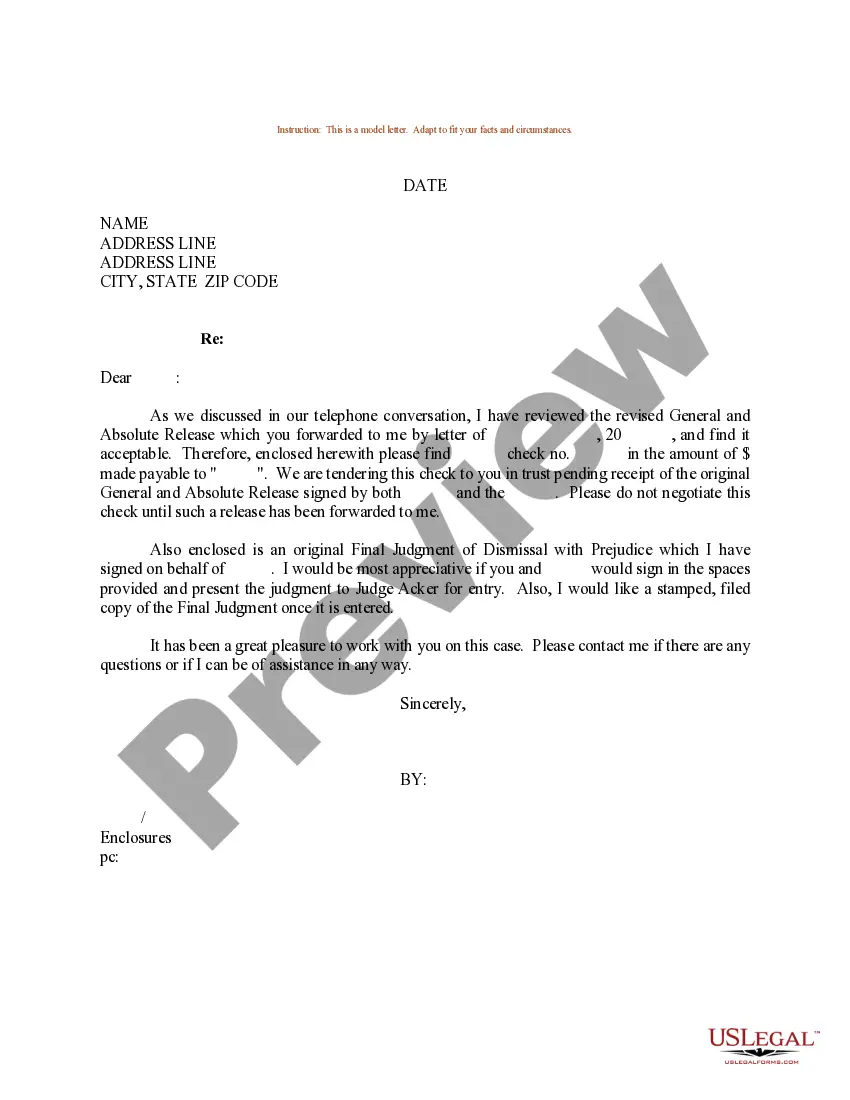
Release Letter Sample With Reference In Massachusetts
Description
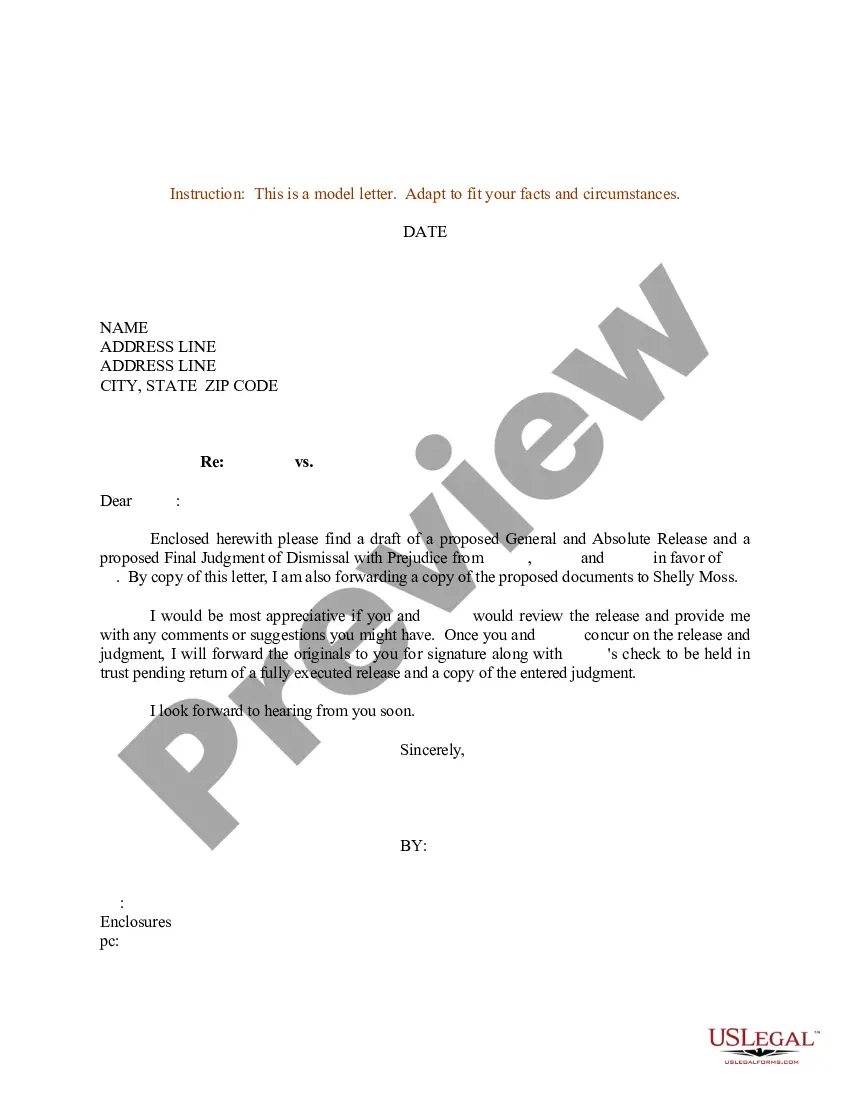
Get your form ready online
Our built-in tools help you complete, sign, share, and store your documents in one place.
Make edits, fill in missing information, and update formatting in US Legal Forms—just like you would in MS Word.
Download a copy, print it, send it by email, or mail it via USPS—whatever works best for your next step.
Sign and collect signatures with our SignNow integration. Send to multiple recipients, set reminders, and more. Go Premium to unlock E-Sign.
If this form requires notarization, complete it online through a secure video call—no need to meet a notary in person or wait for an appointment.
We protect your documents and personal data by following strict security and privacy standards.

Make edits, fill in missing information, and update formatting in US Legal Forms—just like you would in MS Word.

Download a copy, print it, send it by email, or mail it via USPS—whatever works best for your next step.

Sign and collect signatures with our SignNow integration. Send to multiple recipients, set reminders, and more. Go Premium to unlock E-Sign.

If this form requires notarization, complete it online through a secure video call—no need to meet a notary in person or wait for an appointment.

We protect your documents and personal data by following strict security and privacy standards.
Looking for another form?




Form popularity
FAQ
A release is an agreement not to sue; it waives your right to sue and company and "releases" your employer from legal liability for claims you may have against it. A release may be as broad or as narrow as the parties agree to make it.
Before signing a release of claims, it is crucial for employees to understand the legal implications of this agreement. Signing a release typically means relinquishing the right to sue the employer.
It's common for organizations to request a release information form from a candidate's previous employers. This form protects employers from legal liability when disclosing information about former employees.
The Release Schema provides a detailed specification of the fields and data structures to use when publishing contracting data. Supplementary schemas show how to combine releases into release packages and how to compile releases into records.
The purpose of a release agreement is to provide certainty to an employer that they will not have to address the future claims of a terminated employee.
Dear Sir, I am writing this letter in order to request you to issue me my relieving letter. I resigned from the organisation on 9 July 2022. The notice period of 1 month has also been served by me and my last working day was on 9 August 2022.