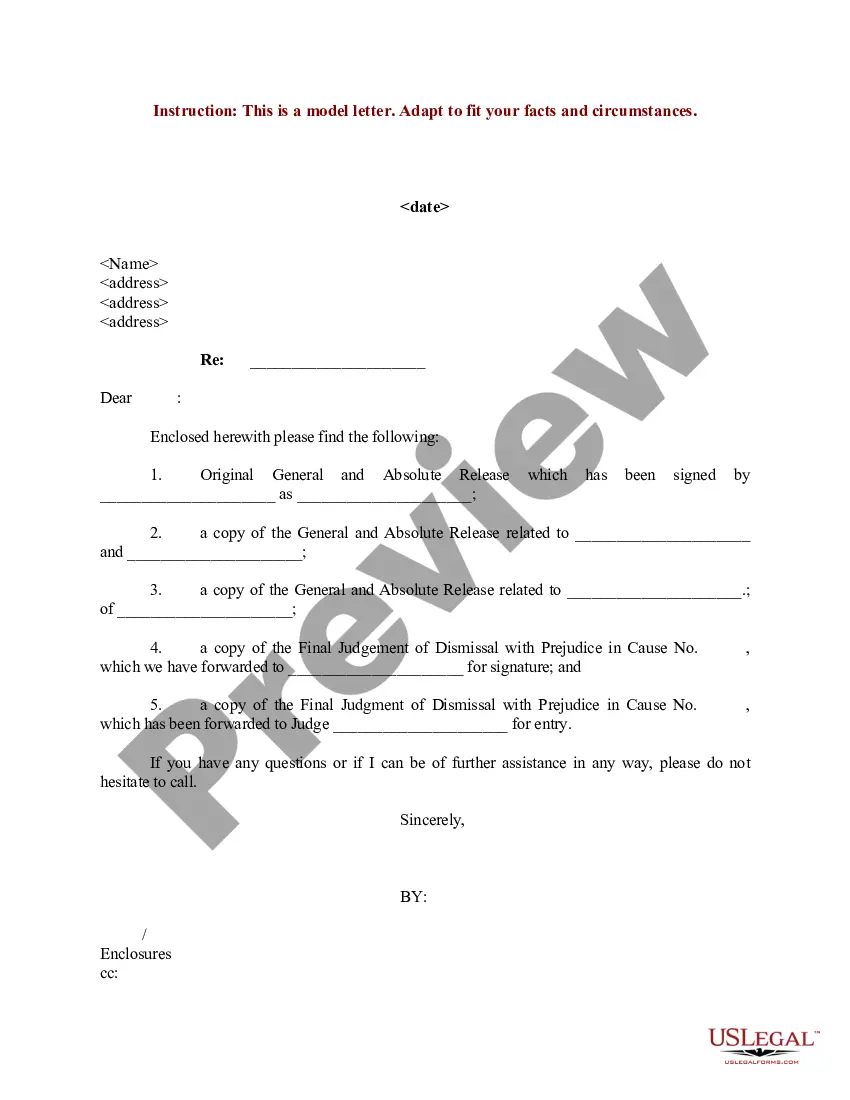
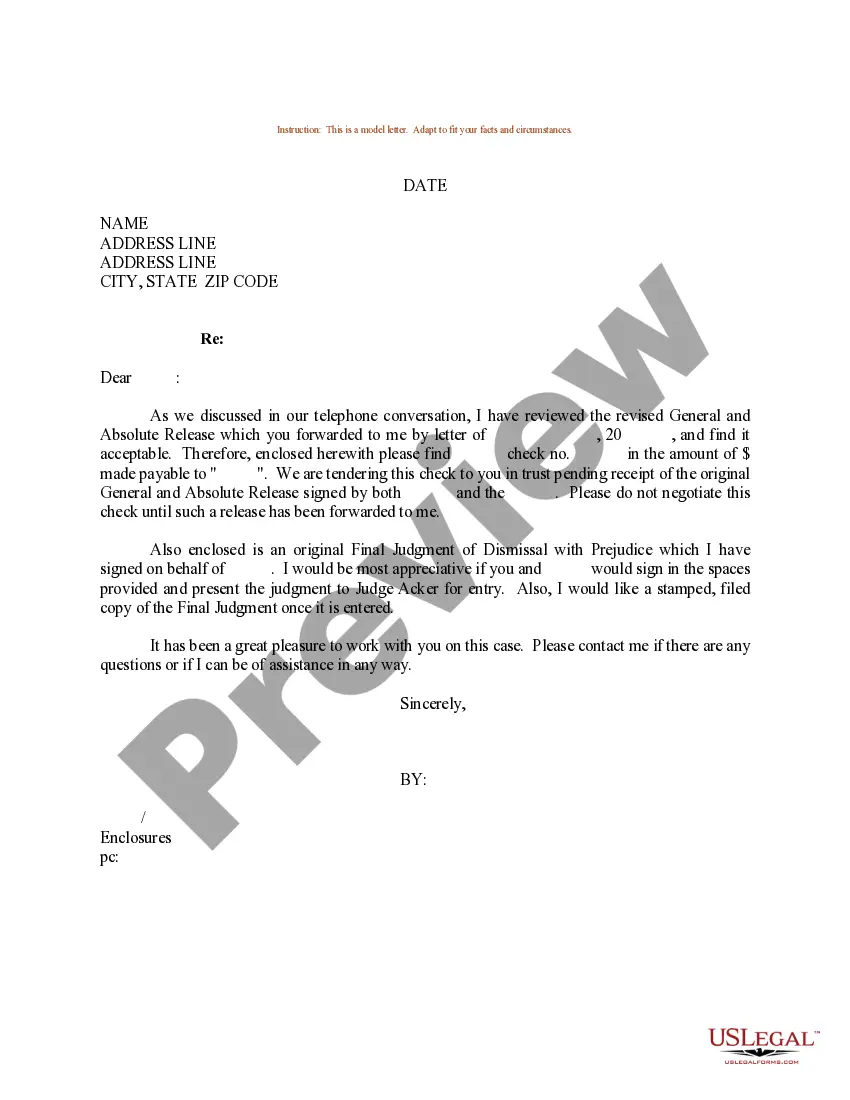
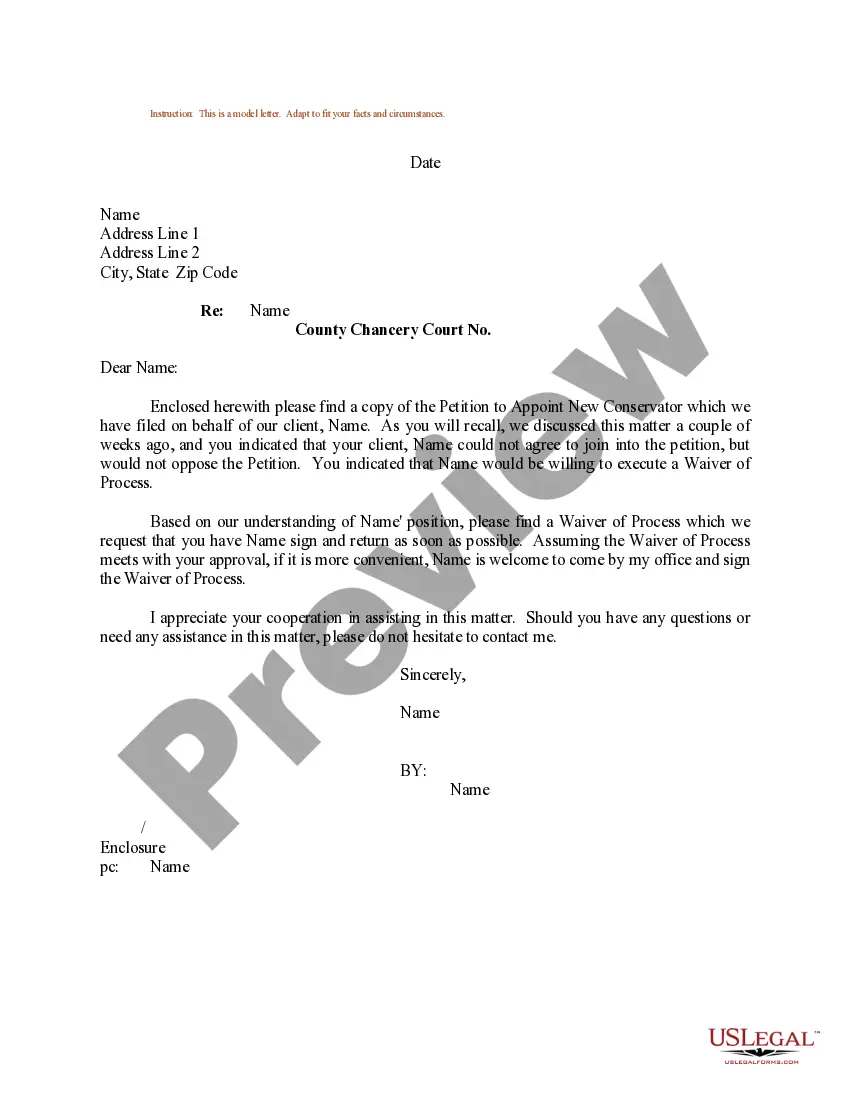
Release Letter Sample With Attachment In Maryland
Description

Get your form ready online
Our built-in tools help you complete, sign, share, and store your documents in one place.
Make edits, fill in missing information, and update formatting in US Legal Forms—just like you would in MS Word.
Download a copy, print it, send it by email, or mail it via USPS—whatever works best for your next step.
Sign and collect signatures with our SignNow integration. Send to multiple recipients, set reminders, and more. Go Premium to unlock E-Sign.
If this form requires notarization, complete it online through a secure video call—no need to meet a notary in person or wait for an appointment.
We protect your documents and personal data by following strict security and privacy standards.

Make edits, fill in missing information, and update formatting in US Legal Forms—just like you would in MS Word.

Download a copy, print it, send it by email, or mail it via USPS—whatever works best for your next step.

Sign and collect signatures with our SignNow integration. Send to multiple recipients, set reminders, and more. Go Premium to unlock E-Sign.

If this form requires notarization, complete it online through a secure video call—no need to meet a notary in person or wait for an appointment.

We protect your documents and personal data by following strict security and privacy standards.
Looking for another form?
Form popularity
FAQ
The usual definition of the probable cause standard includes “a reasonable amount of suspicion, supported by circumstances sufficiently strong to justify a prudent and cautious person's belief that certain facts are probably true.” Notably, this definition does not require that the person making the recognition must ...
How do I get a copy of a lien release in Maryland? You may apply for a clear title in person at any of the MVAs full-service branch offices or by mail to the MVAs title file unit.
A Maryland Statement of Probable Cause is an integral element of the state's criminal law system. It's a legally required document provided by law enforcement and reviewed by a commissioner, explaining why an individual was arrested.
Some courts and scholars have suggested probable cause could, in some circumstances, allow for a fact to be established as true to a standard of less than 51%, but as of August 2019, the United States Supreme Court has never ruled that the quantification of probable cause is anything less than 51%.
Note: If the lien holder is not a financial institution, the lien release letter must be notarized. If a lien release letter on the lien holder's letterhead is submitted, a photocopy must be made of the driver's license or state issued ID of the person submitting the letter.
To establish a lien, a contractor or subcontractor must file a petition in the circuit court for the county where the property is located within 180 days after completing work on the property or providing materials. It can be difficult to determine the work completion date.
Maryland's process for recording a lien claim is done through the court system. Claimants will need to deliver the lien form, an affidavit, and supporting documentation to the circuit court of the county in which the property is located. Filing a mechanics lien in Maryland actually requires initiating a court action.
The Statement of Probable Cause is the written section of a statement of charges and typically contains the allegations outlined by the charging officer that form the legal basis for the criminal charges.
You can file a motion to revise or vacate (cancel) the judgment in writing within 30 days after the date of the judgment. This motion is usually filed to correct clerical errors, or to vacate a judgment if you believe that you were not served with the court papers or were not notified of the court date.
How long does a judgment lien last in Maryland? A judgment lien in Maryland will remain attached to the debtor's property (even if the property changes hands) for 12 years.