Release Letter Sample With Enclosure In Hillsborough
Description

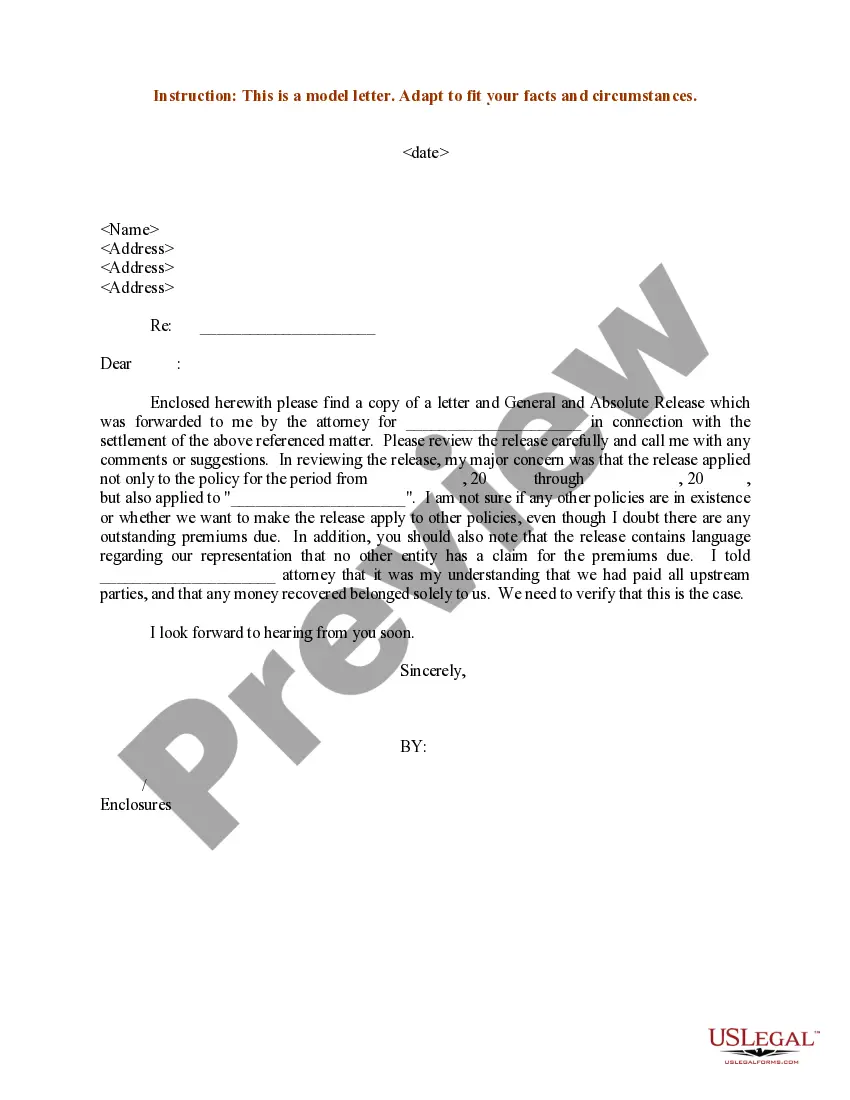
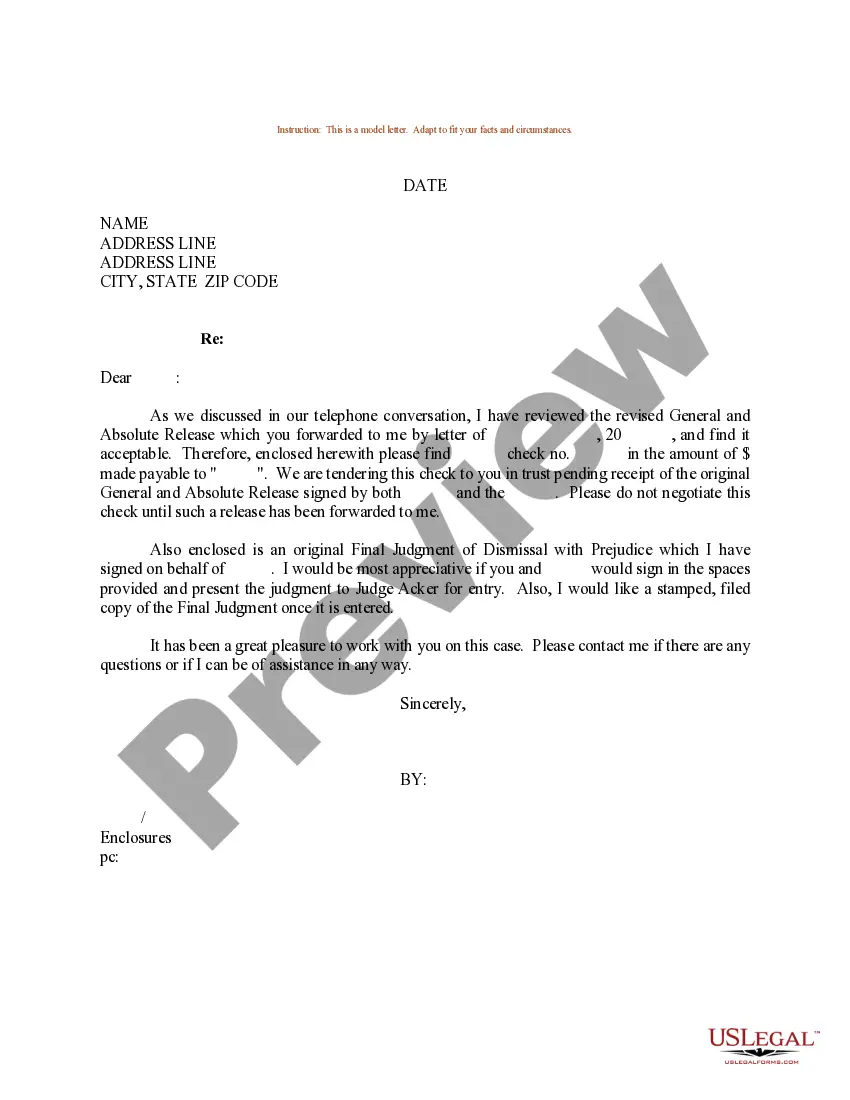
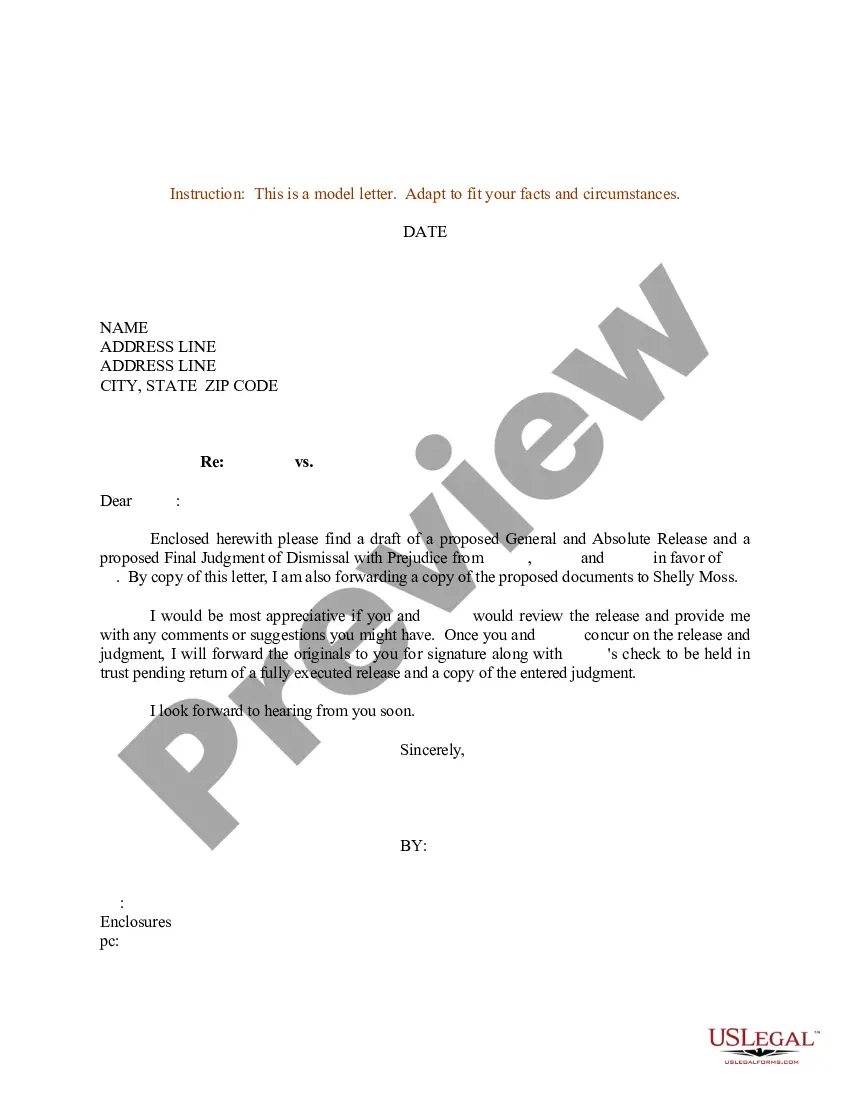
Get your form ready online
Our built-in tools help you complete, sign, share, and store your documents in one place.
Make edits, fill in missing information, and update formatting in US Legal Forms—just like you would in MS Word.
Download a copy, print it, send it by email, or mail it via USPS—whatever works best for your next step.
Sign and collect signatures with our SignNow integration. Send to multiple recipients, set reminders, and more. Go Premium to unlock E-Sign.
If this form requires notarization, complete it online through a secure video call—no need to meet a notary in person or wait for an appointment.
We protect your documents and personal data by following strict security and privacy standards.

Make edits, fill in missing information, and update formatting in US Legal Forms—just like you would in MS Word.

Download a copy, print it, send it by email, or mail it via USPS—whatever works best for your next step.

Sign and collect signatures with our SignNow integration. Send to multiple recipients, set reminders, and more. Go Premium to unlock E-Sign.

If this form requires notarization, complete it online through a secure video call—no need to meet a notary in person or wait for an appointment.

We protect your documents and personal data by following strict security and privacy standards.
Looking for another form?






Form popularity
FAQ
What work is exempt from permits. Work that does not require a permit is typically cosmetic, such as: Cabinet Work. Fencing, depending on materials used and restrictions or requirements fo your area.
A minimum of 20 feet between principal buildings, rear yards at zoning lot boundaries of 15 feet (unless a greater setback is otherwise required), and side yards at district boundaries of ten feet shall be provided.
Do I need a permit to a fence? Yes. Review the residential fence permit application for more information.
A. The maximum height of fences shall be eight feet. b. Within front yards, solid fences (i.e., fences with greater than 30 percent opacity) shall be restricted to a height of four feet.
A permit is required if your fence will be: Taller than six feet. Concrete, masonry or block, including posts or include any reinforcement (concrete/rebar). Used as a required pool/spa barrier. Along a property that has an alley in the rear.
General submission requirements for residential accessory structures over 150 sq. ft. A guide for all Residential Accessory Structures that are larger than 150 sq. ft., including sheds, gazebos, carports, and other similar construction projects.
However, we can tell you that most large and extensive plumbing projects do require a permit. For example, these jobs usually require a permit: Replacing a Water Heater.
If a fence is installed without a permit and encroaches on someone else's property, consequences can include legal action, fines, and removal of the fence. The property owner may request its removal, and you could be held responsible for any damages caused during installation or removal.

