Release Letter Sample For University In Georgia
Description

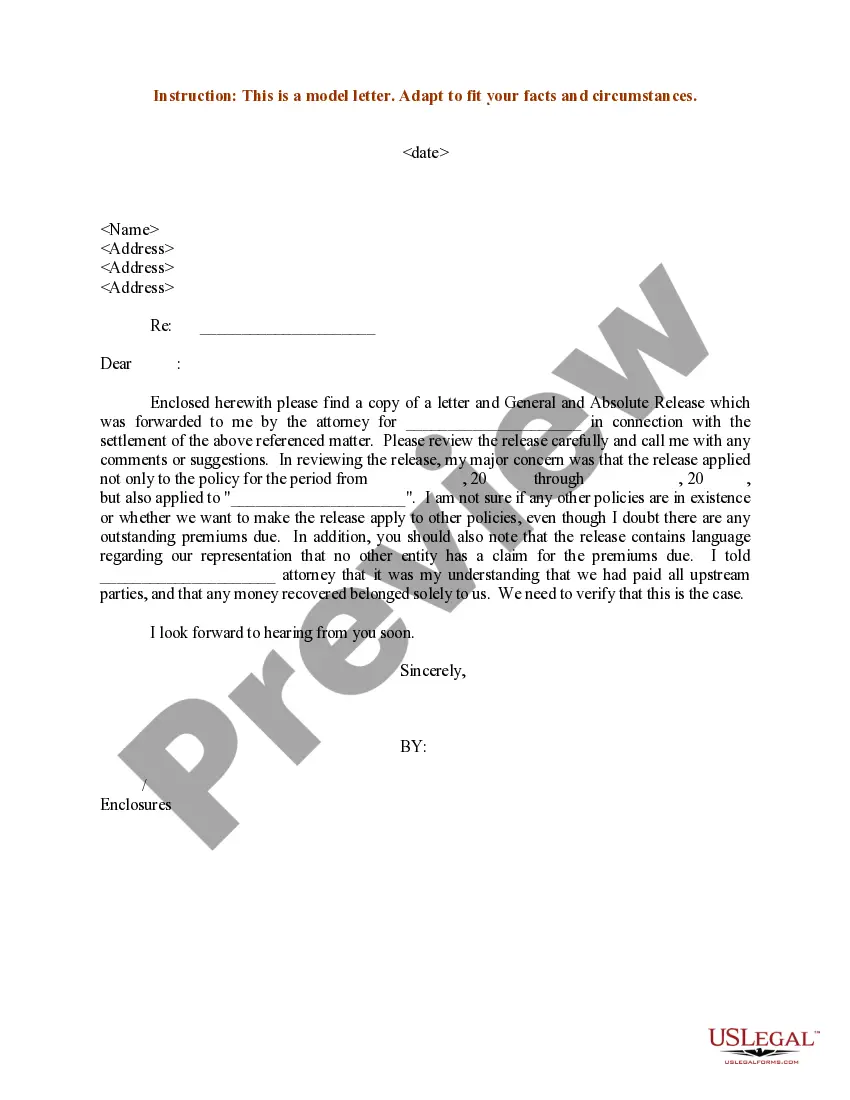
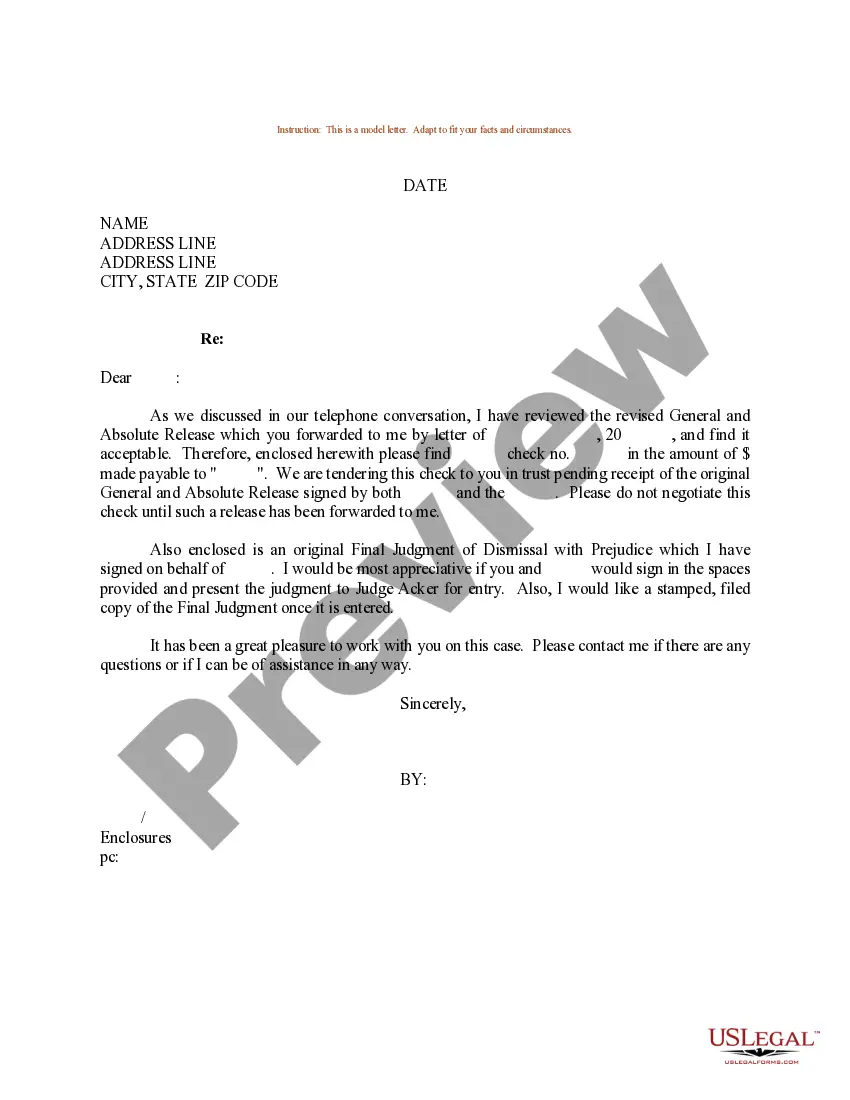
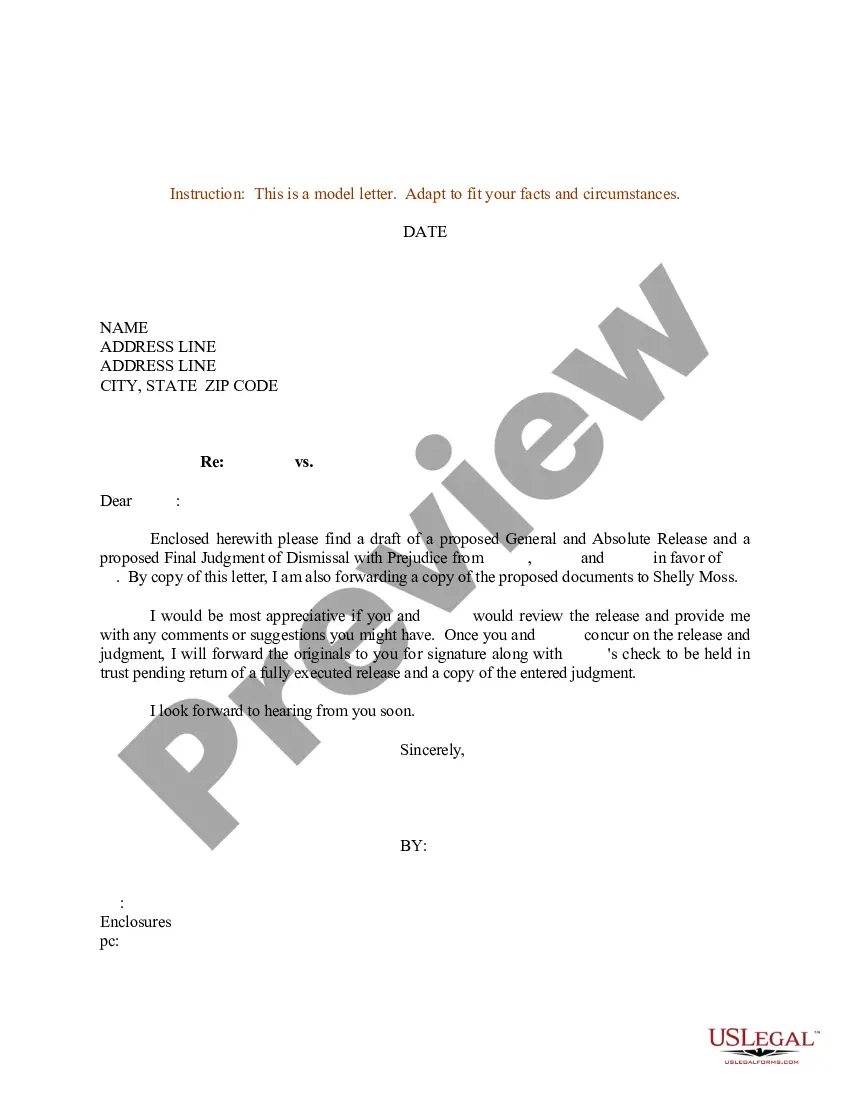
Get your form ready online
Our built-in tools help you complete, sign, share, and store your documents in one place.
Make edits, fill in missing information, and update formatting in US Legal Forms—just like you would in MS Word.
Download a copy, print it, send it by email, or mail it via USPS—whatever works best for your next step.
Sign and collect signatures with our SignNow integration. Send to multiple recipients, set reminders, and more. Go Premium to unlock E-Sign.
If this form requires notarization, complete it online through a secure video call—no need to meet a notary in person or wait for an appointment.
We protect your documents and personal data by following strict security and privacy standards.

Make edits, fill in missing information, and update formatting in US Legal Forms—just like you would in MS Word.

Download a copy, print it, send it by email, or mail it via USPS—whatever works best for your next step.

Sign and collect signatures with our SignNow integration. Send to multiple recipients, set reminders, and more. Go Premium to unlock E-Sign.

If this form requires notarization, complete it online through a secure video call—no need to meet a notary in person or wait for an appointment.

We protect your documents and personal data by following strict security and privacy standards.
Looking for another form?






Form popularity
FAQ
Whether you need to obtain a release depends on why you want to use a person's name or image. If your use is for commercial purposes—for example, using a person's photo in an advertisement—you need to obtain a release.
A release is a legal document that records an employee's agreement to relinquish their right to make any future claims against their employer relating to their employment or the termination of their employment.
A letter of release approving transfer must be obtained by an international student visa holder, seeking to transfer institutions within the first six months of study in their principal (mainstream) course (in addition to any prior preparatory study eg. Foundation, English, Diploma).
If an employee was terminated for reasons that violate California public policy—such as whistleblowing, reporting illegal activity, or refusing to engage in unlawful conduct—a wrongful termination claim may still be valid, regardless of the release agreement.
The document outlines which individuals or entities will be able to access the student's personal information, academic records, transcripts, and bursar records. Once the student signs the release, it will remain in effect until they revoke it in writing.
The purpose of a release agreement is to provide certainty to an employer that they will not have to address the future claims of a terminated employee.
How to write an application letter Research the company and job opening. Use a professional format. State the position you're applying for. Explain why you're the best fit for the job. Summarize your qualifications. Mention why you want the job. Include a professional closing.
Tips For Writing A Request For A Relieving Letter Request the release of your relieving letter before a specific date. Mention your date of transfer and employee ID. Specify the status of your exit formalities. Highlight your last date of work at the current branch. Keep the request mail crisp and to-the-point.
Here are some steps you can take to write an effective relieving letter: Address your letter. Addressing your letter can help ensure its authenticity and formality. Confirm dates. Thank the employee for their service. Formalize final details. Get an authorized signature. Deliver your letter.

