Release Letter Sample With Greetings In Franklin
Description

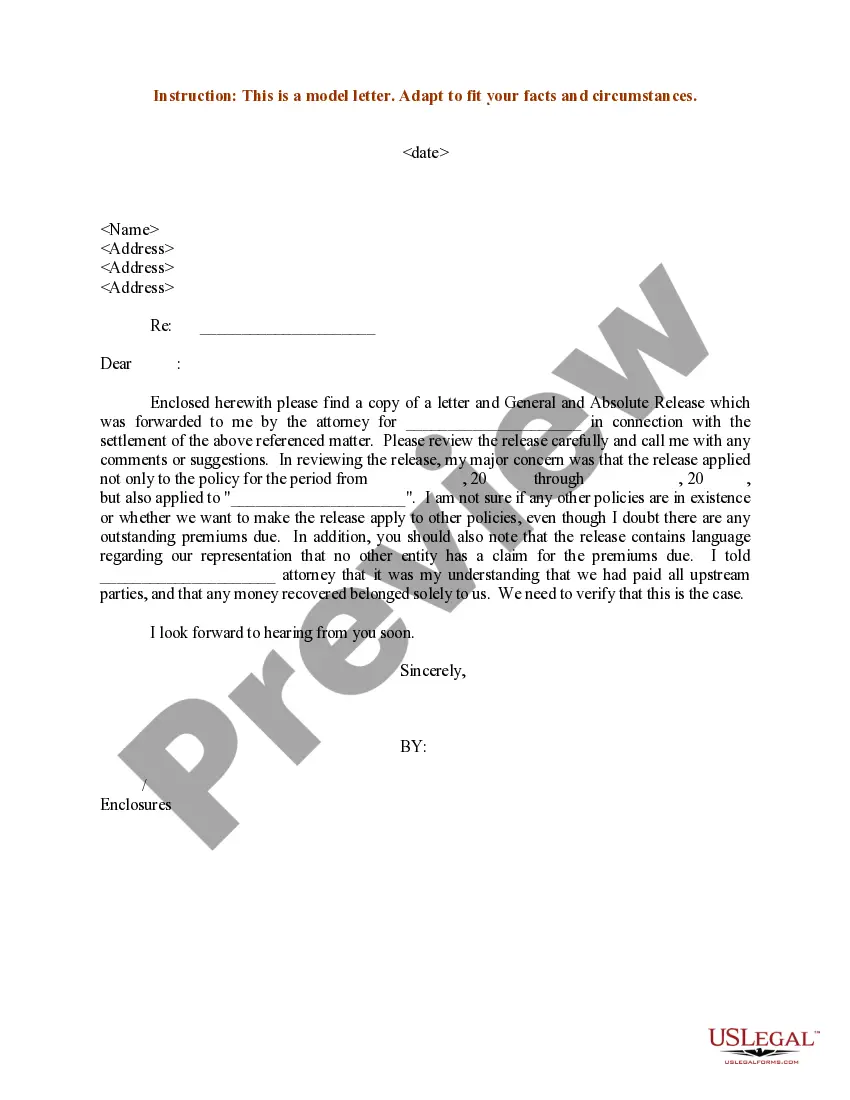
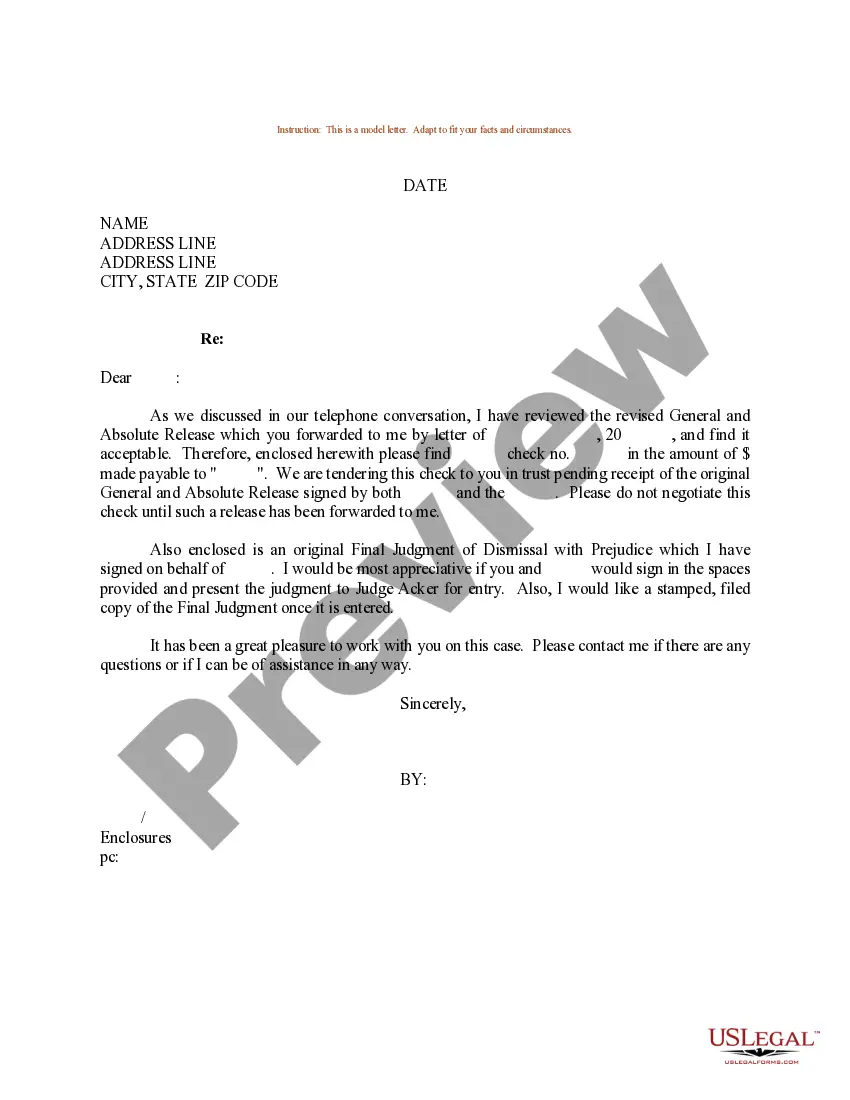
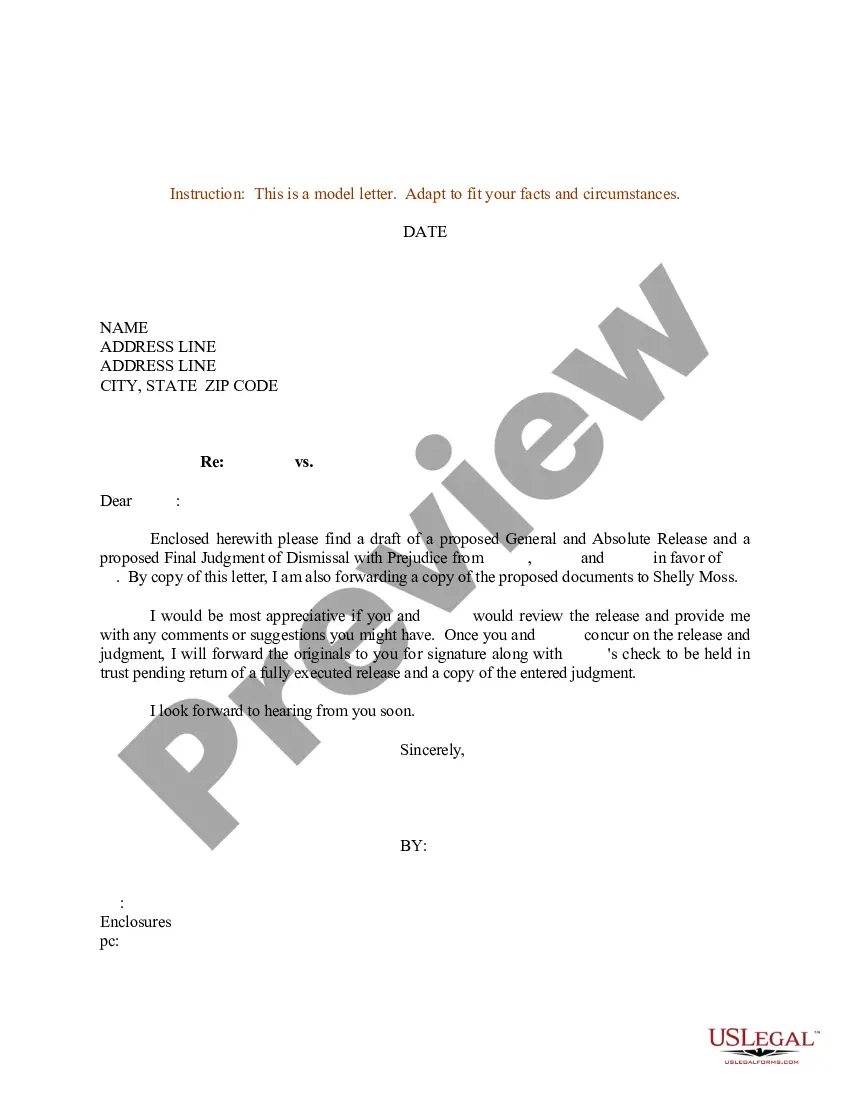
Get your form ready online
Our built-in tools help you complete, sign, share, and store your documents in one place.
Make edits, fill in missing information, and update formatting in US Legal Forms—just like you would in MS Word.
Download a copy, print it, send it by email, or mail it via USPS—whatever works best for your next step.
Sign and collect signatures with our SignNow integration. Send to multiple recipients, set reminders, and more. Go Premium to unlock E-Sign.
If this form requires notarization, complete it online through a secure video call—no need to meet a notary in person or wait for an appointment.
We protect your documents and personal data by following strict security and privacy standards.

Make edits, fill in missing information, and update formatting in US Legal Forms—just like you would in MS Word.

Download a copy, print it, send it by email, or mail it via USPS—whatever works best for your next step.

Sign and collect signatures with our SignNow integration. Send to multiple recipients, set reminders, and more. Go Premium to unlock E-Sign.

If this form requires notarization, complete it online through a secure video call—no need to meet a notary in person or wait for an appointment.

We protect your documents and personal data by following strict security and privacy standards.
Looking for another form?

Form popularity
FAQ
You will know the recipient's name in most situations, so the salutation should be “Dear," followed by “Mr.” or “Mrs.” and the recipient's last name. If you are addressing a larger group of people, the salutation can be “To”, followed by the name of the organization or department you are addressing to.
To formally greet someone in writing, some common options include: ``Dear (Name),'' ``Greetings (Name),'' ``To (Name),'' ``Honourable (Name),'' The choice depends on the level of formality. ``Dear (Name)'' is a standard formal greeting. ``Greetings (Name)'' is slightly more formal.
5 strong greetings (salutations) Dear full name, Greeting the recipient by their full name is best when you haven't previously interacted with them. Dear title and last name, ... Hi first name, ... Dear team, department, or job title, ... Hello,
To formally greet someone in writing, some common options include: ``Dear (Name),'' ``Greetings (Name),'' ``To (Name),'' ``Honourable (Name),'' The choice depends on the level of formality. ``Dear (Name)'' is a standard formal greeting. ``Greetings (Name)'' is slightly more formal.
The most formal salutation is Dear, title, then the last name. If you're unsure of the person's pronouns, it's a good idea to use Dear First and last name or Dear First name. When you don't know the recipient's name, you can use Hello or Greetings.
When writing a demand letter, keep some of this advice in mind to create a convincing and professional message to help yield the results you want. Outline the facts. Make your demand. Provide a timeline. Set clear consequences. Be polite. Get professional advice. Keep copies. Send your demand letter via certified mail.
Components of an effective expert opinion letter Expert Credentials. The foundation of a persuasive expert report is the authority of the expert writing it. Comprehensive explanation of the candidate's qualifications. Alignment with visa requirements. Importance of specificity and clarity.
Unless instructed otherwise, for each issue include: (i) a heading, (ii) state the question or issue, (iii) provide a short answer to the question stating your opinion, and (iv) then perform the detailed legal analysis. Use headings and sub-headings in the Body section… and write them in a neutral tone.
Here are a few steps that can help you better understand how to write an opinion essay: Think about the topic of your essay. Research the topic. Create a persuasive and appealing introduction. Include your thesis statement. Provide arguments and evidence to support your thesis. Write a conclusion. Proofread your essay.
Here are some steps you can follow to write a legal opinion: Identify the issue: The first step is to identify the legal issue or question you need to answer. Research the law. Analyze the facts. Organize your thoughts. Draft the opinion. Use clear language. Cite your sources. Edit and revise:

