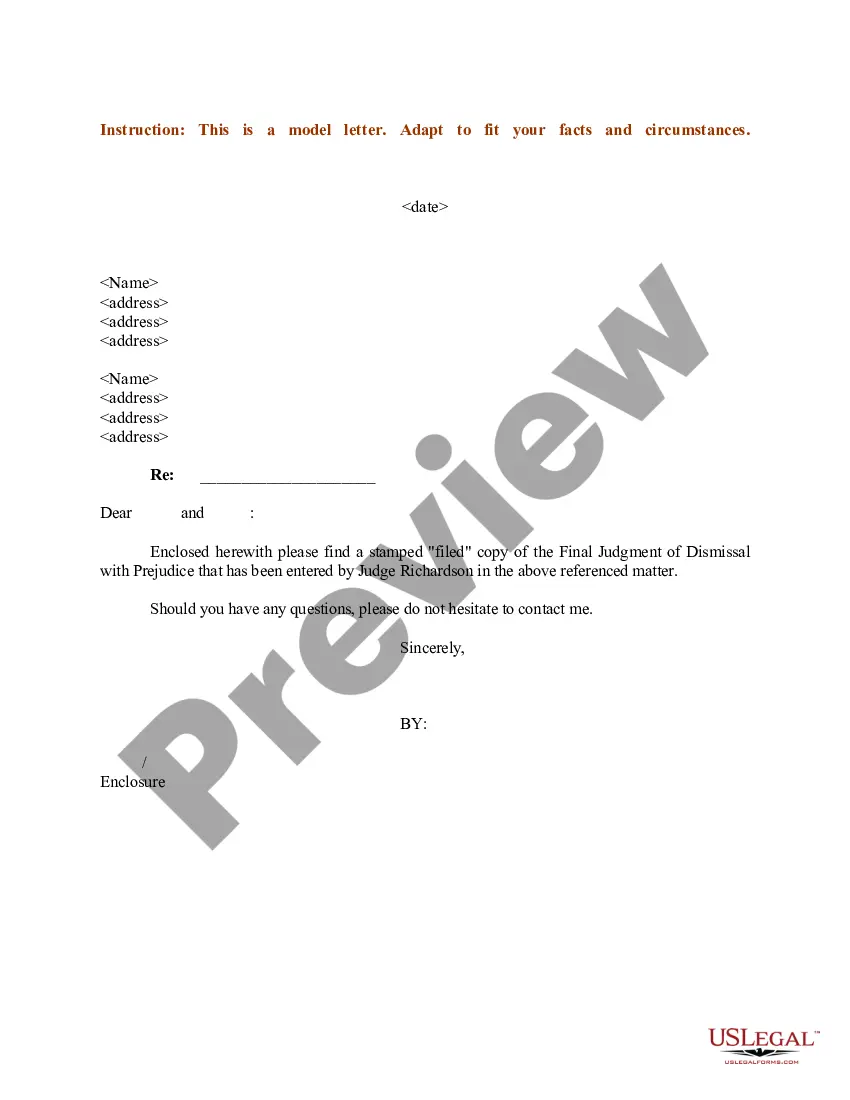
Sample Without Prejudice Letter In North Carolina
Description
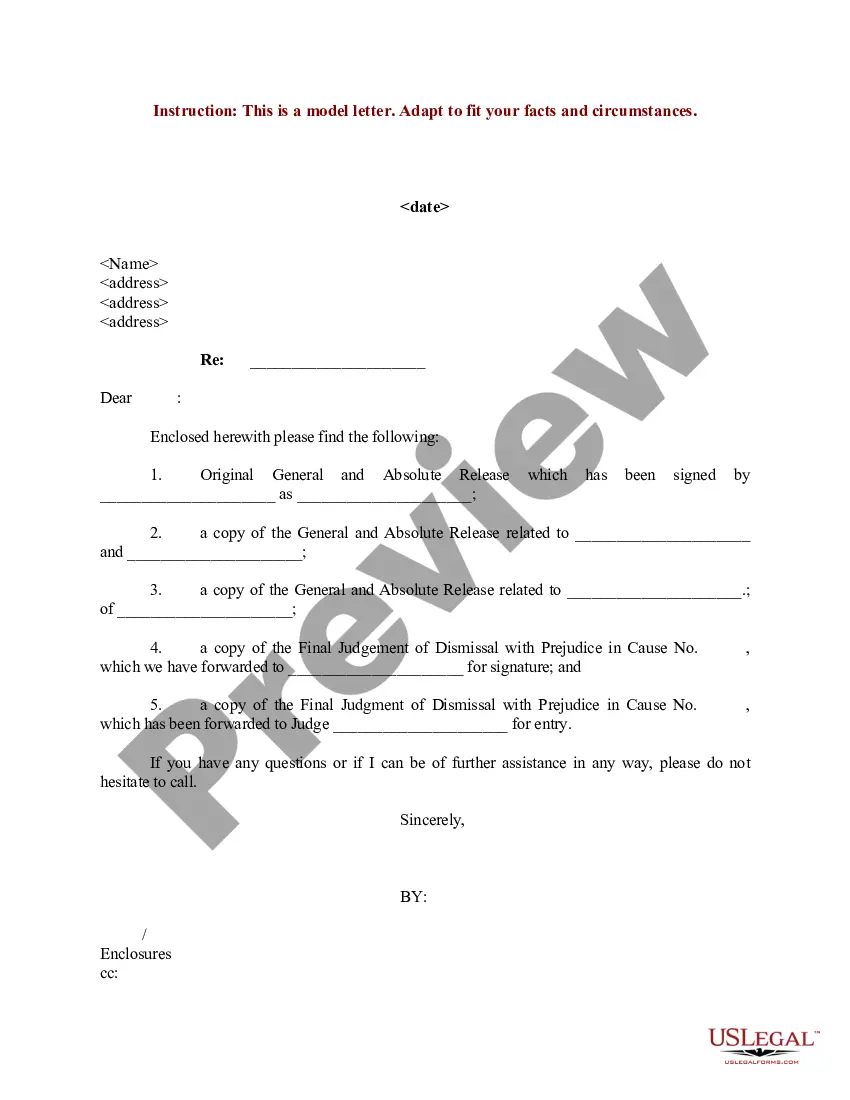
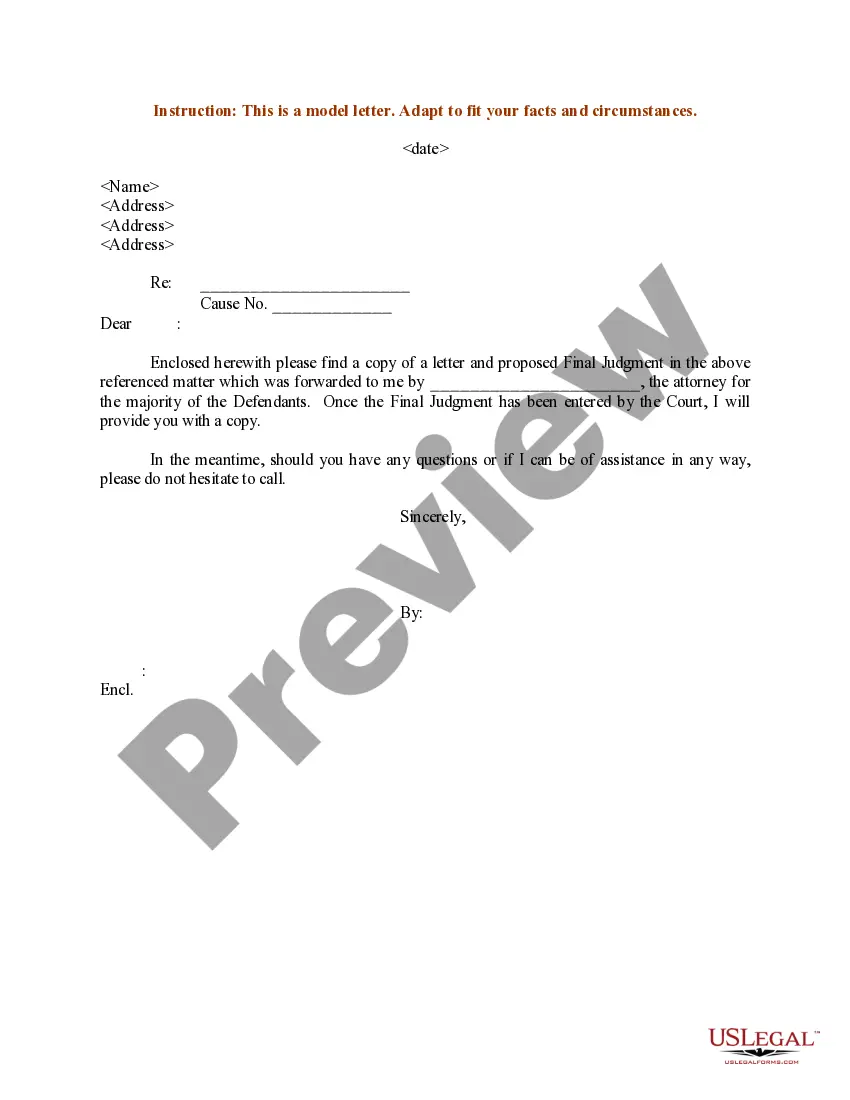
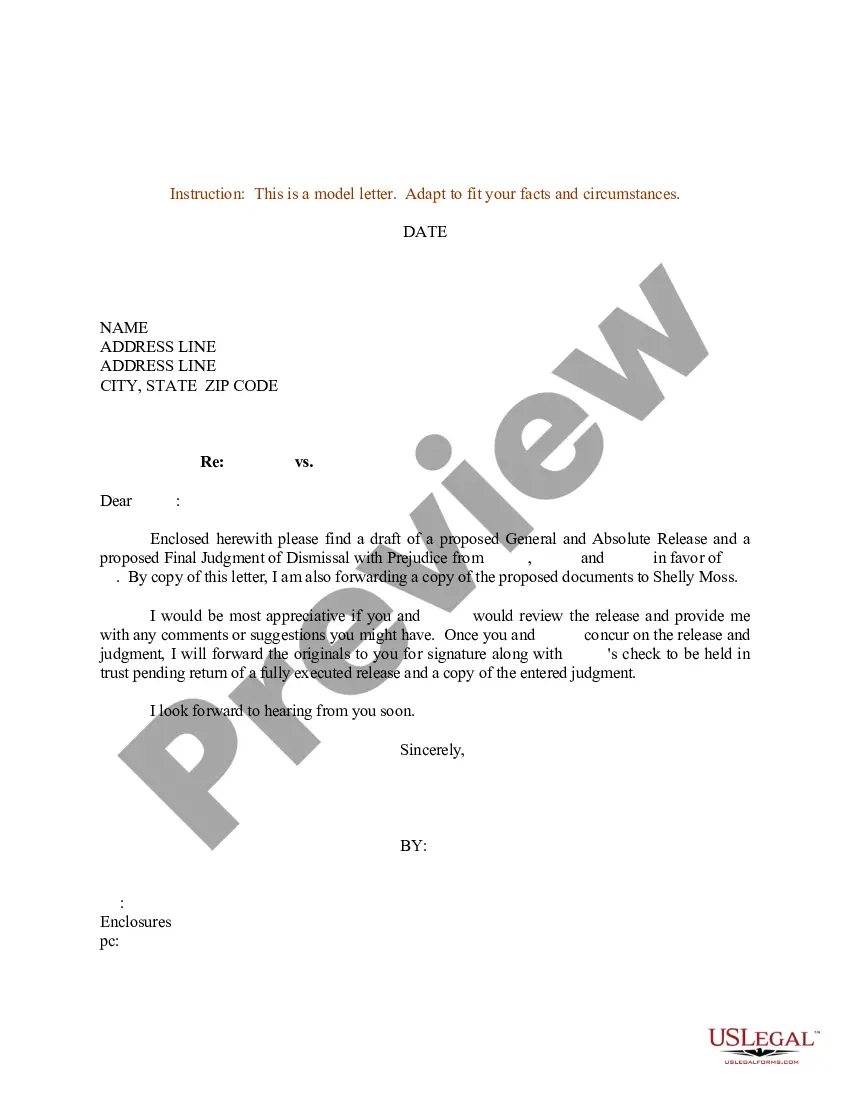
Get your form ready online
Our built-in tools help you complete, sign, share, and store your documents in one place.
Make edits, fill in missing information, and update formatting in US Legal Forms—just like you would in MS Word.
Download a copy, print it, send it by email, or mail it via USPS—whatever works best for your next step.
Sign and collect signatures with our SignNow integration. Send to multiple recipients, set reminders, and more. Go Premium to unlock E-Sign.
If this form requires notarization, complete it online through a secure video call—no need to meet a notary in person or wait for an appointment.
We protect your documents and personal data by following strict security and privacy standards.

Make edits, fill in missing information, and update formatting in US Legal Forms—just like you would in MS Word.

Download a copy, print it, send it by email, or mail it via USPS—whatever works best for your next step.

Sign and collect signatures with our SignNow integration. Send to multiple recipients, set reminders, and more. Go Premium to unlock E-Sign.

If this form requires notarization, complete it online through a secure video call—no need to meet a notary in person or wait for an appointment.

We protect your documents and personal data by following strict security and privacy standards.
Looking for another form?







Form popularity
FAQ
The 'without prejudice' label can be attached to any form of communication – letters, emails, phone calls, and meetings – whether online or otherwise. All that is required is that one or both parties state that the communication is 'without prejudice' before the communication occurs.
Examples of without prejudice The ruling was without prejudice, which allows the prosecution to refile. It admits both men and women without prejudice, unlike final clubs. A prohibition exists on documents marked without prejudice being used as a faade to conceal facts or evidence from the court.
“Without Prejudice” means that you are sending a communication in an honest attempt to compromise a matter, in which you might make a concession (either expressly or implicitly) to the other side that cannot be later put into evidence in Court.
The traditional meaning of 'without prejudice' it is to allow communications between parties without worrying that those communications, like letters or emails, will be used in court against the writer.
A case dismissed with prejudice is over and done with, once and for all, and can't be brought back to court. A case dismissed without prejudice means the opposite. It's not dismissed forever.
A Voluntary Dismissal is basically the court's way of saying that they are not going to be moving forward with a citation, or a case against a defendant.
A judge may dismiss a case without prejudice in order to allow for errors in the case presented to be addressed before it is brought back to court. A judge will dismiss a case with prejudice if he or she finds reason why the case should not move forward and should be permanently closed.
If you write to somebody with whom you are in dispute and you label your communication “without prejudice” this generally means that this letter will not have to be produced to a court if your dispute ends up in a Trial and the Judge will never know that it has been written.
Whereas a case that is dismissed “with prejudice” is dismissed permanently, a case that is dismissed “without prejudice” is only dismissed temporarily. This temporary dismissal means that the plaintiff is allowed to re-file charges, alter the claim, or bring the case to another court.
The purpose and intended effect of the words “without prejudice” is to prohibit a party from using the doctrine of res judicata (from the Latin, “a thing decided”) in any later actions on the subject matter.