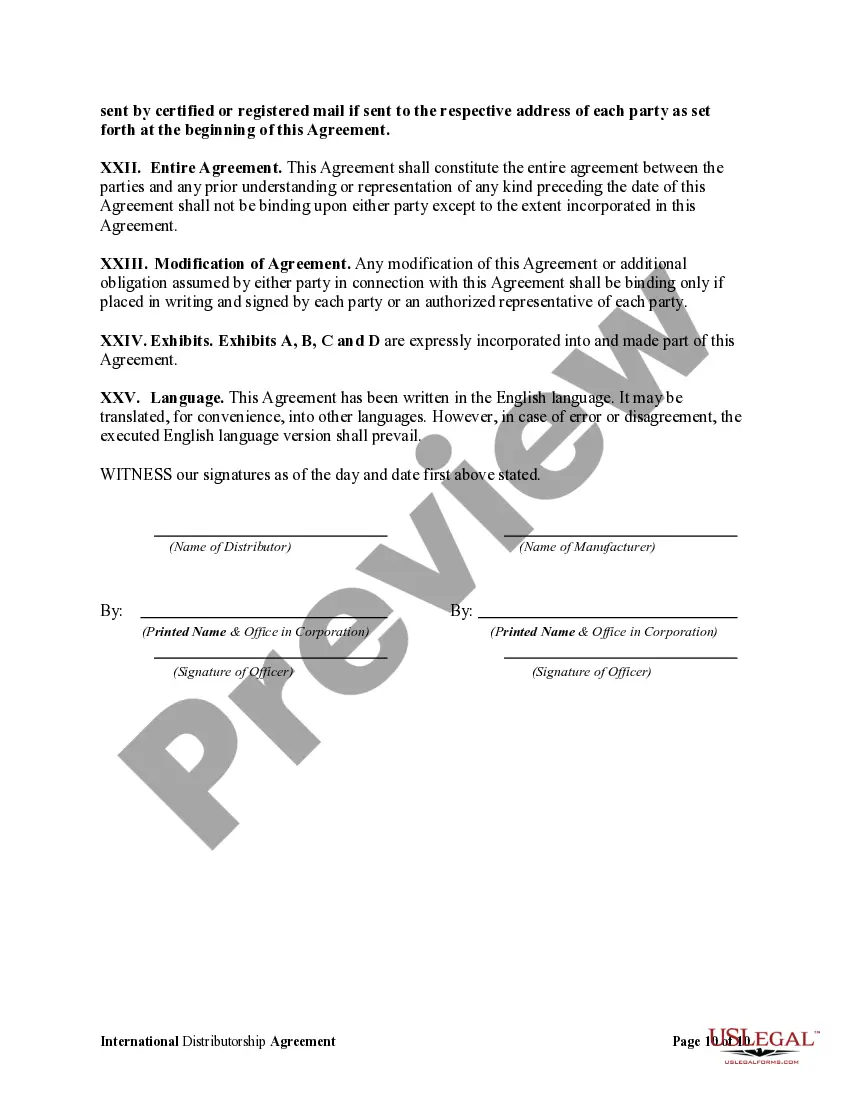
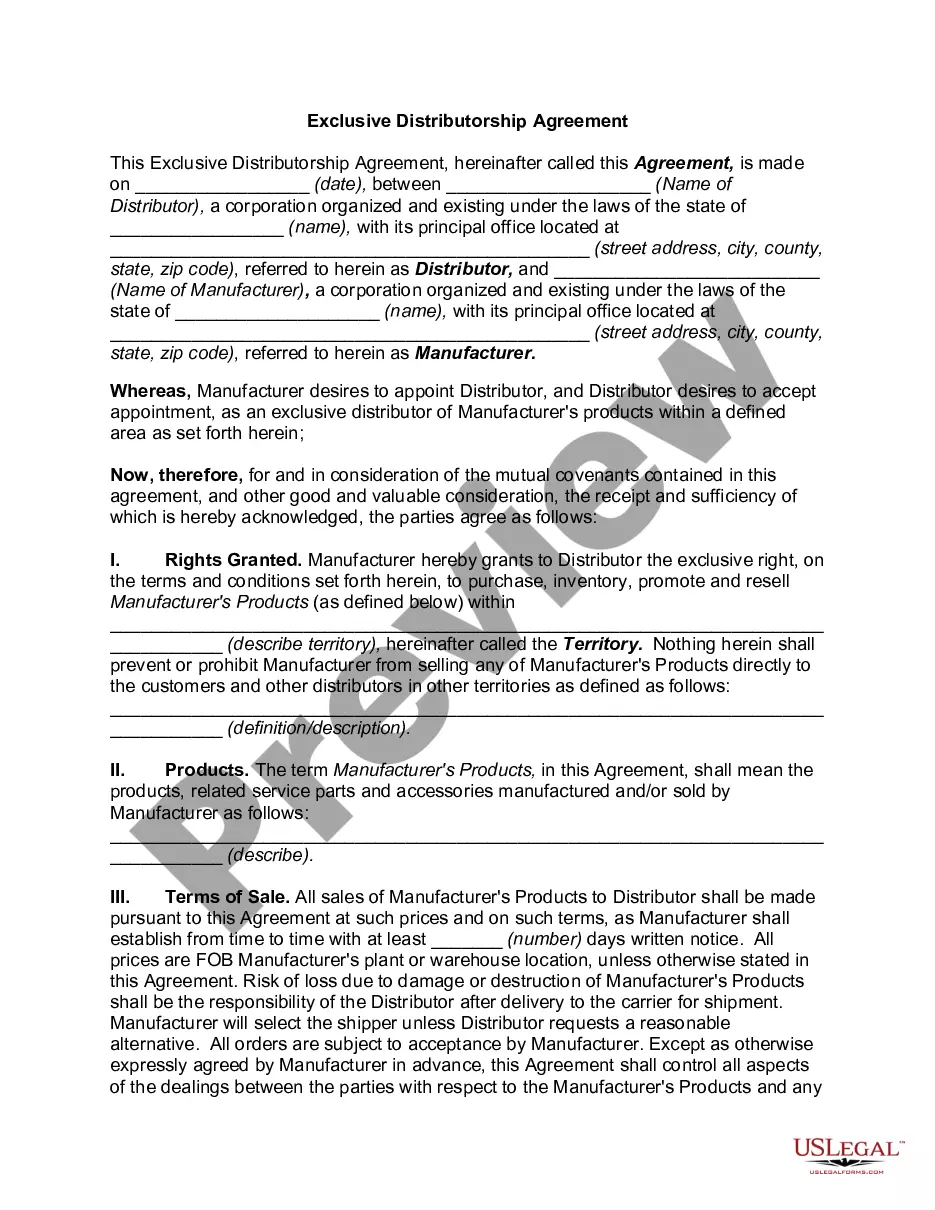
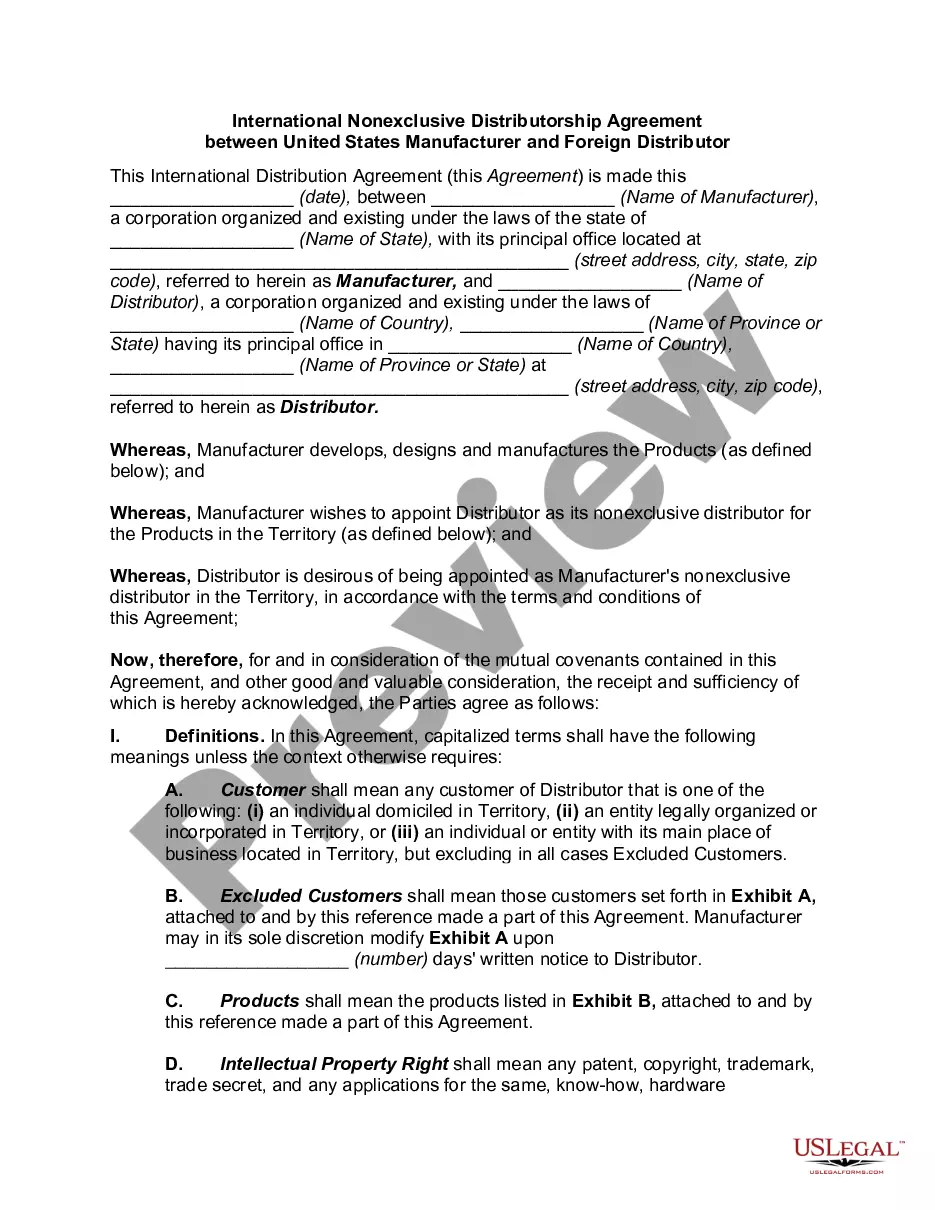
Distributorship Agreement Template With Gst In Ohio
Description

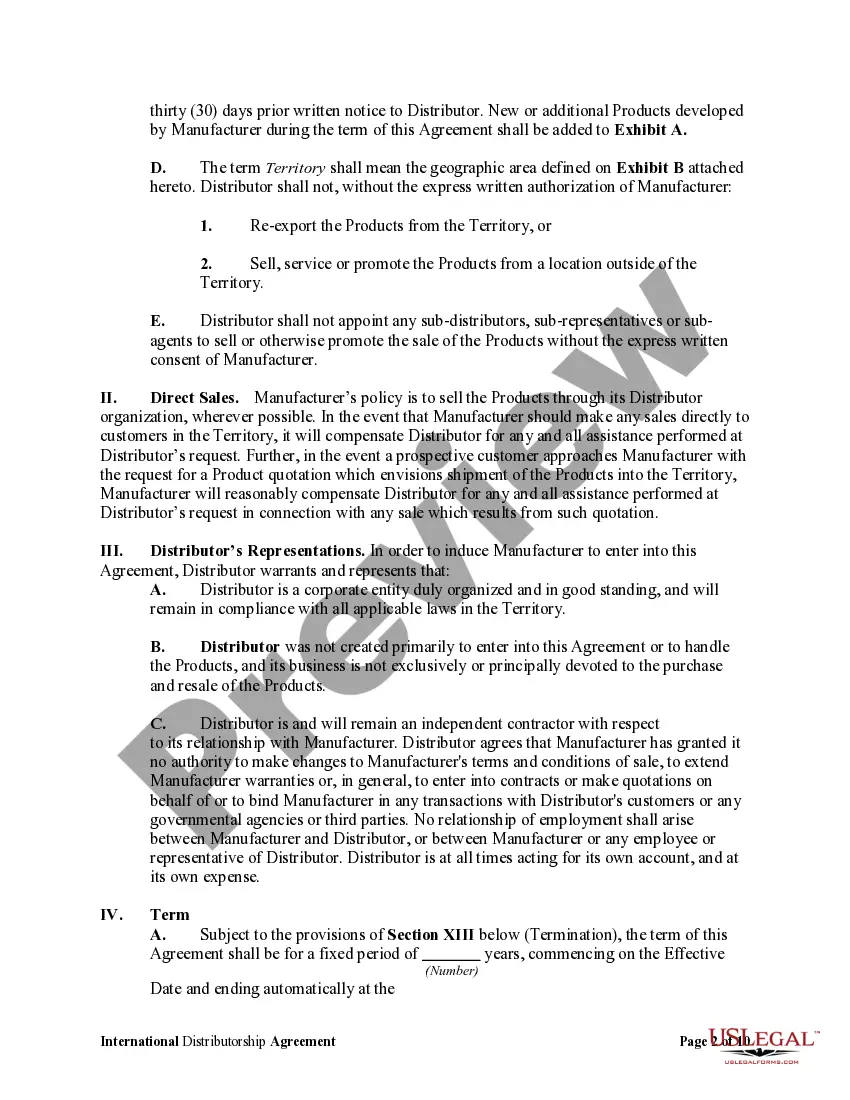
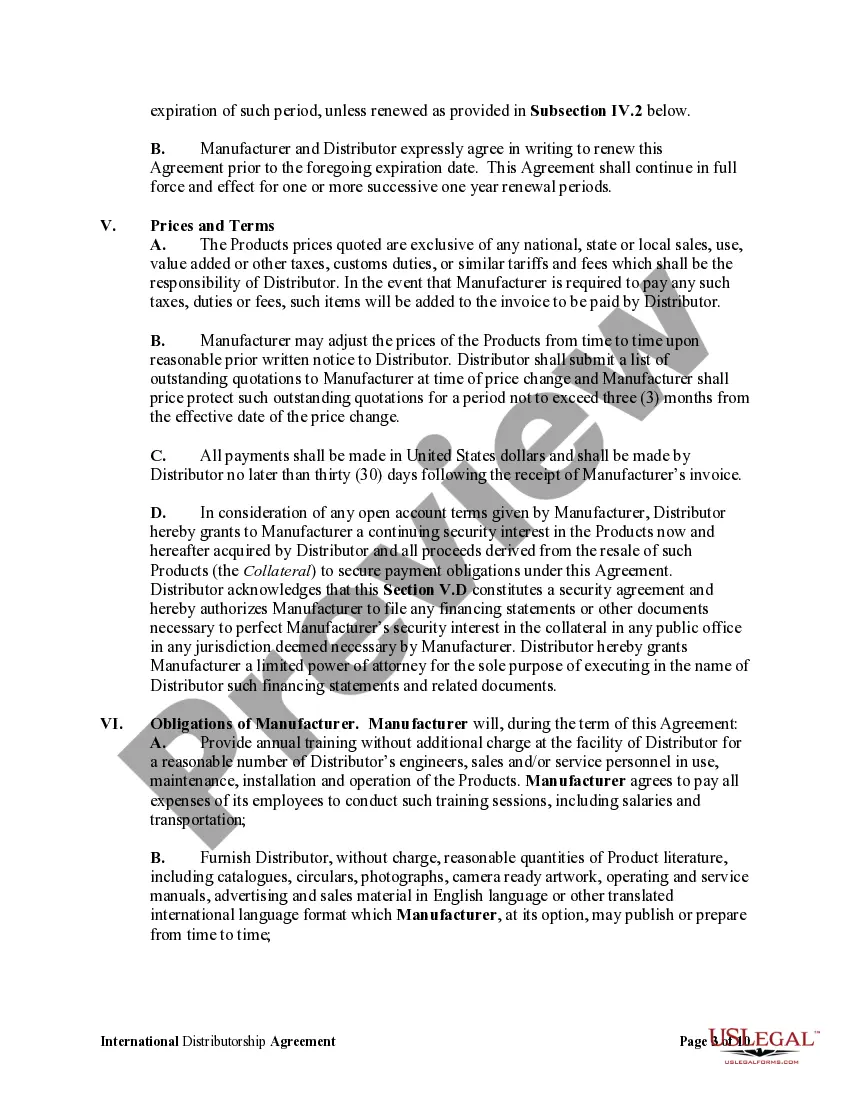
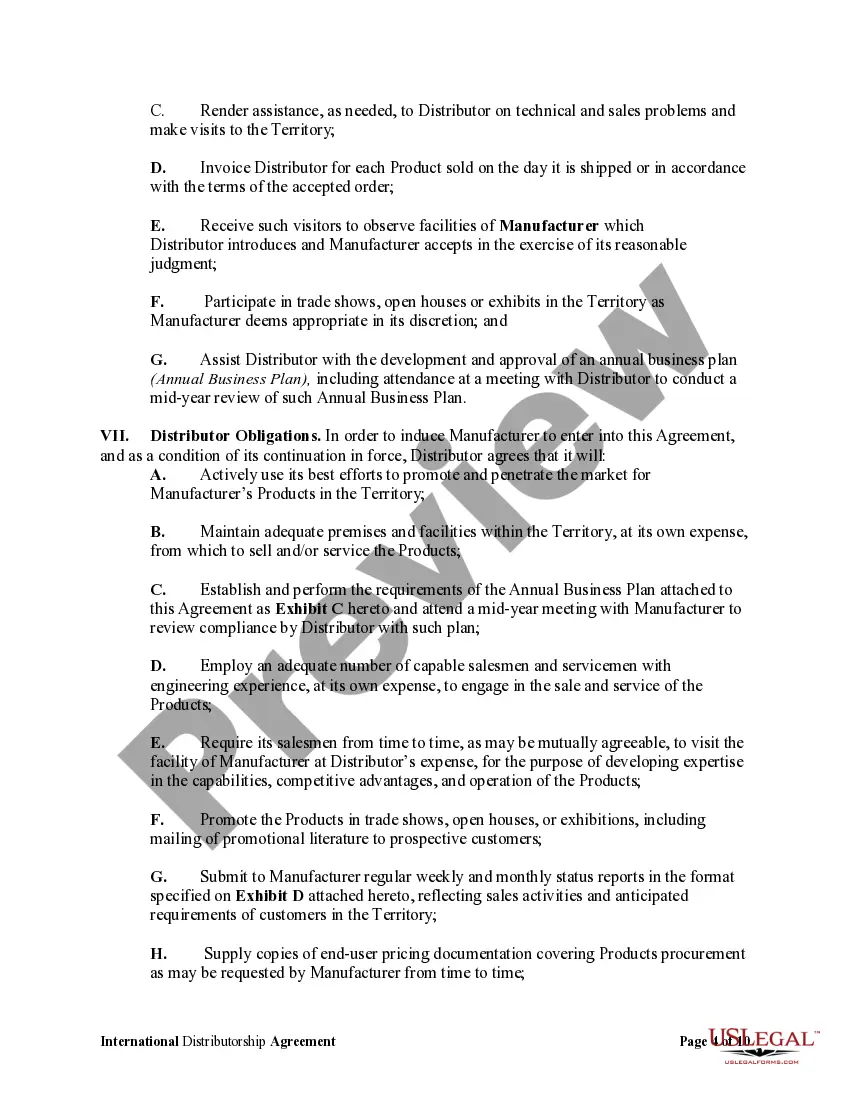
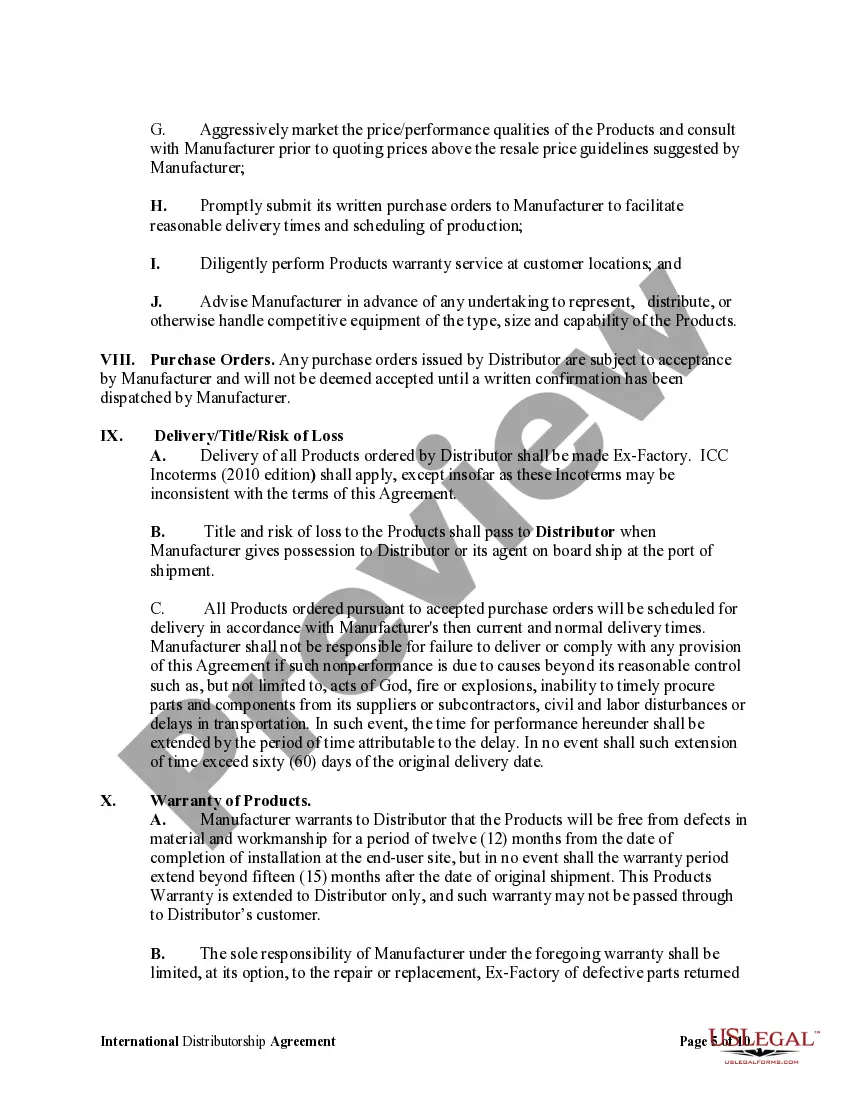
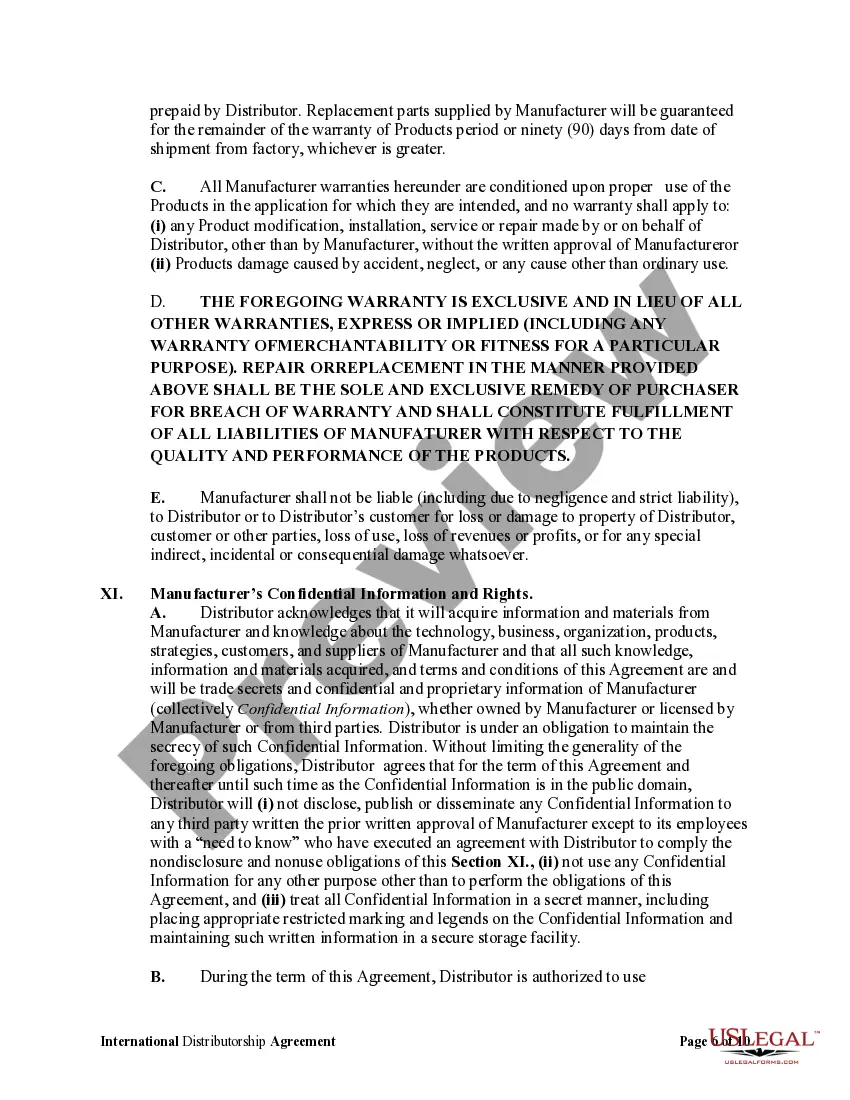
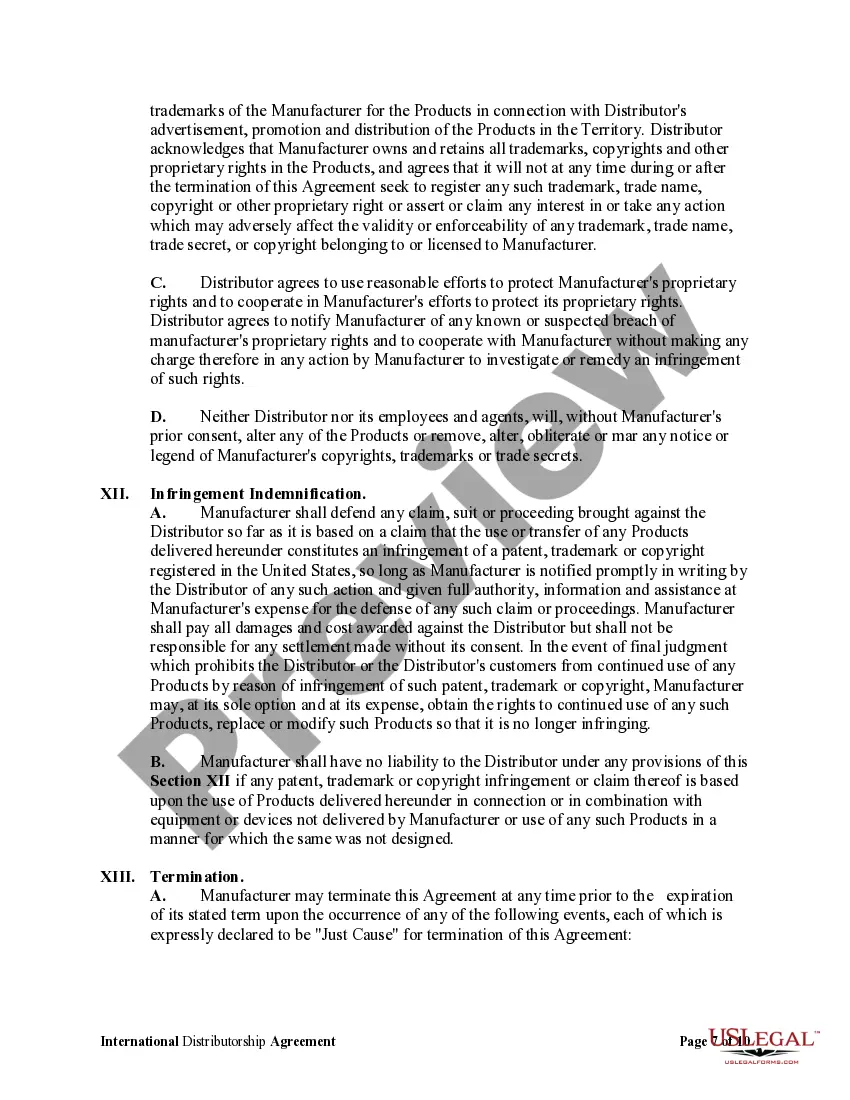
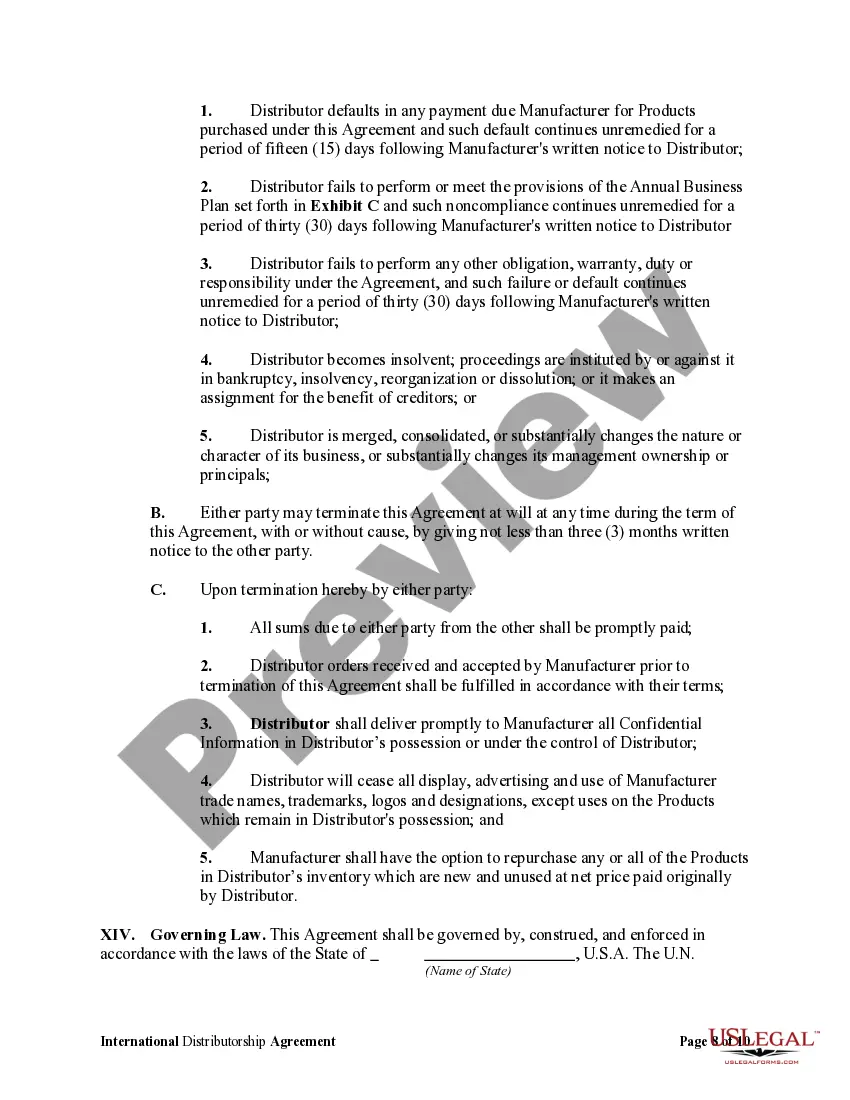
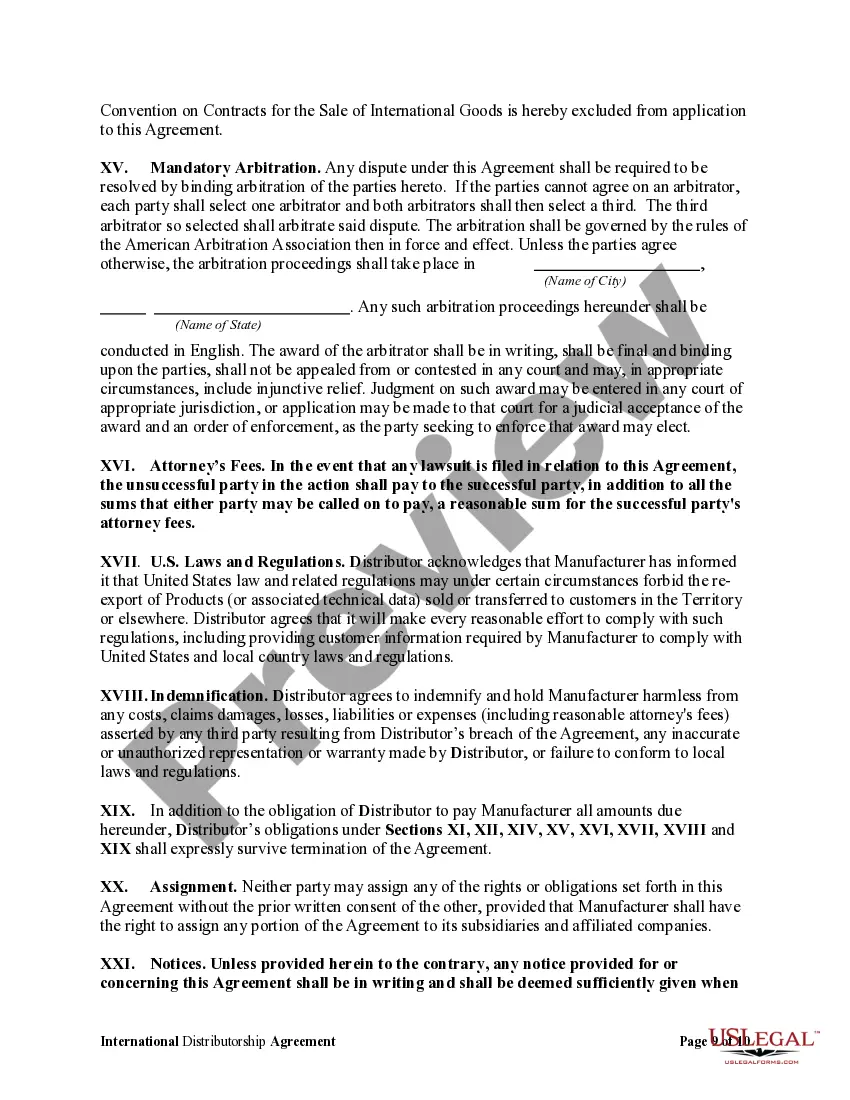
Get your form ready online
Our built-in tools help you complete, sign, share, and store your documents in one place.
Make edits, fill in missing information, and update formatting in US Legal Forms—just like you would in MS Word.
Download a copy, print it, send it by email, or mail it via USPS—whatever works best for your next step.
Sign and collect signatures with our SignNow integration. Send to multiple recipients, set reminders, and more. Go Premium to unlock E-Sign.
If this form requires notarization, complete it online through a secure video call—no need to meet a notary in person or wait for an appointment.
We protect your documents and personal data by following strict security and privacy standards.

Make edits, fill in missing information, and update formatting in US Legal Forms—just like you would in MS Word.

Download a copy, print it, send it by email, or mail it via USPS—whatever works best for your next step.

Sign and collect signatures with our SignNow integration. Send to multiple recipients, set reminders, and more. Go Premium to unlock E-Sign.

If this form requires notarization, complete it online through a secure video call—no need to meet a notary in person or wait for an appointment.

We protect your documents and personal data by following strict security and privacy standards.
Looking for another form?






Form popularity
FAQ
In terms of content, an Estate distribution letter should include: the deceased's personal details; a detailed and complete list of all assets and liabilities; the Beneficiary names and the details of their respective inheritances; any details on debt settlement and creditor communication;
A Standard Clause providing a distributor with the exclusive right to resell products purchased from a manufacturer, producer, or other supplier within a specified geographic territory during the term of the underlying distribution agreement.
The term for Distribution Agreements varies, with terms being anywhere from 5 to 15 years. I try to limit the term as much as possible—especially when there is no advance, or a meager one.
The Default Distributor Agreement is an agreement with each of the retailers on our network that sets out the terms on which each retailer can use the network to supply electricity to its customers.
In Ohio, some professional services are taxable. For instance, though interior design and management consulting are not taxable, IT services and payroll services are.
Tax-exempt goods Some goods are exempt from sales tax under Ohio law. Examples include most non-prepared food items, items purchased with food stamps, and prescription drugs.
Common exemptions from Ohio sales and use tax: Groceries and food sold for off premises consumption. Prescription medicines. Housing related utilities, such as gas, electric, water and steam. Many items used in farming or manufacturing.
Taxable "personal care services" include such services as: Manicures, including the application of polish. The application of artificial nails. Pedicures. Hair removal by any means, including electrolysis, plucking or the application of depilatory products.
After signing into the Gateway, select OH|TAX eServices on your dashboard. From the Sales Tax account panel, select File Now for the UST-1 you choose to file. You will be asked if you have a file to upload for the return, select Yes. Then, click the File Upload button.
Differences between agency and distribution An agent is appointed to negotiate or conclude contracts on the supplier's behalf. A distributor effectively becomes the supplier and contracts are made directly between the distributor and the customer.