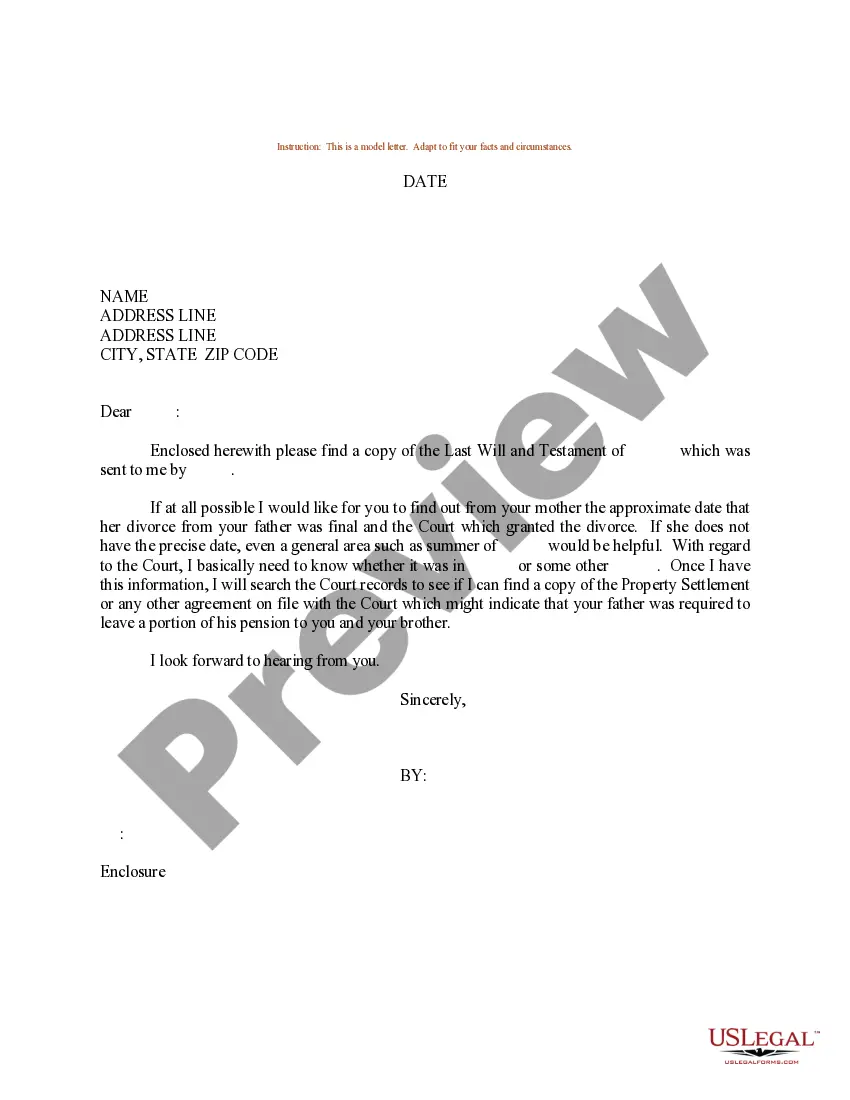
Personal Property Form Insurance In Travis
Description

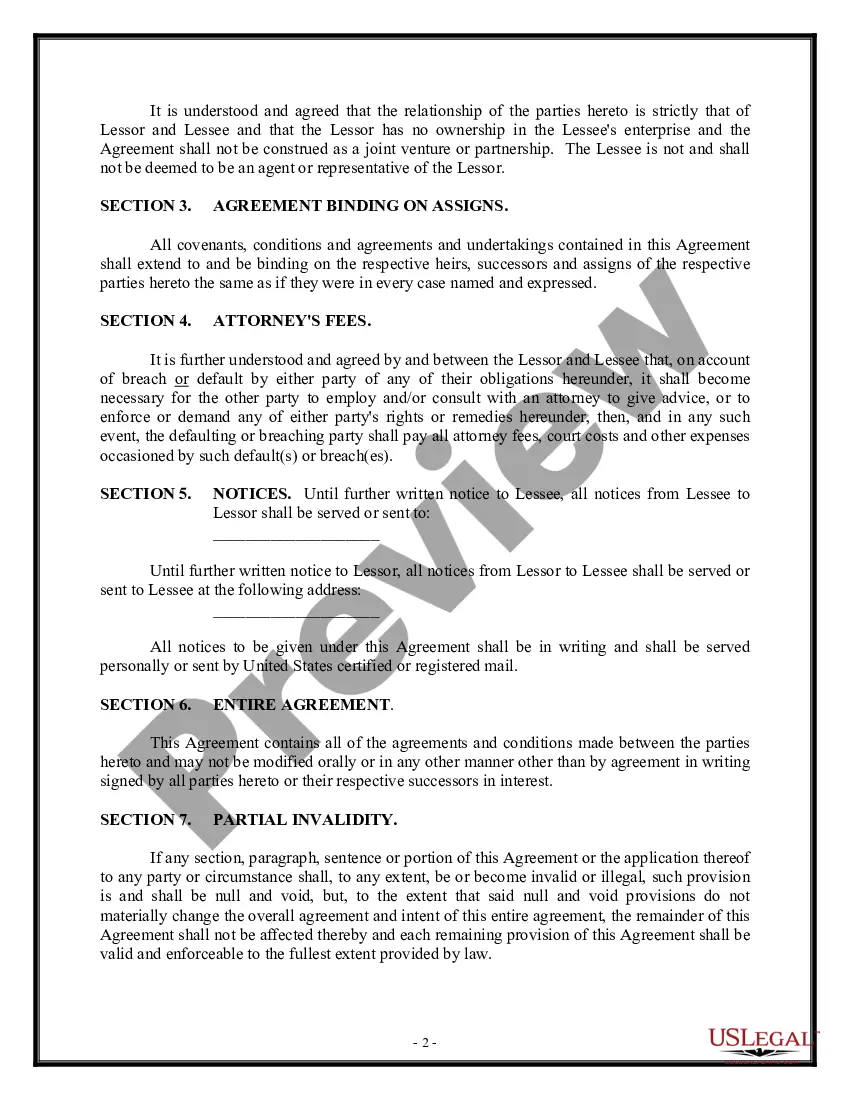
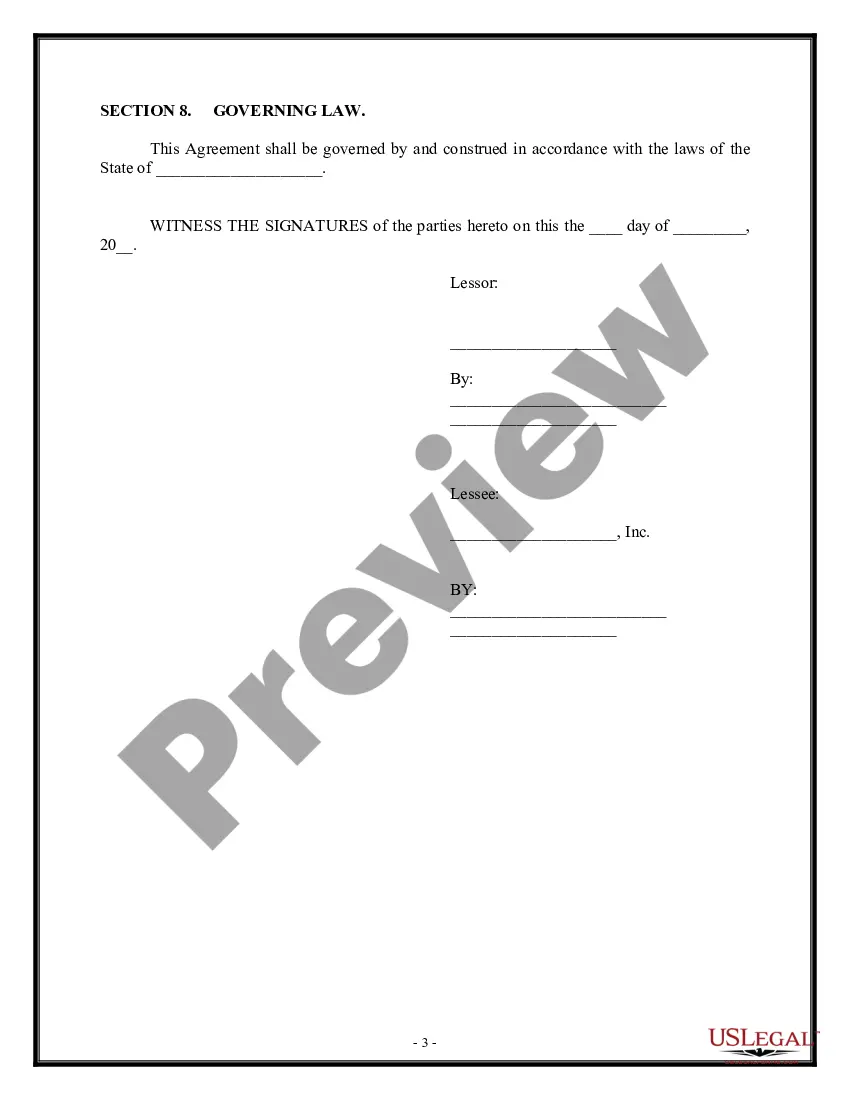
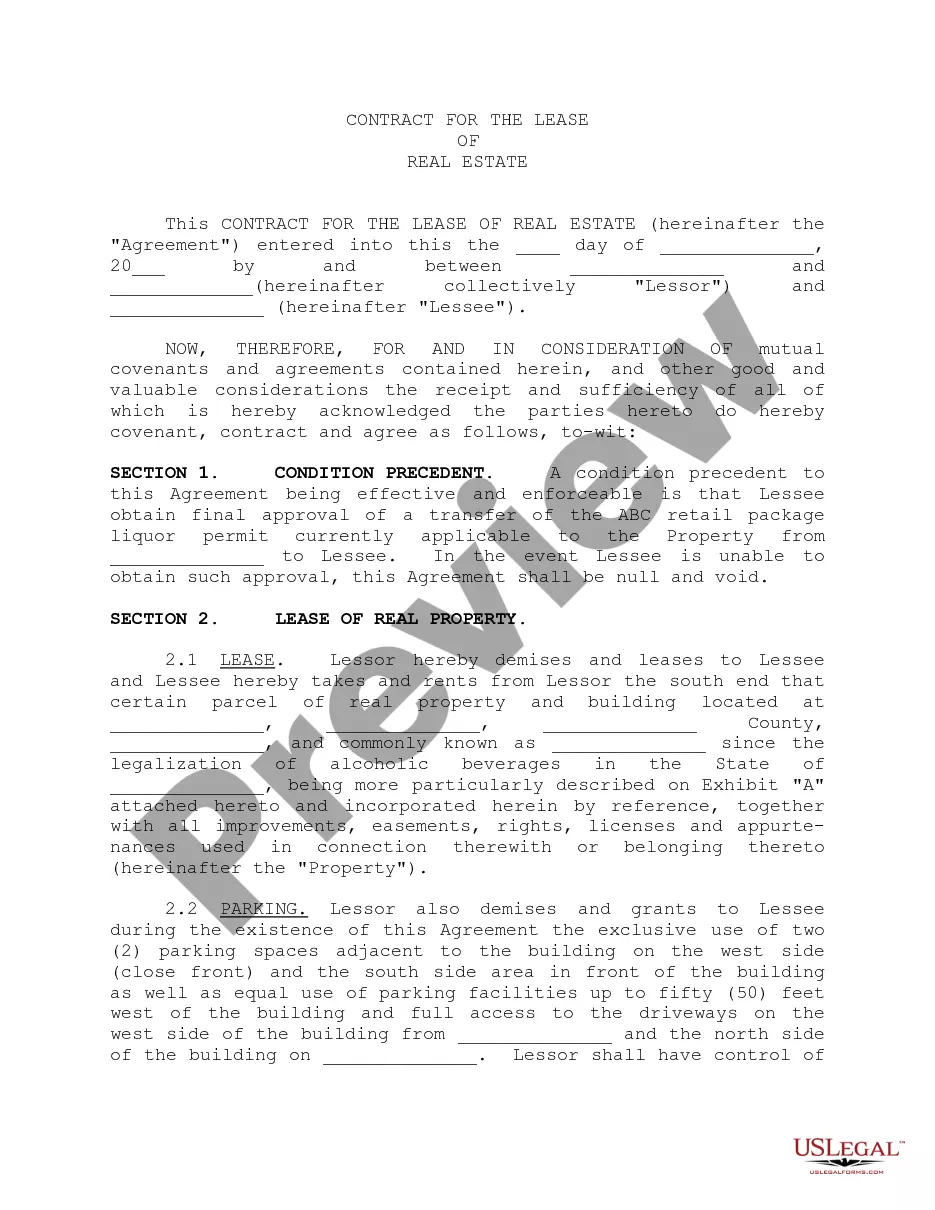
Get your form ready online
Our built-in tools help you complete, sign, share, and store your documents in one place.
Make edits, fill in missing information, and update formatting in US Legal Forms—just like you would in MS Word.
Download a copy, print it, send it by email, or mail it via USPS—whatever works best for your next step.
Sign and collect signatures with our SignNow integration. Send to multiple recipients, set reminders, and more. Go Premium to unlock E-Sign.
If this form requires notarization, complete it online through a secure video call—no need to meet a notary in person or wait for an appointment.
We protect your documents and personal data by following strict security and privacy standards.

Make edits, fill in missing information, and update formatting in US Legal Forms—just like you would in MS Word.

Download a copy, print it, send it by email, or mail it via USPS—whatever works best for your next step.

Sign and collect signatures with our SignNow integration. Send to multiple recipients, set reminders, and more. Go Premium to unlock E-Sign.

If this form requires notarization, complete it online through a secure video call—no need to meet a notary in person or wait for an appointment.

We protect your documents and personal data by following strict security and privacy standards.
Looking for another form?








Form popularity
FAQ
Final answer: A house would not be classified as personal property for insurance purposes. Personal property typically includes movable items. A house is considered real property and requires a separate type of insurance.
The sum of the value of all your items is how much coverage you need. Often, the amount of personal property coverage is determined by using 50% of your dwelling coverage limit. For example, if your dwelling coverage is $400,000, you'll have $200,000 in personal property coverage.
It will insure your personal belongings against loss, accidental damage or theft when you step out the front door and is a valuable addition to your policy for things like: Mobile phones. Watches. Jewellery. Laptops.
Property taxes are based on appraised value. In Texas, all taxable property must be appraised at 100% of the fair market value as of January 1 each year.
Ing to the Texas Comptroller's Office, the following are the counties with the highest property tax rates in Texas: Fort Bend County – 2.48% Tarrant County – 2.37% Harris County – 2.31% Williamson County – 2.22% Collin County – 2.19% Dallas County – 2.18%
One way to find the assessed value of your property is to check your county or local government's website, which lists the assessed property values of real estate in the municipality's taxable area. Checking your assessed value is correct helps you ensure that you're not overpaying in property taxes.
Ing to the Comptroller, there is no provision for the cessation of property taxes at any stage. However, there is a Texas property tax exemption for people over the age of 65, which offers temporary tax relief for seniors. At the age of 65, seniors can apply for an exemption from Texas property taxes.
5 steps to fill out a business personal property rendition quickly and accurately Review your property tax accounts. Take stock of your assets. Select the appropriate business personal property rendition forms. Prepare the personal property renditions. File your business personal property rendition packages.
The State of Texas has jurisdiction to tax personal property if the property is: Located in the state for longer than a temporary period. Temporarily located outside the state and the owner resides in this state. Used continually, whether regularly or irregularly in the state.
Who Must File? Individuals, corporations, partnerships, executors, administrators, guardians, receivers, and trustees that own or hold personal property in trust in the District of Columbia must file a DC personal property tax return.