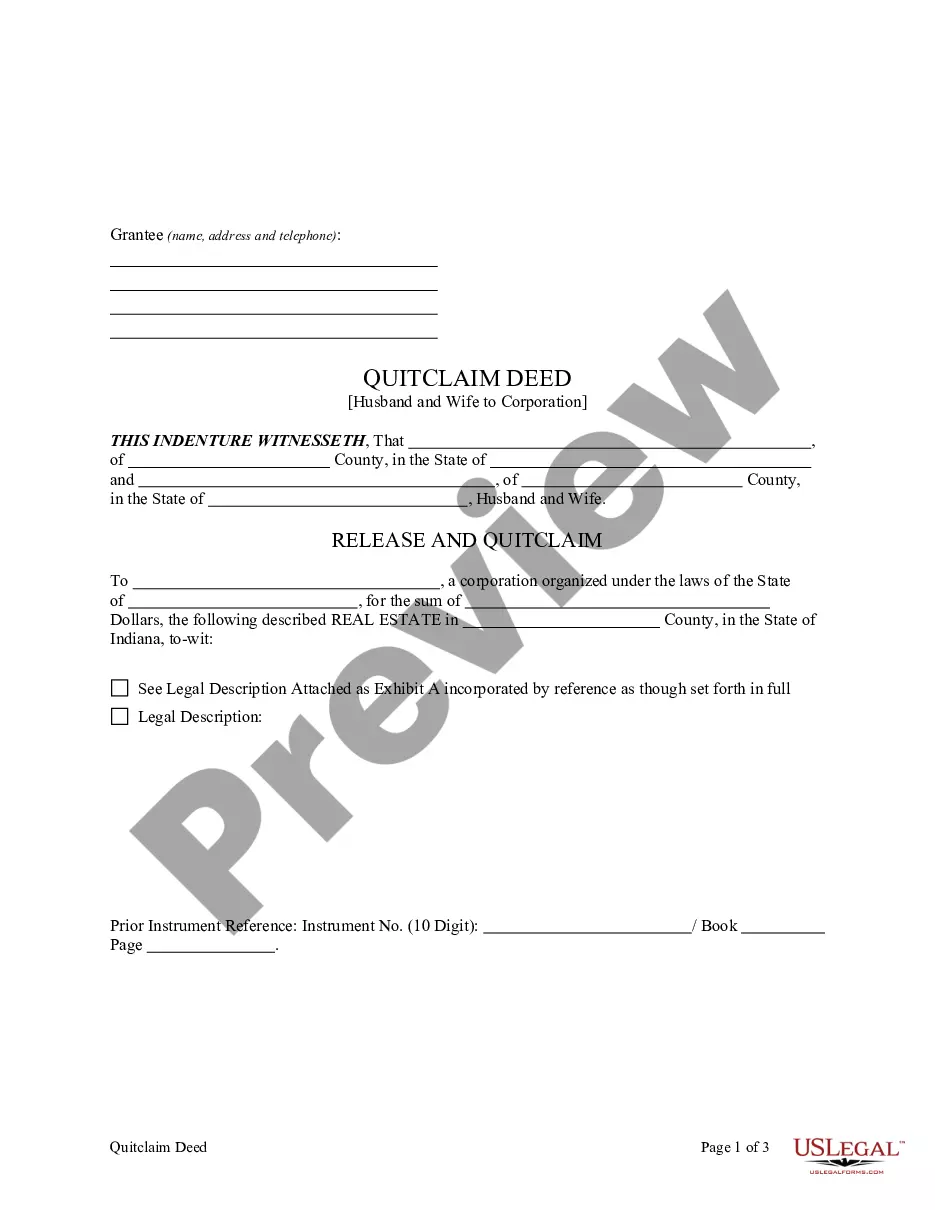
Personal Property Statement With Example In Pennsylvania
Description

Get your form ready online
Our built-in tools help you complete, sign, share, and store your documents in one place.
Make edits, fill in missing information, and update formatting in US Legal Forms—just like you would in MS Word.
Download a copy, print it, send it by email, or mail it via USPS—whatever works best for your next step.
Sign and collect signatures with our SignNow integration. Send to multiple recipients, set reminders, and more. Go Premium to unlock E-Sign.
If this form requires notarization, complete it online through a secure video call—no need to meet a notary in person or wait for an appointment.
We protect your documents and personal data by following strict security and privacy standards.

Make edits, fill in missing information, and update formatting in US Legal Forms—just like you would in MS Word.

Download a copy, print it, send it by email, or mail it via USPS—whatever works best for your next step.

Sign and collect signatures with our SignNow integration. Send to multiple recipients, set reminders, and more. Go Premium to unlock E-Sign.

If this form requires notarization, complete it online through a secure video call—no need to meet a notary in person or wait for an appointment.

We protect your documents and personal data by following strict security and privacy standards.
Looking for another form?








Form popularity
FAQ
However, once a mailbox is properly installed and ready for use, it is effectively considered Federal Property. ing to federal law (Title 18, United States Code, Section 1705), it is “a crime to vandalize mailboxes (or to injure, deface or destroy any mail deposited in them).
Personal Property - Any property other than real estate. The distinguishing factor between personal property and real property is that personal property is movable and not fixed permanently to one location, such as land or buildings.
Types of personal property include: Furniture - Items such as sofas, chairs, tables, and beds that can be easily moved from one location to another. Appliances - Freestanding appliances like refrigerators, washers, dryers, and microwaves that are not built into the home's structure.
Personal property is movable property. It's anything that can be subject to ownership, except land. Real property is immovable property - it's land and anything attached to the land. Normally, a piece of property can be easily classified as either personal property or real property.
What is a Pennsylvania bill of sale? A Pennsylvania bill of sale is a legal document that records the transfer of ownership of personal property between a buyer and a seller. It serves as proof of the transaction and protects the interests of both parties.
“Personal property” means goods and chattels, including fixtures and buildings erected by the tenant and which he has the right to remove, agricultural crops, whether harvested or growing, and livestock and poultry.
Examples of tangible personal property include vehicles, furniture, boats, and collectibles. Digital assets, patents, and intellectual property are intangible personal property. Just as some loans—mortgages, for example—are secured by real property like a house, some loans are secured by personal property.
Real property is land and anything attached to it, while personal property refers to movable items. For example, a house on a plot of land is real property, while the furniture inside is personal property.
“Personal property” means goods and chattels, including fixtures and buildings erected by the tenant and which he has the right to remove, agricultural crops, whether harvested or growing, and livestock and poultry.
A personal property rendition is a report that lists all business assets (personal property) that are subject to personal property tax, which is typically all tangible personal property unless a specific exemption applies.