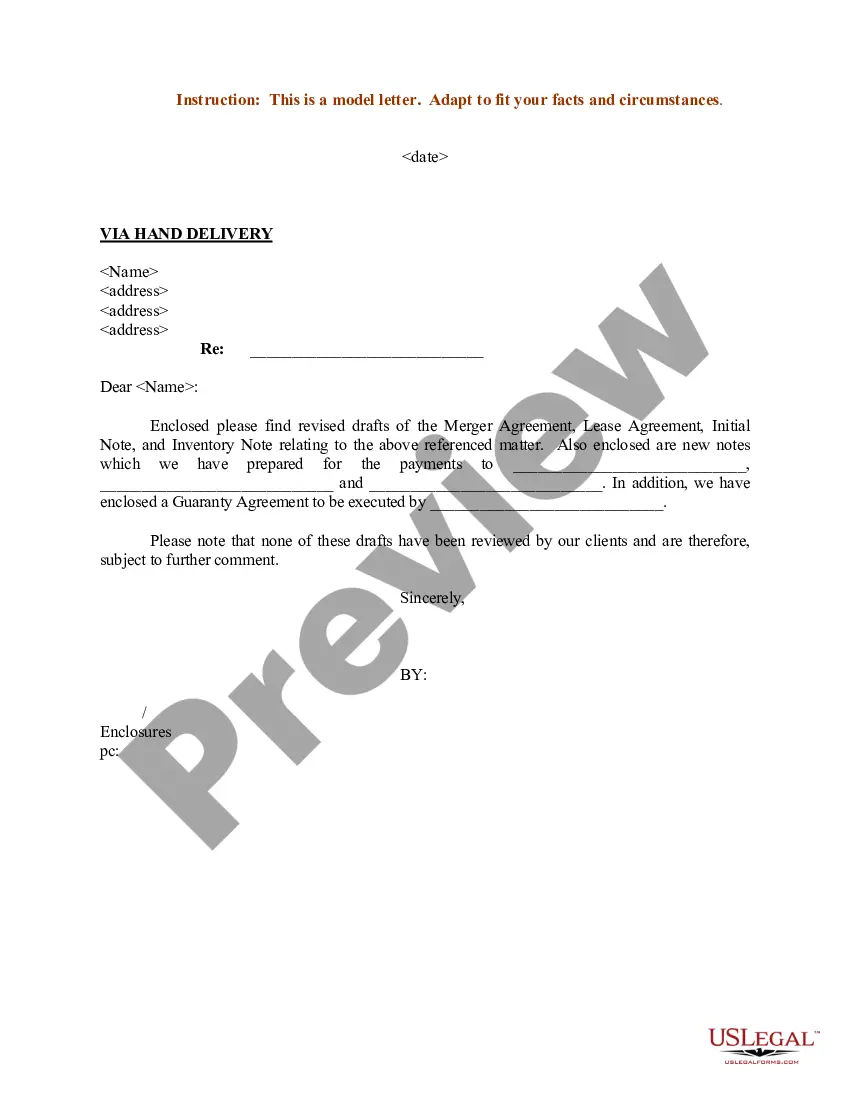
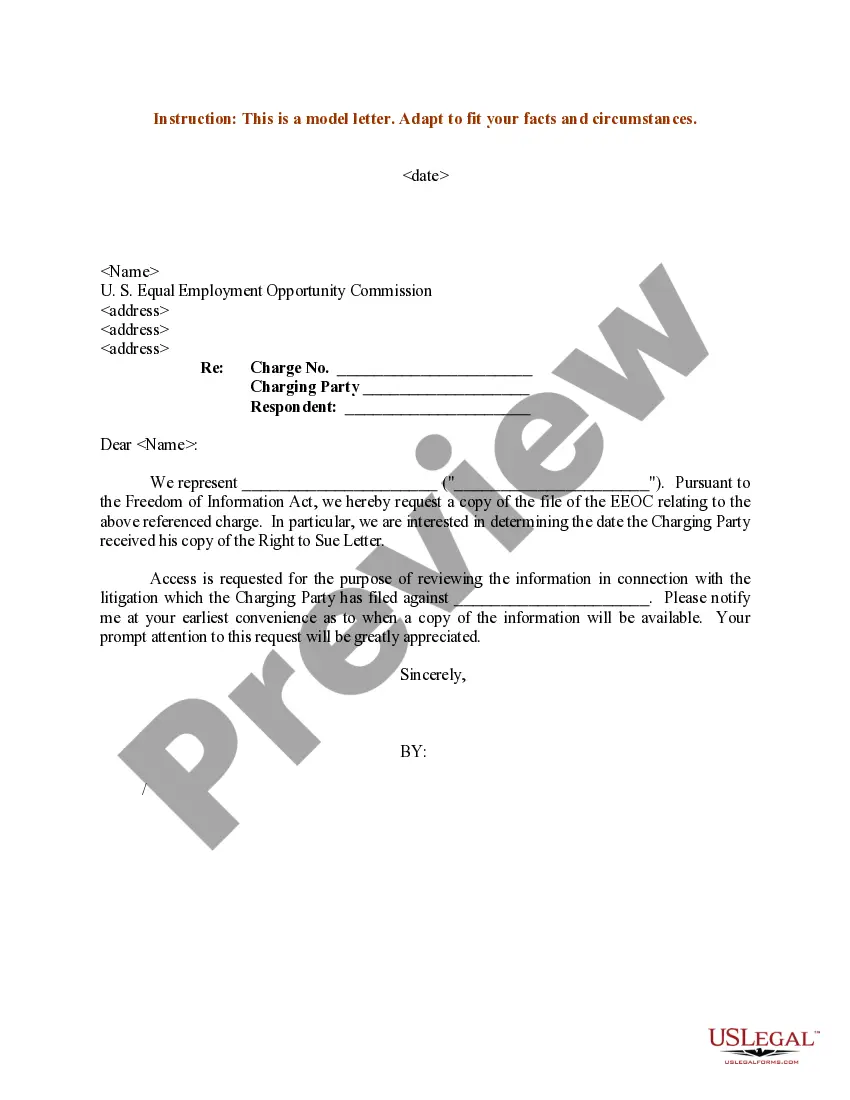
Private Property With Examples In Clark
Description

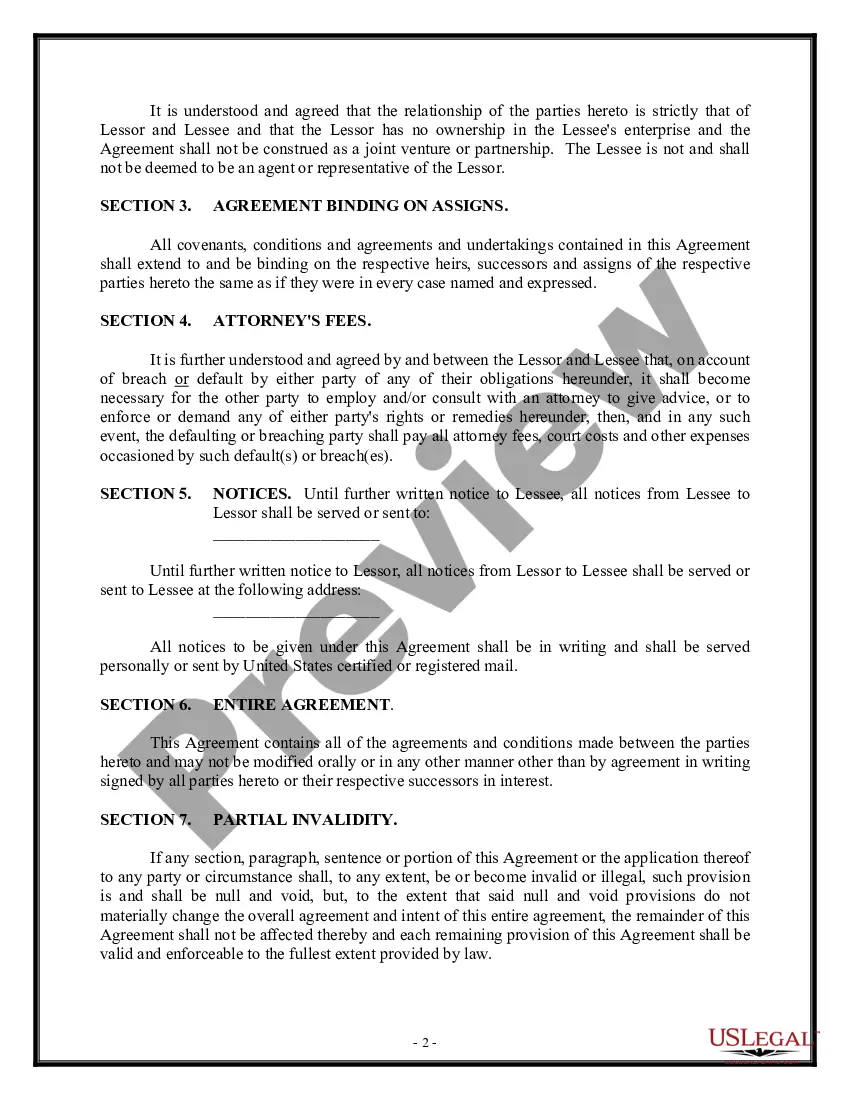
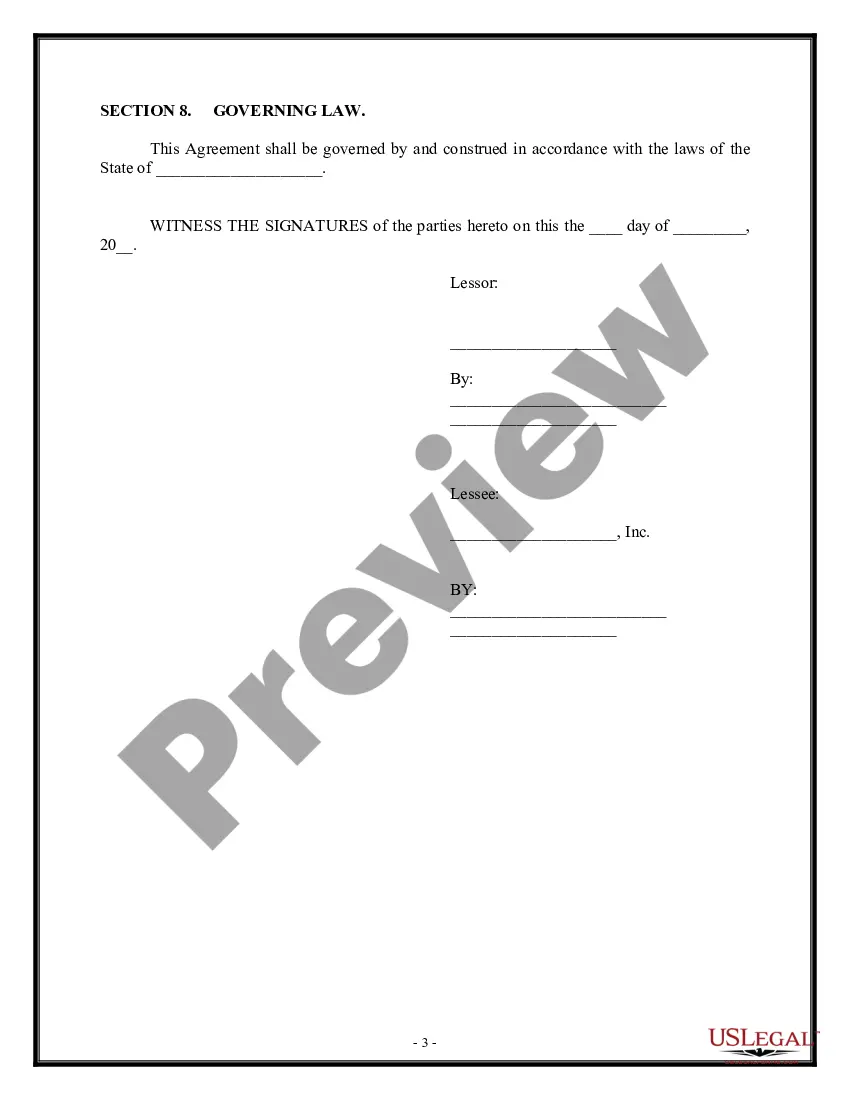
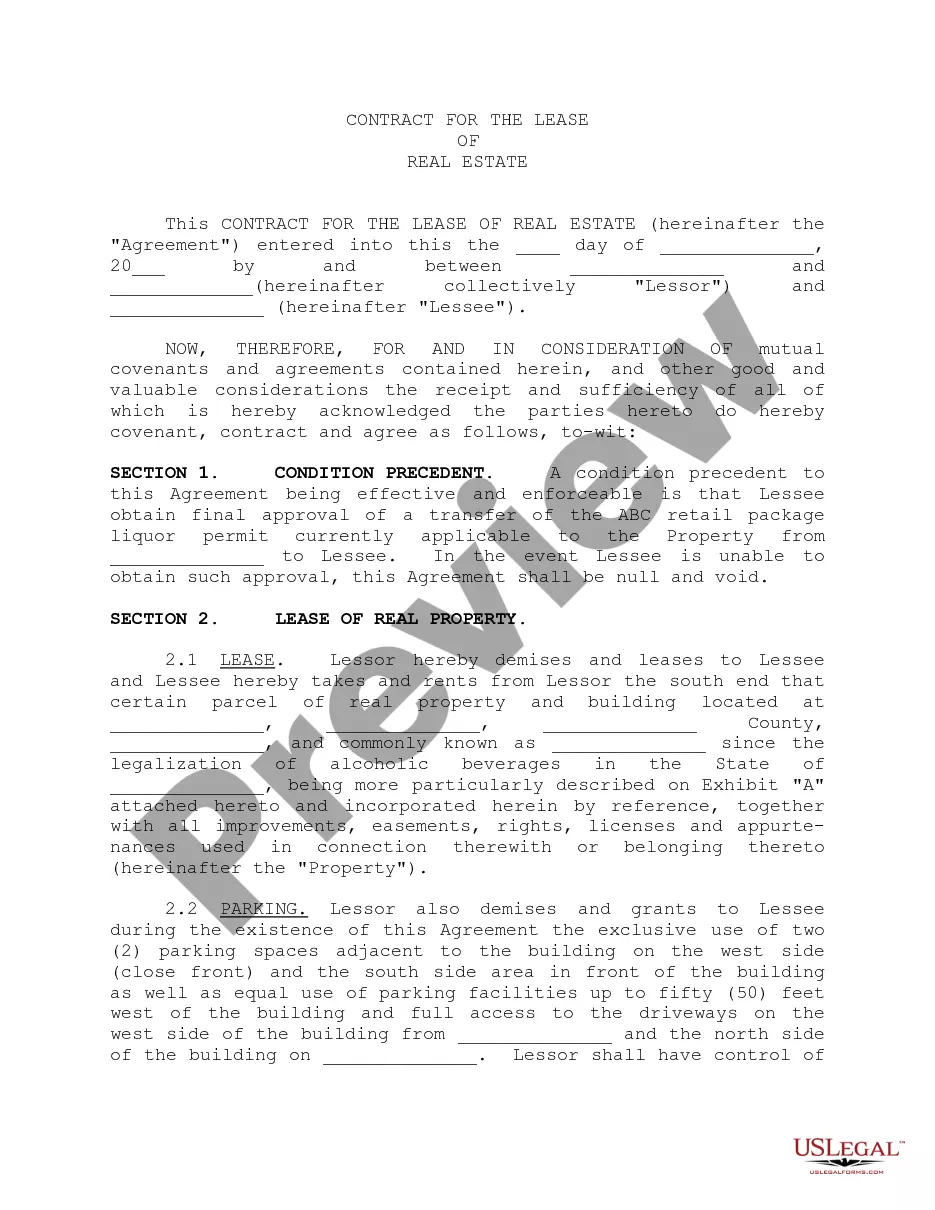
Get your form ready online
Our built-in tools help you complete, sign, share, and store your documents in one place.
Make edits, fill in missing information, and update formatting in US Legal Forms—just like you would in MS Word.
Download a copy, print it, send it by email, or mail it via USPS—whatever works best for your next step.
Sign and collect signatures with our SignNow integration. Send to multiple recipients, set reminders, and more. Go Premium to unlock E-Sign.
If this form requires notarization, complete it online through a secure video call—no need to meet a notary in person or wait for an appointment.
We protect your documents and personal data by following strict security and privacy standards.

Make edits, fill in missing information, and update formatting in US Legal Forms—just like you would in MS Word.

Download a copy, print it, send it by email, or mail it via USPS—whatever works best for your next step.

Sign and collect signatures with our SignNow integration. Send to multiple recipients, set reminders, and more. Go Premium to unlock E-Sign.

If this form requires notarization, complete it online through a secure video call—no need to meet a notary in person or wait for an appointment.

We protect your documents and personal data by following strict security and privacy standards.
Looking for another form?









Form popularity
FAQ
When a variable is "private", it means that the value of the variable can only be accessed from inside the class the variable is declared in. You cannot directly access or change the value of the value from outside the class.
Getter and setter functions are used to access and modify the private members of a class. As the name suggests, the getter functions return the data members, and the setter functions are used to 'set' or modify the data members.
We have used the getter and setter method to access the private variables. Here, the setter methods setAge() and setName() initializes the private variables. the getter methods getAge() and getName() returns the value of private variables.
Similarly, in Java a private instance variable can only be accessed by code in the class that declares the variable. Instance variables are declared right after the class declaration. They usually start with private then the type of the variable and then a name for the variable.
If we want to access Private Field and method using Reflection we just need to call setAccessible(true) on the field or method object which you want to access. Class. getDeclaredField(String fieldName) or Class. getDeclaredFields() can be used to get private fields.
Legal Principles and Property Law The Fifth Amendment specifies that the government cannot seize private property for public use without providing fair compensation. Additionally, the Fourteenth Amendment states, “nor shall any State deprive any person of life, liberty, or property, without due process of law.”
Private property may consist of real estate, buildings, objects, intellectual property (copyright, patent, trademark, and trade secrets).
Thus, the three basic elements of private property are (1) exclusivity of rights to choose the use of a resource, (2) exclusivity of rights to the services of a resource, and (3) rights to exchange the resource at mutually agreeable terms.
Private property refers to things that belong to people or businesses, not the government. This can include land, buildings, things like cars or furniture, and ideas that people come up with. When someone owns private property, they can choose to sell it or give it away to someone else.