Summaries - Underlying Evidence Admitted (title revised 2013)
Overview of this form
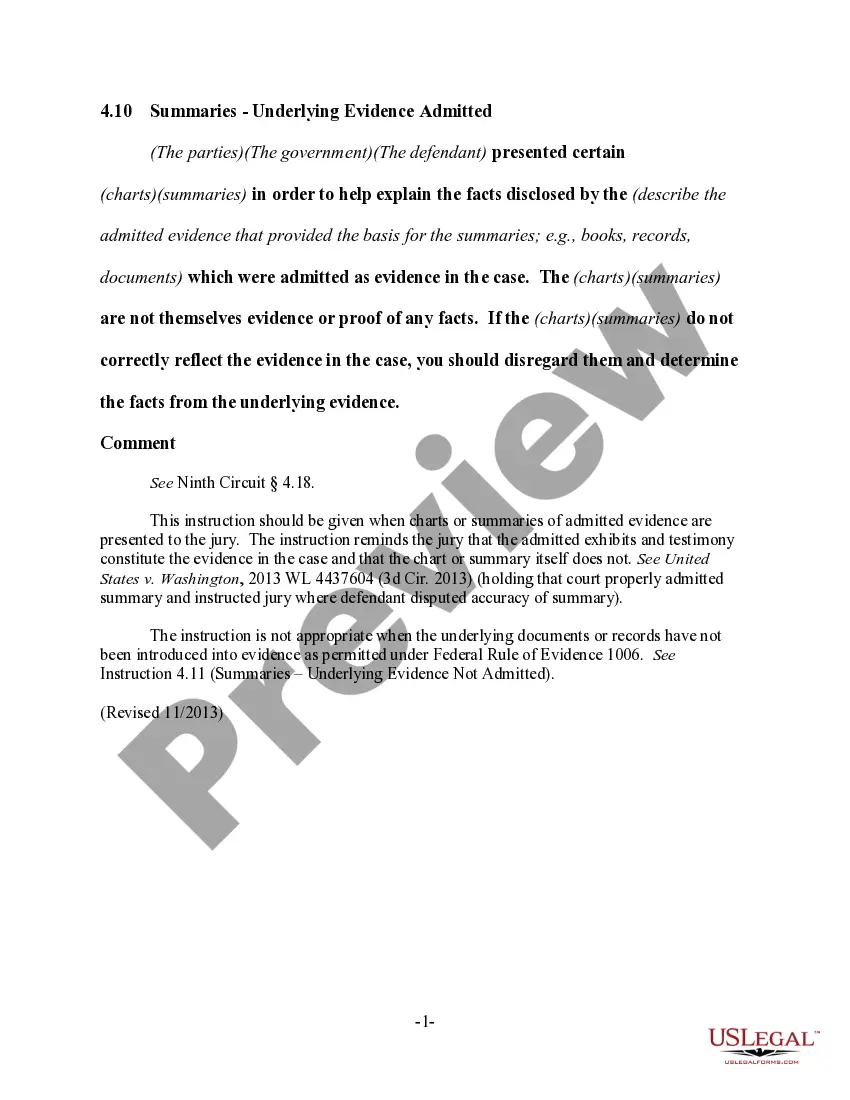
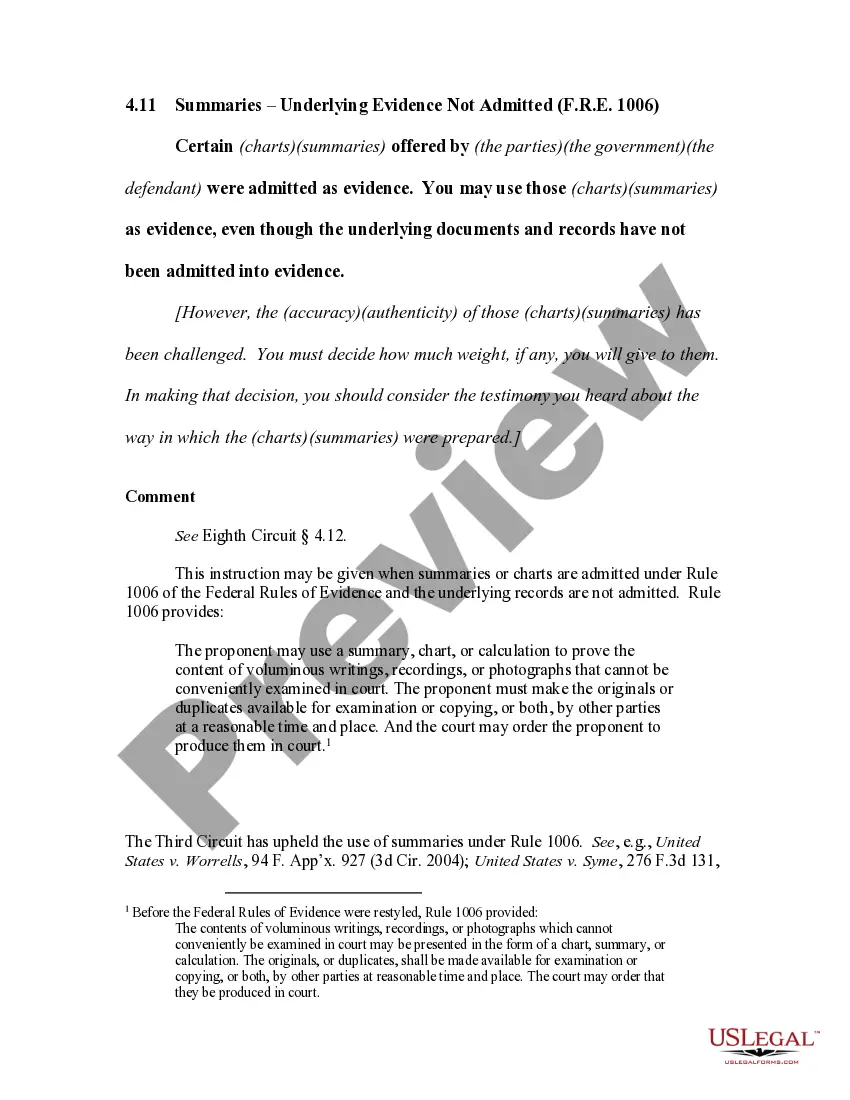
The Summaries - Underlying Evidence Admitted form is used in legal proceedings to instruct juries on the use of charts or summaries that illustrate admitted evidence. This form clarifies that while these tools can help in understanding the evidence presented, they are not in themselves evidence or proof of facts. Unlike other evidence forms, this instruction emphasizes that the jury must rely on the original admitted evidence when making determinations in a case.
Form components explained
- Instruction on the distinction between summaries and actual evidence.
- Clarification on which evidence the summaries are based.
- Guidance on how to evaluate the summaries in the context of the admitted evidence.
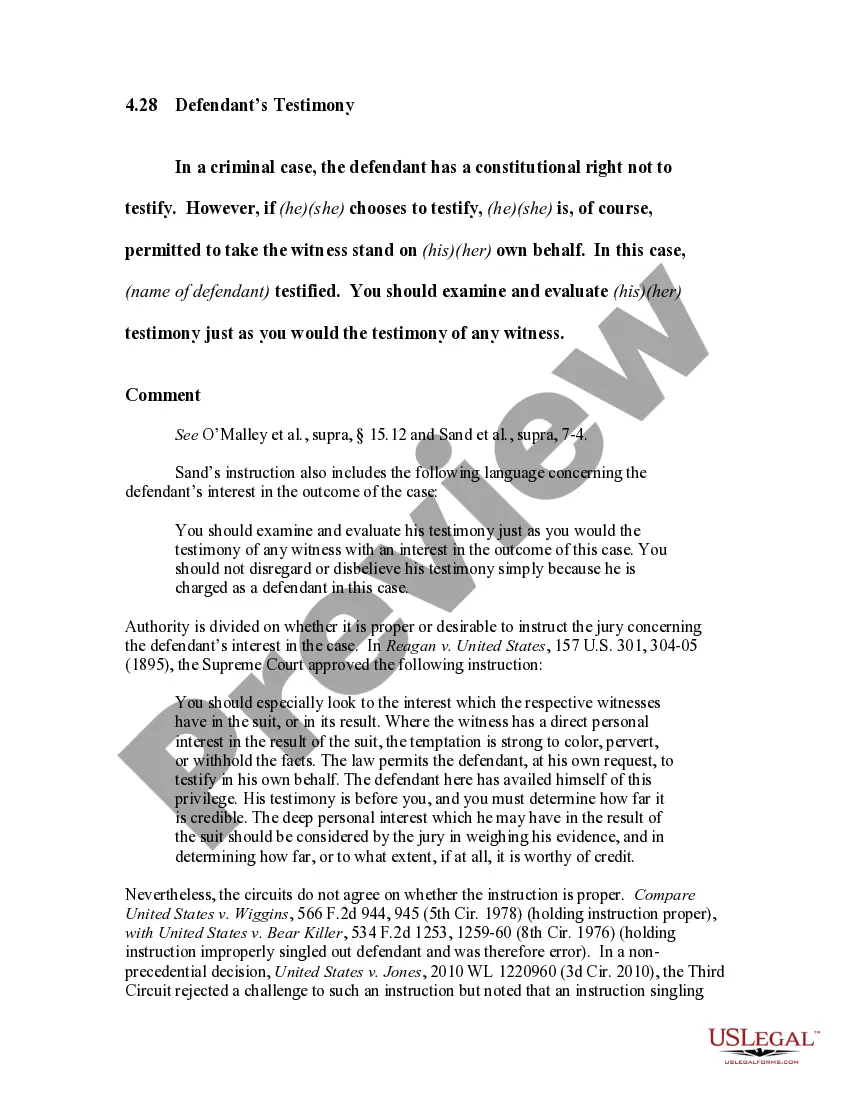
- Reference to applicable legal standards and cases.
Situations where this form applies
This form is necessary when presenting charts or summaries in a jury trial where the underlying evidence has already been admitted. It serves to inform jurors that these summaries are simply tools to facilitate understanding and should not be treated as standalone evidence.
Who can use this document
- Attorneys representing defendants in criminal cases.
- Prosecutors presenting evidence in court.
- Legal professionals preparing jury instructions for trial.
Instructions for completing this form
- Identify the parties involved in the case.
- Describe the underlying evidence that has been admitted into the trial.
- Specify what the charts or summaries are intended to illustrate.
- Clearly instruct the jury on how to interpret the evidence in relation to the summaries presented.
Notarization guidance
In most cases, this form does not require notarization. However, some jurisdictions or signing circumstances might. US Legal Forms offers online notarization powered by Notarize, accessible 24/7 for a quick, remote process.
Get your form ready online
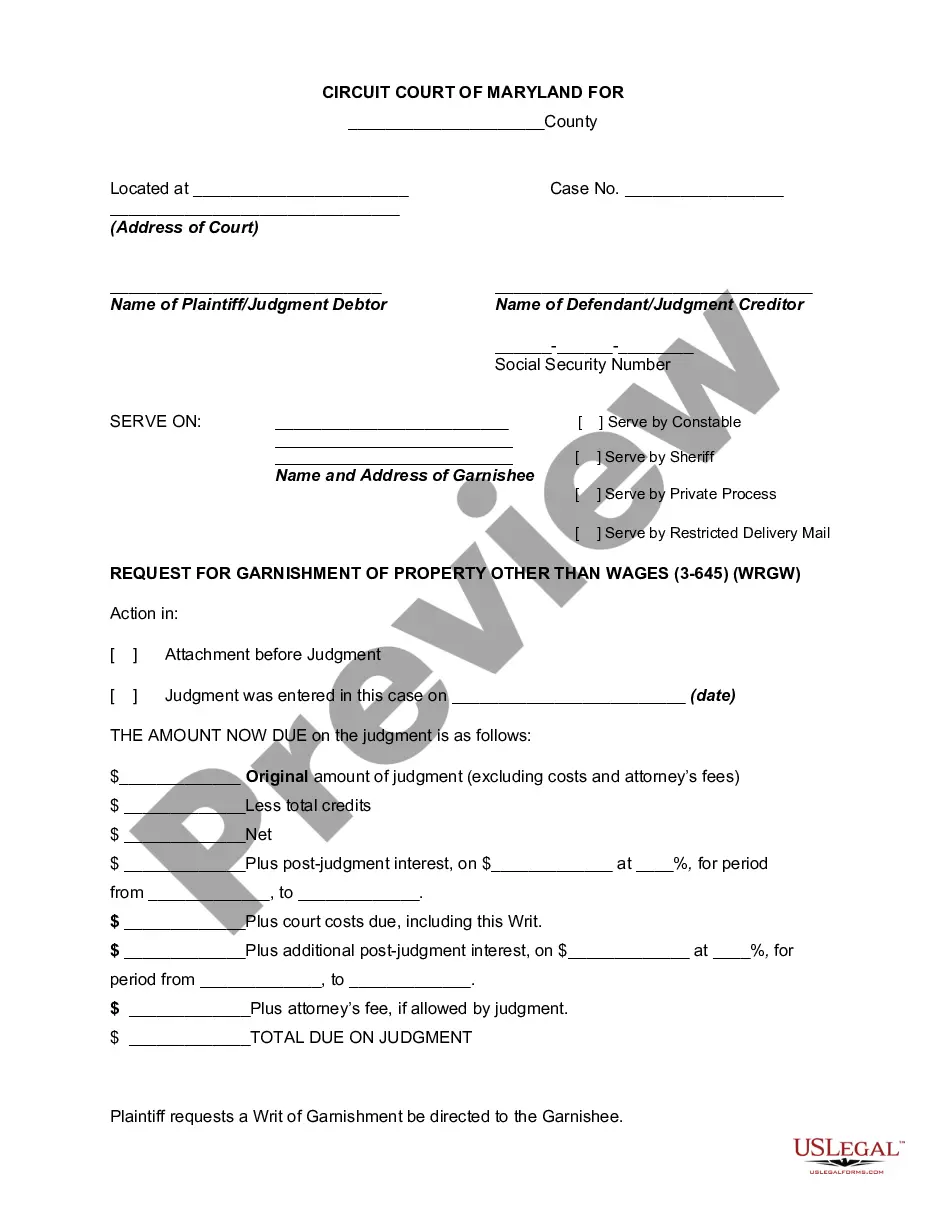
Our built-in tools help you complete, sign, share, and store your documents in one place.
Make edits, fill in missing information, and update formatting in US Legal Forms—just like you would in MS Word.
Download a copy, print it, send it by email, or mail it via USPS—whatever works best for your next step.
Sign and collect signatures with our SignNow integration. Send to multiple recipients, set reminders, and more. Go Premium to unlock E-Sign.
If this form requires notarization, complete it online through a secure video call—no need to meet a notary in person or wait for an appointment.
We protect your documents and personal data by following strict security and privacy standards.

Make edits, fill in missing information, and update formatting in US Legal Forms—just like you would in MS Word.

Download a copy, print it, send it by email, or mail it via USPS—whatever works best for your next step.

Sign and collect signatures with our SignNow integration. Send to multiple recipients, set reminders, and more. Go Premium to unlock E-Sign.

If this form requires notarization, complete it online through a secure video call—no need to meet a notary in person or wait for an appointment.

We protect your documents and personal data by following strict security and privacy standards.
Typical mistakes to avoid
- Failing to accurately describe the underlying evidence.
- Presenting summaries without the necessary underlying documents being admitted first.
- Misleading jurors by implying that the summaries are considered evidence.
Why use this form online
- Easy access to standardized legal language.
- Editable formats that allow for customization to fit case-specific needs.
- Secure and reliable, reducing the risk of missing important legal requirements.
Legal use & context
- This form is based on established guidelines for jury instructions, ensuring clarity on the nature of summaries.
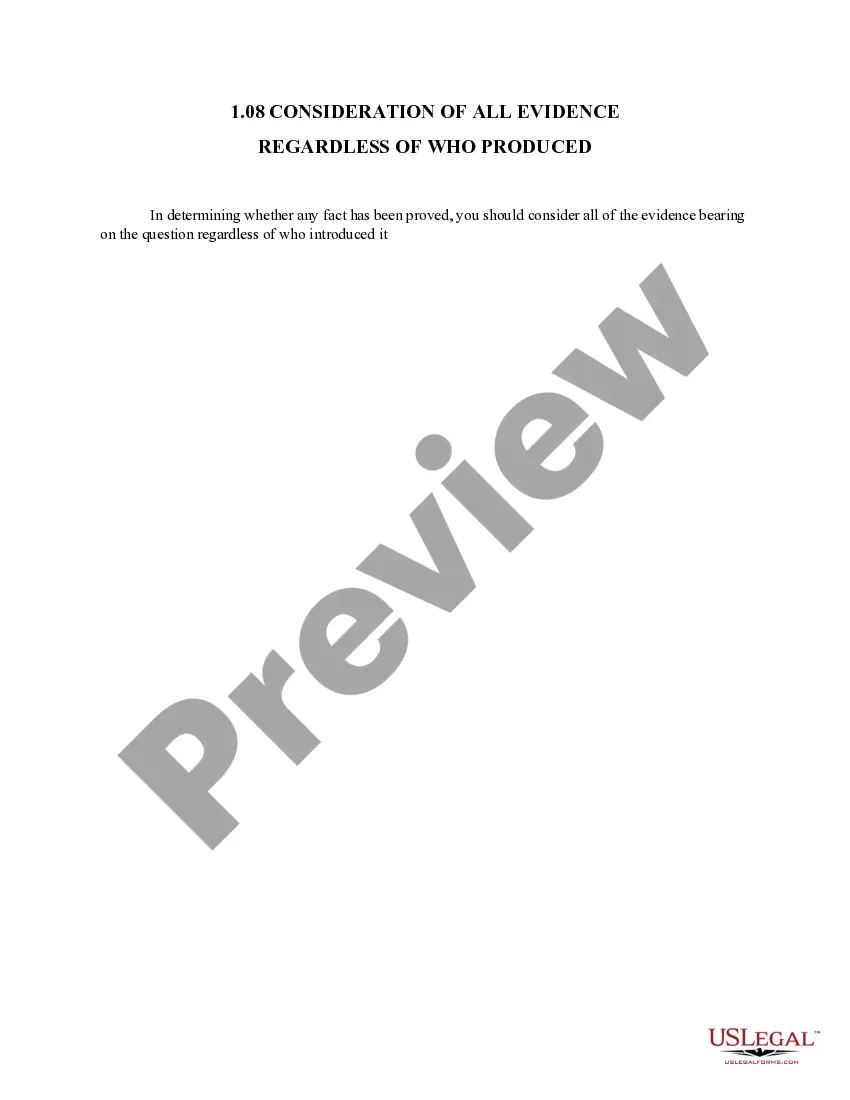
- It supports the legal principle that juries must rely on actual evidence when making decisions.
- Use of this form helps align with federal rules of evidence regarding the admissibility of summaries.
Looking for another form?


Form popularity
FAQ
Rule of Evidence 1006: Reasons to Summarize Your Evidence Texas Rule of Evidence 1006 allows parties to use summaries, charts, and calculations to prove the content of voluminous writings, recordings, or photographs that cannot be conveniently examined in court, and which are otherwise admissible.
The purpose of the so-called ?witness rule? ? which actually refers to the Texas Rules of Evidence: Rule 614 Exclusion of Witnesses ? is to ensure that witnesses testify only about things that they have actual knowledge.
Rule 405. (a) (1) Methods of Proving Character By Reputation or Opinion. (2) In General. When evidence of a person's character or character trait is admissible, it may be proved by testimony about the person's reputation or by testimony in the form of an opinion.
803(6) allows the court to exclude business records that would otherwise qualify for exception to the hearsay rule if neither the ?source of information nor other circumstances indicate lack of trustworthiness.? The Federal Rule allows the court to do so only if neither either ?the source of information nor or
TEX. R. EvID. 803(6) allows admission of the records of regularly conducted activities as an exception to the hearsay rule when certain prerequisites are "shown by the testimony of the custodian or other qualified witness. " Id.
Rule 803(16) provides a hearsay exception for ?ancient documents.? If a document is more than 20 years old and appears authentic, it is admissible for the truth of its contents.
(f) Notice. Evidence of a witness's conviction is not admissible under this rule if, after receiving from the adverse party a timely written request specifying the witness, the proponent of the conviction fails to provide sufficient written notice of intent to use the conviction.
Rule 104 - Preliminary Questions (a) In General. The court must decide any preliminary question about whether a witness is qualified, a privilege exists, or evidence is admissible. In so deciding, the court is not bound by evidence rules, except those on privilege.