Arrendamiento Bienes Forma In Suffolk
Description

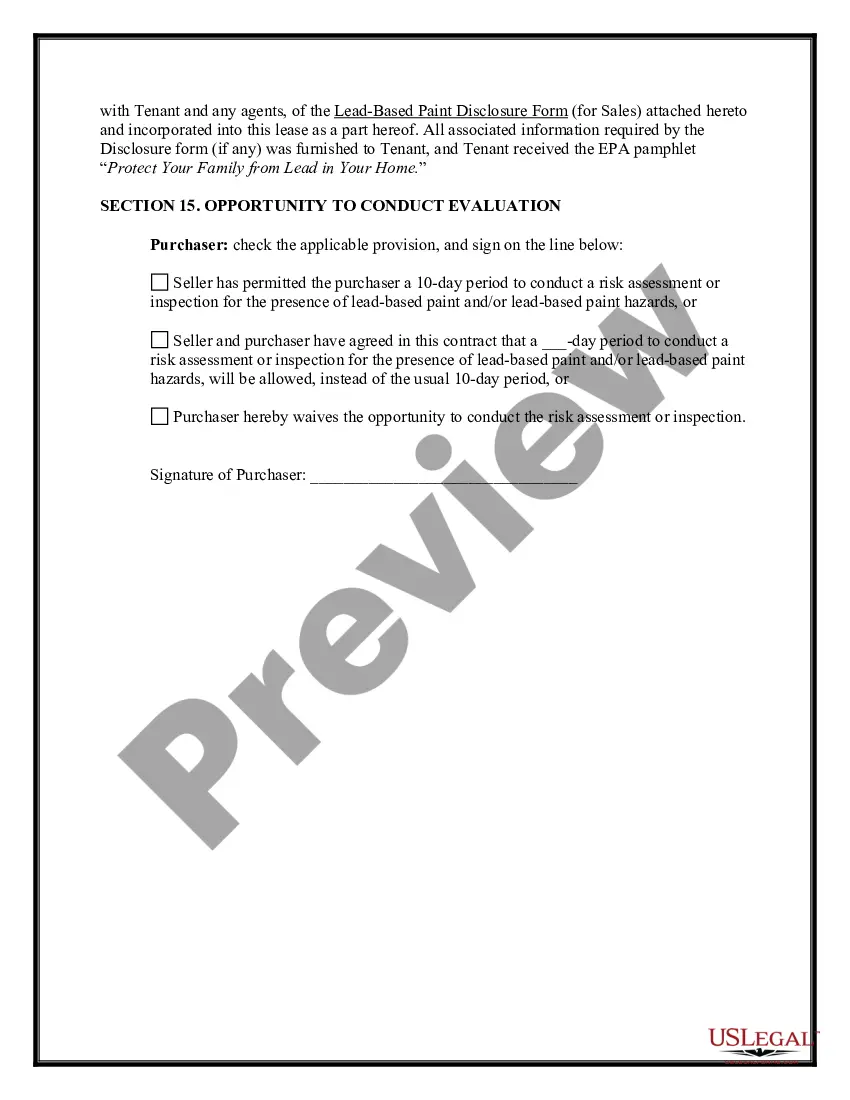
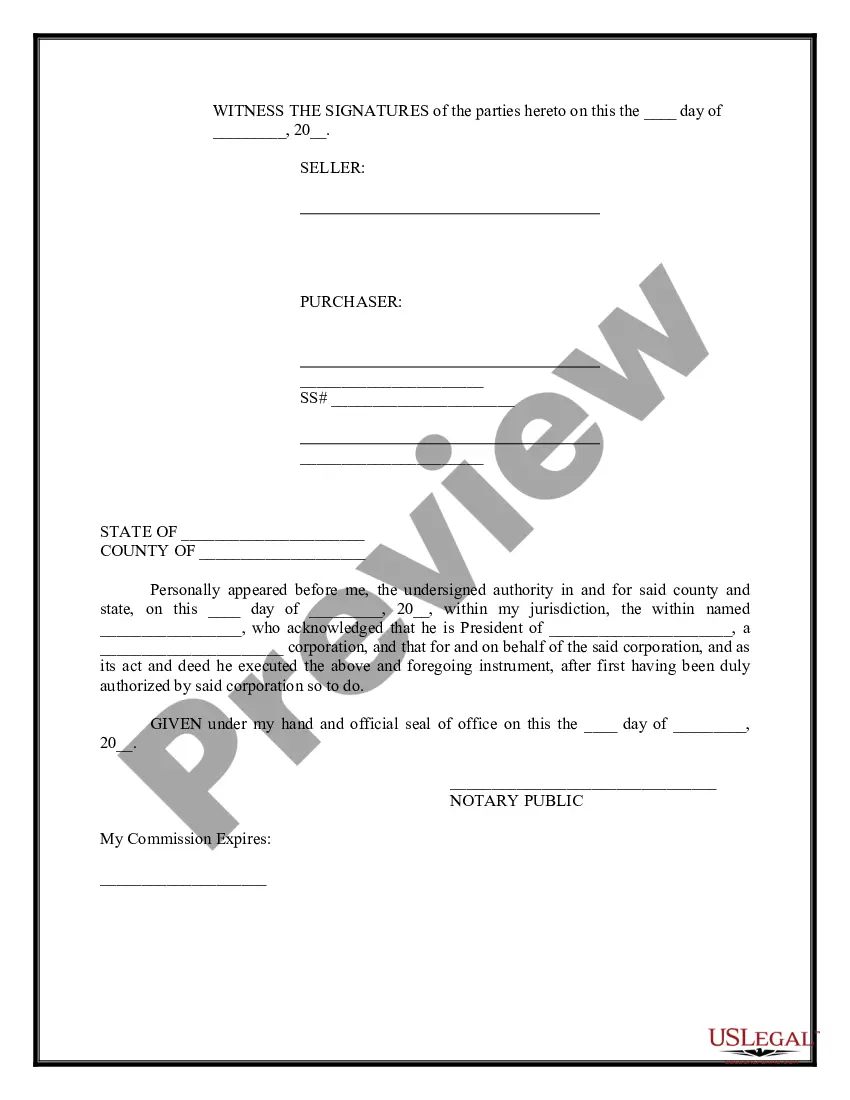
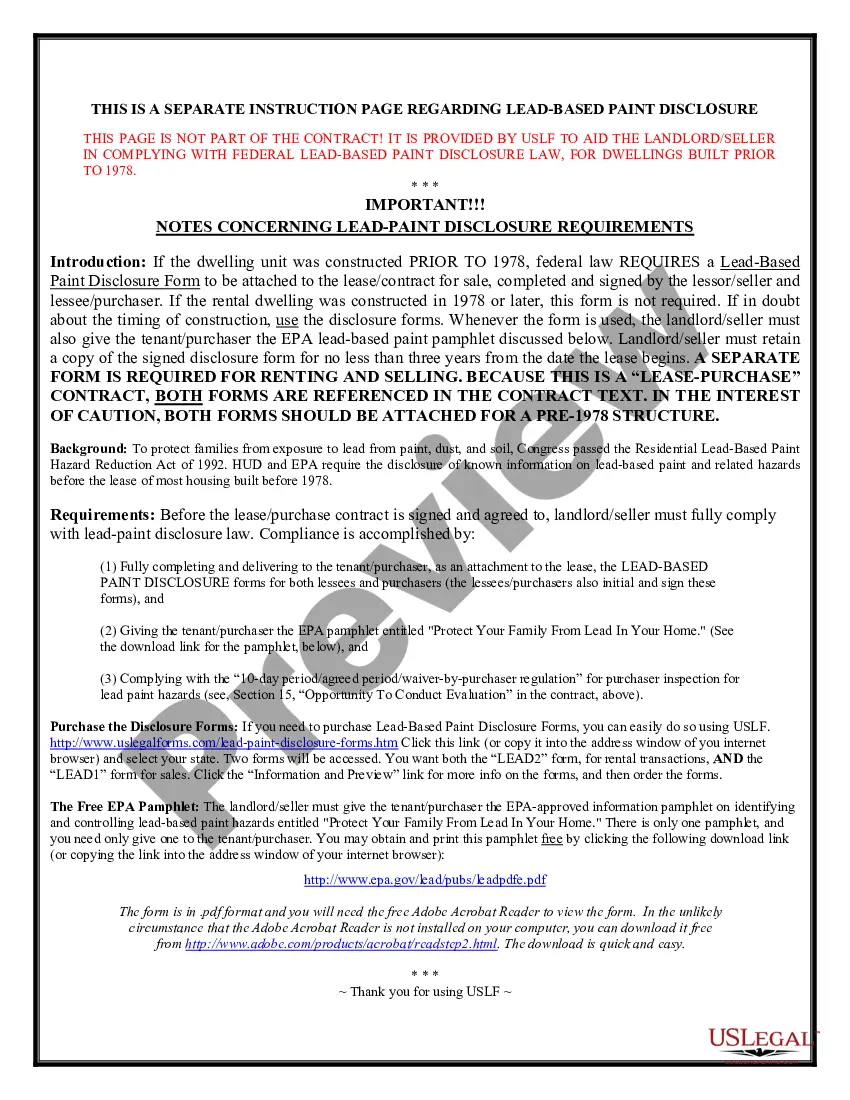
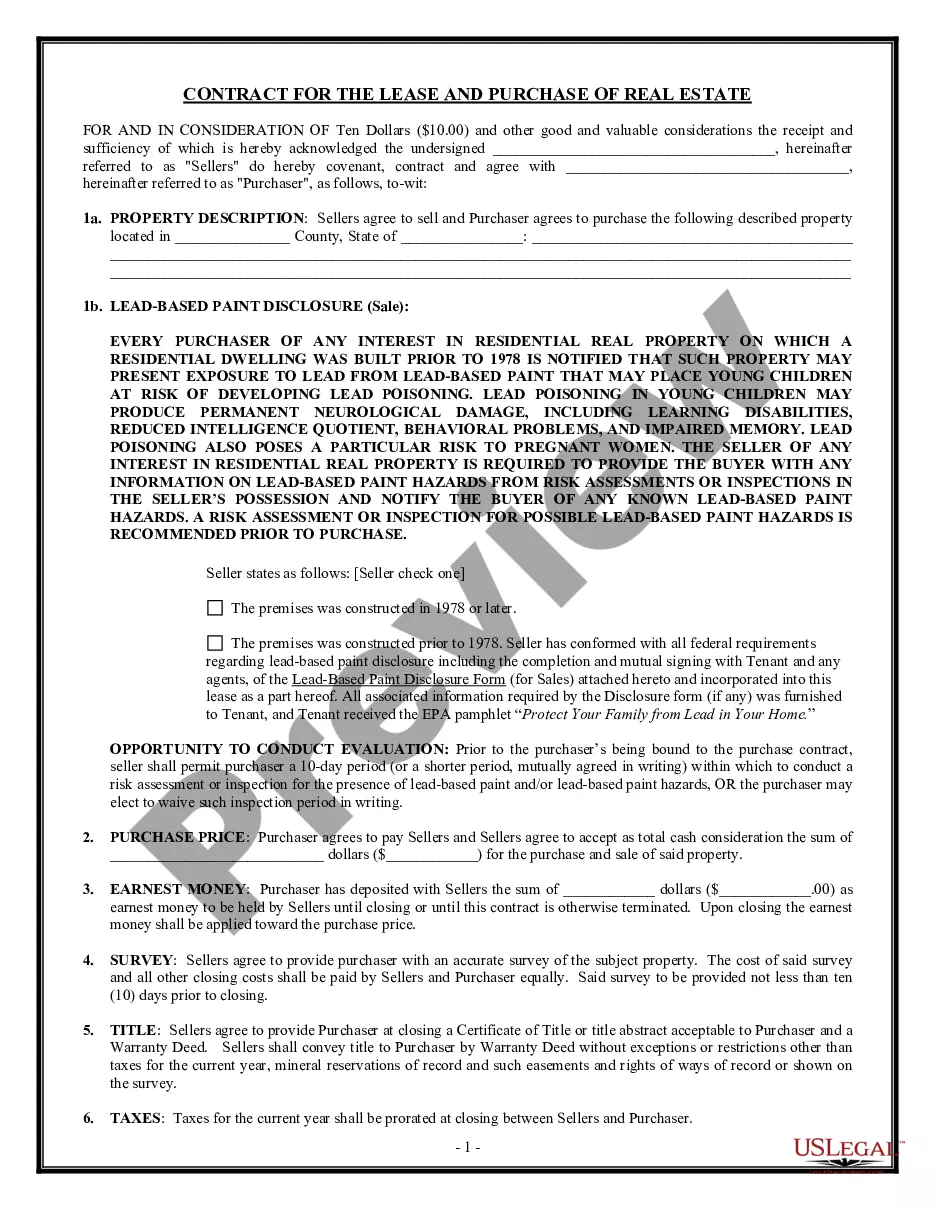
Get your form ready online
Our built-in tools help you complete, sign, share, and store your documents in one place.
Make edits, fill in missing information, and update formatting in US Legal Forms—just like you would in MS Word.
Download a copy, print it, send it by email, or mail it via USPS—whatever works best for your next step.
Sign and collect signatures with our SignNow integration. Send to multiple recipients, set reminders, and more. Go Premium to unlock E-Sign.
If this form requires notarization, complete it online through a secure video call—no need to meet a notary in person or wait for an appointment.
We protect your documents and personal data by following strict security and privacy standards.

Make edits, fill in missing information, and update formatting in US Legal Forms—just like you would in MS Word.

Download a copy, print it, send it by email, or mail it via USPS—whatever works best for your next step.

Sign and collect signatures with our SignNow integration. Send to multiple recipients, set reminders, and more. Go Premium to unlock E-Sign.

If this form requires notarization, complete it online through a secure video call—no need to meet a notary in person or wait for an appointment.

We protect your documents and personal data by following strict security and privacy standards.
Looking for another form?





Form popularity
FAQ
Court hearing: During the court hearing, you or your lawyer will present evidence supporting your claims and the squatters or their lawyer will do the same. Warrant for possession: If the court sides with you, it will issue a warrant for possession. You must then schedule and eviction with the Sheriff's Office.
How do I obtain a copy of my property deed? Property deeds are recorded in the Suffolk County Clerk's Office in Riverhead, NY. The direct phone number is (631) 852-2000.
Self-represented landlords must request in writing that the court issue the JUDGMENT OF POSSESSION, WARRANT OF EVICTION, and TRANSCRIPT OF JUDGMENT. If the tenant/respondent is in default, a non-military affidavit will be required.
In New York State, an eviction of a tenant is lawful only if an owner has brought a court proceeding and obtained a judgment of possession from the court. A sheriff, marshal or constable can carry out a court ordered eviction. An owner may not evict a tenant by use of force or unlawful means.
If you have lived there for more than one year, but less than 2, or have a lease term of at least one year, but less than 2, your landlord must provide you with 60 days' notice; If you have lived there for more than 2 years or have a lease term of at least 2 years, your landlord must provide you with 90 days' notice.