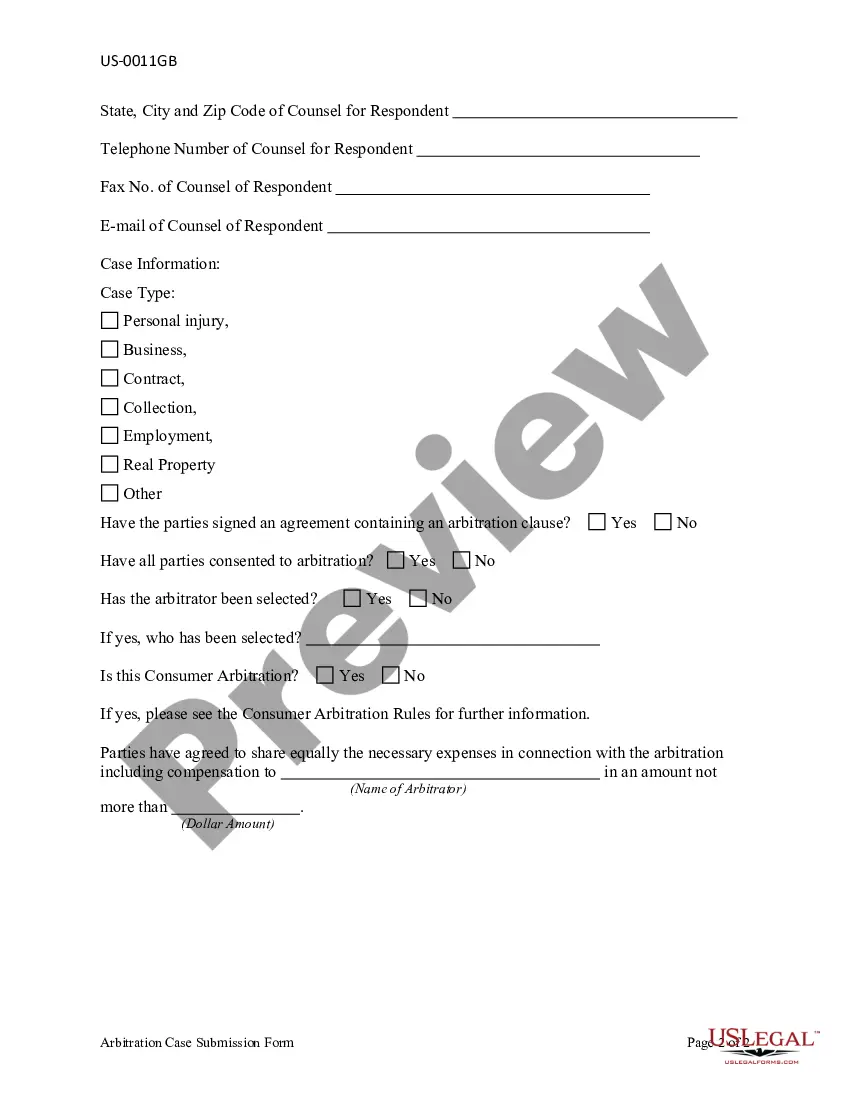
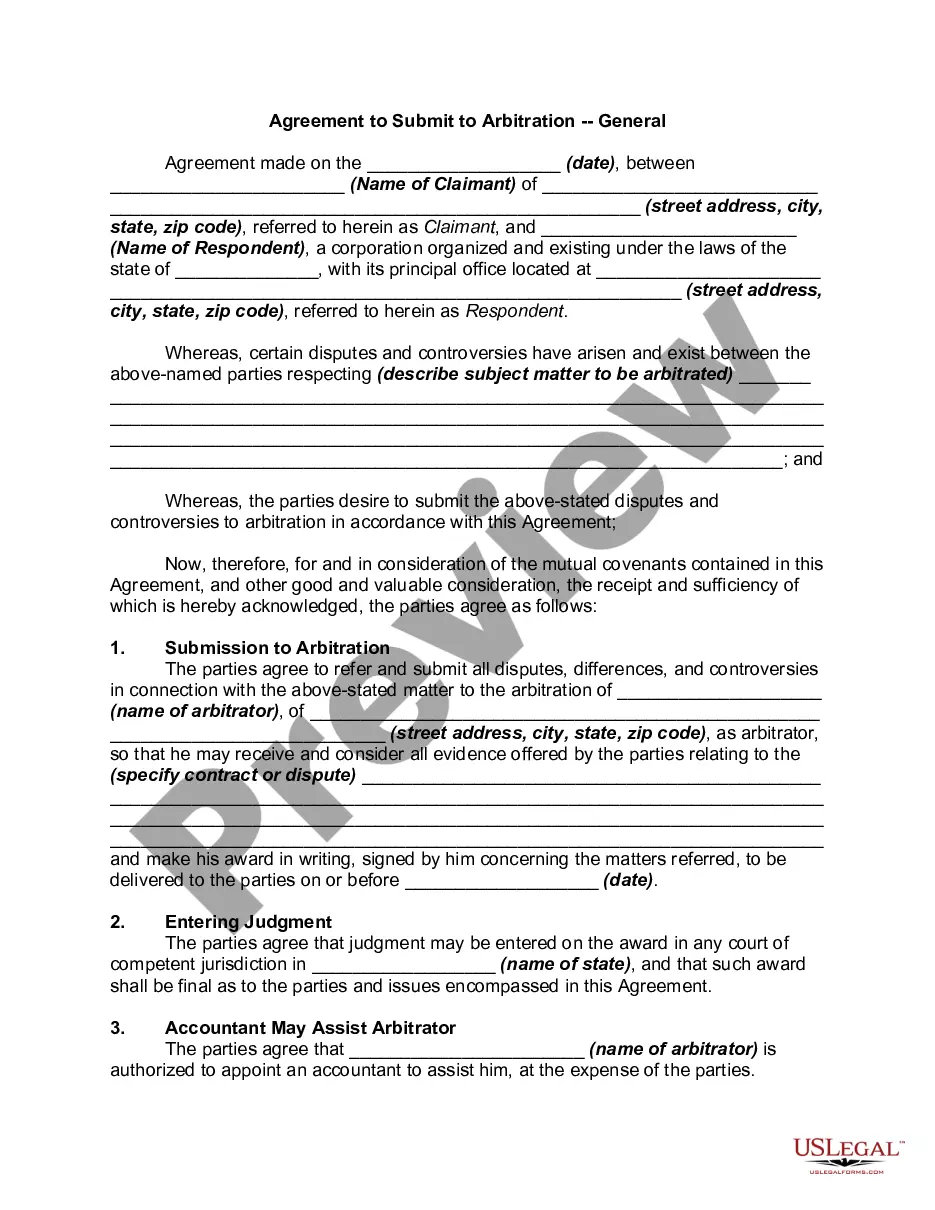
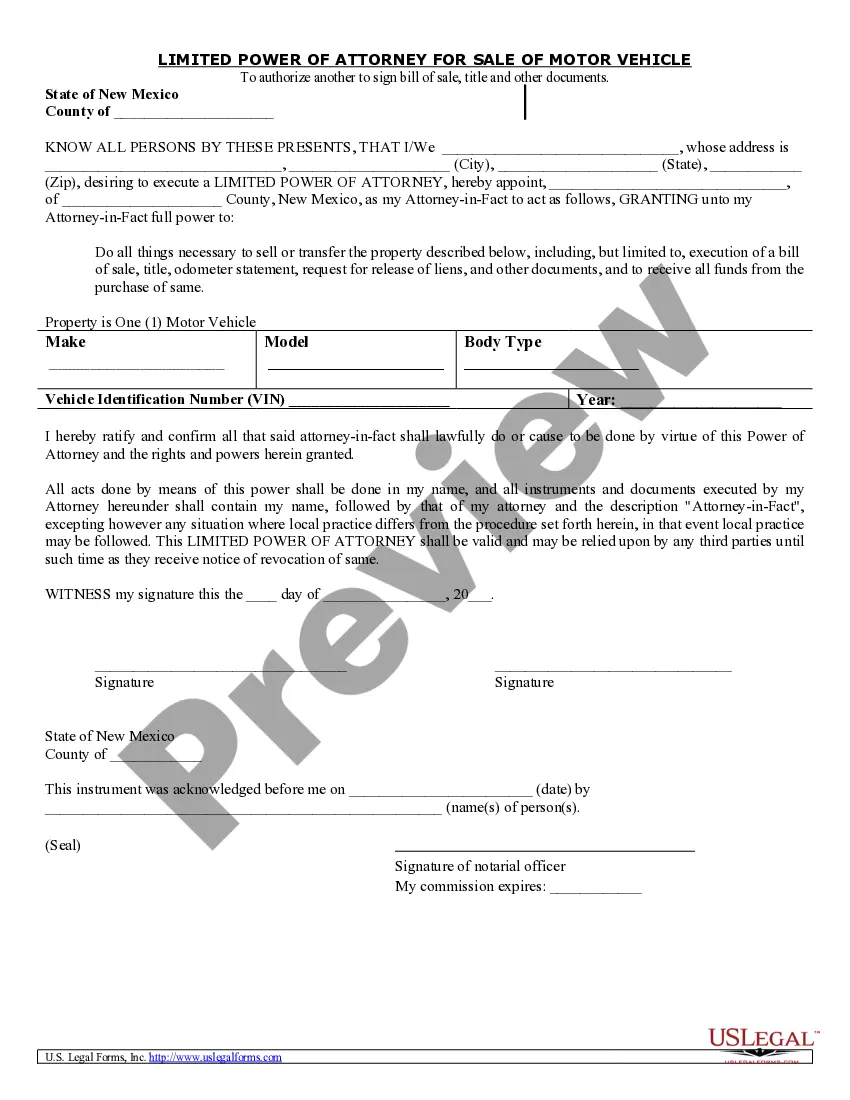
Arbitration Case Statement Format In Utah
Description



Get your form ready online
Our built-in tools help you complete, sign, share, and store your documents in one place.
Make edits, fill in missing information, and update formatting in US Legal Forms—just like you would in MS Word.
Download a copy, print it, send it by email, or mail it via USPS—whatever works best for your next step.
Sign and collect signatures with our SignNow integration. Send to multiple recipients, set reminders, and more. Go Premium to unlock E-Sign.
If this form requires notarization, complete it online through a secure video call—no need to meet a notary in person or wait for an appointment.
We protect your documents and personal data by following strict security and privacy standards.

Make edits, fill in missing information, and update formatting in US Legal Forms—just like you would in MS Word.

Download a copy, print it, send it by email, or mail it via USPS—whatever works best for your next step.

Sign and collect signatures with our SignNow integration. Send to multiple recipients, set reminders, and more. Go Premium to unlock E-Sign.

If this form requires notarization, complete it online through a secure video call—no need to meet a notary in person or wait for an appointment.

We protect your documents and personal data by following strict security and privacy standards.
Looking for another form?





Form popularity
FAQ
To file means to deposit a legal document with the clerk or record custodian with the purpose of having the document preserved and placed into the official record. To file also means to commence a lawsuit. Last updated in August of 2021 by the Wex Definitions Team
A petition is a formal written request to a court or other official body, seeking some form of legal action or relief. It may be filed by a person, group, or organization. Last updated in January of 2024 by the Wex Definitions Team THE LEGAL PROCESS.
Utah Code Annotated §78A-2-301;Filing Fees - Effective July 1, 2023 Type of Filing, Action, or ServiceSubsectionFee Greater than $2,000 and less than $7,500 Subsection (1)(c)(ii) $100.00 $7,500 up to $15,000 Subsection (1)(c)(iii) $185.00 Small Claims Counter Affidavit $2,000 or less Subsection (1)(e)(i) $50.0058 more rows
Court filing is the process of submitting your documents, either electronically or in physical form, to commence or supplement an ongoing legal action. Filing documents in a timely manner is imperative for the success of a legal case.
A notice of filing is a legal document that provides official notification to interested parties that a particular legal action has been filed with a court or governmental agency.
Court filing is the process of submitting your documents, either electronically or in physical form, to commence or supplement an ongoing legal action. Filing documents in a timely manner is imperative for the success of a legal case.
Rebuttal evidence After the defendant has called all of their witnesses and offered all of their exhibits, the plaintiff may call witnesses to rebut, or challenge, any new information introduced by the defendant's witnesses. The judge may allow surrebuttal (a rebuttal to the rebuttal) by the defendant.
Parties meet with a mediator and work toward agreement. If parties agree, both parties sign a stipulation and the Commission issues an order approving their agreement. If the parties do not agree, the matter is scheduled for Formal Hearing.
Mediation does not impose a solution and it is not binding until the parties reach and sign a settlement agreement. If a settlement cannot be reached, the parties are welcome to continue with the arbitration process. Unlike an arbitrator, a mediator has no power to decide a dispute.
Mediation also encourages collaboration and allows for creative solutions that can be tailored to meet both parties' needs. However, there are some downsides to mediation as well, including the fact that it can take more time to reach a resolution than litigation and that results are not always legally binding.