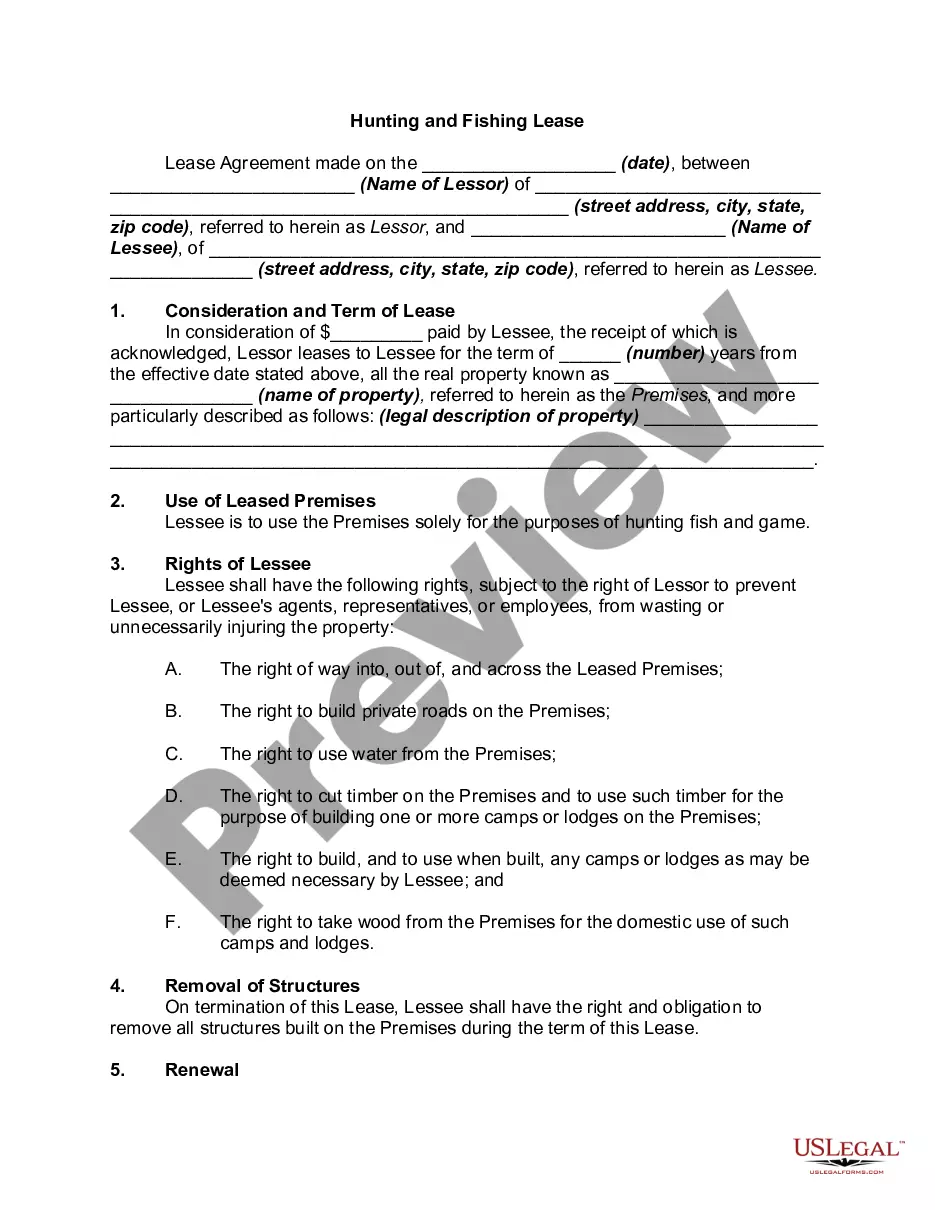
Arbitration Case Law Examples In Hennepin
Description



Get your form ready online
Our built-in tools help you complete, sign, share, and store your documents in one place.
Make edits, fill in missing information, and update formatting in US Legal Forms—just like you would in MS Word.
Download a copy, print it, send it by email, or mail it via USPS—whatever works best for your next step.
Sign and collect signatures with our SignNow integration. Send to multiple recipients, set reminders, and more. Go Premium to unlock E-Sign.
If this form requires notarization, complete it online through a secure video call—no need to meet a notary in person or wait for an appointment.
We protect your documents and personal data by following strict security and privacy standards.

Make edits, fill in missing information, and update formatting in US Legal Forms—just like you would in MS Word.

Download a copy, print it, send it by email, or mail it via USPS—whatever works best for your next step.

Sign and collect signatures with our SignNow integration. Send to multiple recipients, set reminders, and more. Go Premium to unlock E-Sign.

If this form requires notarization, complete it online through a secure video call—no need to meet a notary in person or wait for an appointment.

We protect your documents and personal data by following strict security and privacy standards.
Looking for another form?









Form popularity
FAQ
These cases range from breach of contract or licensing agreements, business torts, and franchise to construction and infrastructure disputes in companies from start-ups to the Fortune 500 in a variety of industries.
If your case involves factors like privacy concerns, the need for a quicker resolution, or the desire to avoid a public jury trial, arbitration might be an ideal solution. However, if you're worried about the finality of the arbitrator's decision or the potential for bias, you might prefer the traditional court route.
Before the arbitration hearing each side should: organize their arguments; identify and organize documentary evidence and testimony that supports the arguments; and make sure they have complied with CRC 3.820 prohibiting ex parte communication with the arbitrator.
In some instances, you may be able to sue if you signed a valid arbitration agreement. While courts generally favor arbitration agreements, they will allow you to file a lawsuit if either you didn't understand your rights or your claims fall outside the arbitration provision's scope.
Arbitration tribunals set their own rules and they are typically not bound by the procedural formalities employed by courts, nor are they always bound to follow the substantive laws that govern traditional court systems.
In some instances, you may be able to sue if you signed a valid arbitration agreement. While courts generally favor arbitration agreements, they will allow you to file a lawsuit if either you didn't understand your rights or your claims fall outside the arbitration provision's scope.
While monetary damages are most often awarded, arbitrators frequently award equitable and other forms of relief, including specific performance, injunctive relief, consequential damages, liquidated damages, attorneys' fees and punitive damages.
The parties' rules may dictate whether an arbitrator can award punitive damages. Although rare, parties may include in their arbitration clause express wording allowing (or disallowing) punitive damages. Likewise, most arbitral institutional rules are silent on remedies.
Never say anything to an arbitrator unless you are 100% sure it is correct. If you don't know the answer to a question, simply say, “I don't know the answer but will get it for you promptly.” Arbitrators respect lawyers who can zealously advocate for their clients and work out procedural issues with opposing counsel.
An example of a mandatory arbitration clause UberEATS imposes on its delivery workers: “This Arbitration Provision requires all such claims to be resolved only by an arbitrator through final and binding individual arbitration and not by way of court or jury trial.”