Asamblea Acta Forma In Michigan
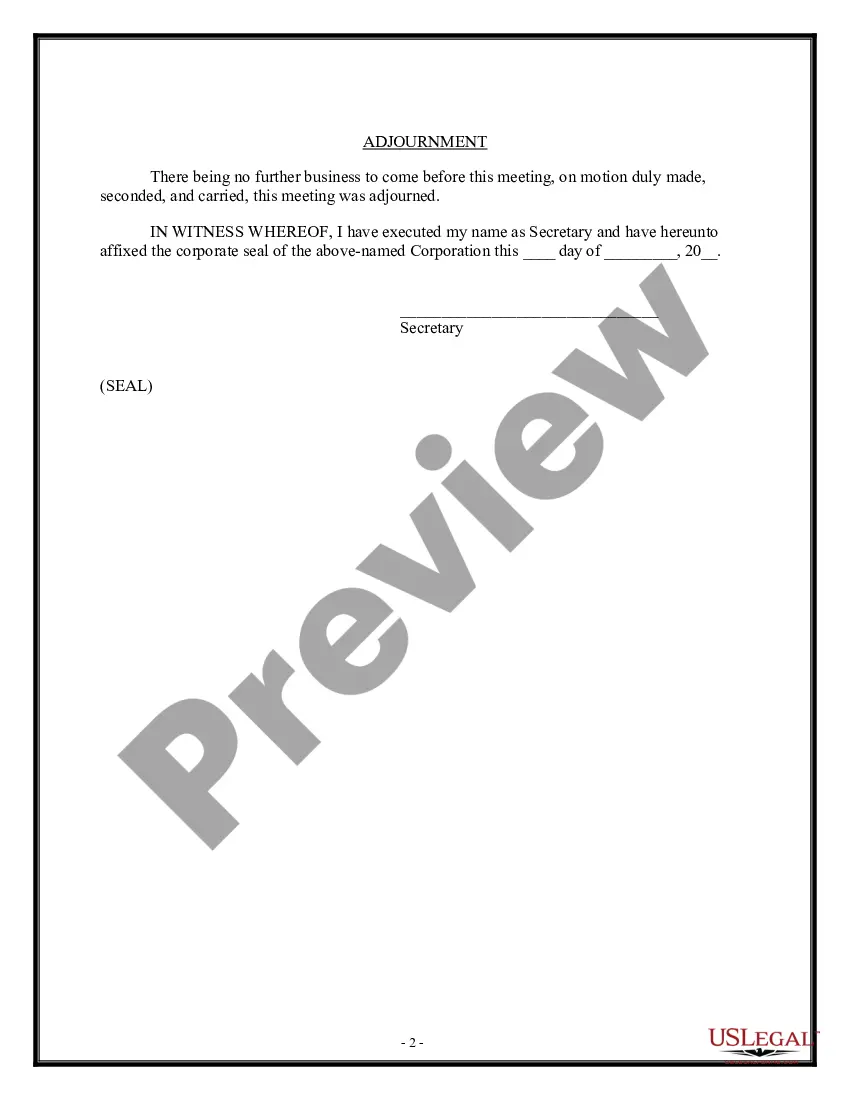
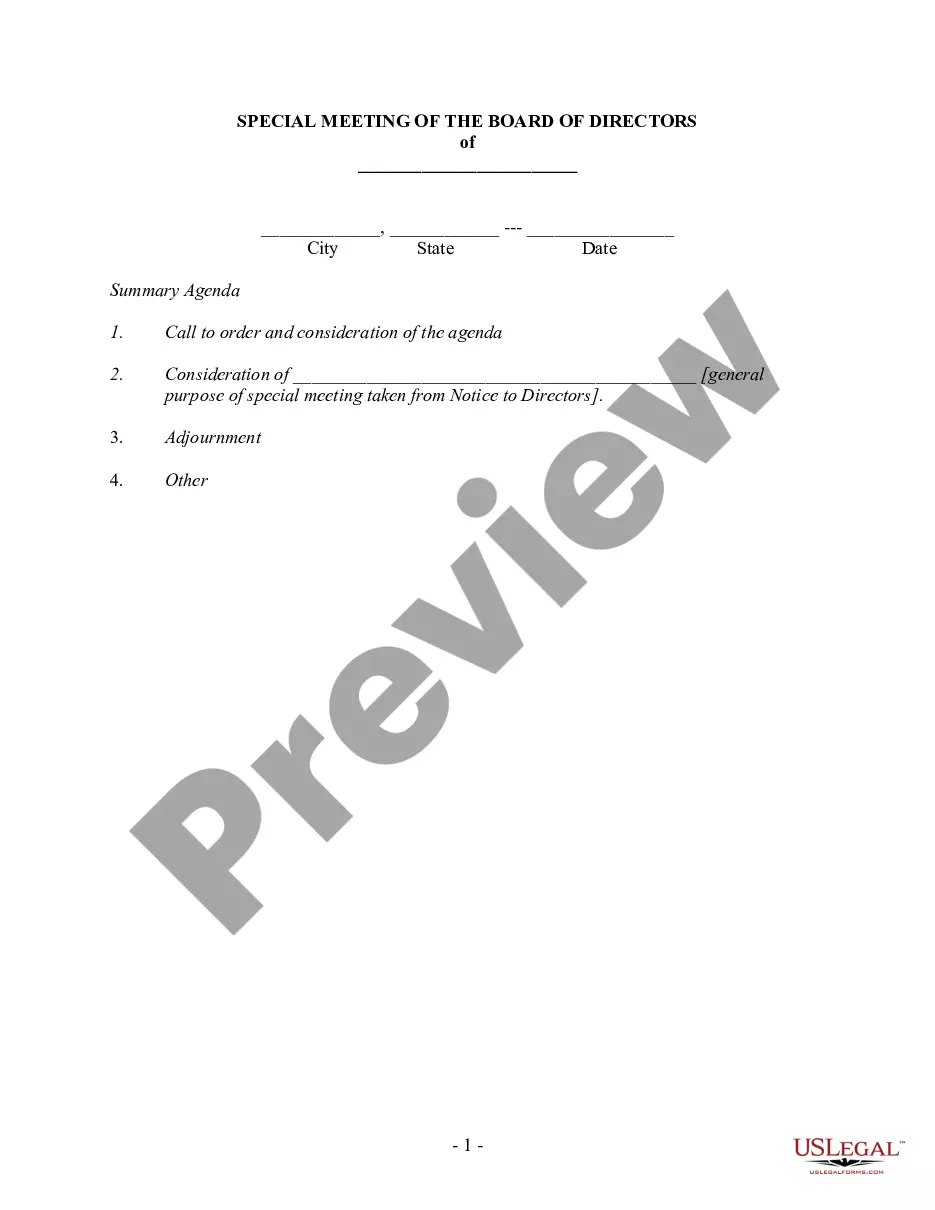
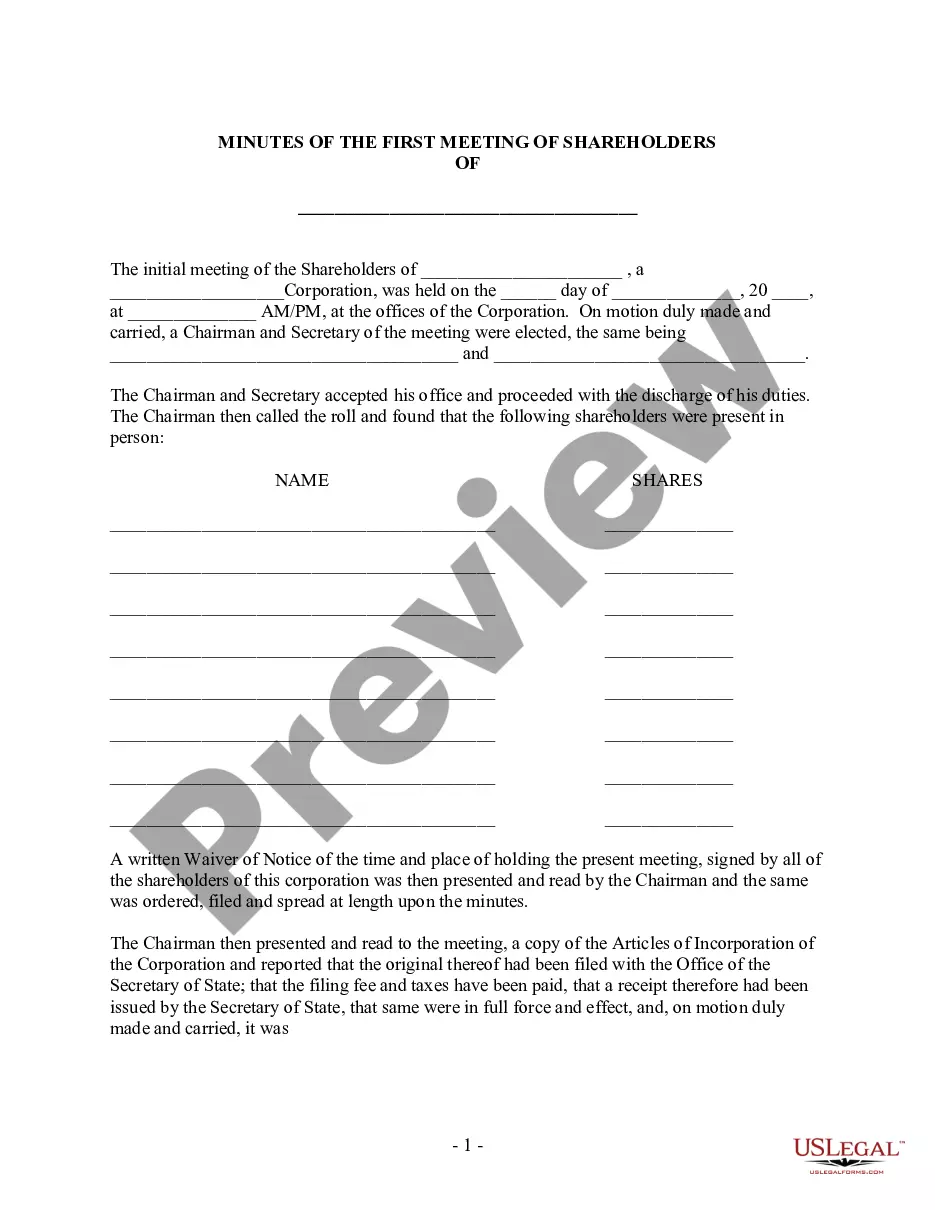
Description


Get your form ready online
Our built-in tools help you complete, sign, share, and store your documents in one place.
Make edits, fill in missing information, and update formatting in US Legal Forms—just like you would in MS Word.
Download a copy, print it, send it by email, or mail it via USPS—whatever works best for your next step.
Sign and collect signatures with our SignNow integration. Send to multiple recipients, set reminders, and more. Go Premium to unlock E-Sign.
If this form requires notarization, complete it online through a secure video call—no need to meet a notary in person or wait for an appointment.
We protect your documents and personal data by following strict security and privacy standards.

Make edits, fill in missing information, and update formatting in US Legal Forms—just like you would in MS Word.

Download a copy, print it, send it by email, or mail it via USPS—whatever works best for your next step.

Sign and collect signatures with our SignNow integration. Send to multiple recipients, set reminders, and more. Go Premium to unlock E-Sign.

If this form requires notarization, complete it online through a secure video call—no need to meet a notary in person or wait for an appointment.

We protect your documents and personal data by following strict security and privacy standards.
Looking for another form?








Form popularity
FAQ
Fill out form MC 03 (Answer, Civil) on the website or get a paper copy from the court to fill out. Write in the court number, case number, the court address, the court telephone number, and the names, addresses, and telephone numbers of the plaintiff and the defendant exactly as they are on your court papers.
Fill out form MC 03 (Answer, Civil) on the website or get a paper copy from the court to fill out. Write in the court number, case number, the court address, the court telephone number, and the names, addresses, and telephone numbers of the plaintiff and the defendant exactly as they are on your court papers.
A subpoena must: (1) be entitled in the name of the People of the State of Michigan; (2) be imprinted with the seal of the Supreme Court of Michigan; (3) have typed or printed on it the name of the court in which the matter is pending; (4) state the place where the trial or hearing is scheduled; (5) state the title of ...
Prepare your response, which is called an "Answer." In your Answer, you must address each allegation in the complaint and state your defenses. You can find templates for Answers online or at the court clerk's office. 4. File your Answer with the court by the deadline stated in the summons.
Drafting the Motion Check if the court has blank motion forms. Create your caption. Title your motion. Draft the introductory paragraph to the body of the motion. Request relief. Lay out the applicable facts. Make your legal argument. Insert a signature block.
Your answer should include the court name, case name, case number, and your affirmative defenses. Print three copies of your answer. File one with the clerk's office and mail (or “serve”) one to the plaintiff or plaintiff's attorney. The plaintiff is the debt collector, creditor, or law firm suing you.
Fill out form MC 03 (Answer, Civil) on the website or get a paper copy from the court to fill out. Write in the court number, case number, the court address, the court telephone number, and the names, addresses, and telephone numbers of the plaintiff and the defendant exactly as they are on your court papers.