Agenda For Board Meeting Companies Act 2013
Description
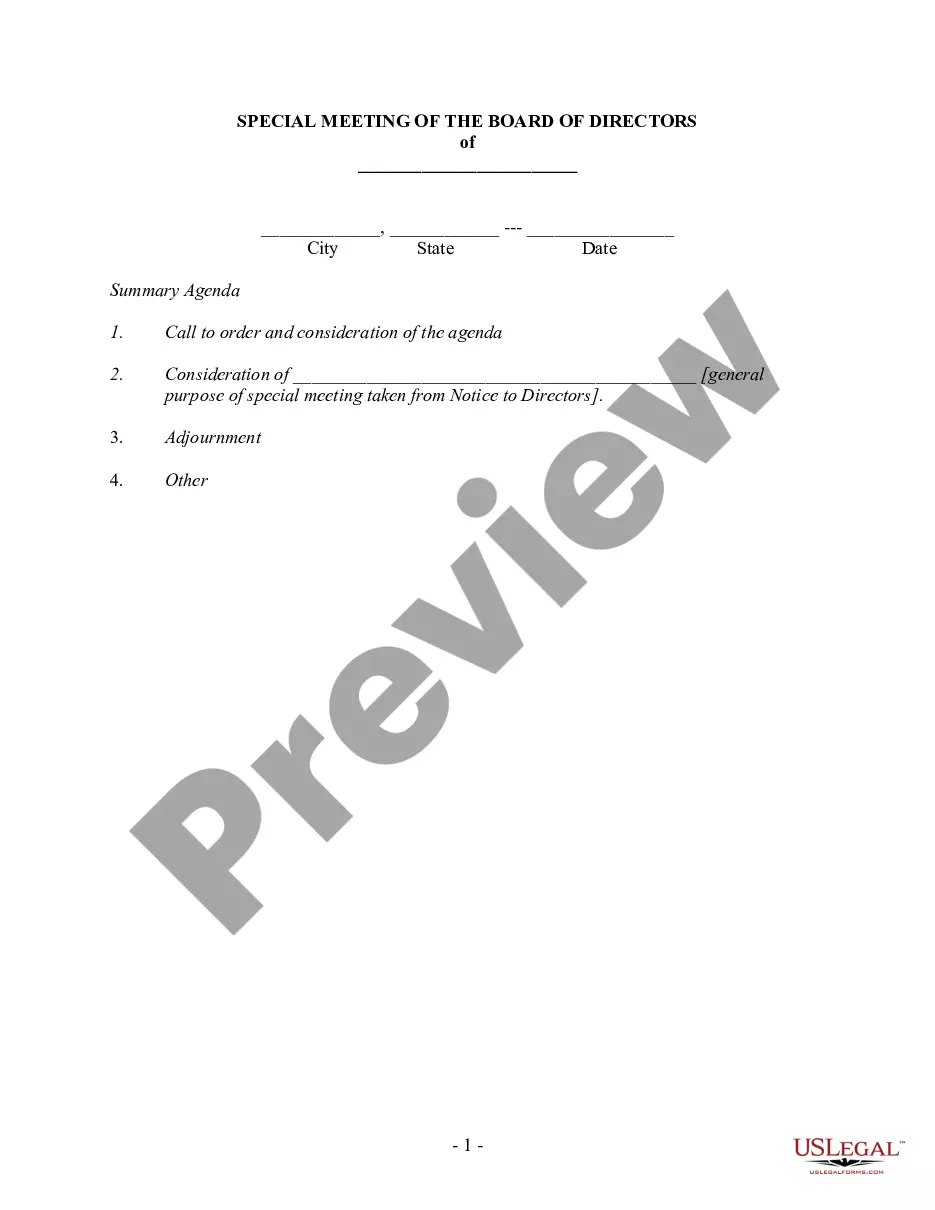
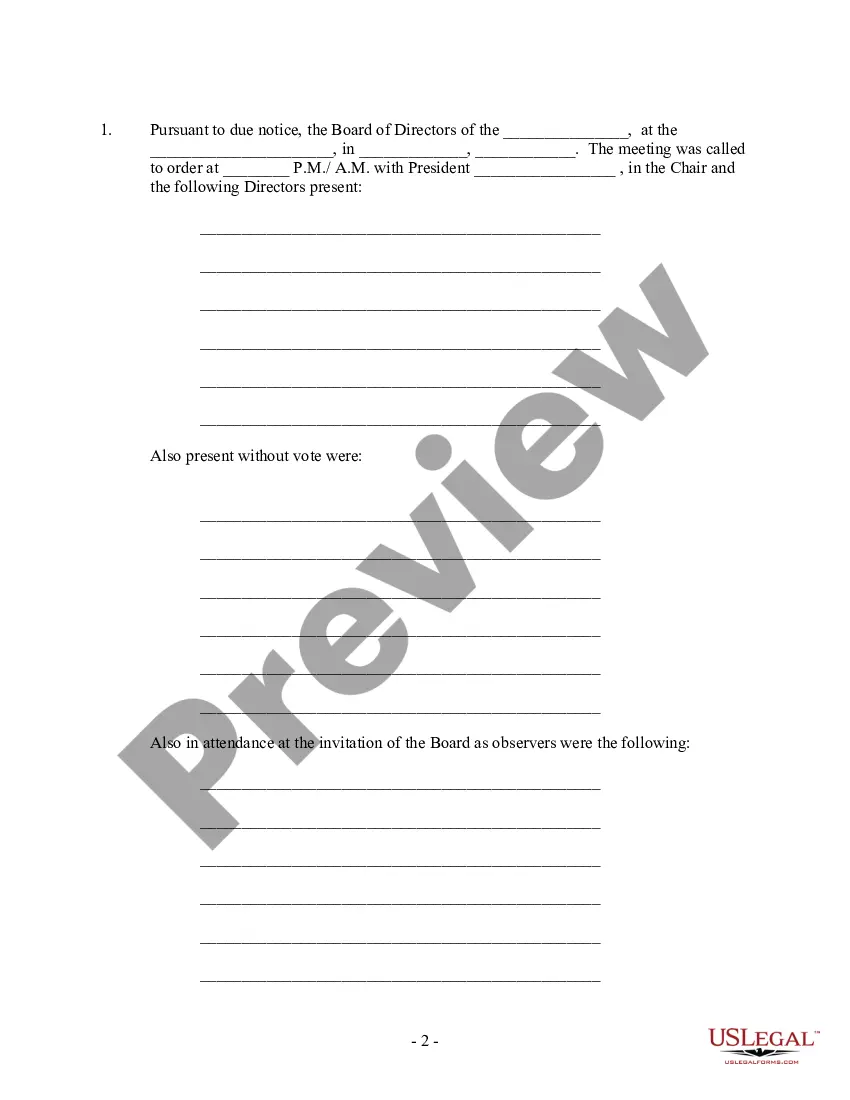
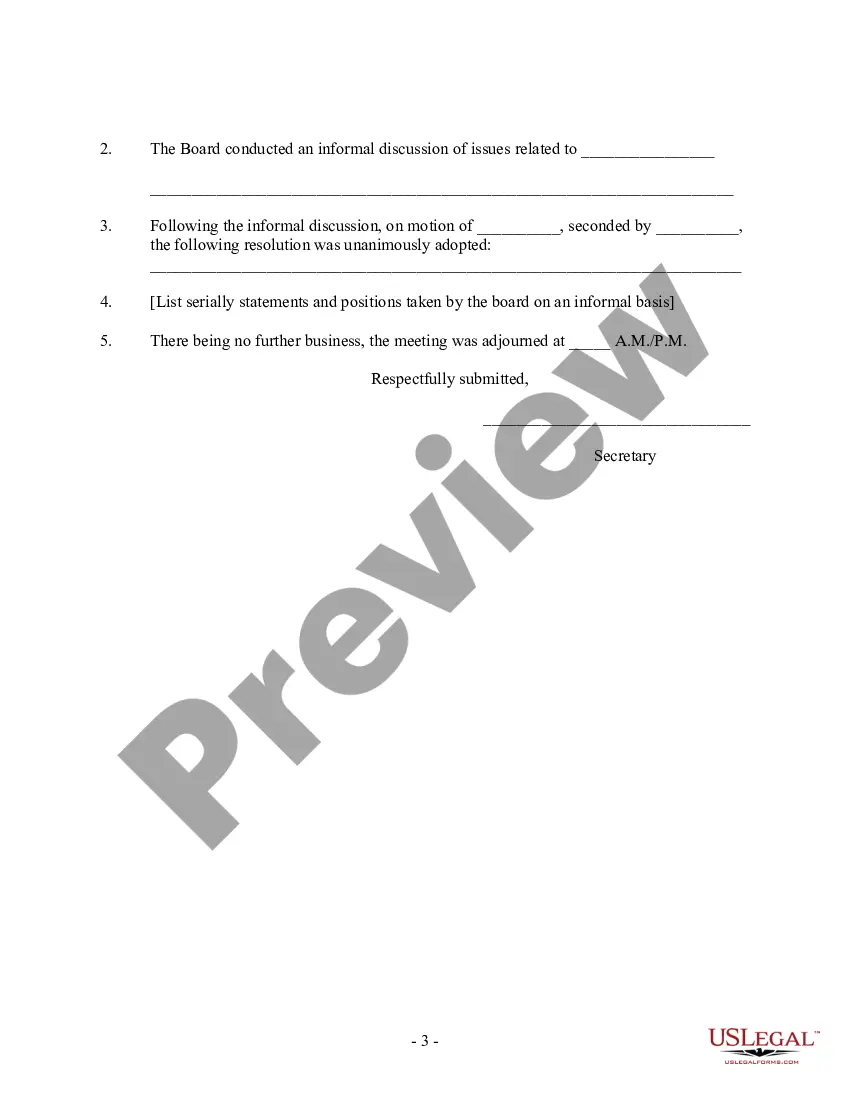




How to fill out Special Meeting Of The Board Of Directors Minutes - Corporate Resolutions?
The Schedule For Board Meeting Companies Act 2013 you observe on this page is a reusable official template formulated by experienced attorneys in compliance with national and regional laws.
For over 25 years, US Legal Forms has delivered individuals, enterprises, and legal practitioners with more than 85,000 validated, state-specific documents for any business and personal needs. It’s the quickest, simplest, and most trustworthy method to obtain the paperwork you require, as the service assures the highest level of data security and anti-malware safeguards.
Subscribe to US Legal Forms to have authenticated legal templates for all of life’s situations readily available.
- Search for the document you need and review it.
- Browse through the file you searched and preview it or examine the form description to confirm it meets your needs. If it does not, use the search function to find the correct one. Click Buy Now once you have identified the template you require.
- Subscribe and Log In.
- Select the pricing plan that best suits you and create an account. Use PayPal or a credit card to make a quick payment. If you already have an account, Log In and verify your subscription to continue.
- Obtain the fillable template.
- Select the format you desire for your Schedule For Board Meeting Companies Act 2013 (PDF, Word, RTF) and download the document onto your device.
- Complete and sign the paper.
- Print the template to fill it out manually. Alternatively, use an online multifunctional PDF editor to swiftly and accurately fill out and sign your form with a legally-binding electronic signature.
- Re-download your documents as needed.
- Use the same file again whenever necessary. Access the My documents section in your profile to re-download any previously saved documents.
Form popularity
FAQ
A typical format of a board meeting includes a call to order, approval of previous meeting minutes, and discussions about agenda items. During the meeting, each topic should follow a predetermined structure, allowing for open dialogue and decision-making. Utilizing a clear format helps maintain focus and adheres to the agenda for board meeting companies act 2013. Consider using platforms like uslegalforms for templates and guidance.
The notice of a board meeting informs participants about the date, time, and location, ensuring adequate time for preparation. The agenda outlines the topics to be discussed during the meeting while keeping them aligned with legal requirements. Finally, minutes are the recorded outcome of the discussions and decisions made. Together, these components form a complete set of documents that adheres to the agenda for board meeting companies act 2013.
Structuring a meeting agenda involves outlining key topics and setting a clear order. Begin with an introduction and welcome remarks, then proceed to discuss each agenda item based on priority. Allocate specific time slots for each topic to encourage timely discussions. This structured approach promotes efficiency and enhances the overall agenda for board meeting companies act 2013.
To arrange a board meeting, start by obtaining the necessary approvals from key stakeholders. Next, choose a suitable date, time, and location, ensuring availability for all participants. Afterward, prepare and distribute an agenda that includes crucial topics to discuss. Following these steps will help you create an effective agenda for board meeting companies act 2013.
The four P's of a meeting agenda are Purpose, Participants, Process, and Product. Establishing the purpose helps clarify why the board meeting is essential. Identifying participants ensures that the right individuals contribute to the discussion. Lastly, defining the process and expected product keeps the meeting focused on achieving objectives, aligning with the agenda for board meeting companies act 2013.
Setting the agenda for a meeting is primarily the responsibility of the board chair and the company secretary. They work together to outline the discussion points that align with company goals. It is crucial to consider the legal requirements defined by the Companies Act 2013 to ensure compliance. For further assistance, uslegalforms offers tools to help create a well-structured agenda that meets these needs effectively.
The agenda for a board meeting is usually decided by the board chair in consultation with the company secretary. This collaborative approach ensures that all critical issues are included and relevant to the stakeholders. Under the Companies Act 2013, the agenda must reflect the needs and interests of the company and its shareholders. Utilizing uslegalforms can help enhance the decision-making process by providing templates and resources for effective agenda setting.
Typically, the company secretary or a designated board member is responsible for creating the board meeting agenda. This individual collaborates with the board chair to gather important topics and ensure all necessary issues are addressed. By following the guidelines outlined in the Companies Act 2013, they can ensure the agenda is comprehensive and compliant. Consider using uslegalforms to streamline this process and create a professional agenda.
Creating an agenda for a board meeting under the Companies Act 2013 involves several clear steps. First, identify key topics that need discussion, considering the organization’s objectives and current issues. Next, structure the agenda logically, placing the most important items at the beginning. Lastly, share the agenda with all board members in advance to encourage effective preparation and engagement.
The agenda of a board meeting serves as a roadmap for the discussion. It includes key items such as financial reports, strategic initiatives, and compliance issues. Preparing a well-defined agenda helps ensure that meetings run smoothly and productively, especially when following the guidelines outlined in the Agenda for Board Meeting Companies Act 2013.