Resignation Letter Sample With Reason Bad Management In Washington
Description
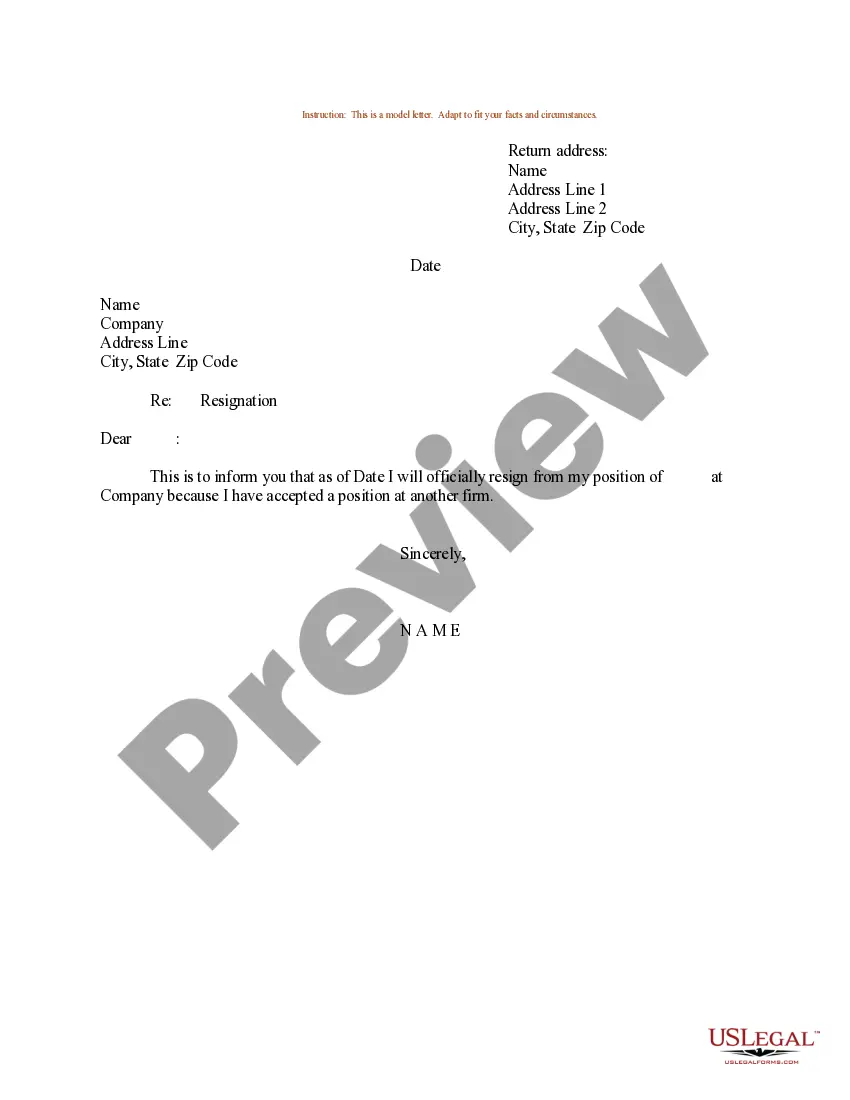
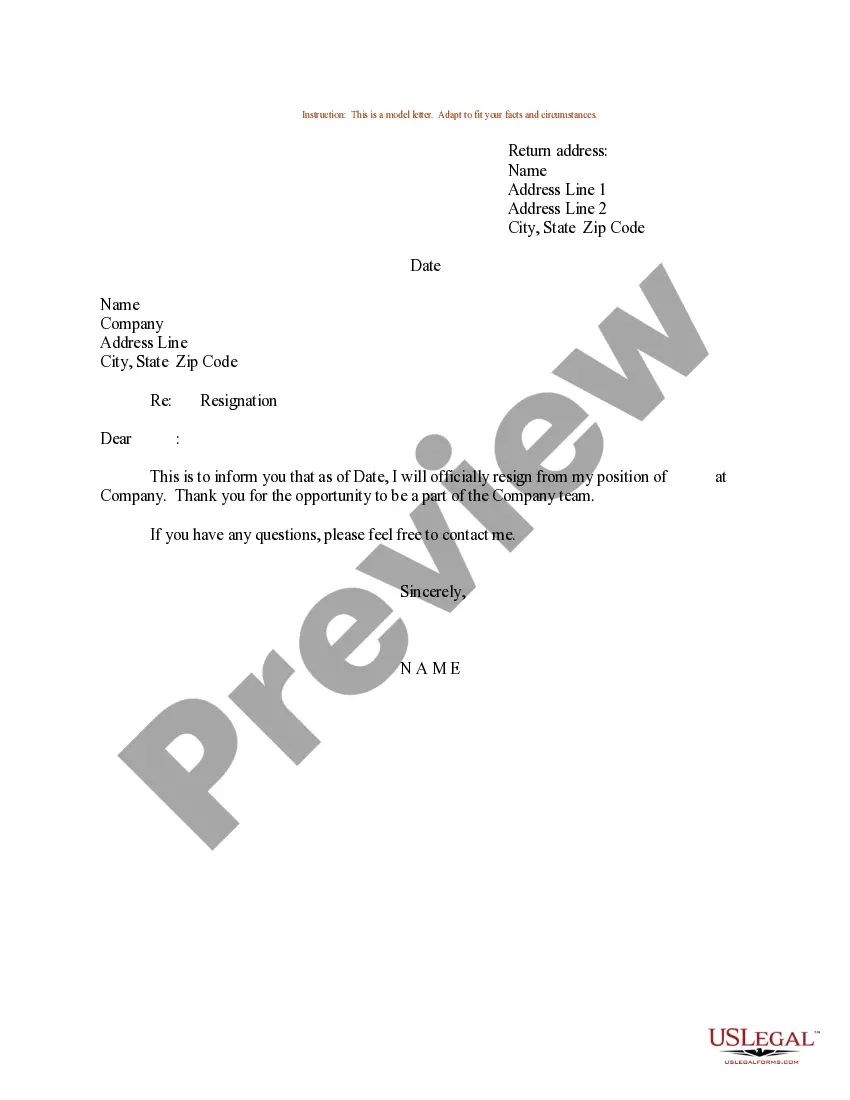

Get your form ready online
Our built-in tools help you complete, sign, share, and store your documents in one place.
Make edits, fill in missing information, and update formatting in US Legal Forms—just like you would in MS Word.
Download a copy, print it, send it by email, or mail it via USPS—whatever works best for your next step.
Sign and collect signatures with our SignNow integration. Send to multiple recipients, set reminders, and more. Go Premium to unlock E-Sign.
If this form requires notarization, complete it online through a secure video call—no need to meet a notary in person or wait for an appointment.
We protect your documents and personal data by following strict security and privacy standards.

Make edits, fill in missing information, and update formatting in US Legal Forms—just like you would in MS Word.

Download a copy, print it, send it by email, or mail it via USPS—whatever works best for your next step.

Sign and collect signatures with our SignNow integration. Send to multiple recipients, set reminders, and more. Go Premium to unlock E-Sign.

If this form requires notarization, complete it online through a secure video call—no need to meet a notary in person or wait for an appointment.

We protect your documents and personal data by following strict security and privacy standards.
Looking for another form?







Form popularity
FAQ
You can explain that the relationship between you and your boss was not a good fit and that it made it difficult to remain in the role. It's also important to be diplomatic and avoid saying anything negative about your former employer. Instead, focus on what you learned and how it prepared you for the next position.
Give your resignation in writing, keep a copy, and keep it polite. There's also no rule that says you must give the reason in writing. "Dear XX, I am writing to inform you of my resignation from the X position at X Company.
Gather records and document why your work environment was toxic before resigning, ensuring you'll have evidence if you make a claim later. To avoid burning bridges, stay polite and professional when submitting your resignation, give your employer a full two weeks' notice, and participate in any offboarding formalities.
Gather records and document why your work environment was toxic before resigning, ensuring you'll have evidence if you make a claim later. To avoid burning bridges, stay polite and professional when submitting your resignation, give your employer a full two weeks' notice, and participate in any offboarding formalities.
It's okay to want to leave a bad supervisor; just don't ruin your reputation on your way out the door. Most people have worked for a bad boss or two during their careers.
How to Write a Resignation Letter Due to Working Conditions? Start with a Professional Salutation. Clearly State Your Intent to Resign. Provide a Brief and Neutral Explanation. Express Gratitude for the Opportunities. Offer to Help with the Transition. Conclude Professionally. Sign Off.
Writing a resignation letter due to unfair treatment Introduction: keep it formal and direct. State the reason professionally. Provide specific instances (optional) ... Acknowledge the positive (if possible) ... Offer to assist in transition. Conclusion: express final gratitude.
Here are seven steps to writing a resignation letter when unhappy with management at your workplace: Start with a date and time. Use a formal address. Detail the exact date you plan to leave. Explain your reason for resigning. Express your gratitude. Discuss transitioning your responsibilities.
Yes. Bad management is basically the reason most people leave jobs. Even if your issue is with another coworker, it is management's bumbling of handling the situation or doing nothing to deal with it that forces you to leave.
How to write a resignation letter due to poor management Clearly communicate your decision. Explain your reason for leaving (optional) Express your gratitude. Offer to assist with the transition. Close professionally. How can I prepare for an exit interview when I'm unhappy with management?

