Resignation Letter Gracefully With Exercise In Sacramento
Description
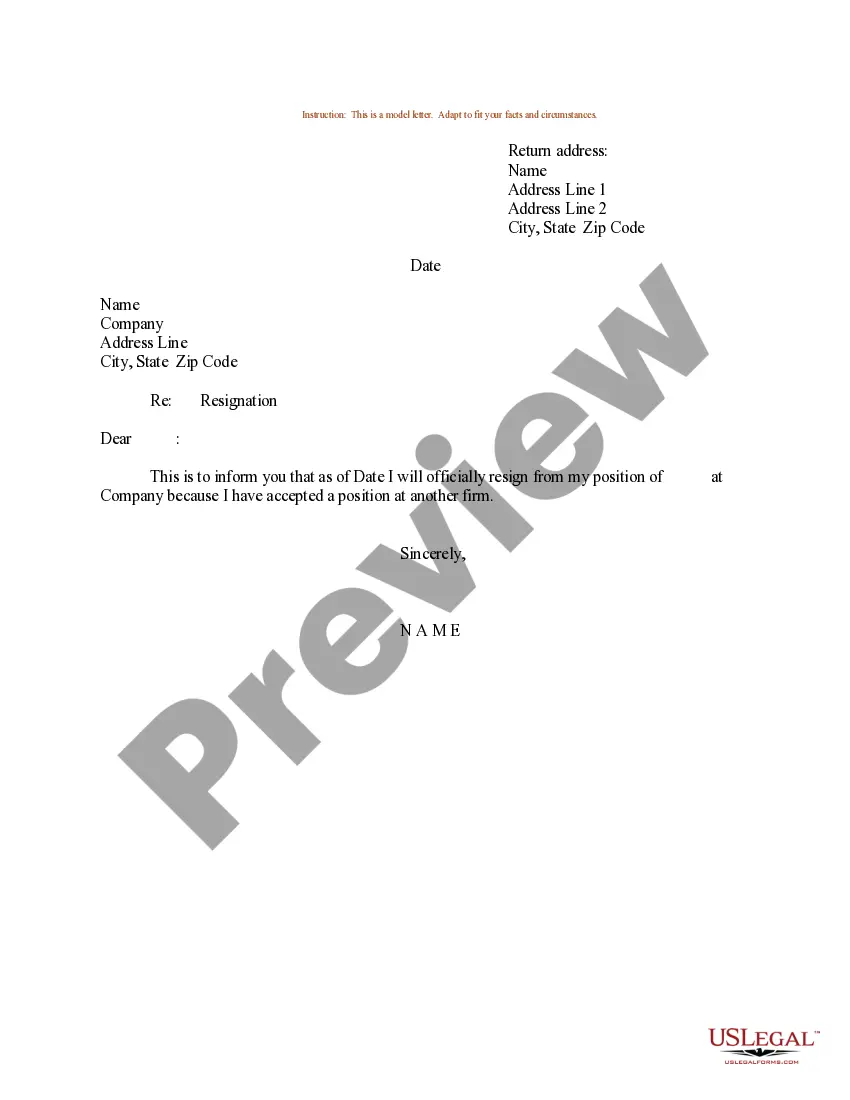
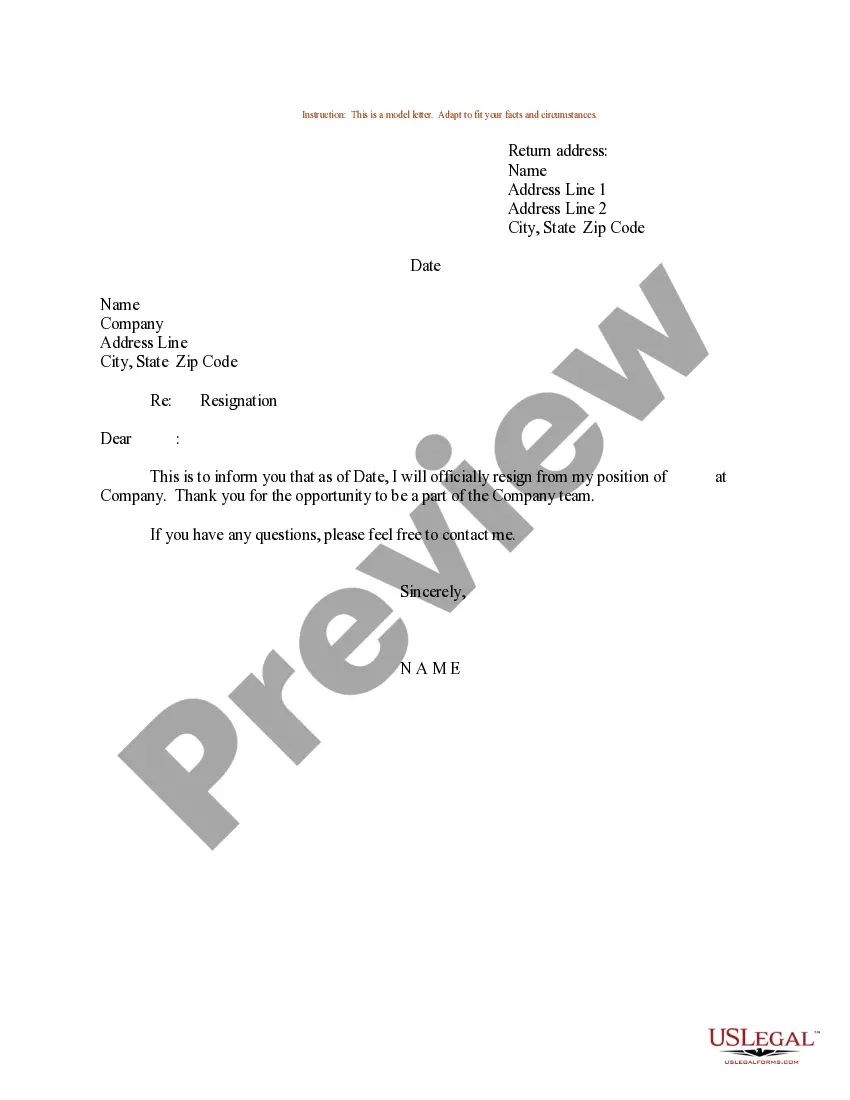
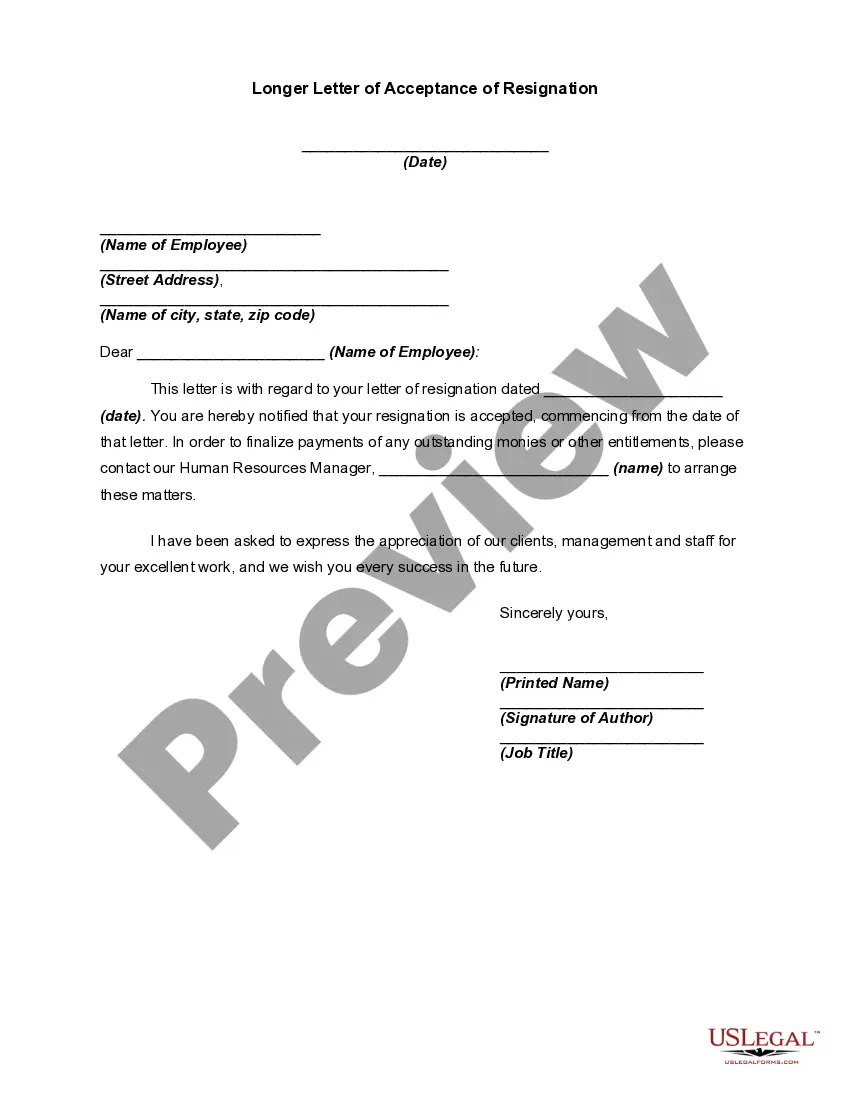

Get your form ready online
Our built-in tools help you complete, sign, share, and store your documents in one place.
Make edits, fill in missing information, and update formatting in US Legal Forms—just like you would in MS Word.
Download a copy, print it, send it by email, or mail it via USPS—whatever works best for your next step.
Sign and collect signatures with our SignNow integration. Send to multiple recipients, set reminders, and more. Go Premium to unlock E-Sign.
If this form requires notarization, complete it online through a secure video call—no need to meet a notary in person or wait for an appointment.
We protect your documents and personal data by following strict security and privacy standards.

Make edits, fill in missing information, and update formatting in US Legal Forms—just like you would in MS Word.

Download a copy, print it, send it by email, or mail it via USPS—whatever works best for your next step.

Sign and collect signatures with our SignNow integration. Send to multiple recipients, set reminders, and more. Go Premium to unlock E-Sign.

If this form requires notarization, complete it online through a secure video call—no need to meet a notary in person or wait for an appointment.

We protect your documents and personal data by following strict security and privacy standards.
Looking for another form?








Form popularity
FAQ
Steps to Take Submit a written resignation letter to your employer as soon as possible, citing health reasons, and attach a medical certificate that verifies your condition. Ensure you keep copies of all documentation submitted for future reference or in case of disputes.
I regret to inform you that I am resigning from my position as Job Role at Company Name, effective immediately. Due to unforeseen circumstances, I am unable to continue in my current role. I apologise for the abrupt nature of my departure and any inconvenience it may cause.
To quit, write a simple letter addressed to your supervisor that says nothing more than you are resigning, and which day will be your last. Don't mention your reasons or future plans, no complaints, just your resignation and effective date.
Dear recipient's name, I am writing to inform you of my decision to resign from my position at Company Name, effective immediately. Due to unforeseen personal circumstances, I am unable to continue my role at this time. I am deeply grateful for the opportunities and experiences I have had while working here.
It's common courtesy to give your employer at least two weeks' notice of your resignation, but sometimes that's not an option. There are many circumstances that may warrant an immediate resignation. Perhaps you're dealing with a hostile or unsafe work environment that's jeopardizing your mental or physical health.
What to Include in a Resignation Letter Due to Working Conditions? A Clear Statement of Resignation. Explanation of the Working Conditions (Optional) ... Expression of Gratitude. Offer of Transition Assistance. Your Last Working Day. Contact Information for Future Communication. A Professional Closing.
How to write an immediate resignation letter Include the date you plan to leave. Explain the situation clearly and concisely. Be positive and professional. Express gratitude. Include any questions you have. Include your contact information. Proofread your letter. Send your letter to your employer and HR.
How to write a resignation letter when you're unhappy with management Start with a date and time. Use a formal address. Detail the exact date you plan to leave. Explain your reason for resigning. Express your gratitude. Discuss transitioning your responsibilities. Request a recommendation letter for future employers.
"Don't use words like quitting or leaving when you tell your boss you're resigning, because they could make your boss feel like it's their fault you're vacating your position. Similarly, avoid phrases like “I've found a better opportunity” or “I've outgrown my position." Instead, let them down easy."
Don't say (or to be correct: write) anything in a resignation letter that is negative about the company, its management or other employees, even if this is the reason you are leaving; and however temping it may be to momentarily make you feel better or empowered.
