Email Resignation Letter With Immediate Effect In Queens
Description
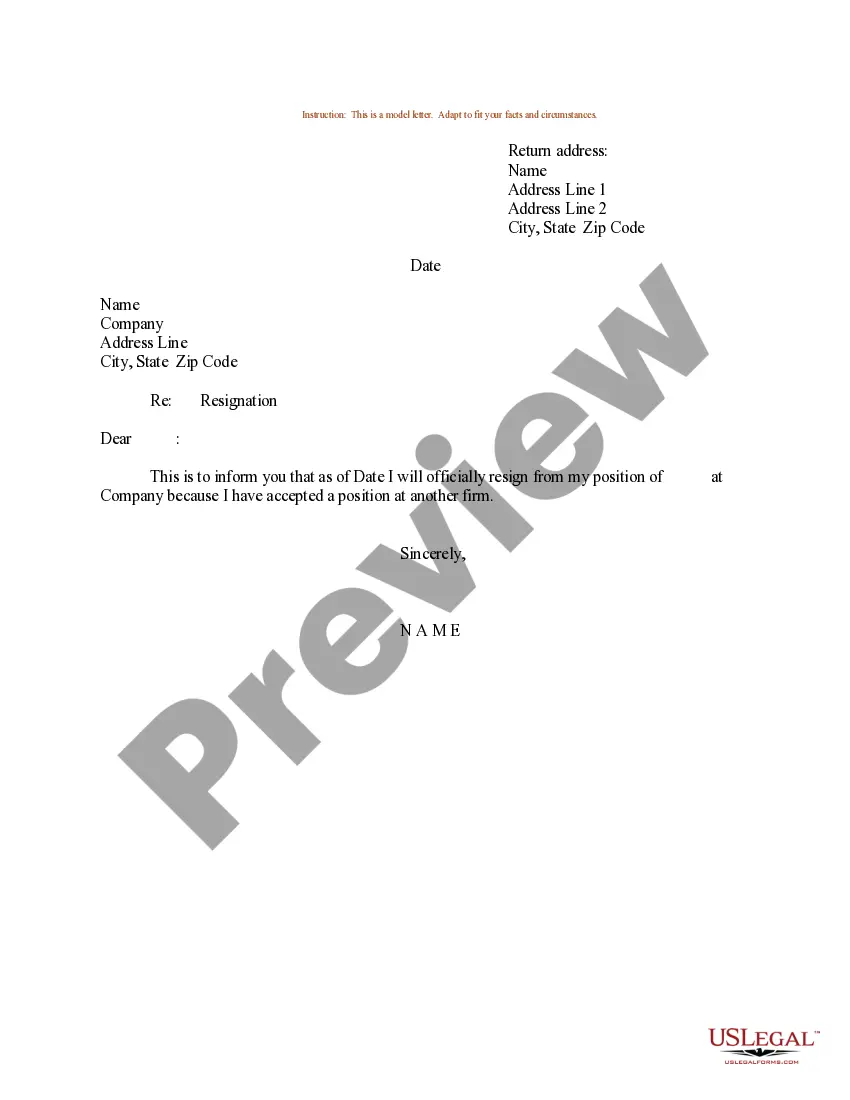
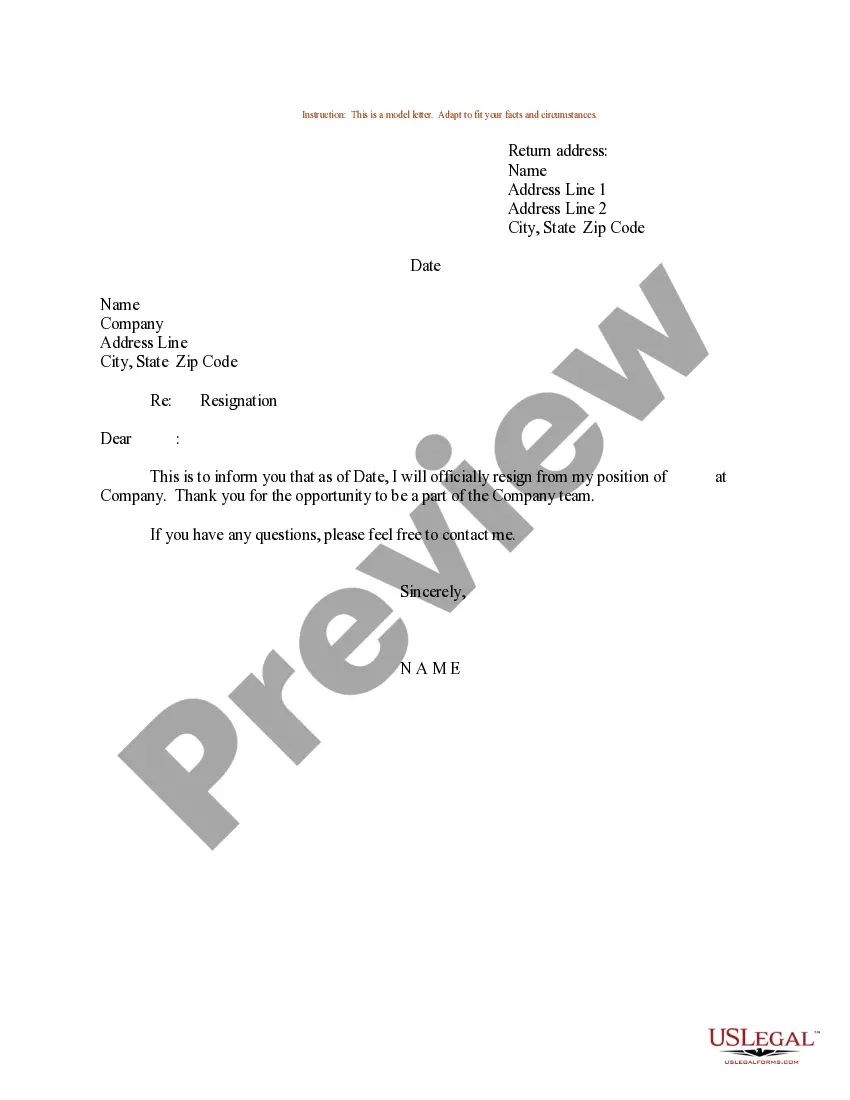
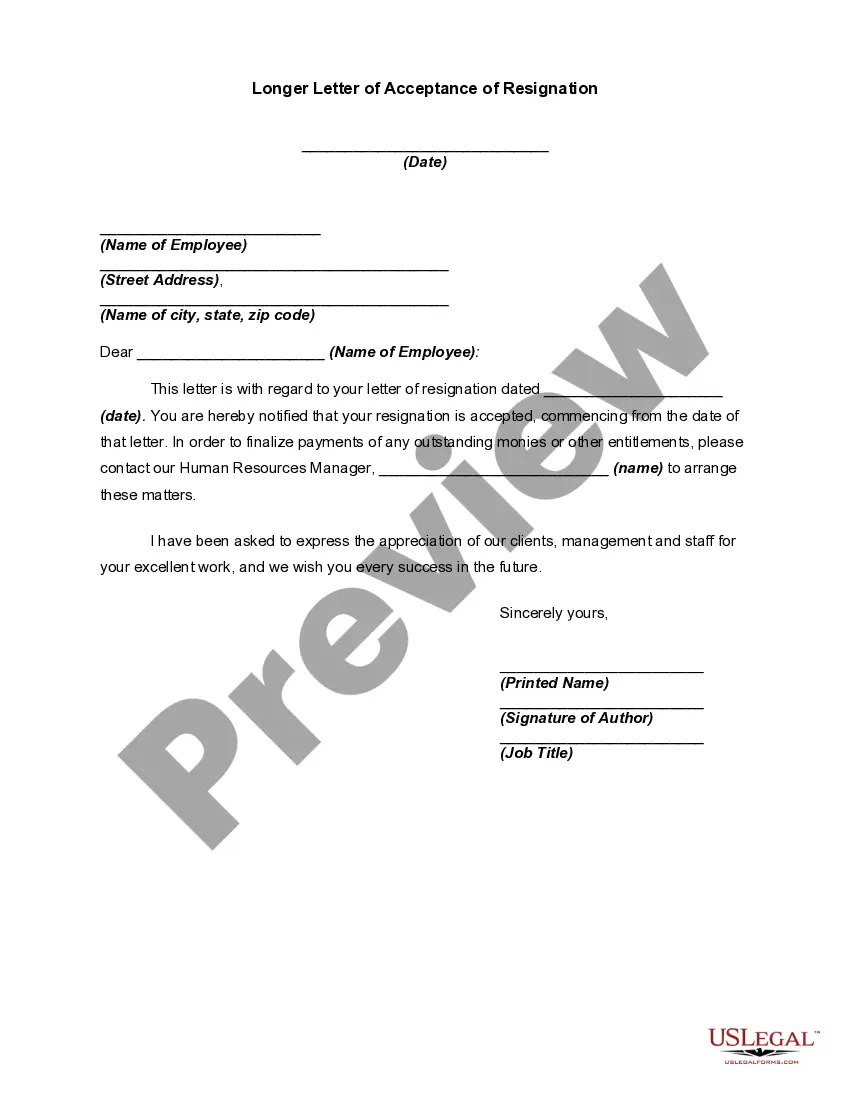

Get your form ready online
Our built-in tools help you complete, sign, share, and store your documents in one place.
Make edits, fill in missing information, and update formatting in US Legal Forms—just like you would in MS Word.
Download a copy, print it, send it by email, or mail it via USPS—whatever works best for your next step.
Sign and collect signatures with our SignNow integration. Send to multiple recipients, set reminders, and more. Go Premium to unlock E-Sign.
If this form requires notarization, complete it online through a secure video call—no need to meet a notary in person or wait for an appointment.
We protect your documents and personal data by following strict security and privacy standards.

Make edits, fill in missing information, and update formatting in US Legal Forms—just like you would in MS Word.

Download a copy, print it, send it by email, or mail it via USPS—whatever works best for your next step.

Sign and collect signatures with our SignNow integration. Send to multiple recipients, set reminders, and more. Go Premium to unlock E-Sign.

If this form requires notarization, complete it online through a secure video call—no need to meet a notary in person or wait for an appointment.

We protect your documents and personal data by following strict security and privacy standards.
Looking for another form?







Form popularity
FAQ
It is usually best practice to hand in your notice and stick to your contractual notice period, but this is not always possible. In some cases, you might have to leave sooner than your agreed notice period. This could be due to a number of reasons, such as family, health, stress or other issues.
Typically, employees are required to provide notice when resigning, the length of which is usually specified in the employment contract. If you choose to resign with immediate effect without serving this notice, it could potentially lead to breaches of contract unless agreed upon by your employer.
A resignation without notice is when an employee resigns from their position without the typical two weeks' notice. When resigning without notice, your letter should state clearly that the resignation will be effective immediately. Adding context and expressing gratitude can help preserve your professional reputation.
A3: Yes, employers can ask an employee to leave immediately upon receiving their resignation. However, consider the potential impact on morale and workload and whether you will compensate the employee for the notice period.
A resignation “with immediate effect” is a breach of the employment contract. Even though the employee is suspended from working, the contract of employment would terminate at the end of the notice period.
Hence, yes, you can resign via email. But we suggest having an online meeting with your supervisor beforehand to give them a heads up.
Dear (Recipient's Name), I am writing to inform you of my immediate resignation from my position at (Company Name). After careful consideration, I have decided that it is in my best interest to conclude my employment with (Company Name) effective immediately.
Can my resignation be “with immediate effect”? Is it a good idea to do so? If you have less than 1 months' service, and no notice provisions in your contract of employment, then you can resign with immediate effect. You otherwise need to give 1 week's statutory notice (or longer if your contract provides for this).
Due to an unexpected personal emergency that requires my ongoing attention, I am unable to continue my duties. This situation necessitates my immediate departure from the company. I apologize for the short notice and any inconvenience this may cause.

