Resignation Letters For Managers In Maryland
Description

Get your form ready online
Our built-in tools help you complete, sign, share, and store your documents in one place.
Make edits, fill in missing information, and update formatting in US Legal Forms—just like you would in MS Word.
Download a copy, print it, send it by email, or mail it via USPS—whatever works best for your next step.
Sign and collect signatures with our SignNow integration. Send to multiple recipients, set reminders, and more. Go Premium to unlock E-Sign.
If this form requires notarization, complete it online through a secure video call—no need to meet a notary in person or wait for an appointment.
We protect your documents and personal data by following strict security and privacy standards.

Make edits, fill in missing information, and update formatting in US Legal Forms—just like you would in MS Word.

Download a copy, print it, send it by email, or mail it via USPS—whatever works best for your next step.

Sign and collect signatures with our SignNow integration. Send to multiple recipients, set reminders, and more. Go Premium to unlock E-Sign.

If this form requires notarization, complete it online through a secure video call—no need to meet a notary in person or wait for an appointment.

We protect your documents and personal data by following strict security and privacy standards.
Looking for another form?










Form popularity
FAQ
2. Begin with a salutation. Address the letter to your manager or HR representative. You can begin with their name, such as “Ms.
Because of all the emotions involved, do it face-to-face rather than over the phone, through an email, or via text. Resigning in person really is the polite thing to do. Be sure to present your resignation letter and relate your reason for leaving.
Begin the conversation by saying thank you for being a great boss, I really appreciate everything you do for me. If you want to be eloquent think about adding in new year, new beginning comment. Let them know you are giving notice that you intend to end your time there by the date, don't worry about the exact timing.
Consider giving two weeks' notice even if you've only been with your company for a few months. This allows time for your employer to get organized to replace your position. Give at least a two weeks' notice if you've been with your company for more than two years.
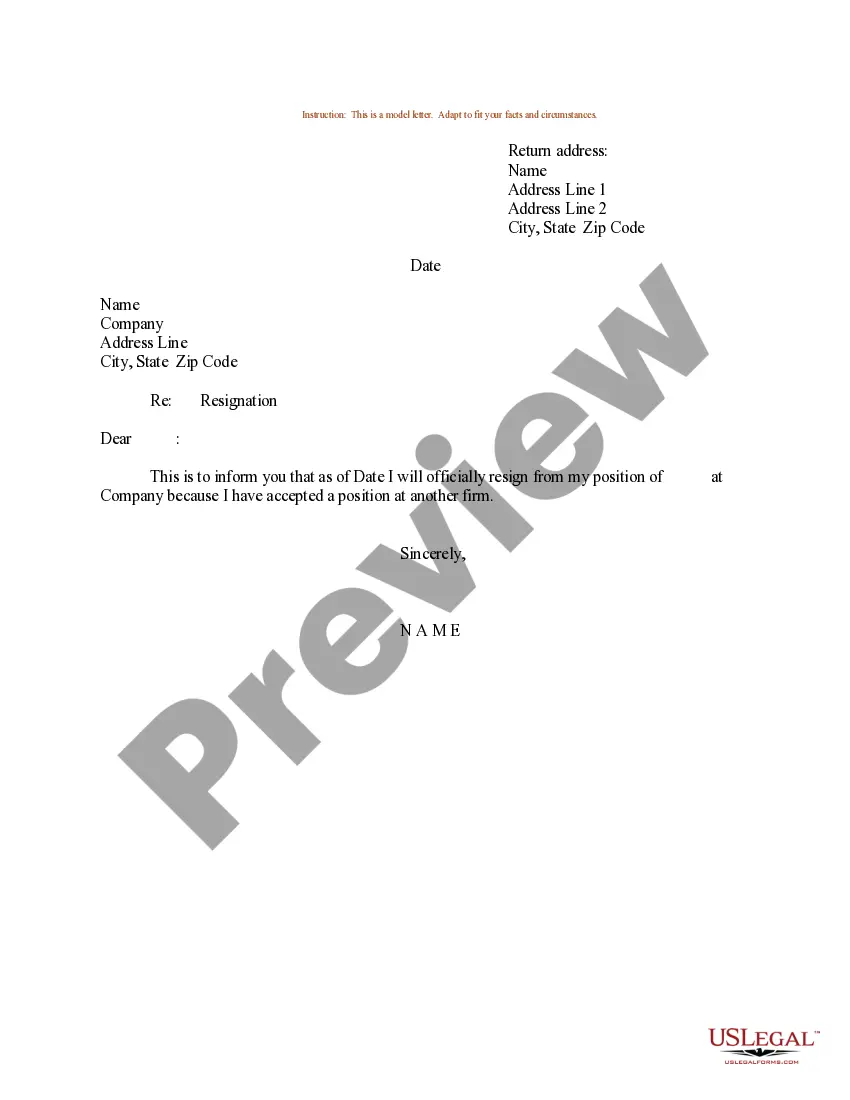
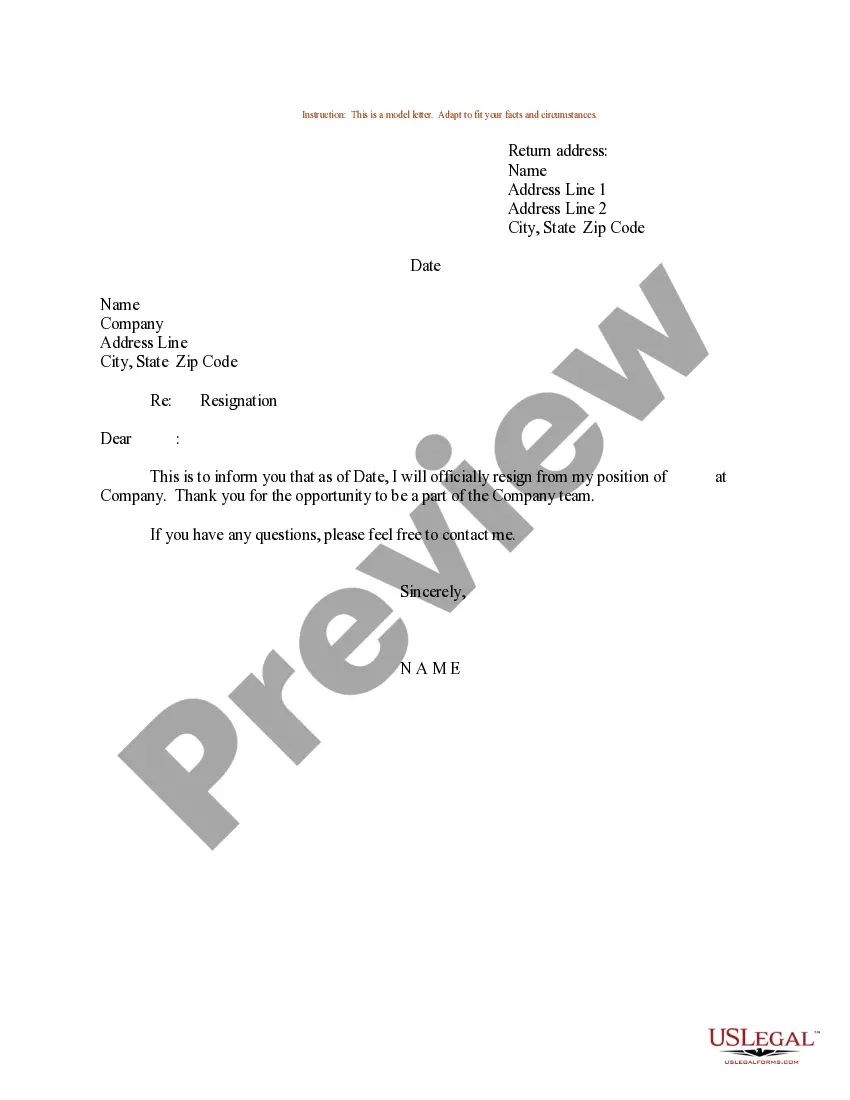
There are three key ingredients to your resignation letter. 1.) Thank your manager for the opportunity and all that you have learned on the job. 2.) Include your resignation date, giving your employer at least two weeks of notice time. 3.) Wish your manager and the company all the best in future endeavors.
Be Transparent: Share your reasons for stepping down, but maintain professionalism and avoid negative comments about the organization. Craft a Message: Prepare a clear and positive message for your team and the organization. Acknowledge your time in the role and express appreciation for the support you've received.
Important Sections in a Manager's Resignation Letter Clear Statement of Resignation. Begin with a direct and unambiguous statement of your intention to resign. Notice Period. Specify your intended last day of work. Transition Plan Overview. Professional Tone and Gratitude. Future Contact Information.
Use these steps to write a resignation letter as an executive: Include all relevant contact information and the date. Write a salutation. Explain the reason for your letter. Express your gratitude. Offer to help with the transition. End on a positive note. Include a sign off.
9) Give Plenty Of Notice You should resign from your current job (the face-to-face part) at least two weeks before you start work at your new job.
Most companies ask you to deliver your resignation letter to your direct supervisor. You may also write to a letter to someone else, such as a more senior manager or member of human resources.

