Contract Law In India In Ohio
Description

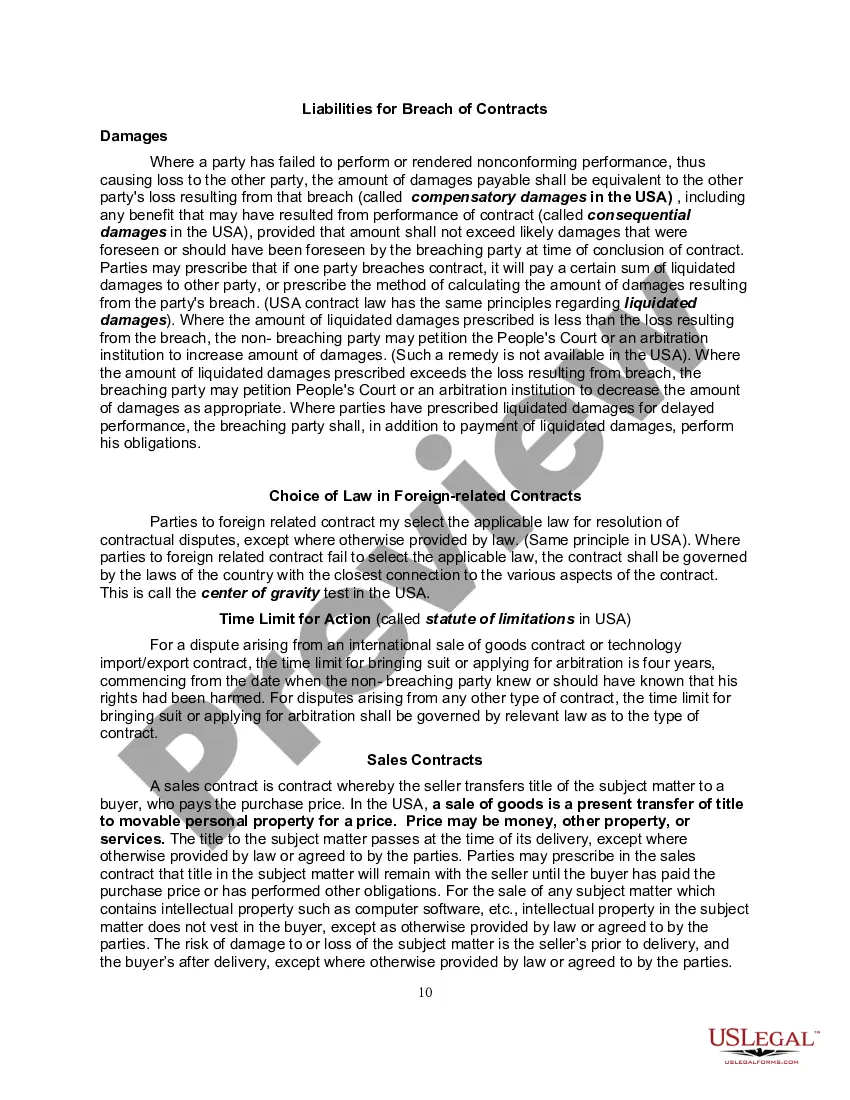



Get your form ready online
Our built-in tools help you complete, sign, share, and store your documents in one place.
Make edits, fill in missing information, and update formatting in US Legal Forms—just like you would in MS Word.
Download a copy, print it, send it by email, or mail it via USPS—whatever works best for your next step.
Sign and collect signatures with our SignNow integration. Send to multiple recipients, set reminders, and more. Go Premium to unlock E-Sign.
If this form requires notarization, complete it online through a secure video call—no need to meet a notary in person or wait for an appointment.
We protect your documents and personal data by following strict security and privacy standards.

Make edits, fill in missing information, and update formatting in US Legal Forms—just like you would in MS Word.

Download a copy, print it, send it by email, or mail it via USPS—whatever works best for your next step.

Sign and collect signatures with our SignNow integration. Send to multiple recipients, set reminders, and more. Go Premium to unlock E-Sign.

If this form requires notarization, complete it online through a secure video call—no need to meet a notary in person or wait for an appointment.

We protect your documents and personal data by following strict security and privacy standards.
Looking for another form?

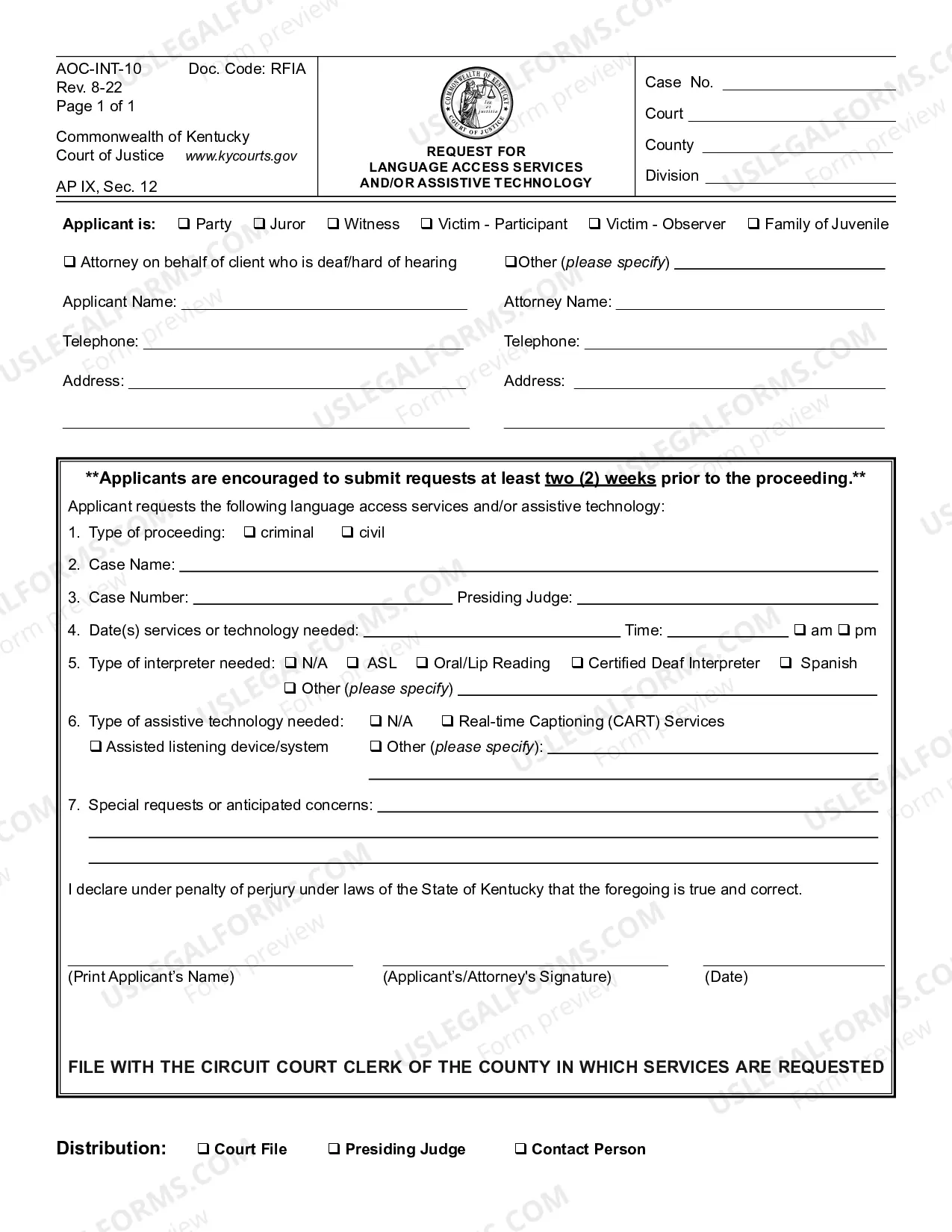





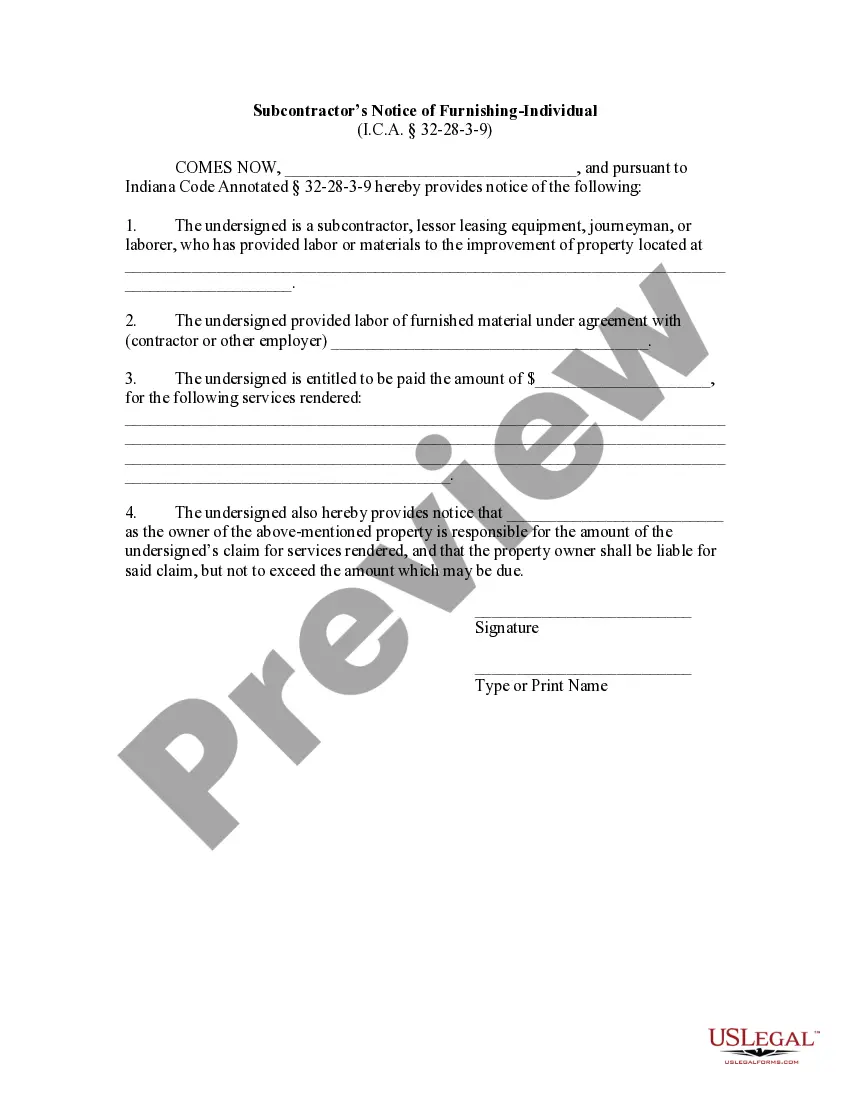

Form popularity
FAQ
In Ohio, for a contract to be legally enforceable, certain elements—like a valid offer, acceptance, and a meeting of the minds—must be present within the document or verbal agreement. These elements help ensure the enforceability of the contract and confirm the agreement is valid and binding under the law.
The seller is required by law to inform the buyer at the time of the sale about their right to cancel and to provide the buyer with a copy of the sales contract and two copies of the cancellation form. The right to cancel lasts until the midnight of the third business day after the sale.
(1) This Act may be called the Contract Labour (Regulation and Abolition) Act, 1970. (2) It extends to the whole of India. (a) to every establishment in which twenty or more workmen, art employed or were employed on any day of the preceding twelve months as contract labour.
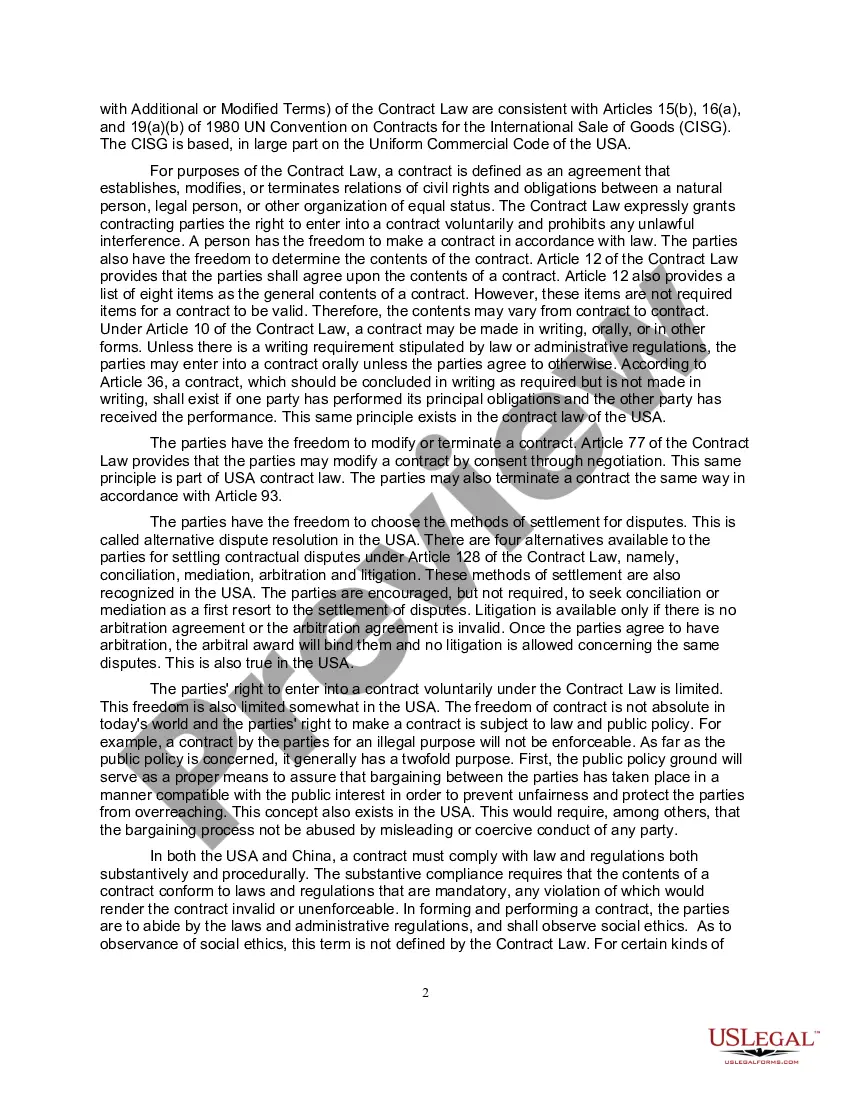
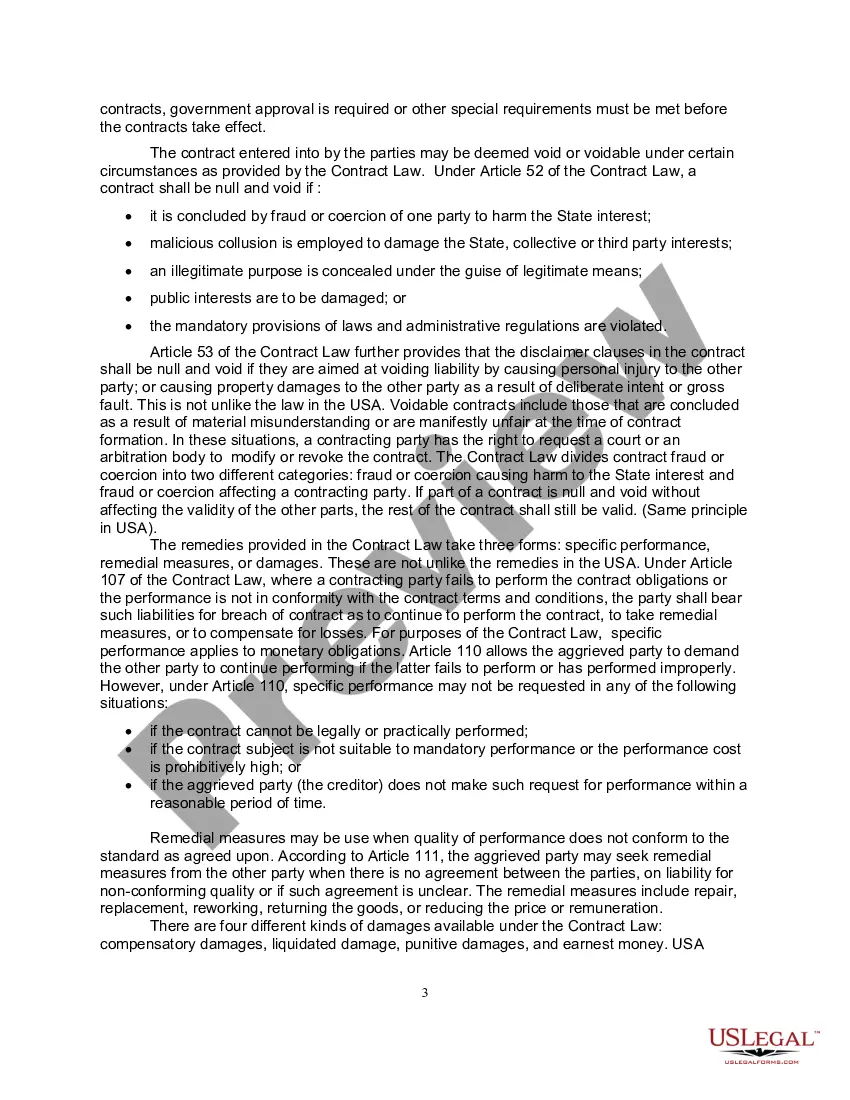
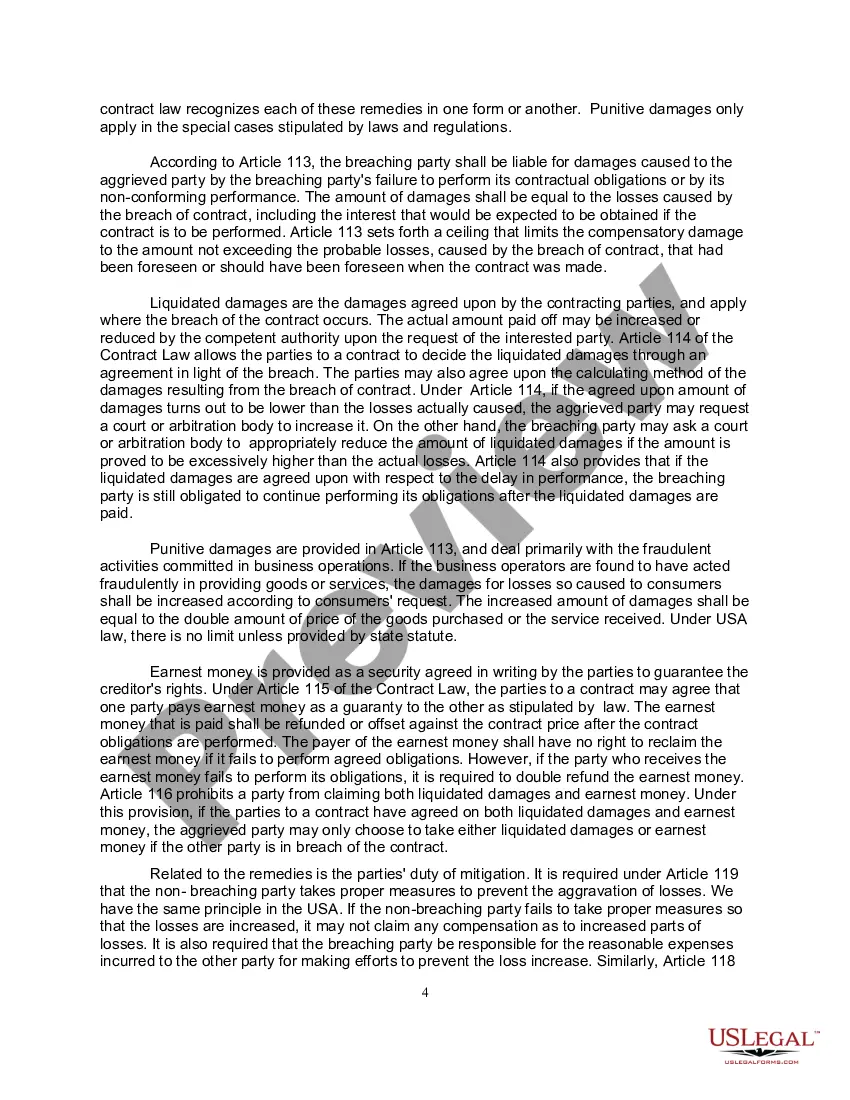
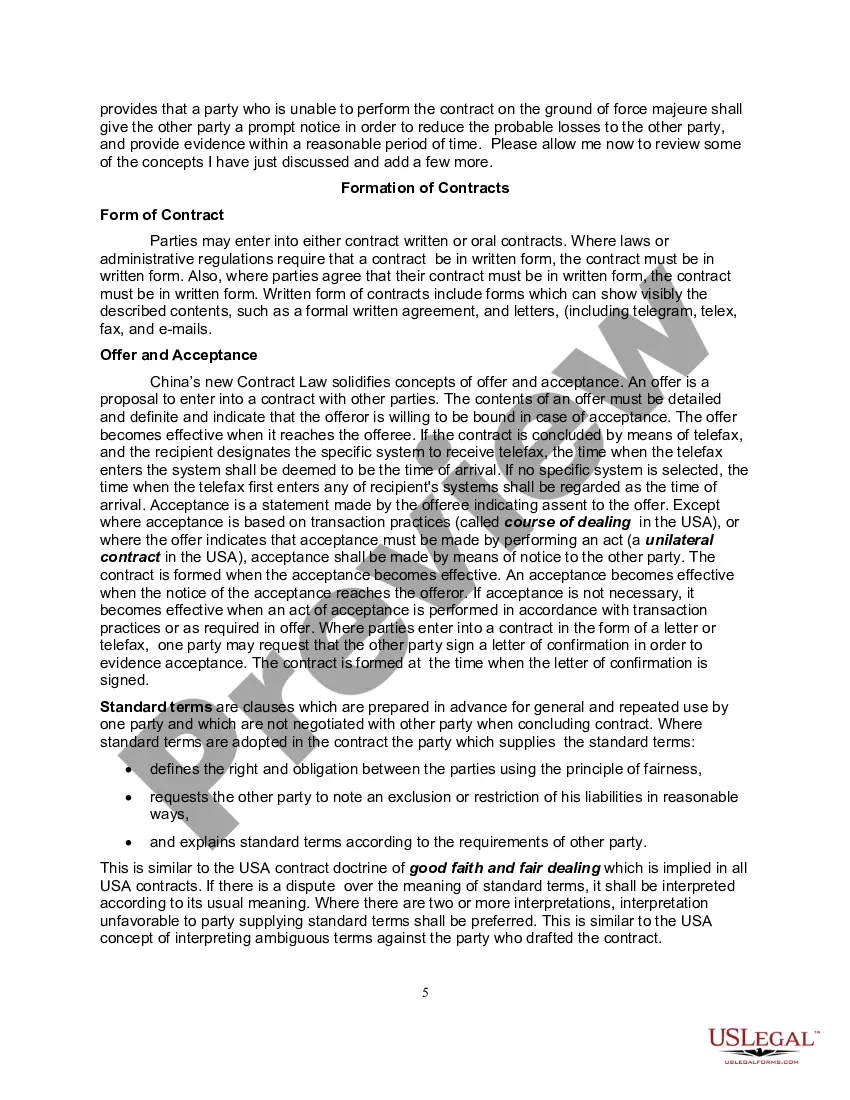
It determines the circumstances in which promises made by the parties to a contract shall be legally binding. Under Section 2(h), the Indian Contract Act defines a contract as an agreement enforceable by Law. To define and amend certain parts of the law relating to contracts.
The general rule is that you can not cancel a contract within 3 days of when you sign it or within any other certain amount of time. You may want to. But that does not mean you have the legal right to cancel it. There is a federal law that gives you the right to cancel certain kinds of sales within 3 days.
Ohio's Home Solicitation Sales Act (starting at Ohio Revised Code (ORC) Section 1345.21) gives consumers three days to cancel sales made in their homes or outside the seller's regular place of business. Credit and debt counseling services: 3 days.
The Federal Trade Commission's Three-Day Rule is also known as "The Cooling-Off Rule" which allows you three days to cancel certain sales. If you were pressured into a sales contract or a deal, this rule is used to protect you. However, this is a very limited rule and will only apply to certain situations.
The standard form of contract in India is governed by the rules of the Indian Contract Act of 1872. There is no differentiation in India between a general contract and a standard form contract.
A written agreement comprising commitments and duties that must be met by two or more parties is called a contract. Since only the parties to the written agreement have legal standing and it is enforced by law, violating any of those rights might lead to legal action or even the deal's total repudiation.
In Ohio, for a contract to be legally enforceable, certain elements—like a valid offer, acceptance, and a meeting of the minds—must be present within the document or verbal agreement. These elements help ensure the enforceability of the contract and confirm the agreement is valid and binding under the law.
