Complaint for Negligence Innkeeper Liability - Criminal Activity
What this document covers
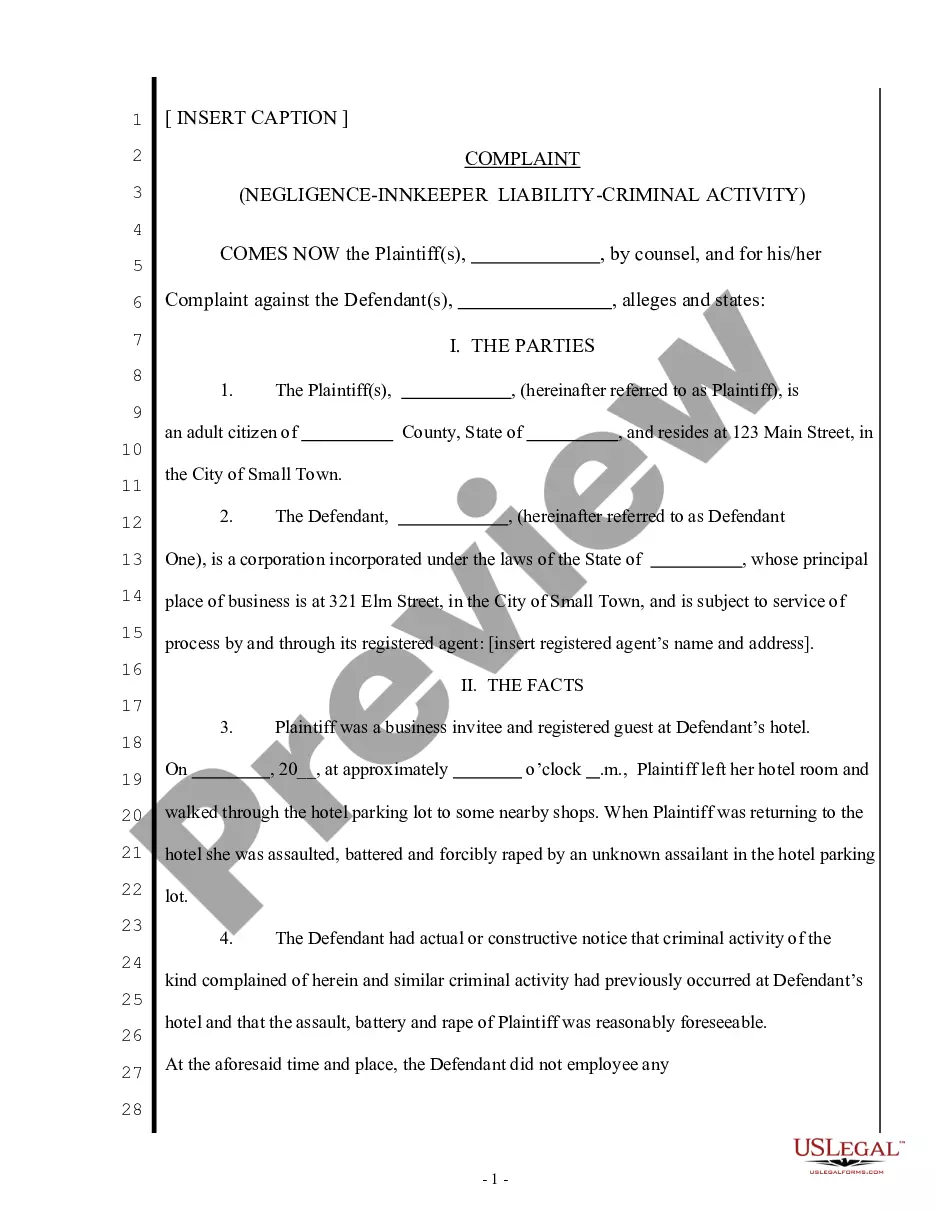
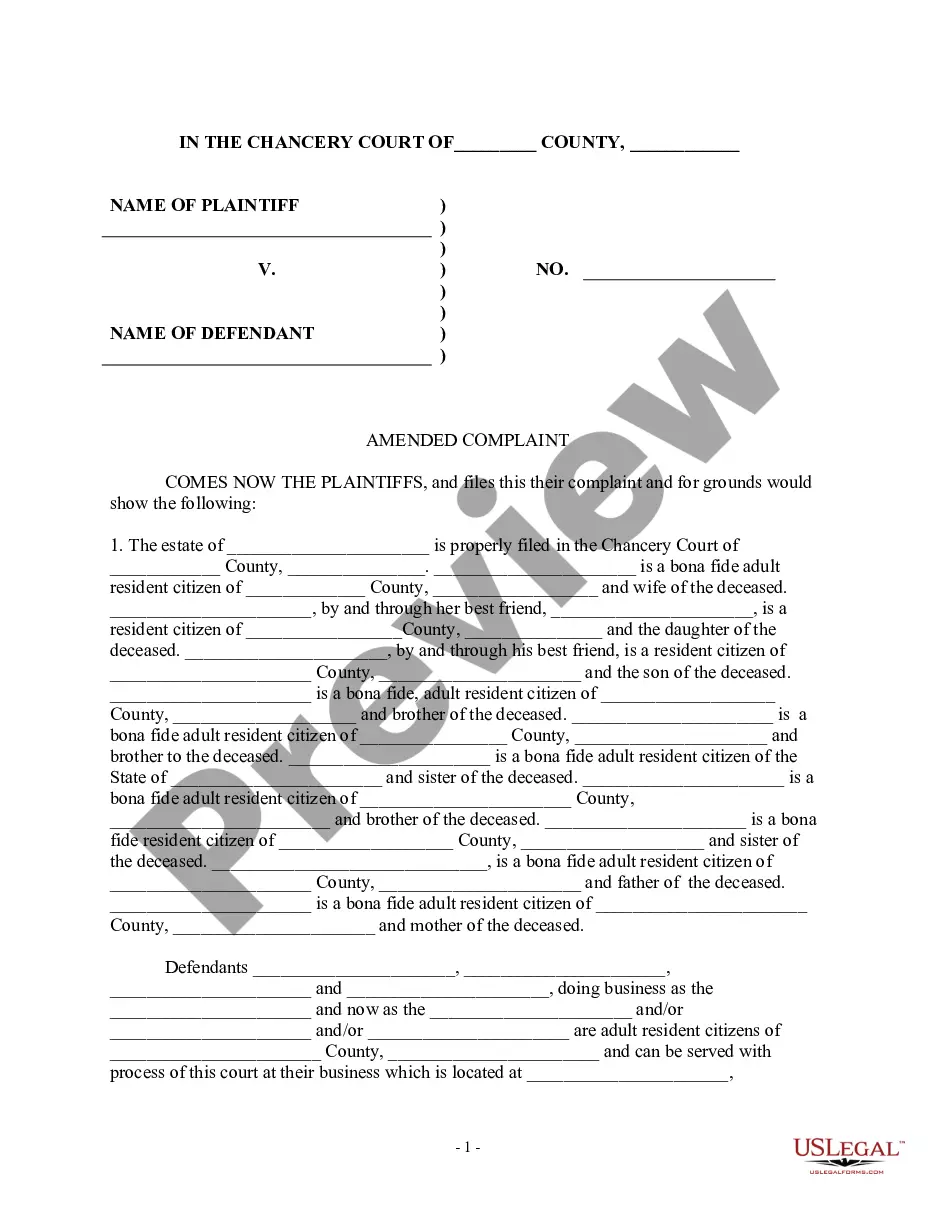
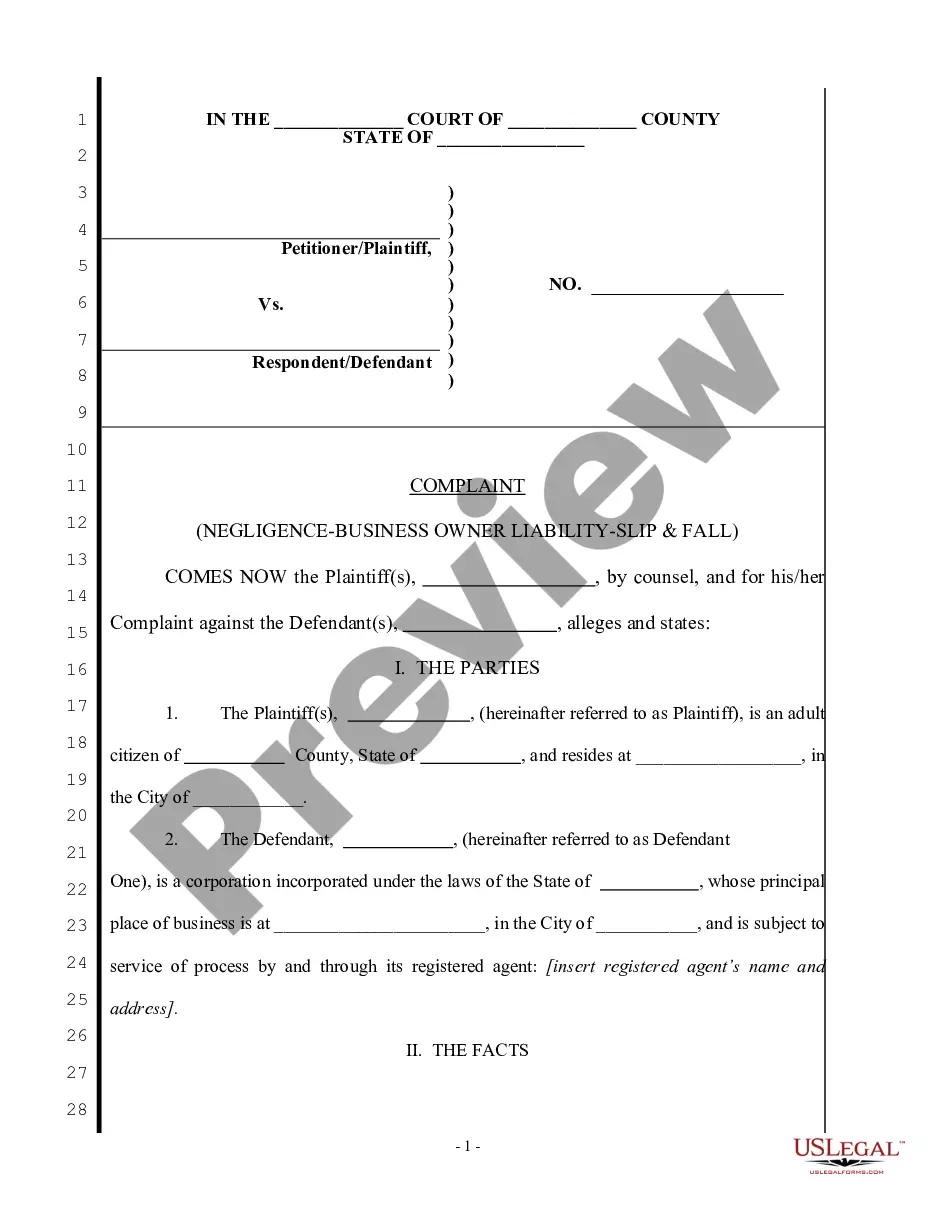
The Complaint for Negligence Innkeeper Liability - Criminal Activity is a legal document that allows a plaintiff to file a lawsuit against an innkeeper or hotel for failing to maintain safe premises, leading to criminal activity. This form is essential for individuals who have suffered harm while a guest due to inadequate security measures. Unlike other forms, this specific complaint focuses on incidents involving criminal acts against registered guests, emphasizing the innkeeper's duty to provide a safe environment.
What’s included in this form
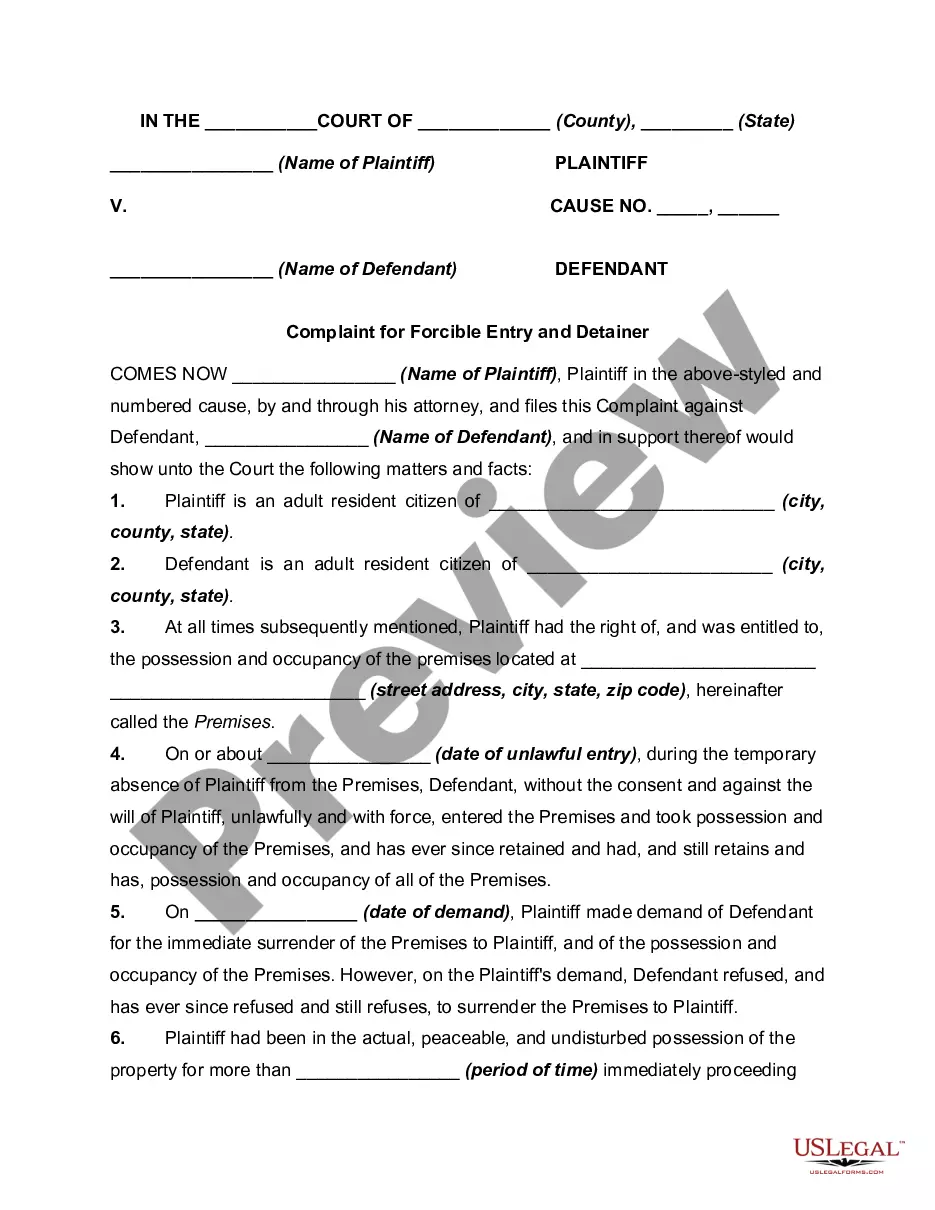
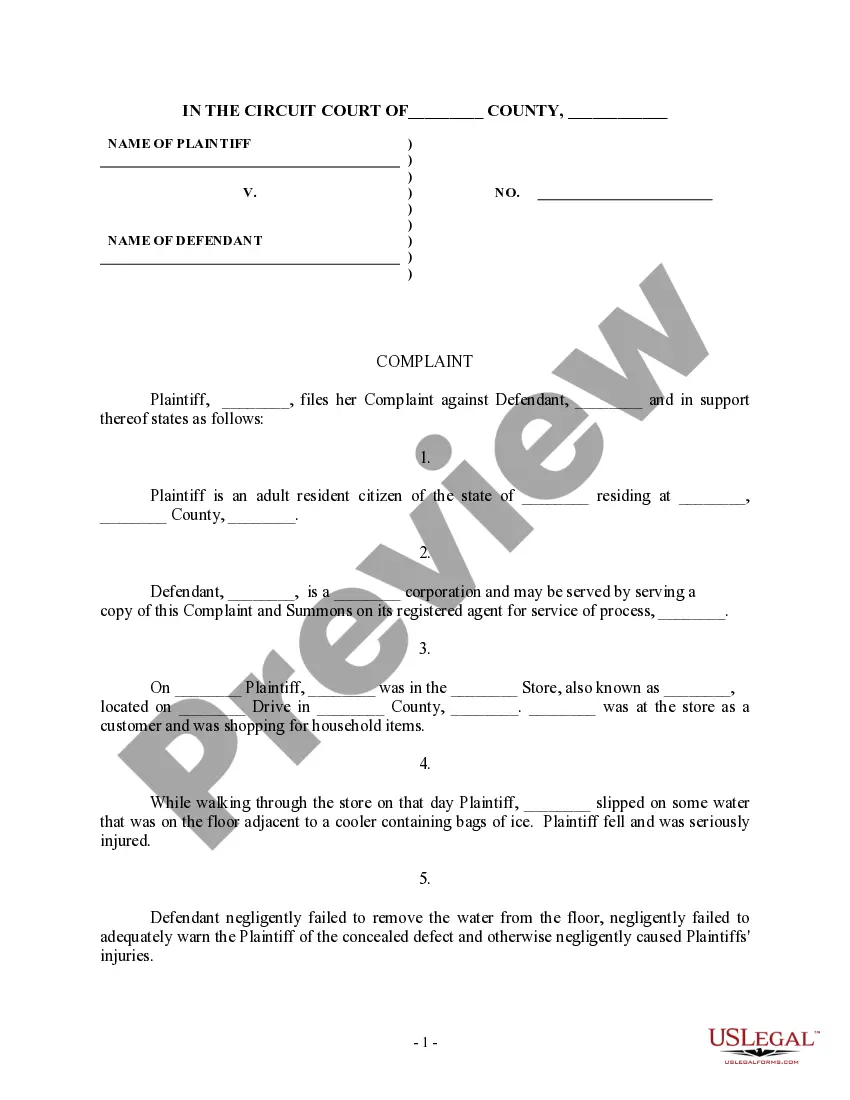
- Identification of the parties involved, including the plaintiff and defendant.
- Statement of facts outlining the circumstances of the incident.
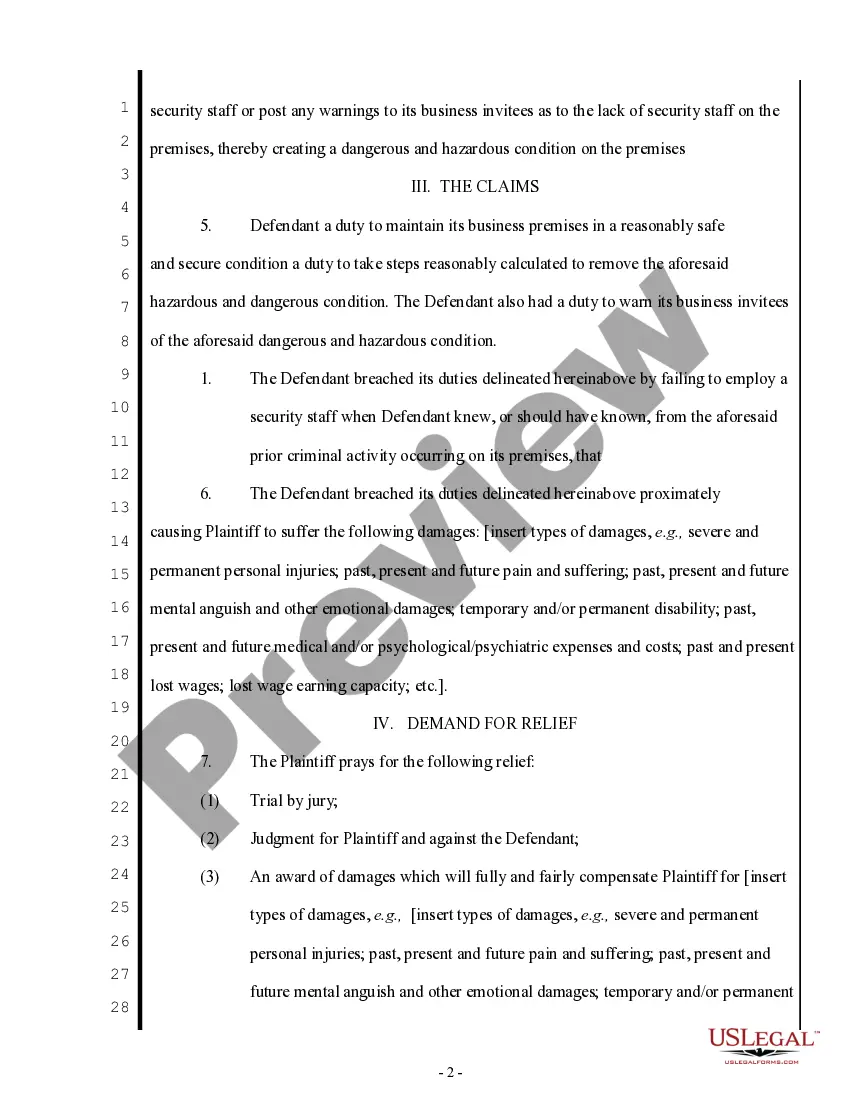
- Claims detailing the legal duties of the defendant and how they were breached.
- Description of damages suffered by the plaintiff, including medical and emotional impacts.
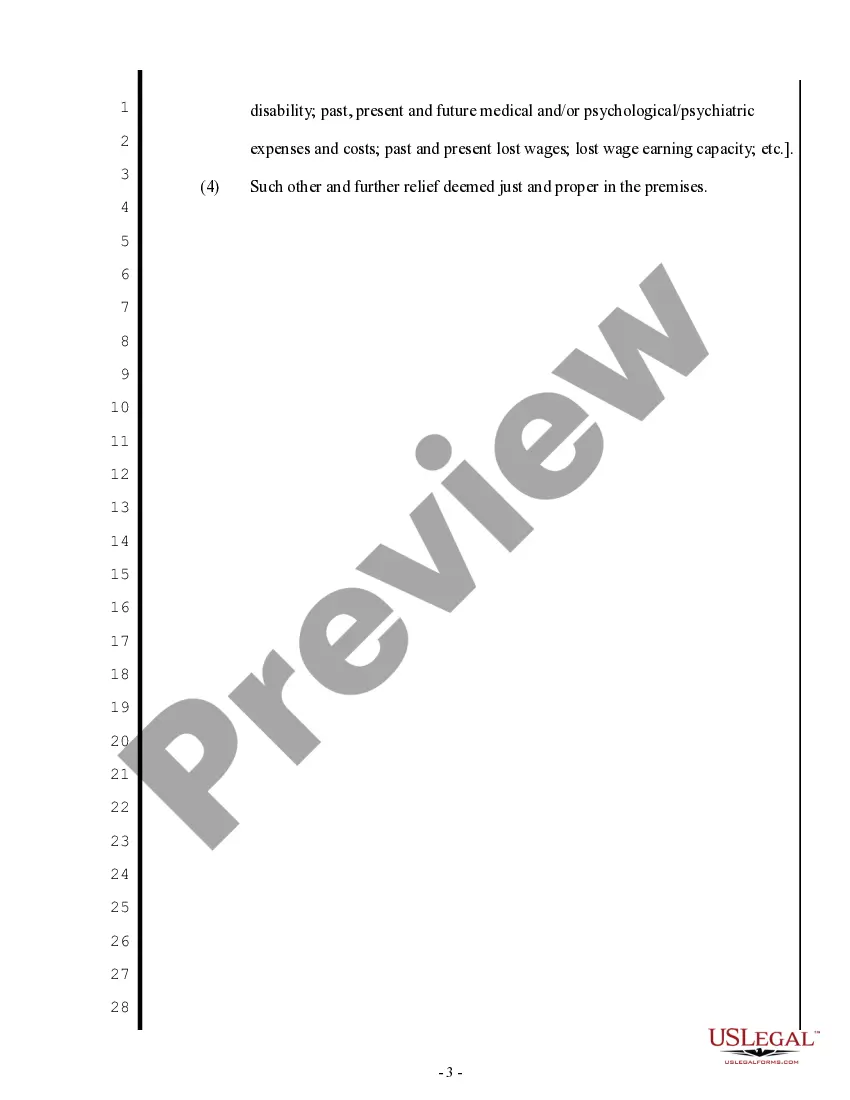
- Demand for relief specifying the compensation sought from the defendant.

When to use this document
This form should be used when an individual who was a guest at a hotel or similar establishment has experienced harm due to criminal activity on the premises. If an innkeeper failed to provide adequate security, leading to an incident such as assault or battery, this complaint can be filed to seek damages. It is particularly relevant in cases where the innkeeper had prior knowledge of similar incidents, indicating a failure to act responsibly.
Who should use this form
This form is intended for:
- Individuals who are victims of criminal acts while staying at a hotel.
- Legal representatives or counsel filing on behalf of victims seeking compensation.
- Anyone with a legitimate grievance against an innkeeper for negligence in ensuring guest safety.
How to complete this form
- Identify the plaintiff and defendant by including their full names and addresses.
- Provide a detailed account of the incident, specifying the date and time it occurred.
- State the nature of the injuries or damages suffered as a result of the incident.
- List the legal duties the innkeeper breached and how these failures contributed to the incident.
- Specify the relief sought, including types of damages being requested.
Does this form need to be notarized?
Notarization is generally not required for this form. However, certain states or situations might demand it. You can complete notarization online through US Legal Forms, powered by Notarize, using a verified video call available anytime.
Get your form ready online
Our built-in tools help you complete, sign, share, and store your documents in one place.
Make edits, fill in missing information, and update formatting in US Legal Forms—just like you would in MS Word.
Download a copy, print it, send it by email, or mail it via USPS—whatever works best for your next step.
Sign and collect signatures with our SignNow integration. Send to multiple recipients, set reminders, and more. Go Premium to unlock E-Sign.
If this form requires notarization, complete it online through a secure video call—no need to meet a notary in person or wait for an appointment.
We protect your documents and personal data by following strict security and privacy standards.

Make edits, fill in missing information, and update formatting in US Legal Forms—just like you would in MS Word.

Download a copy, print it, send it by email, or mail it via USPS—whatever works best for your next step.

Sign and collect signatures with our SignNow integration. Send to multiple recipients, set reminders, and more. Go Premium to unlock E-Sign.

If this form requires notarization, complete it online through a secure video call—no need to meet a notary in person or wait for an appointment.

We protect your documents and personal data by following strict security and privacy standards.
Common mistakes to avoid
- Failing to include all necessary parties in the complaint.
- Not providing sufficient details regarding the incident and damages incurred.
- Overlooking the specific legal duties of the defendant, making claims less credible.
- Neglecting to check state-specific requirements that may affect the filing process.
Benefits of using this form online
- Convenient and easy access to the form, allowing for quick downloads.
- Editable fields to tailor the document to individual circumstances.
- Reliability assured by templates drafted by licensed attorneys.
- Time-saving features streamline the process of preparing legal documents.
Looking for another form?



Form popularity
FAQ
Prevent Jeopardizing Liability Coverage. A business can lose its liability coverage. Operate as the Correct Business Entity. Protection for Personal Injury. Private Property Damage Coverage. Retain a Business Law Attorney. Bottom Line.
While negligence cases can be relatively simple to prove in some instances, many will be fought in court. Securing legal representation now can put you in the best position to fight for your rights and the compensation you are entitled to.
Definition. A failure to behave with the level of care that someone of ordinary prudence would have exercised under the same circumstances. The behavior usually consists of actions, but can also consist of omissions when there is some duty to act (e.g., a duty to help victims of one's previous conduct).
Negligence claims must prove four things in court: duty, breach, causation, and damages/harm. Generally speaking, when someone acts in a careless way and causes an injury to another person, under the legal principle of "negligence" the careless person will be legally liable for any resulting harm.
Do you want to hold another party accountable for their negligent behavior? Doing so means you and your lawyer must prove the five elements of negligence: duty, breach of duty, cause, in fact, proximate cause, and harm.
Duty of care. Breach of duty. Causation (cause in fact) Proximate cause. Damages.
Assumption of Risk Under the assumption of risk defense, a defendant can avoid liability for his negligence by establishing that the plaintiff voluntarily consented to encounter a known danger created by the defendant's negligence. Assumption of risk may be express or implied.
These are duty of care, breach and causation. If a plaintiff successfully proves these three elements, then the final part of a negligence claim involves damages.
A person is liable if he or she was negligent in causing the accident. Persons who act negligently never set out (intend) to cause a result like an injury to another person. Rather, their liability stems from careless or thoughtless conduct or a failure to act when a reasonable person would have acted.