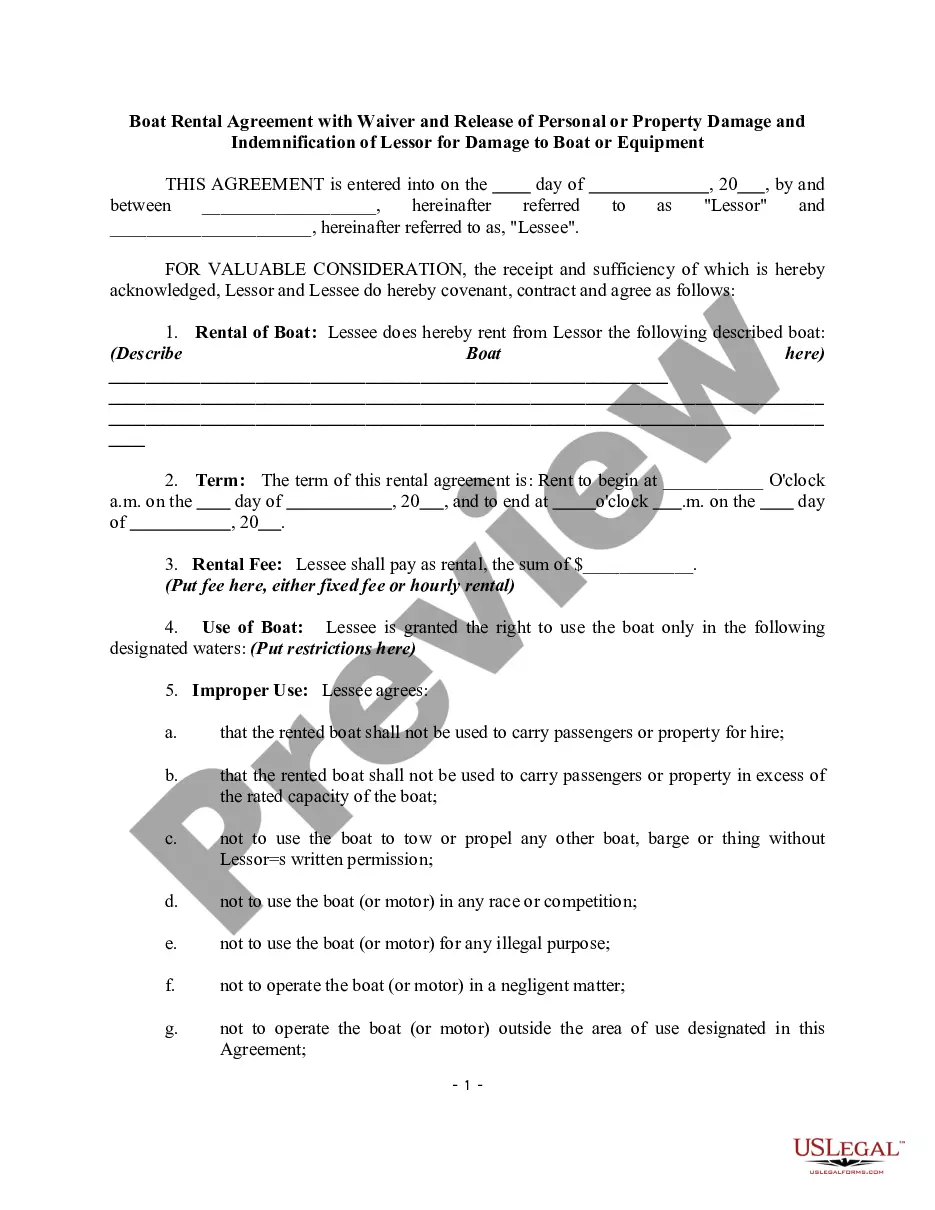
Contract Law For Paralegals In Collin
Description

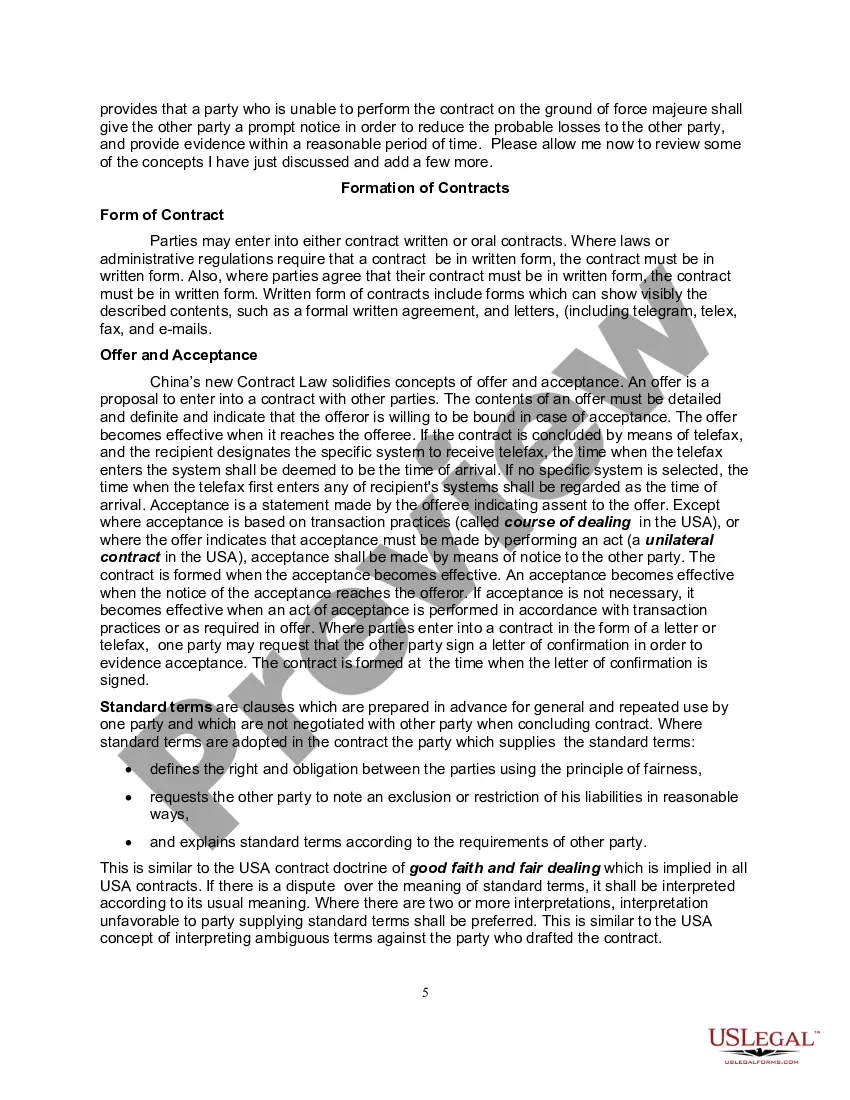
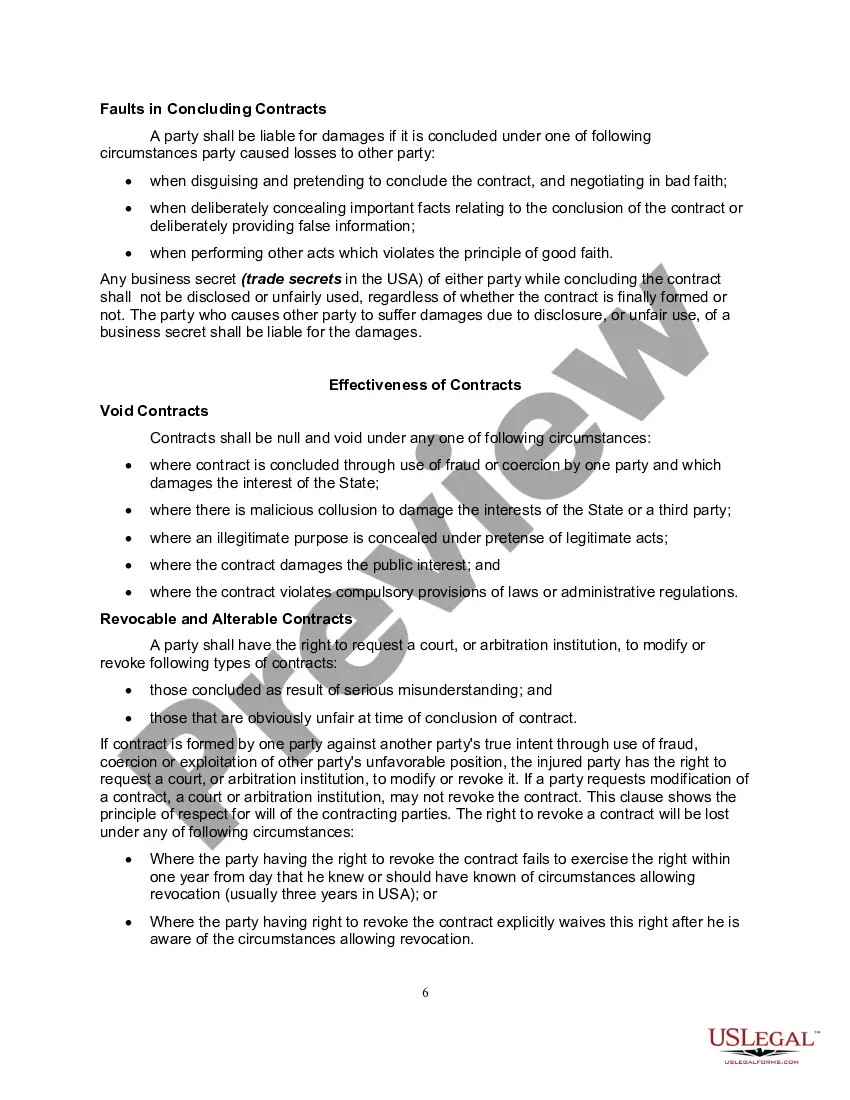
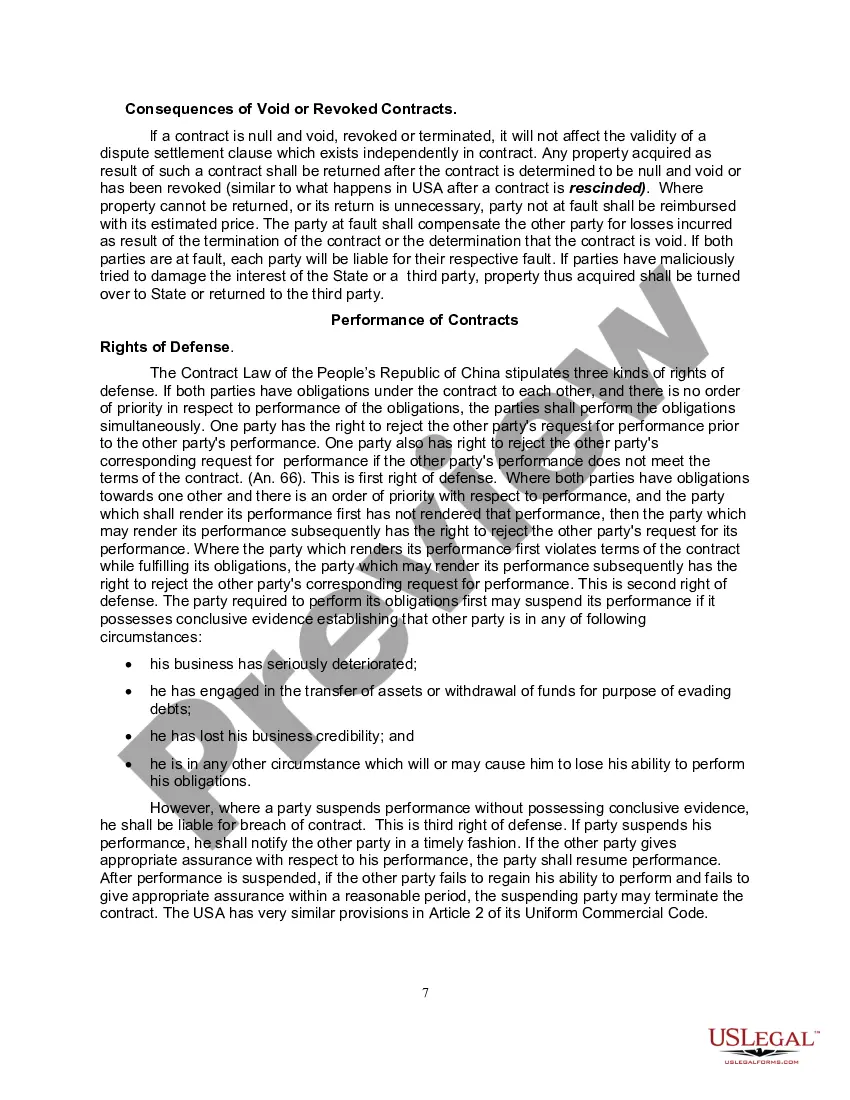
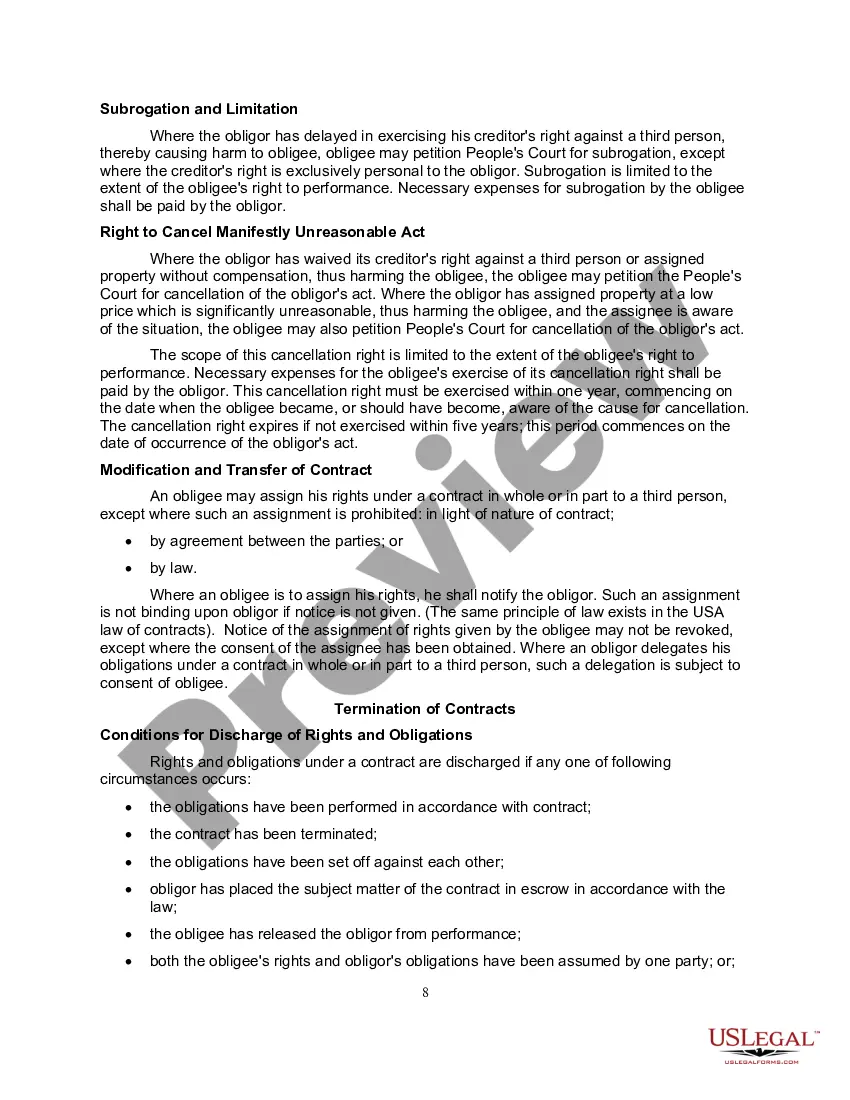


Get your form ready online
Our built-in tools help you complete, sign, share, and store your documents in one place.
Make edits, fill in missing information, and update formatting in US Legal Forms—just like you would in MS Word.
Download a copy, print it, send it by email, or mail it via USPS—whatever works best for your next step.
Sign and collect signatures with our SignNow integration. Send to multiple recipients, set reminders, and more. Go Premium to unlock E-Sign.
If this form requires notarization, complete it online through a secure video call—no need to meet a notary in person or wait for an appointment.
We protect your documents and personal data by following strict security and privacy standards.

Make edits, fill in missing information, and update formatting in US Legal Forms—just like you would in MS Word.

Download a copy, print it, send it by email, or mail it via USPS—whatever works best for your next step.

Sign and collect signatures with our SignNow integration. Send to multiple recipients, set reminders, and more. Go Premium to unlock E-Sign.

If this form requires notarization, complete it online through a secure video call—no need to meet a notary in person or wait for an appointment.

We protect your documents and personal data by following strict security and privacy standards.
Looking for another form?








Form popularity
FAQ
Completion of a baccalaureate degree and one year of in-house paralegal training/li> Completion of five years of work in a legal setting under the supervision of a lawyer including one year of in-house paralegal training.
Under California Business and Professions Code section 6450 (b) paralegals are not permitted to: Give legal advice. Represent a client in court. Select, explain, draft, or recommend the use of legal documents to or for any person other than the attorney who directs and supervises the paralegal.
There is no mandatory certification or licensing for paralegals in Kentucky. However, the Kentucky Paralegal Association's Certified Paralegal Program promotes competence and high standards of professional responsibility. Through this voluntary program, qualified individuals can become Certified Kentucky Paralegals.
Paralegals with expertise in high-demand practice areas such as intellectual property, corporate law, real estate, or healthcare law often earn higher salaries. Specializing in a niche area can make a paralegal more valuable to employers.
A contract paralegal cannot work directly with the public; under California law, paralegals must work under the direction and supervision of an active member of the State Bar of California, or an attorney practicing law in the federal courts of this state.
Certification is proof of passing a third-party course, such as the Certified Paralegal exam through NALA (National Association of Legal Assistants). A paralegal degree is an accredited credential offered through a college or university, such as an associate degree or a bachelor's degree.
Individuals wishing to work in the paralegal field typically will need one of the following: a paralegal certificate, a college degree, the CLA credential, or experience in the legal field. Some large law firms and corporate legal departments seek job candidates with both a college degree and a paralegal certificate.
These Rules state that a paralegal shall not: · Enter into the attorney-client relationship; · Negotiate fees with a client; · Appear in court on behalf of a client; and/or · Give legal advice In other words, the Unauthorized Practice of Law or “UPL”. UPL is described in more detail below.
Even though paralegals do a lot of the administrative work within a firm, know the law, and work with clients, they are not lawyers. Paralegals cannot give legal advice, make decisions on behalf of clients, or represent clients in court as they are not licensed attorneys.
Paralegals play a crucial role in assisting attorneys with various tasks, including contract drafting. While paralegals are not authorized to practice law independently, they have the necessary skills and knowledge to draft contracts under the supervision of attorneys.