Boat Contract With Us Navy In California
Description

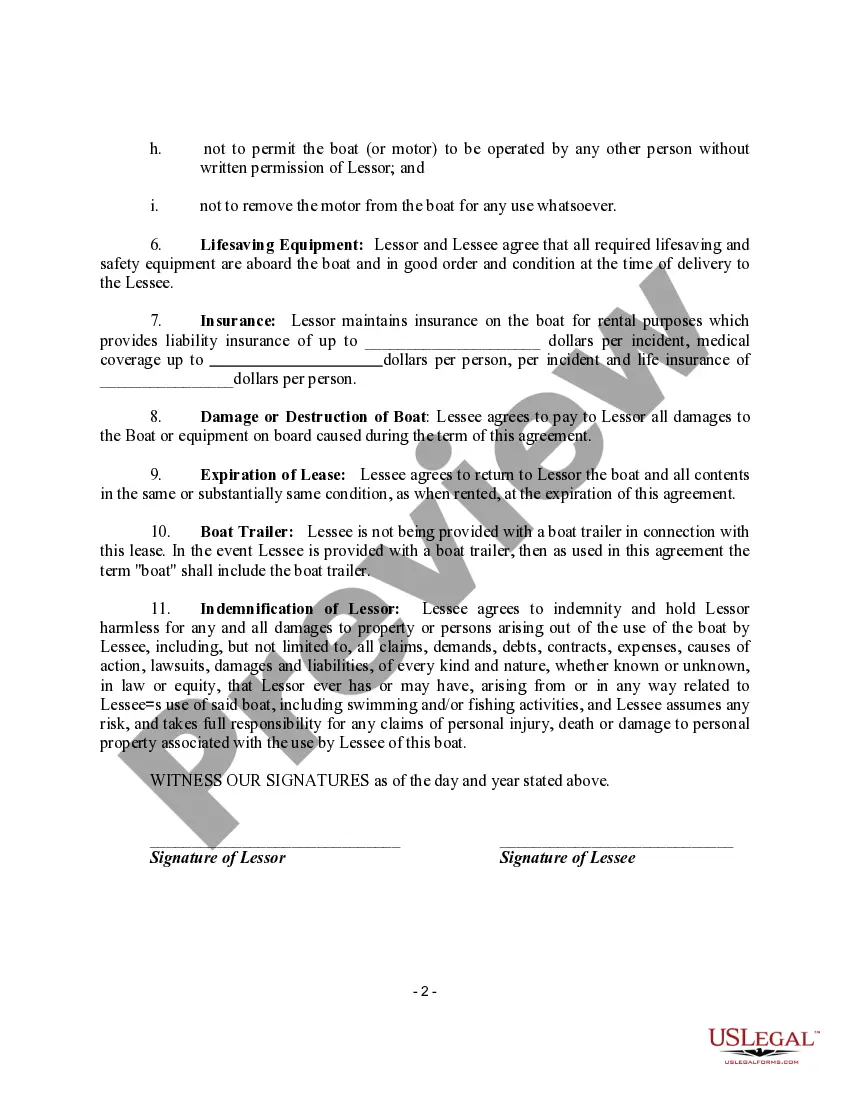
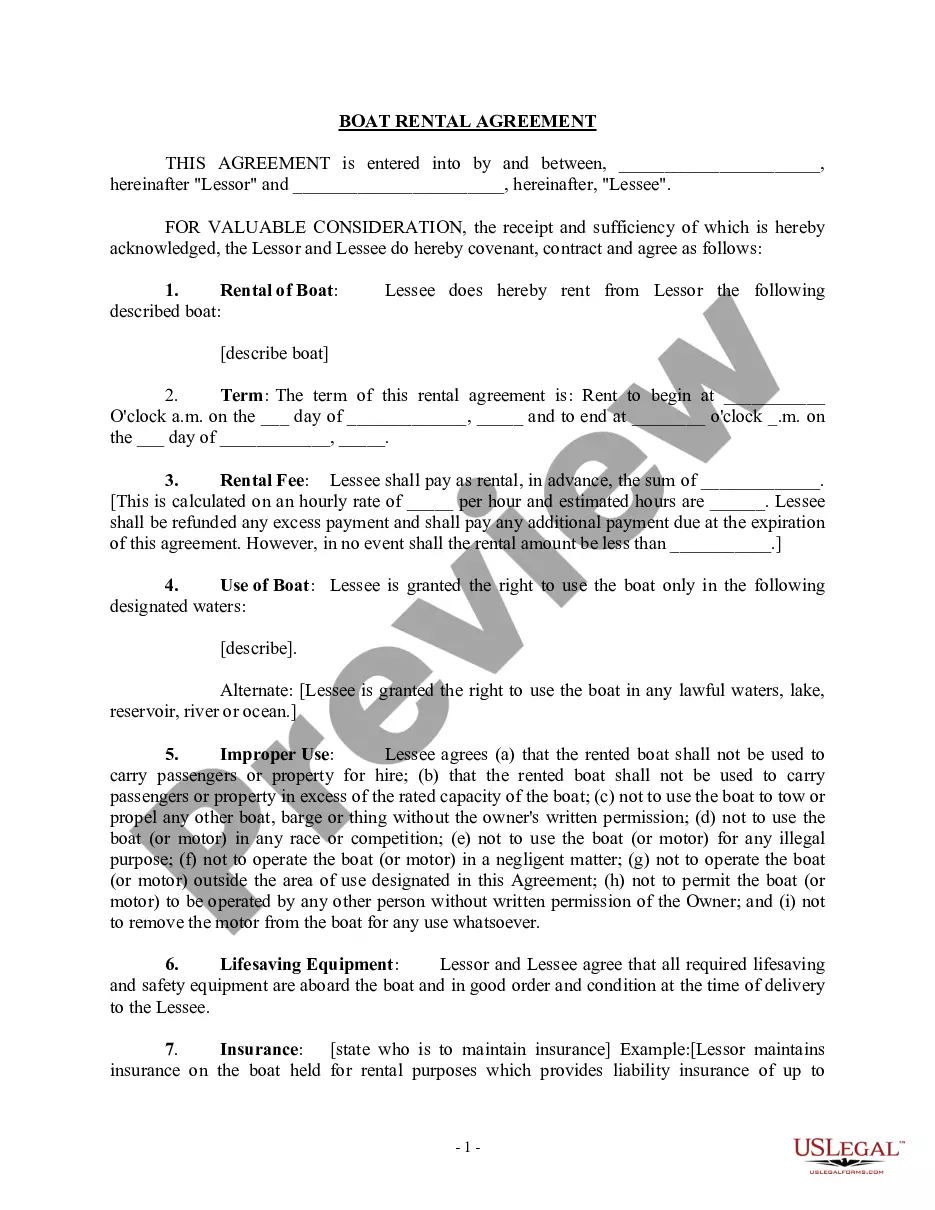
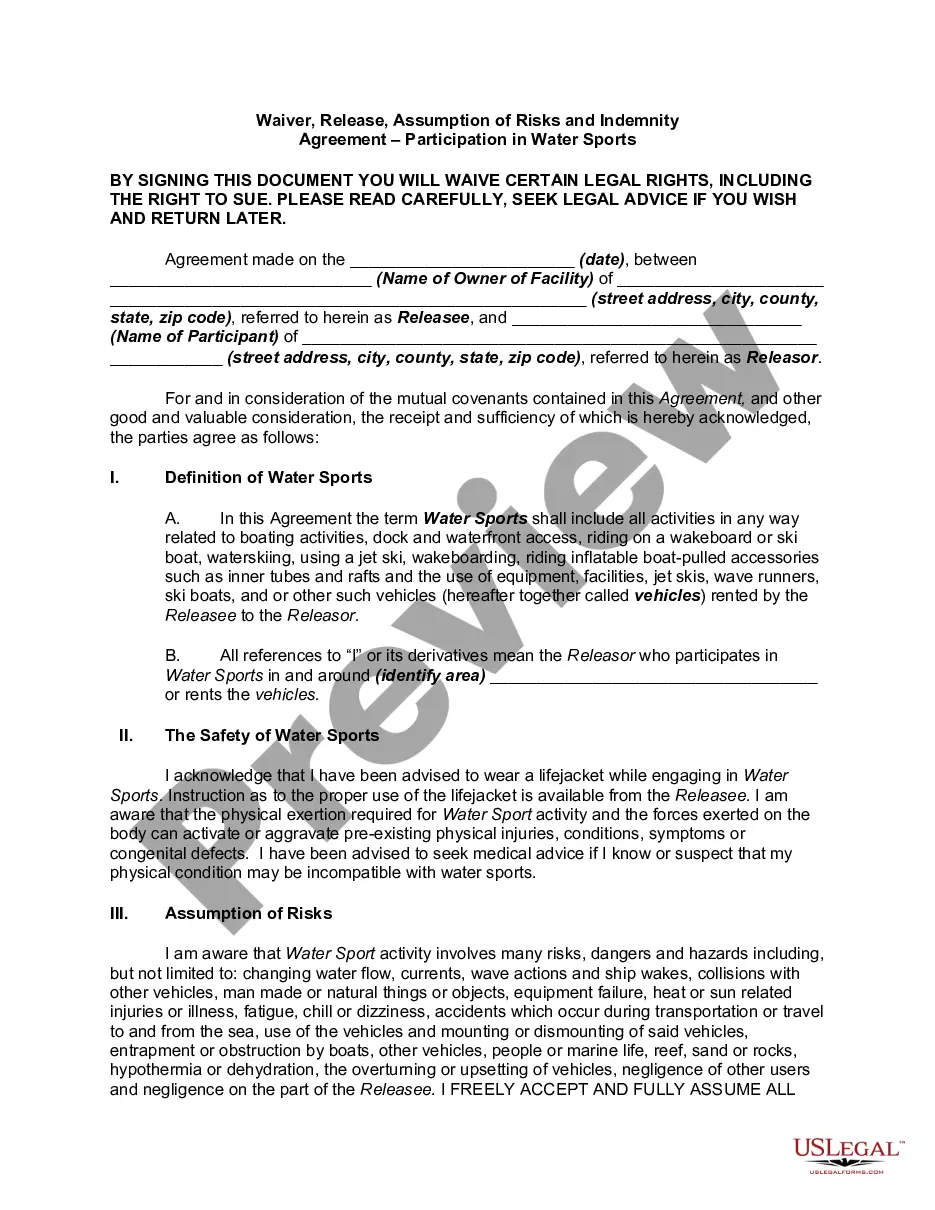
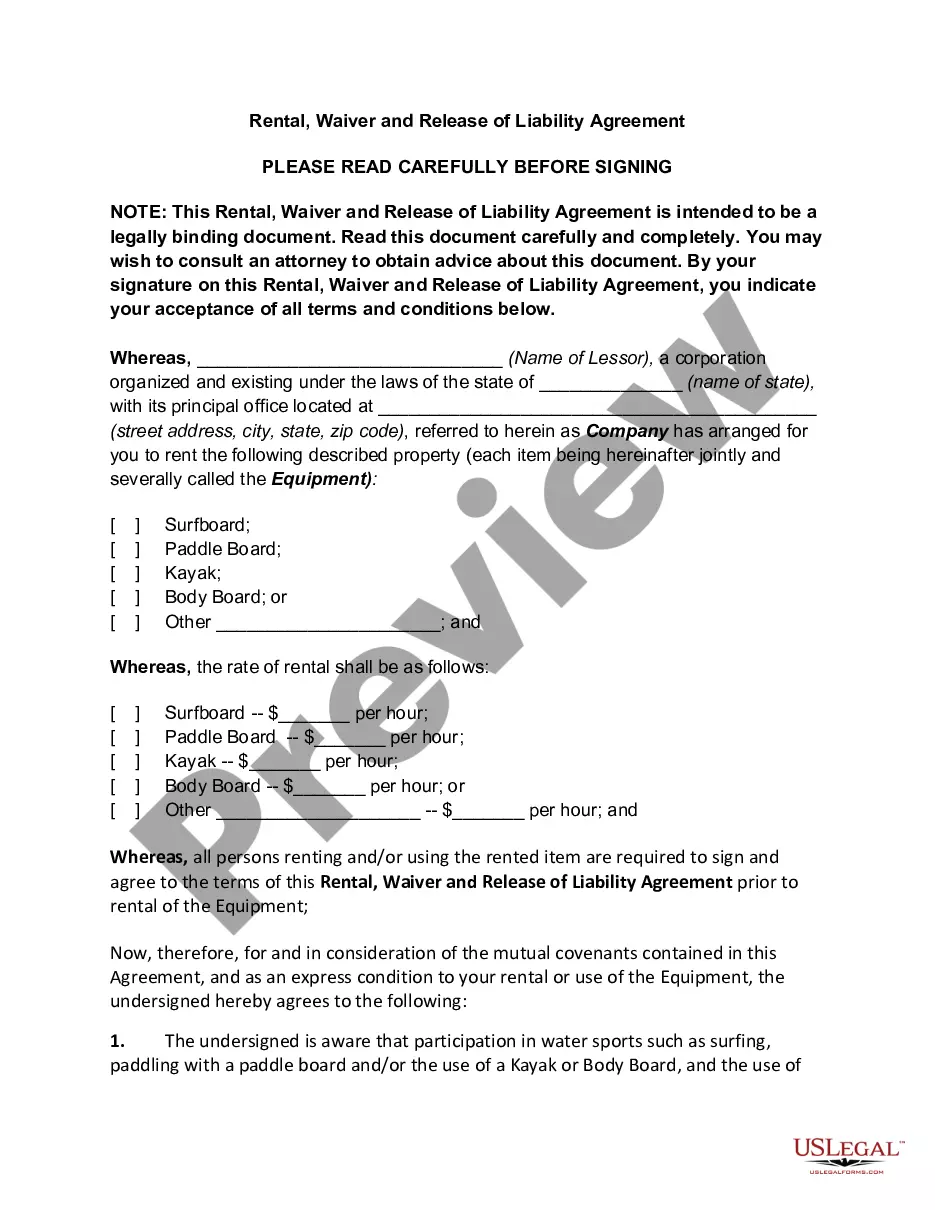
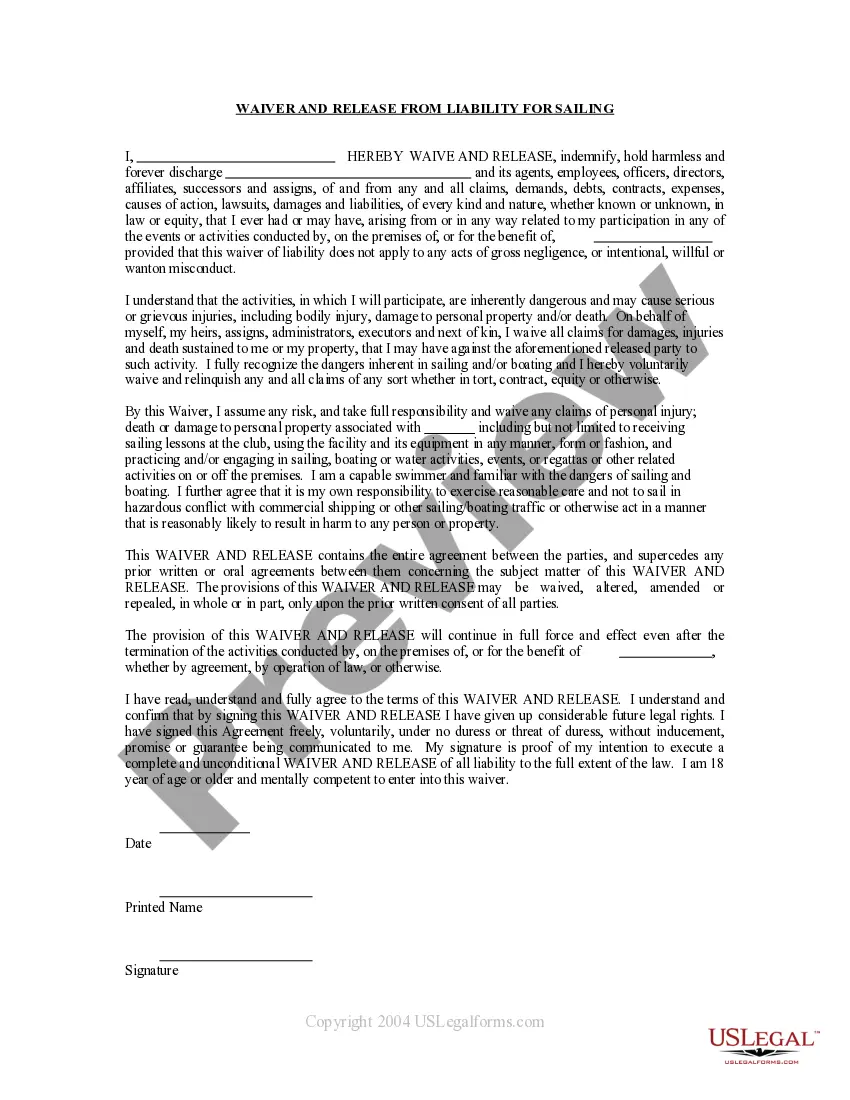
Get your form ready online
Our built-in tools help you complete, sign, share, and store your documents in one place.
Make edits, fill in missing information, and update formatting in US Legal Forms—just like you would in MS Word.
Download a copy, print it, send it by email, or mail it via USPS—whatever works best for your next step.
Sign and collect signatures with our SignNow integration. Send to multiple recipients, set reminders, and more. Go Premium to unlock E-Sign.
If this form requires notarization, complete it online through a secure video call—no need to meet a notary in person or wait for an appointment.
We protect your documents and personal data by following strict security and privacy standards.

Make edits, fill in missing information, and update formatting in US Legal Forms—just like you would in MS Word.

Download a copy, print it, send it by email, or mail it via USPS—whatever works best for your next step.

Sign and collect signatures with our SignNow integration. Send to multiple recipients, set reminders, and more. Go Premium to unlock E-Sign.

If this form requires notarization, complete it online through a secure video call—no need to meet a notary in person or wait for an appointment.

We protect your documents and personal data by following strict security and privacy standards.
Looking for another form?










Form popularity
FAQ
To register your boat/vessel, you will need: A completed Application for Vessel Certificate of Number (BOAT 101) form. Proof of ownership, such as the original California Certificate of Ownership (title) or the out-of-state title (if it is currently registered in another state). Applicable fees.
Who is exempt from California boating license. A person operating a rental vessel. A person operating a vessel while under the direct supervision of a person 18 years of age or older who is in possession of a California Boater Card.
To register, head to the DMV and submit: A Completed Application for Title or Registration (Form REG 343). The Vehicle's Out-of-State Title. The Vehicle's Out-of-State Registration. Proof of Insurance. A Valid Smog Certificate. Payment for Fees (see "Fees" below).
Minimum Distance Regulations You must keep a distance of at least 500 yards from any U.S. naval vessel. Within these 500 yards, operate at the minimum speed necessary for safe navigation. If you must approach within 100 yards, you must first get permission from the naval vessel's Commanding Officer.
A standard Navy contract typically ranges from 2 to 6 years, depending on the type of enlistment and the individual's circumstances. For example, the most common contract length for new enlistees is 4 years, with some contracts extending up to 6 years for certain Military Occupational Specialties (MOS).
Typical contracts range from two to six years. Service: As a sailor, you'll be required to serve on active duty or in the reserves. You'll be eligible for benefits, education, and training, but you'll also be required to deploy and serve in different parts of the world.
An enlistment contract is a legally-binding agreement between you and the Army, Navy, Air Force, Marine Corps or Coast Guard. Because of this, if you fail to comply with the obligations in your enlistment contract, the military can pursue potential criminal or civil penalties against you.
How Long Will I Serve? Enlisted positions typically require an initial service commitment of four years, but positions involving longer-term training may involve five- or six-year obligations.
How long is the Navy Reserve contract? All US military contracts, active or reserve/Guard, officer or enlisted, are for 8 years. This is based on a law, and is called the “Military Service Obligation.”
How Long Will I Serve? Enlisted positions typically require an initial service commitment of four years, but positions involving longer-term training may involve five- or six-year obligations.
