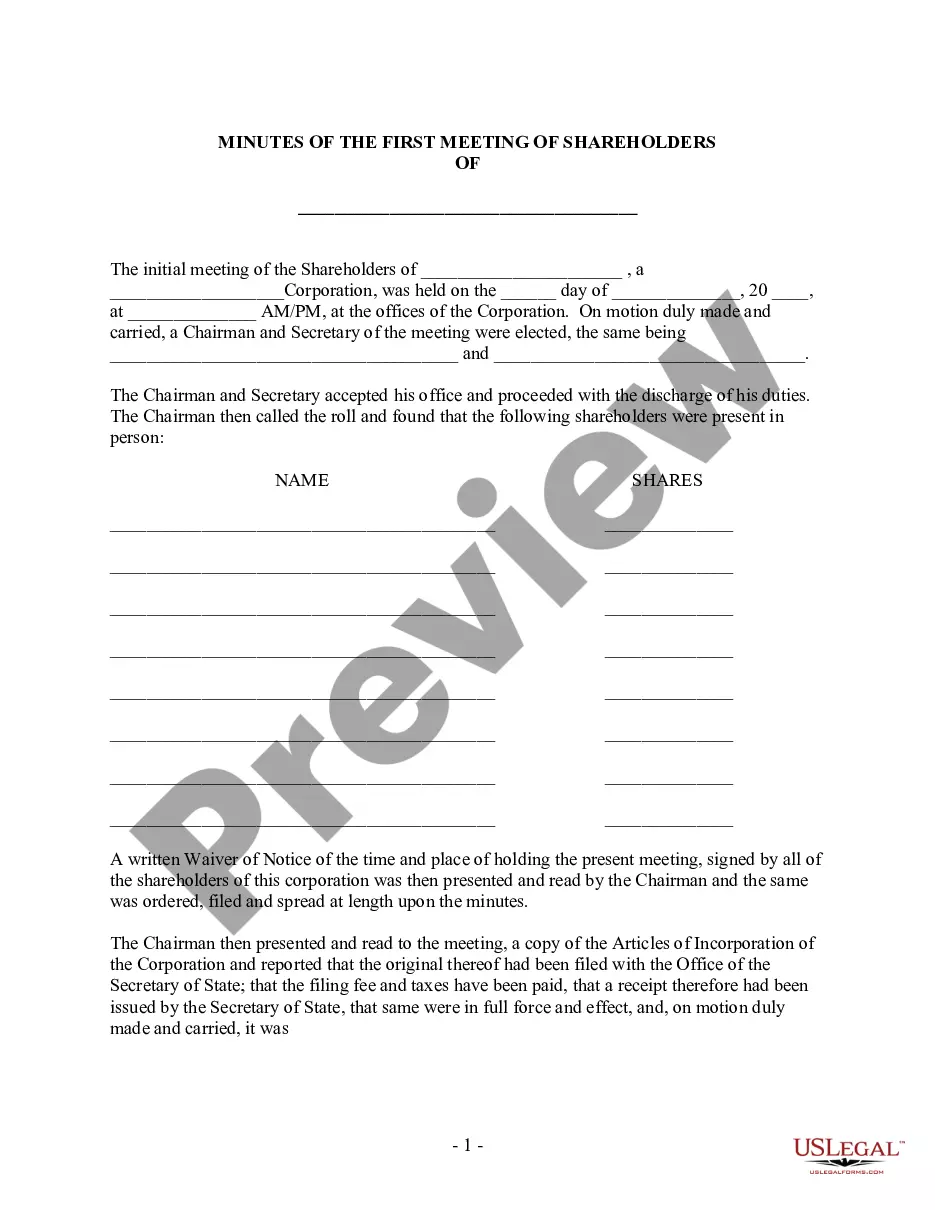
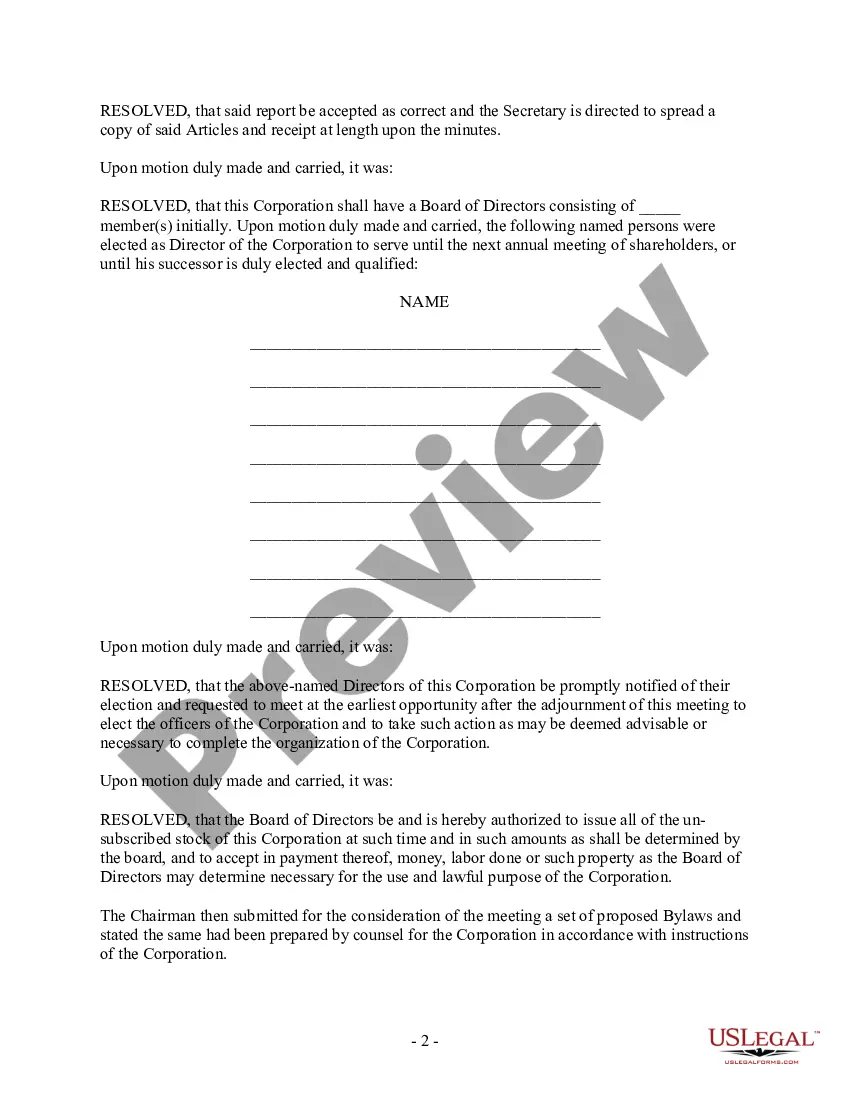
Meeting Minutes Corporate Without Quorum In Palm Beach
Description



Get your form ready online
Our built-in tools help you complete, sign, share, and store your documents in one place.
Make edits, fill in missing information, and update formatting in US Legal Forms—just like you would in MS Word.
Download a copy, print it, send it by email, or mail it via USPS—whatever works best for your next step.
Sign and collect signatures with our SignNow integration. Send to multiple recipients, set reminders, and more. Go Premium to unlock E-Sign.
If this form requires notarization, complete it online through a secure video call—no need to meet a notary in person or wait for an appointment.
We protect your documents and personal data by following strict security and privacy standards.

Make edits, fill in missing information, and update formatting in US Legal Forms—just like you would in MS Word.

Download a copy, print it, send it by email, or mail it via USPS—whatever works best for your next step.

Sign and collect signatures with our SignNow integration. Send to multiple recipients, set reminders, and more. Go Premium to unlock E-Sign.

If this form requires notarization, complete it online through a secure video call—no need to meet a notary in person or wait for an appointment.

We protect your documents and personal data by following strict security and privacy standards.
Looking for another form?


Form popularity
FAQ
The three basic requirements of the Sunshine Law are: (1) meetings of public boards or commissions must be open to the public; (2) reasonable notice of such meetings must be given; and (3) minutes of the meetings must be taken. WHAT AGENCIES ARE COVERED BY THE SUNSHINE LAW?
Elections shall be decided by a plurality of ballots cast. There is no quorum requirement; however, at least 20 percent of the eligible voters must cast a ballot in order to have a valid election.
Meetings of members; voting and election procedures; amendments. (a) Unless a lower number is provided in the bylaws, the percentage of voting interests required to constitute a quorum at a meeting of the members shall be 30 percent of the total voting interests.
If no quorum is present, the meeting can still be conducted however, the business will need to be held over until later when a quorum is present. Without a quorum, no business can be conducted.
This document needs to be signed by: or another person who is authorized to take minutes and/or record official corporate action. There is no requirement that the signature be witnessed or notarized.
Nonprofit board meeting minutes are not always made public, but the organization's policies and local laws may require disclosure. However, it's important for nonprofit organizations to understand and comply with relevant state laws and regulations governing the accessibility of board meeting minutes.
Corporate meeting minutes typically include: The meeting's date, time and location. A list of attendees and absentees, including any present board members or officers. Agenda items. Summaries of all discussion points. Details of all activities completed or agreed upon. Results of any votes or motions.
No quorum means no business can be conducted (no motions can be passed!) Reading of minutes may be waived (thank goodness!!)
Are board meeting minutes confidential? Yes. The board should assume the minutes are confidential and, in most cases, they will remain so.
