Hippa Release Form for Insurance
About this form
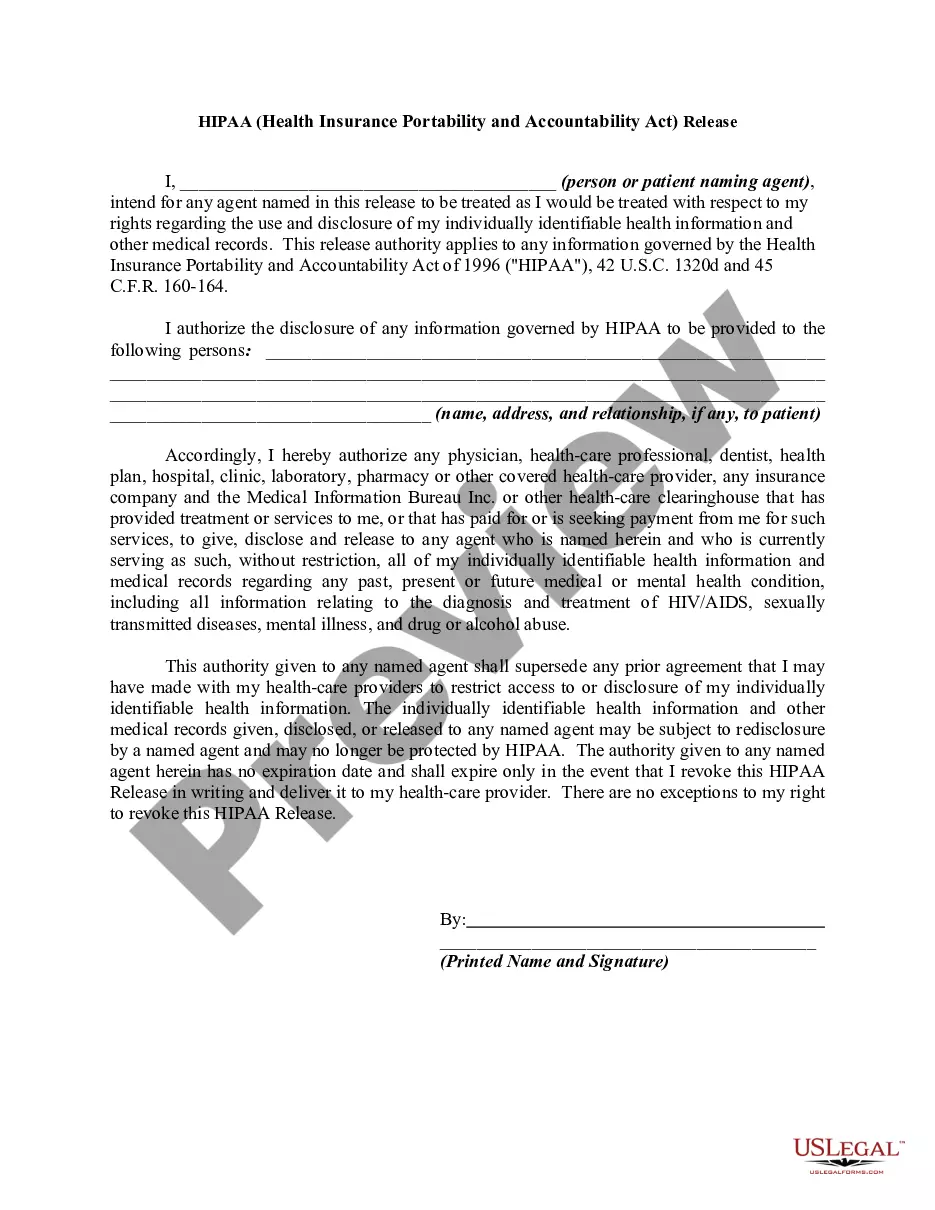
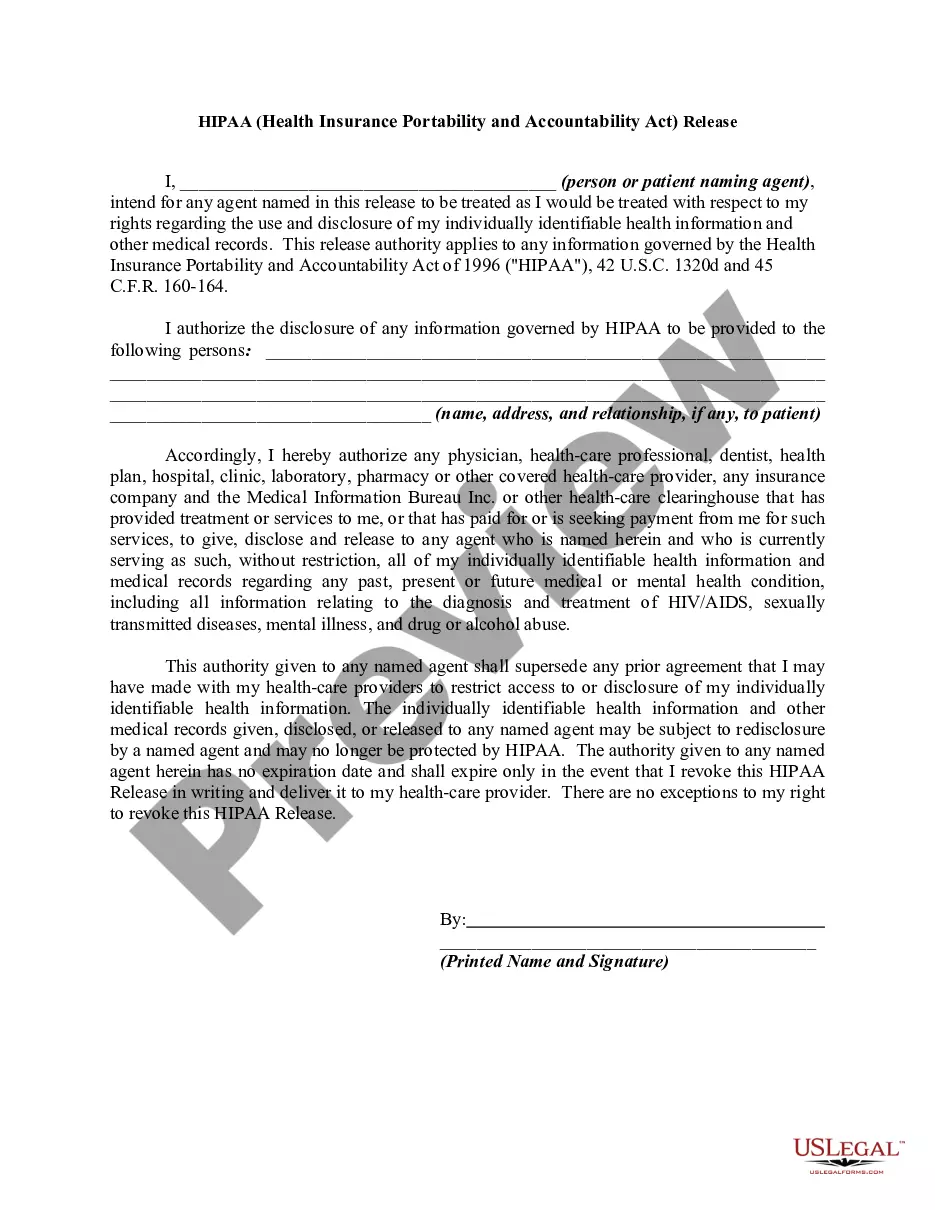
The HIPAA Release Form for Insurance is a legal document that allows a patient to authorize the disclosure of their personal health information to specific individuals. This form is crucial for ensuring that health care providers can share medical records with agents designated by the patient, in compliance with the Health Insurance Portability and Accountability Act (HIPAA). It differs from similar forms by granting broad authority to named individuals without restrictions on the type of health information shared.
Key components of this form
- Identification of the patient and agent authorized to receive health information.
- Clear statement of the types of health information covered by the release.
- Authorization for health care providers and insurers to disclose information.
- A clause indicating that previous agreements restricting access are superseded.
- Information on the irrevocability of the authorization, unless explicitly revoked by the patient.
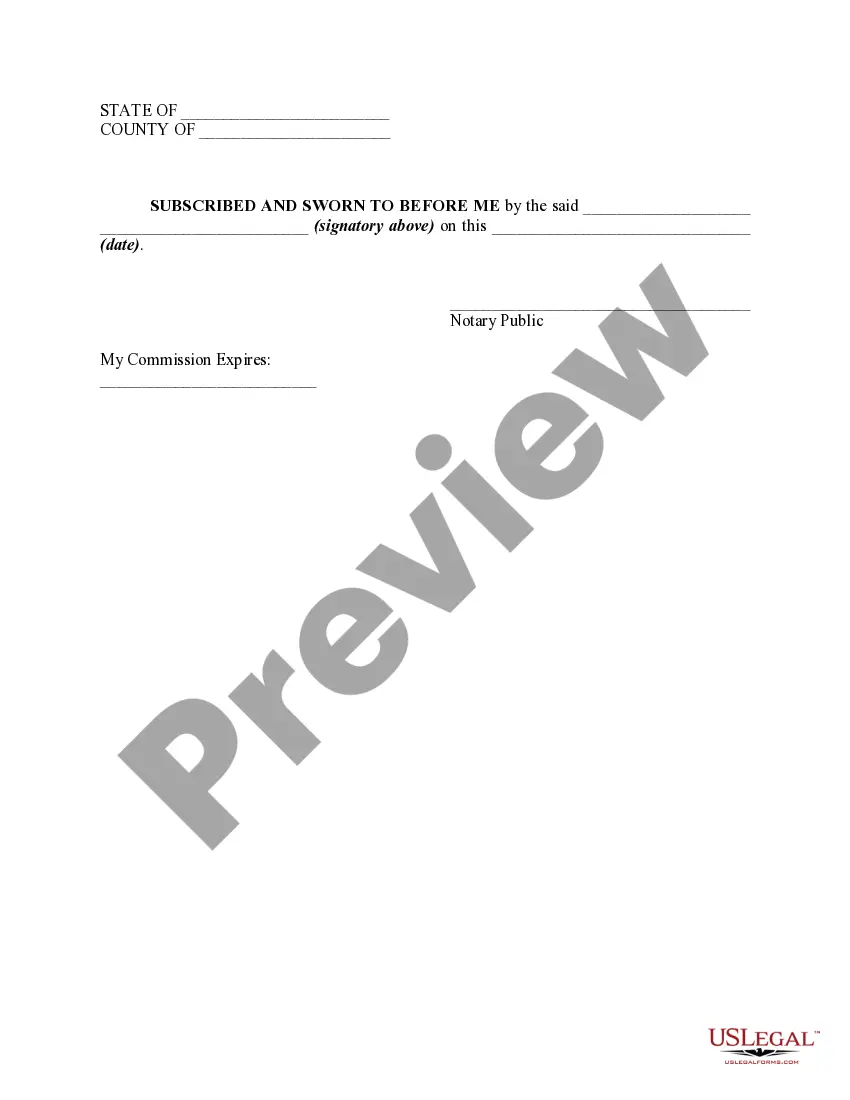
- A section for notarization to validate the document.
Common use cases
This form should be used when a patient needs to allow specific individuals, such as family members or caregivers, to access their medical records or health information for purposes such as insurance claims, medical treatment decisions, or coordination of care. It is particularly important in situations where the patient may not be able to communicate their health needs due to incapacity or other reasons.
Who needs this form
- Patients seeking to authorize access to their medical information.
- Individuals requiring representation in medical matters or insurance claims.
- Family members or caregivers designated by the patient to manage health-related issues.
- Health care providers needing assurance that they can share necessary information.
How to prepare this document
- Enter the name of the patient and the agent receiving the health information.
- Specify the individuals authorized to receive information, including their addresses and relationship to the patient.
- Read the disclosures regarding the extent of information covered by the release.
- Sign and date the form where indicated.
- Have the form notarized to ensure its legal validity, if required.
Does this document require notarization?
Yes, this form must be notarized to be legally valid. Notarization helps to verify the identity of the signer and the voluntary nature of the authorization. US Legal Forms offers an integrated online notarization service, available twenty-four hours a day, ensuring a secure video call experience that meets legal standards without the need for travel.
Get your form ready online
Our built-in tools help you complete, sign, share, and store your documents in one place.
Make edits, fill in missing information, and update formatting in US Legal Forms—just like you would in MS Word.
Download a copy, print it, send it by email, or mail it via USPS—whatever works best for your next step.
Sign and collect signatures with our SignNow integration. Send to multiple recipients, set reminders, and more. Go Premium to unlock E-Sign.
If this form requires notarization, complete it online through a secure video call—no need to meet a notary in person or wait for an appointment.
We protect your documents and personal data by following strict security and privacy standards.

Make edits, fill in missing information, and update formatting in US Legal Forms—just like you would in MS Word.

Download a copy, print it, send it by email, or mail it via USPS—whatever works best for your next step.

Sign and collect signatures with our SignNow integration. Send to multiple recipients, set reminders, and more. Go Premium to unlock E-Sign.

If this form requires notarization, complete it online through a secure video call—no need to meet a notary in person or wait for an appointment.

We protect your documents and personal data by following strict security and privacy standards.
Common mistakes to avoid
- Failing to specify all intended recipients of the health information.
- Not completing required signature and date fields.
- Neglecting to have the form notarized when required.
- Overlooking the need to revoke previous authorizations that may conflict with this one.
Why complete this form online
- Convenience of accessing and completing the form at any time.
- Editability allows for easy adjustments before finalizing the document.
- Reliability of utilizing a form drafted by licensed attorneys.
Looking for another form?


Form popularity
FAQ
A HIPAA authorization form is a document in that allows an appointed person or party to share specific health information with another person or group. Your appointed person can be a doctor, a hospital, or a health care provider, as well as certain other entities such as an attorney.
Q: Do I need to notarize the signed form? A: No. The HIPAA Privacy Rule does not require you to notarize authorization forms or have a witness.
Insurance companies frequently request medical records when evaluating claims.The insurance company doesn't have an inherent right to view your records, which is why they will ask you to sign a release granting them the right. But without medical records, your claim will most likely be denied.
A: No. The HIPAA privacy rule requires covered entities to obtain an acknowledgment when they first give their notice of privacy practices to patients. Covered entities do not have to reissue the notice or obtain a new acknowledgment on subsequent visits unless there are material (significant) changes to the notice.
A HIPAA-compliant HIPAA release form must, at the very least, contain the following information: A description of the information that will be used/disclosed. The purpose for which the information will be disclosed. The name of the person or entity to whom the information will be disclosed.
A HIPAA-compliant HIPAA release form must, at the very least, contain the following information: A description of the information that will be used/disclosed. The purpose for which the information will be disclosed. The name of the person or entity to whom the information will be disclosed.
Q: Do I need to notarize the signed form? A: No. The HIPAA Privacy Rule does not require you to notarize authorization forms or have a witness.
No, a HIPAA Authorization does not need to be notarized. In fact, you don't even need a witness to see you sign the form.
The HIPAA Privacy Rule establishes national standards to protect individuals' medical records and other personal health information and applies to health plans, health care clearinghouses, and those health care providers that conduct certain health care transactions electronically.