Requesting Discovery Form For Divorce In Middlesex
Description
Get your form ready online
Our built-in tools help you complete, sign, share, and store your documents in one place.
Make edits, fill in missing information, and update formatting in US Legal Forms—just like you would in MS Word.
Download a copy, print it, send it by email, or mail it via USPS—whatever works best for your next step.
Sign and collect signatures with our SignNow integration. Send to multiple recipients, set reminders, and more. Go Premium to unlock E-Sign.
If this form requires notarization, complete it online through a secure video call—no need to meet a notary in person or wait for an appointment.
We protect your documents and personal data by following strict security and privacy standards.

Make edits, fill in missing information, and update formatting in US Legal Forms—just like you would in MS Word.

Download a copy, print it, send it by email, or mail it via USPS—whatever works best for your next step.

Sign and collect signatures with our SignNow integration. Send to multiple recipients, set reminders, and more. Go Premium to unlock E-Sign.

If this form requires notarization, complete it online through a secure video call—no need to meet a notary in person or wait for an appointment.

We protect your documents and personal data by following strict security and privacy standards.
Looking for another form?
Form popularity
FAQ
The discovery period in a New Jersey divorce gives both spouses' attorneys access to personal and financial information about both spouses and the family. This information informs how the attorneys form their cases and strategize for going to trial or negotiating a settlement.
Start your divorce case. To start a divorce or legal separation, you begin by filling out two court forms: a Petition and a Summons. If you and your spouse (or domestic partner) have children together, you will also need to fill out at least one other form about your children.
Steps in Preparing and Undergoing a New Jersey Divorce Step 1: File a Divorce Complaint. Step 2: Appearance/Answer and Counterclaim. Step 3: File a Case Information Statement. Step 4: Settlement Agreement/Early Settlement Panel. Step 5: Economic Mediation. Step 6: Intensive Settlement Conference. Step 7: Trial.
No, it doesn't make any difference who sought legal divorce first, in New Jersey, and it likewise doesn't make any difference who is Plaintiff and who is Defendant. Those terms are only meaning who filed the case and who reacted. To gain a better ...
Step 1: File a Divorce Complaint That spouse will be the plaintiff. The divorce complaint must include the names and addresses of the parties, the place and date of the marriage, and various other details. When filing for divorce, one must also include the grounds for divorce, which can be based on fault or a no-fault.
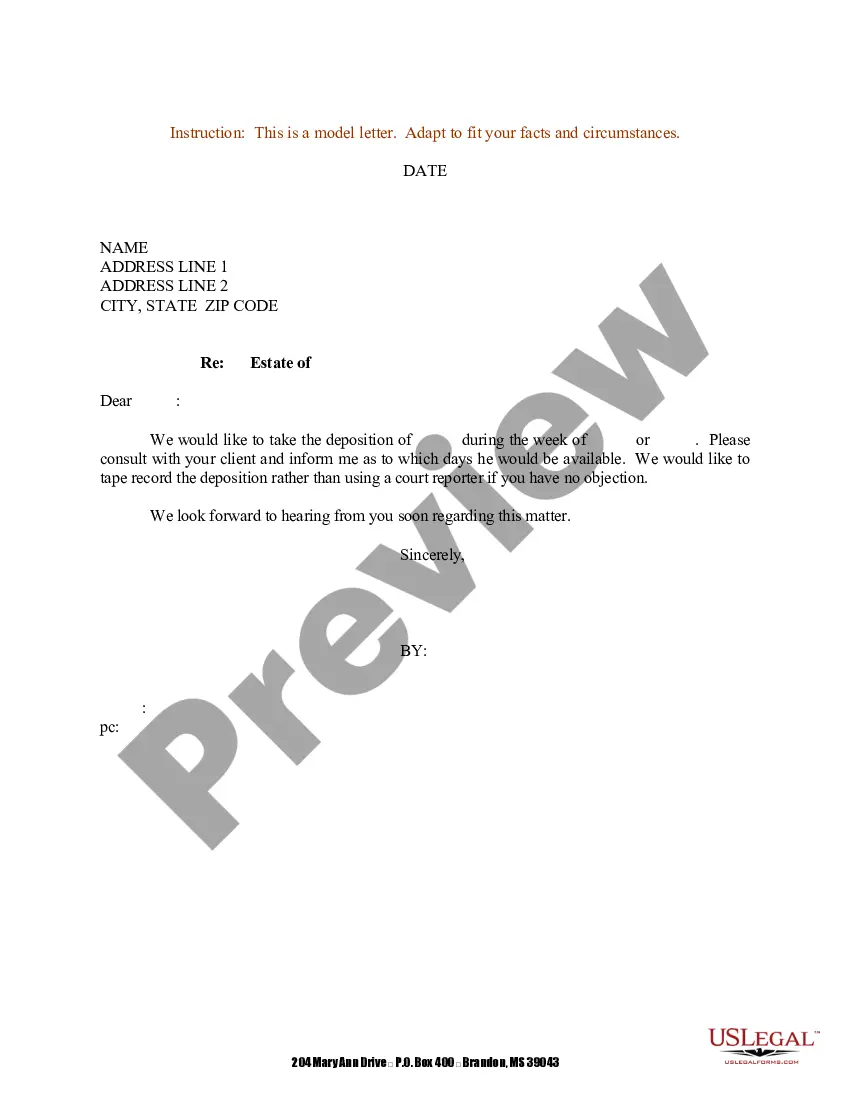
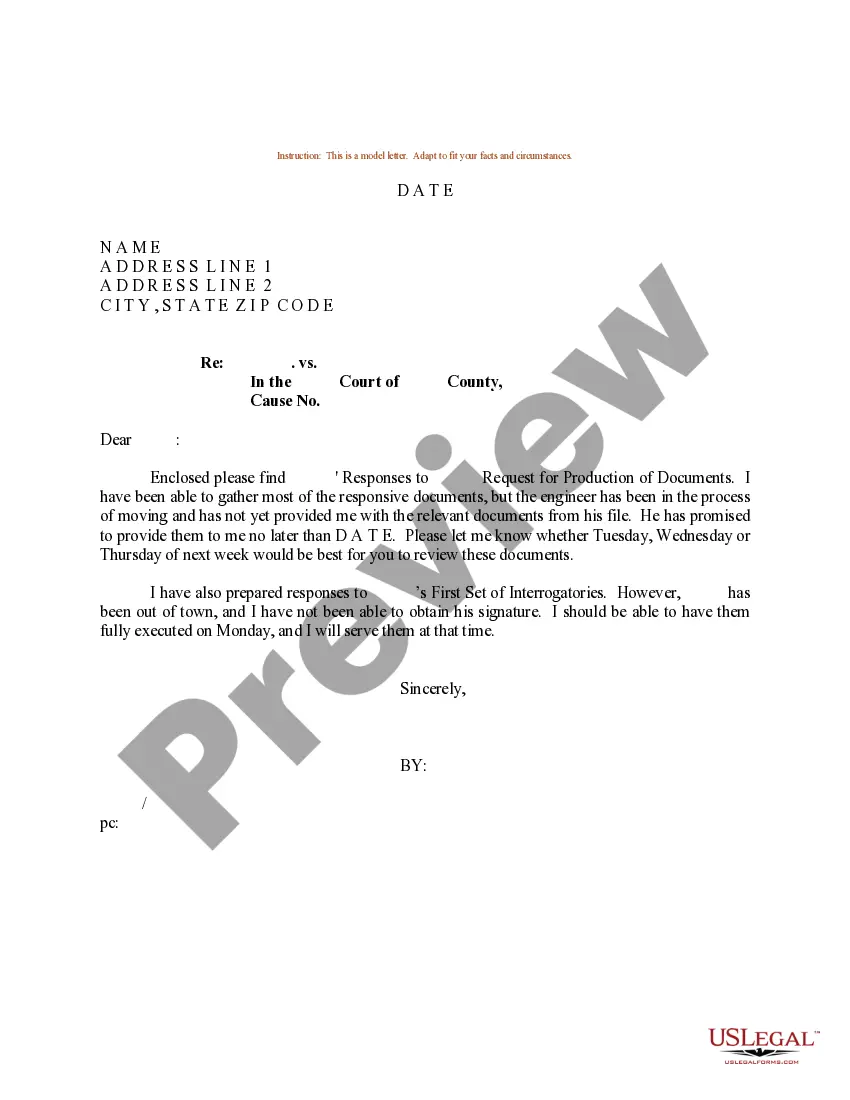
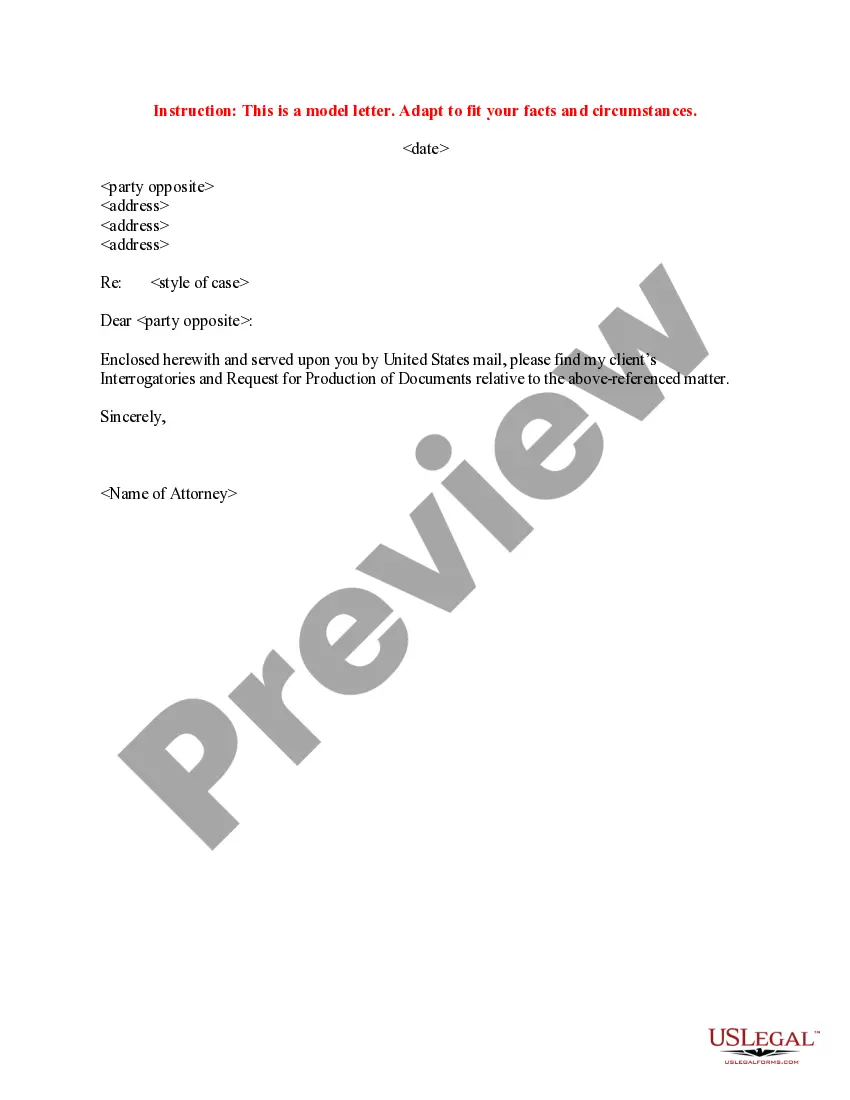
Discovery allows you to get information and evidence from the other party or other persons you can use in your lawsuit.
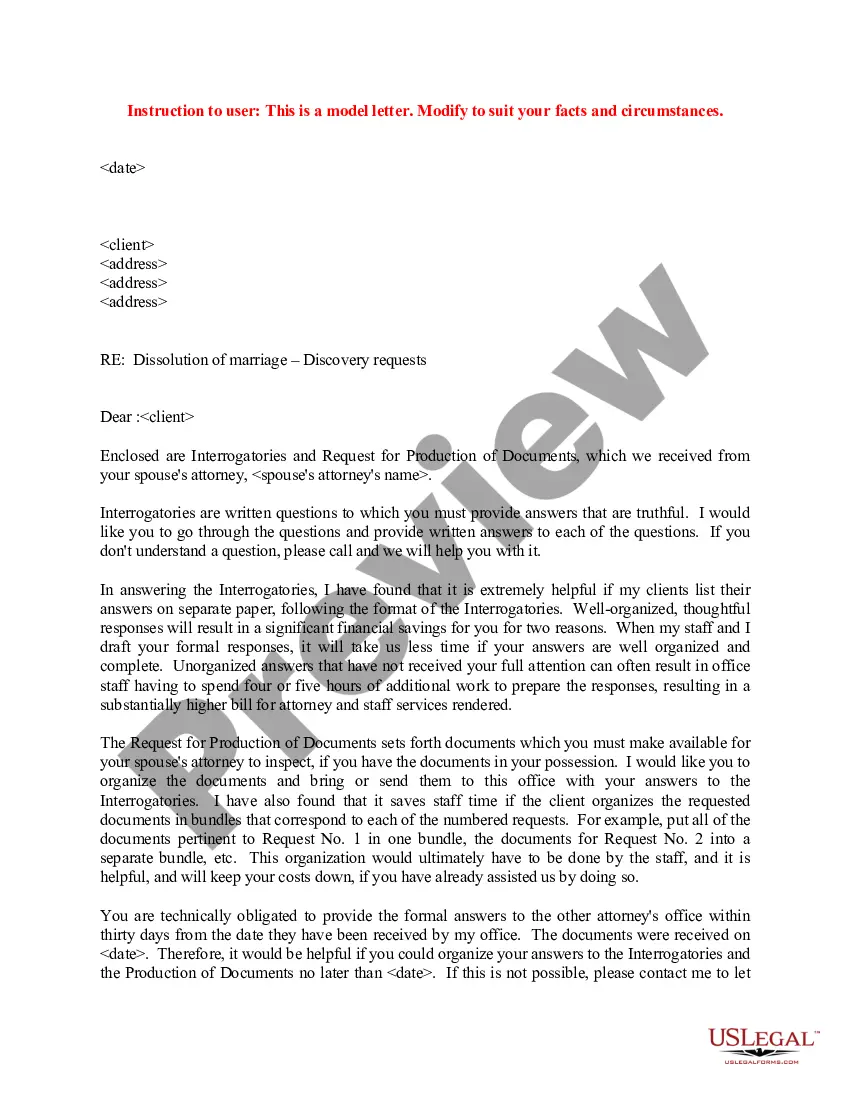
You must answer the questions or file objections to certain questions or the entire set of interrogatories. For example, you might not want to answer a question because it contains incorrect information like asking you to state who treated your broken leg, but you did not break your leg.
Only answer the actual question being asked of you. Type your responses, please do not handwrite your responses. Be truthful. This is not a time to hide the truth or not answer accurately.
You must respond to the request and swear under oath that your response is true. Then you'll deliver your response to the other side's attorney (or to the other side, if they don't have an attorney).
One of the most important phases of the divorce process is “discovery.” This is the stage of a divorce where information is exchanged between the parties in order for them to make informed decisions — and successfully present their cases in court.

