Requesting Discovery Form Withdrawal In Maryland
Description
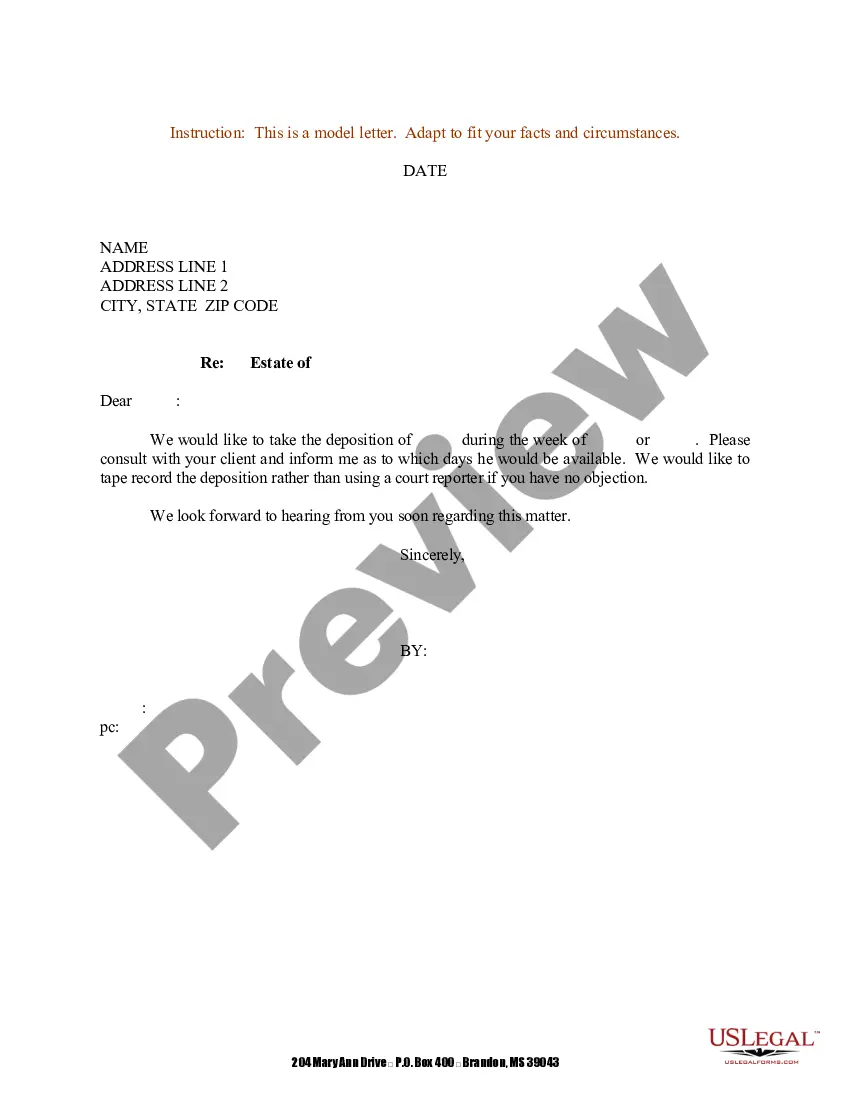
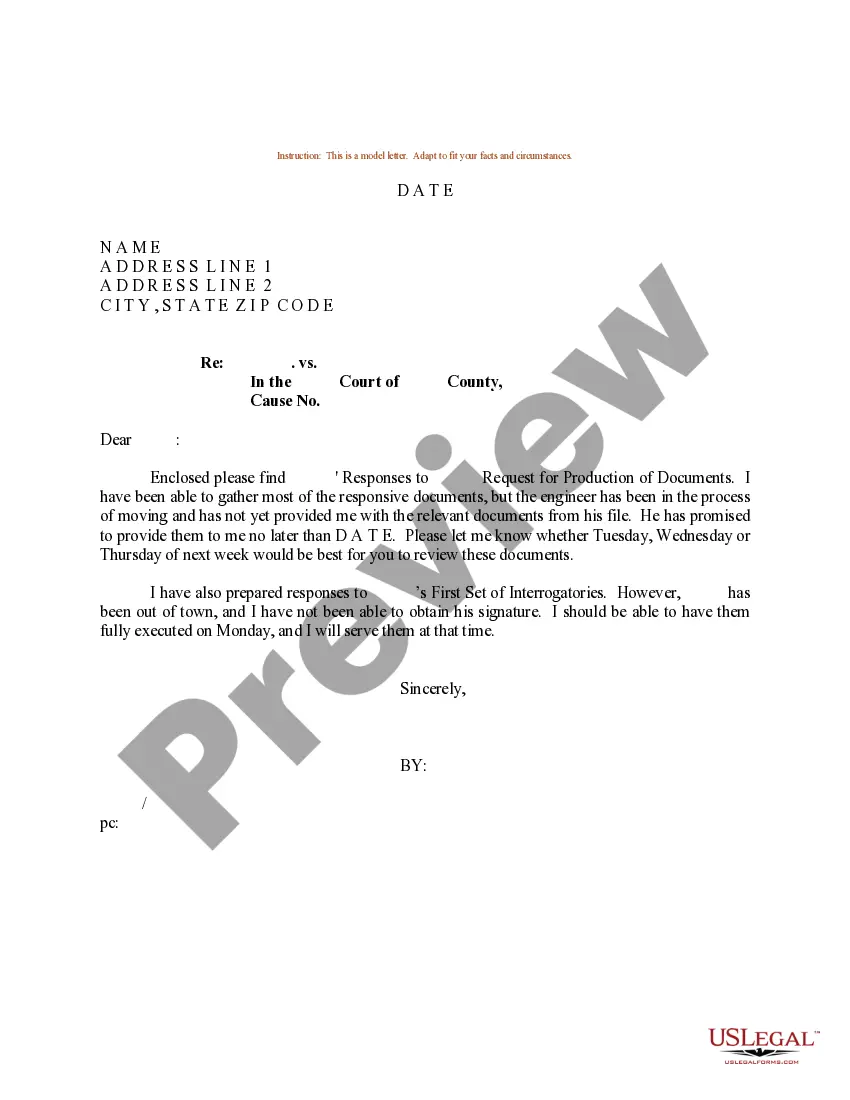
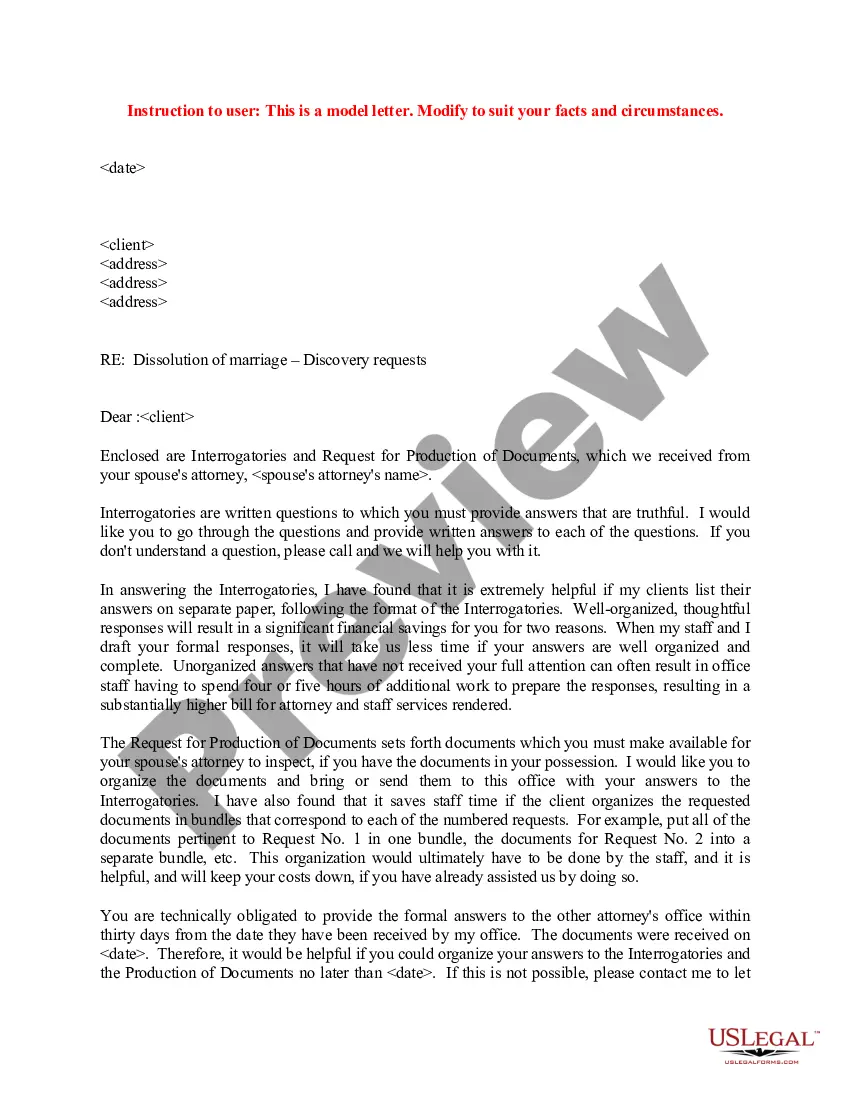
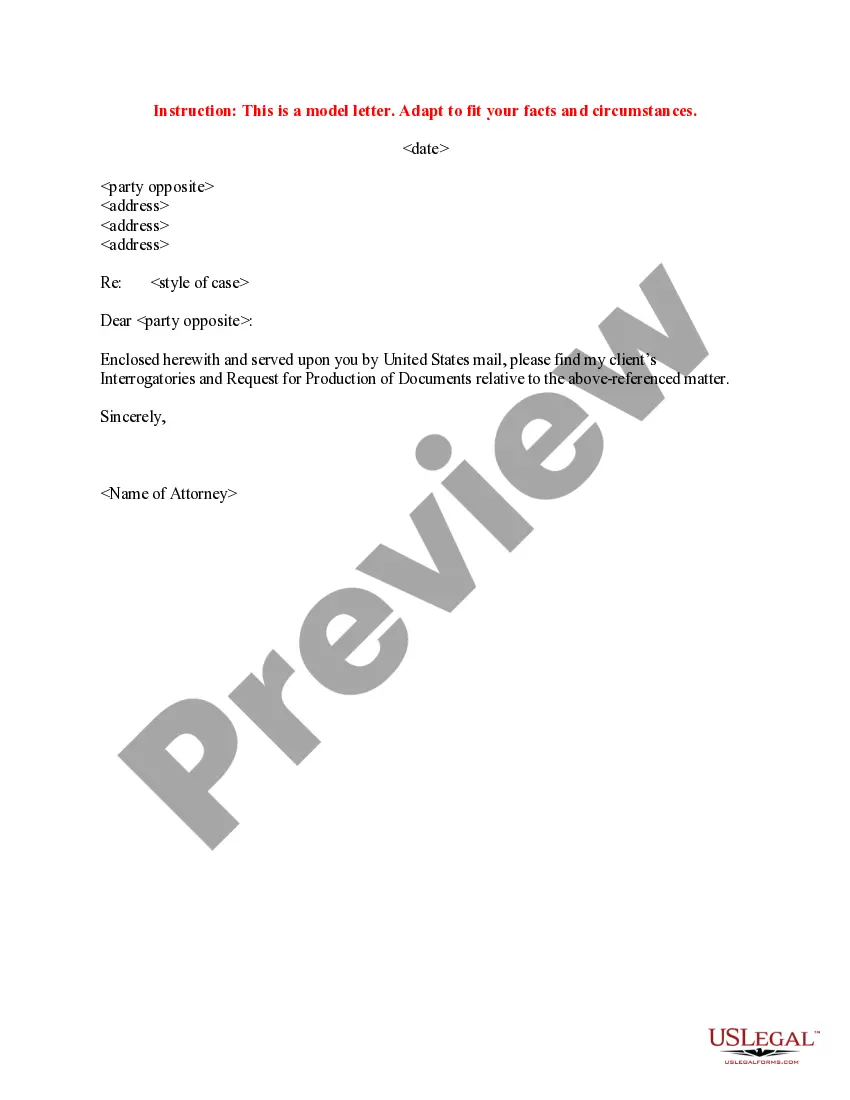
Get your form ready online
Our built-in tools help you complete, sign, share, and store your documents in one place.
Make edits, fill in missing information, and update formatting in US Legal Forms—just like you would in MS Word.
Download a copy, print it, send it by email, or mail it via USPS—whatever works best for your next step.
Sign and collect signatures with our SignNow integration. Send to multiple recipients, set reminders, and more. Go Premium to unlock E-Sign.
If this form requires notarization, complete it online through a secure video call—no need to meet a notary in person or wait for an appointment.
We protect your documents and personal data by following strict security and privacy standards.

Make edits, fill in missing information, and update formatting in US Legal Forms—just like you would in MS Word.

Download a copy, print it, send it by email, or mail it via USPS—whatever works best for your next step.

Sign and collect signatures with our SignNow integration. Send to multiple recipients, set reminders, and more. Go Premium to unlock E-Sign.

If this form requires notarization, complete it online through a secure video call—no need to meet a notary in person or wait for an appointment.

We protect your documents and personal data by following strict security and privacy standards.
Looking for another form?


Form popularity
FAQ
Maryland Rule of Procedure 2-421 controls how and when interrogatories are sent and responded to in circuit court cases. A request for admissions is a list of statements sent to another party. The receiving party must admit or deny each statement.
State. Maryland Rule 4-263 Requires the State to Produce Relevant Information. Regarding the Acquisition of Statements Made During a Custodial Interrogation. that the State Intends to Use at Trial.
MD Rule 4-216. If there was no probable cause, the judicial officer shall release the defendant on personal recognizance, with no other conditions of release, and the remaining sections of this Rule are inapplicable. Cross reference: See . No change. Check cross-reference against final draft.
Without the necessity of a request, the State's Attorney shall provide to the defense all material or information in any form, whether or not admissible, that tends to exculpate the defendant or negate or mitigate the defendant's guilt or punishment as to the offense charged and all material or information in any form, ...
A discovering party may move for sanctions under Rule 2-433 (a), without first obtaining an order compelling discovery under section (b) of this Rule, if a party or any officer, director, or managing agent of a party or a person designated under Rule 2-412 (d) to testify on behalf of a party, fails to appear before the ...
You must respond to each request individually. You do not need to repeat the text of the question, but your responses must be in the same order as the requests, and each response should be labeled with the same number or letter as the request.
After you complete your response to any request for written discovery, you must provide your response to the other side by serving the other side. You can serve the other side by mail. This means another adult, not you, mails your response to the other side.
You must answer the questions or file objections to certain questions or the entire set of interrogatories. For example, you might not want to answer a question because it contains incorrect information like asking you to state who treated your broken leg, but you did not break your leg.
You have to respond to interrogatories in writing to the best of your ability. If you do not answer an interrogatory question, and then the other side learns that you did in fact know the answer, it could have a negative impact on your case at trial.
Read each question (interrogatory) very carefully. Answer only the question that is asked, and avoid the temptation to over-explain your answer. If the question contains several parts, you may break your answer into parts as well. It is also possible that you might object to the question.

