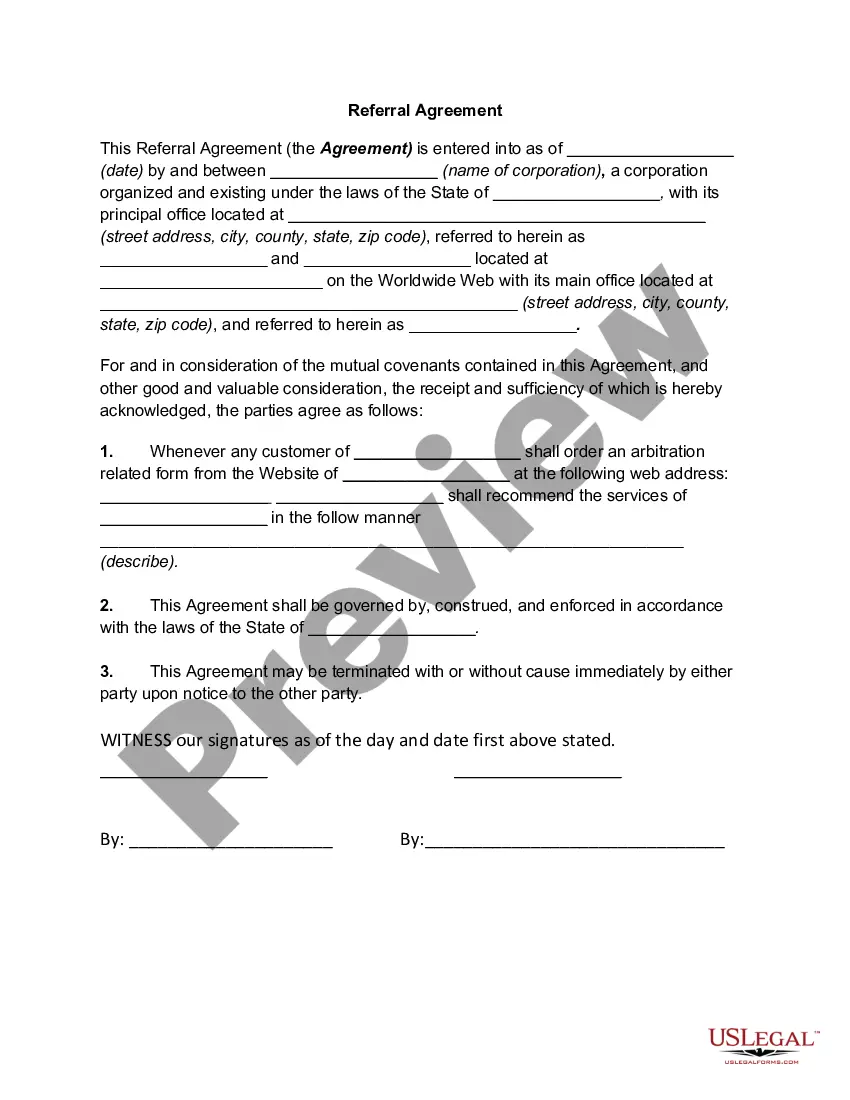
Claim Against Estate File Format In Hillsborough
Description


Get your form ready online
Our built-in tools help you complete, sign, share, and store your documents in one place.
Make edits, fill in missing information, and update formatting in US Legal Forms—just like you would in MS Word.
Download a copy, print it, send it by email, or mail it via USPS—whatever works best for your next step.
Sign and collect signatures with our SignNow integration. Send to multiple recipients, set reminders, and more. Go Premium to unlock E-Sign.
If this form requires notarization, complete it online through a secure video call—no need to meet a notary in person or wait for an appointment.
We protect your documents and personal data by following strict security and privacy standards.

Make edits, fill in missing information, and update formatting in US Legal Forms—just like you would in MS Word.

Download a copy, print it, send it by email, or mail it via USPS—whatever works best for your next step.

Sign and collect signatures with our SignNow integration. Send to multiple recipients, set reminders, and more. Go Premium to unlock E-Sign.

If this form requires notarization, complete it online through a secure video call—no need to meet a notary in person or wait for an appointment.

We protect your documents and personal data by following strict security and privacy standards.
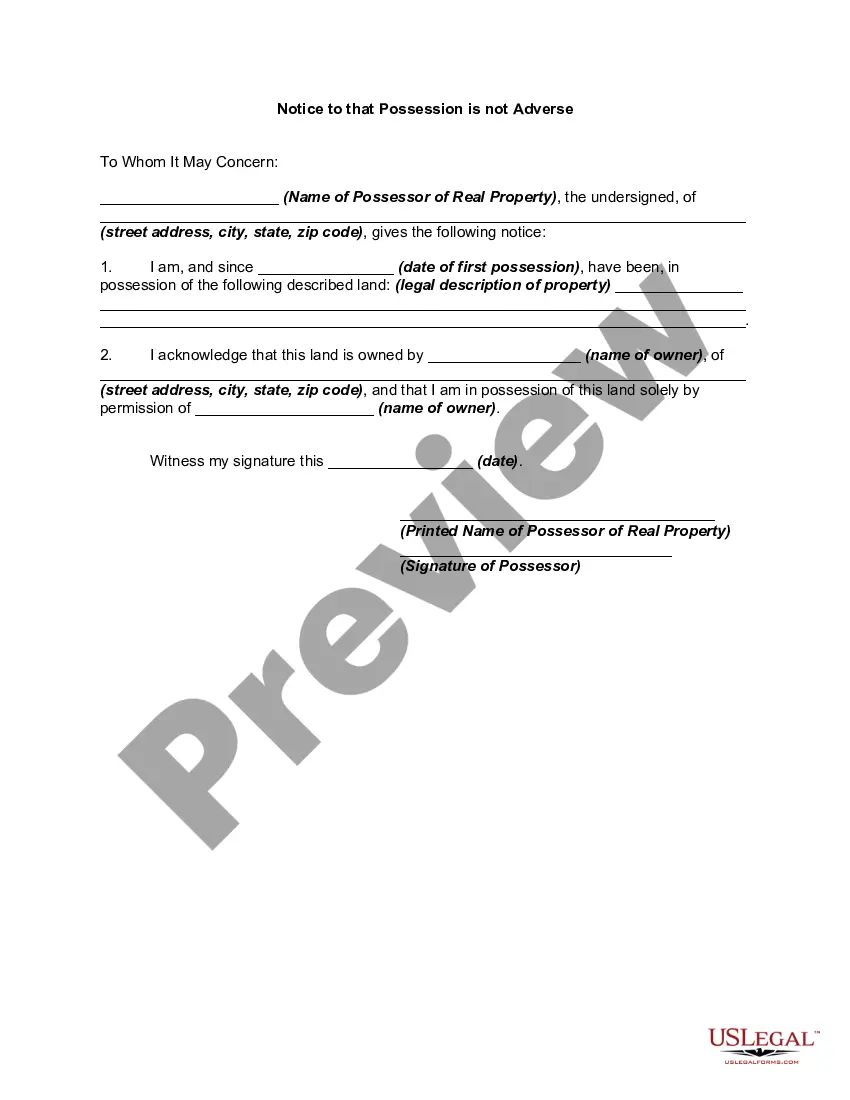
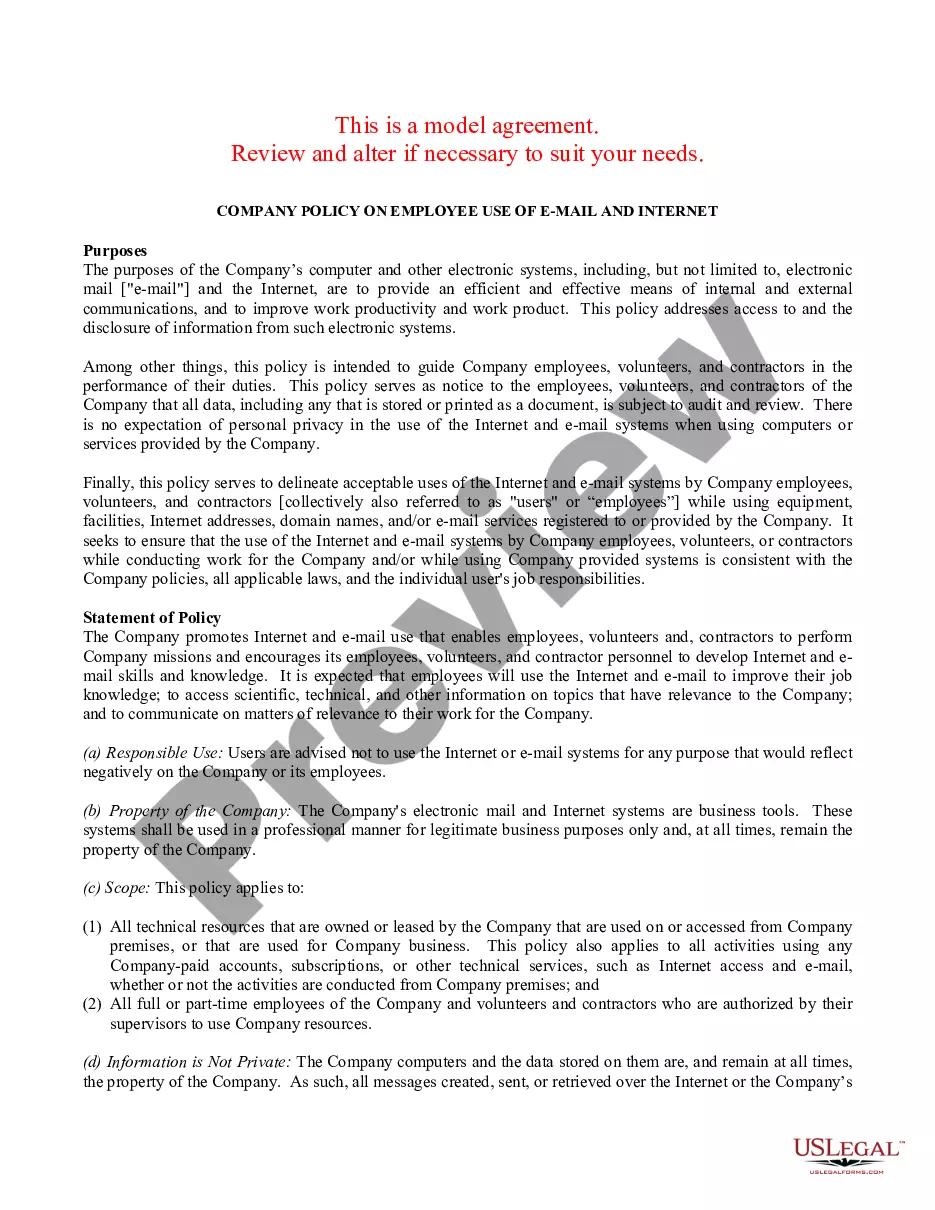
Looking for another form?







Form popularity
FAQ
Florida probate records have been kept by county judges and county clerks in each courthouse. Since 1968 they have been under the jurisdiction of the clerk of the circuit court in each county. The files may include wills, bonds, letters, petitions, order books, inventories, and settlements.
Ancillary probate is necessary to transfer or sell real estate, aka real property, located in any state other than the decedent's domiciliary state. After someone passes away, the first step in the probate process is to establish the domiciliary estate in the decedent's state of residence.
The Probate Court requires the original will to be filed. Our mailing address is PO Box 3360 Tampa, FL 33601.
For creditors who only received notice via publication: These creditors have up to 3 months from the date of first publication to file a claim. For known or reasonably ascertainable creditors who did not receive any notice: These creditors have up to 2 years after the date of death to file claims.
Probate Statutes of Limitations Creditors have two years from the decedent's death to bring claims against the estate. Otherwise, you generally must raise estate-related claims during administration. Objections to the appointment or conduct of the personal representative must be filed before the estate is closed.
The statement of claim should be typed or printed in black ink. Make certain you file your claim against the right party. Copies of contracts, notes, leases, receipts, or other evidence in support of your claim must be attached to your statement of claim, and copied to each person sued and the court.
Wills only get filed with the Probate Court once someone passes away. They do not get recorded in Official Records unless a Probate Case gets filed. The Probate Court requires the original will to be filed. Our mailing address is PO Box 3360 Tampa, FL 33601.
In Florida, the term “personal representative” replaces the term “executor” commonly used in other states. The responsibilities are identical: managing the estate, settling debts, and distributing assets.
Any individual who is at least 18 years old who is a resident of Florida at the time of the decedent's death, is qualified to act as the personal representative. See, §733.302, Fla. Stat.
And the property folio number used by the property appraiser. Once you have all the documents. ReadyMoreAnd the property folio number used by the property appraiser. Once you have all the documents. Ready you can submit them to the clerk's.