Requesting Discovery Form For Work In California
Description
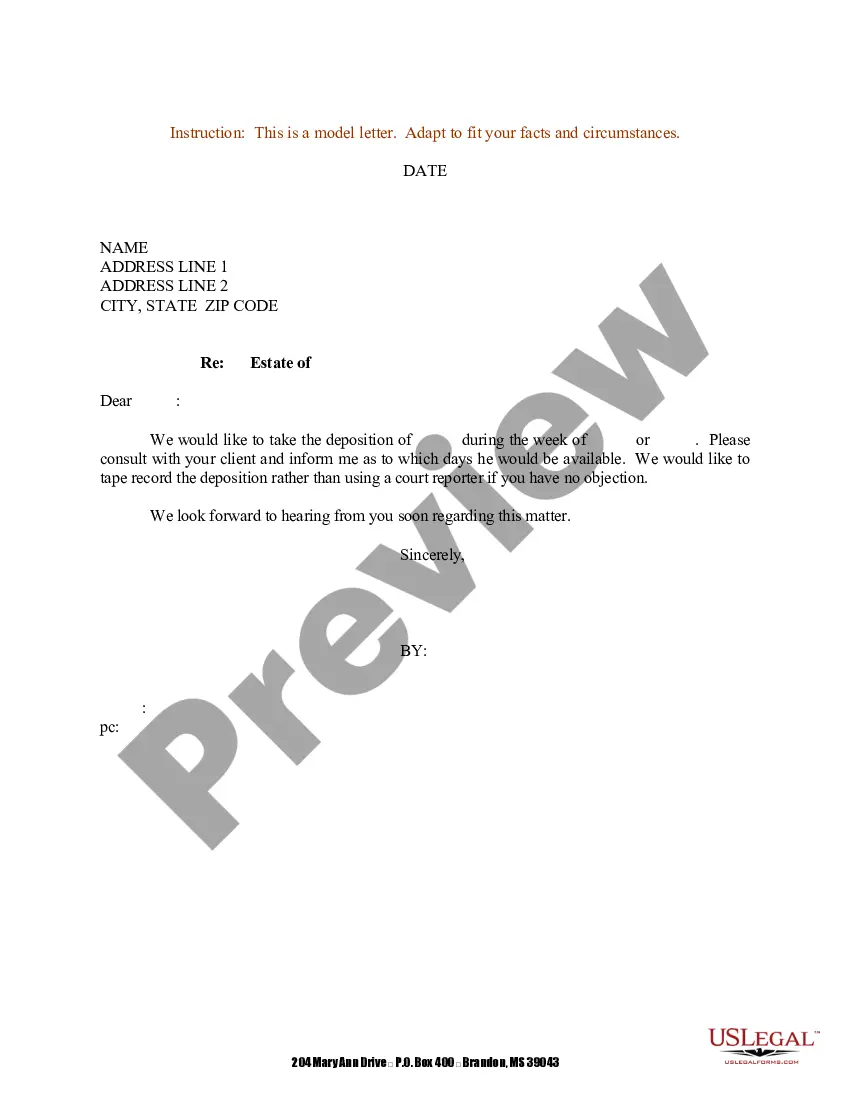
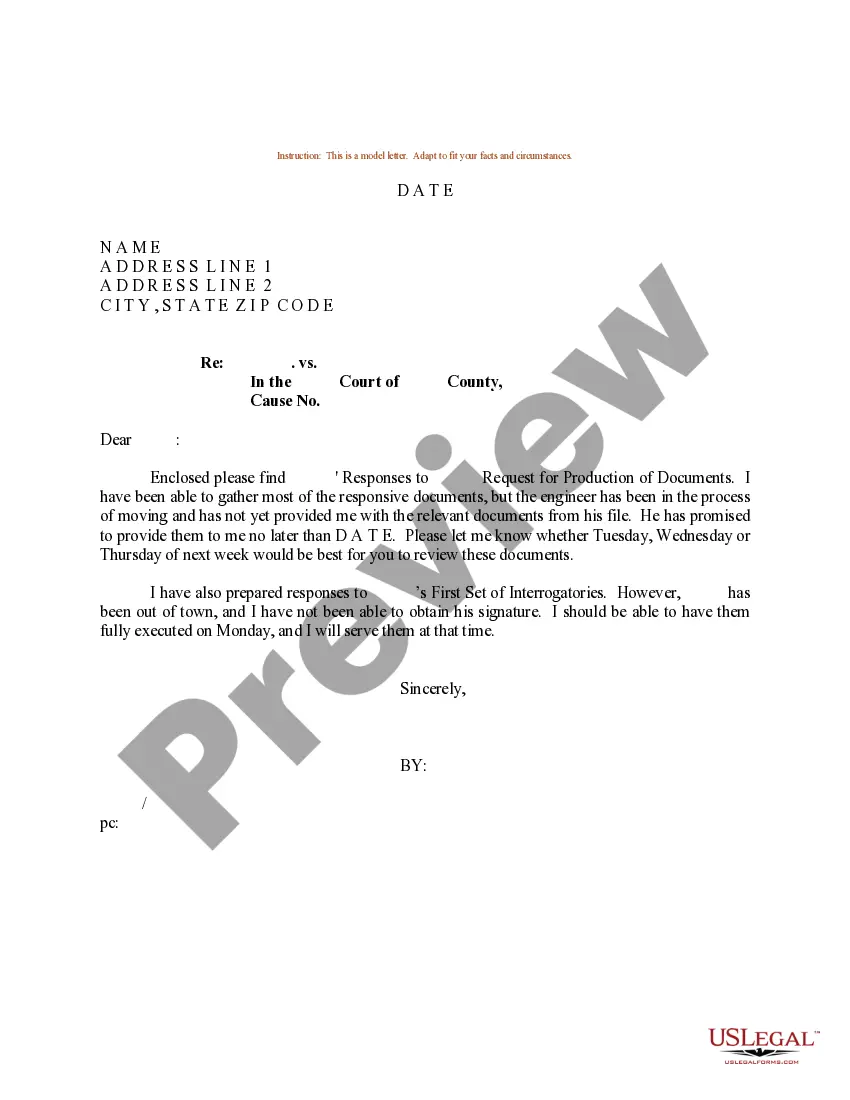
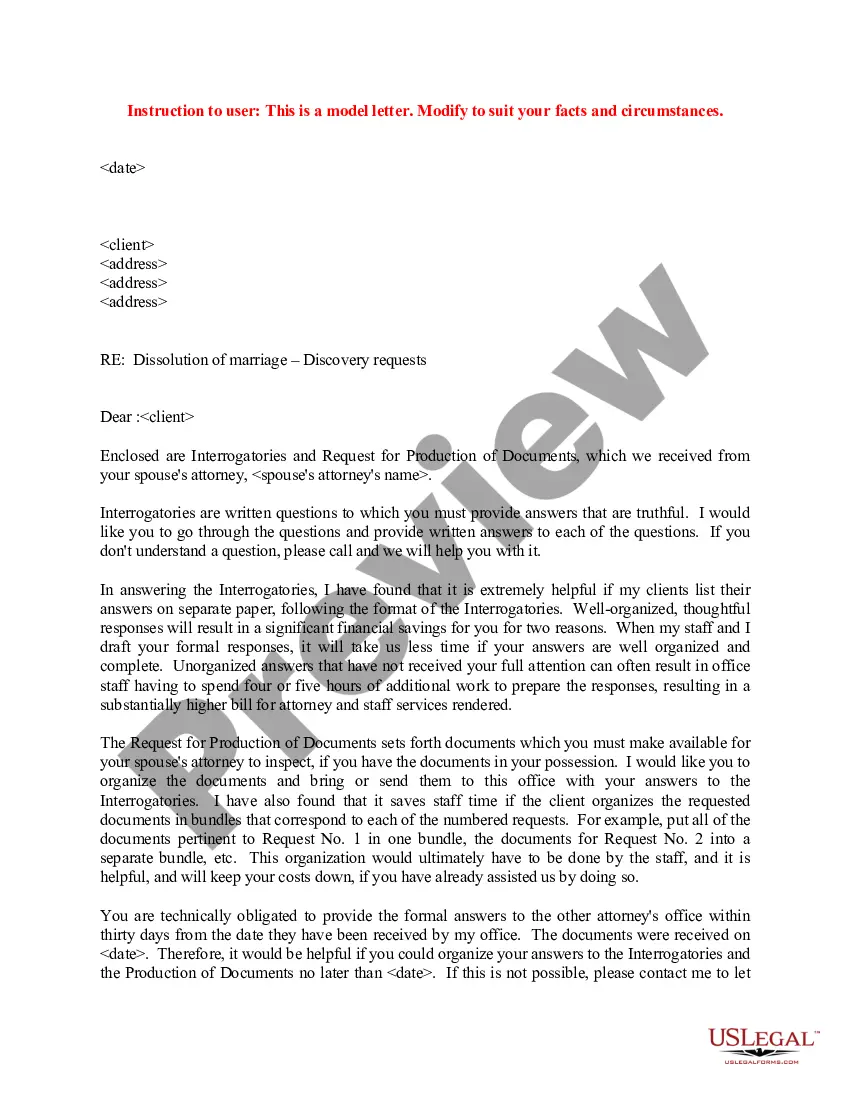
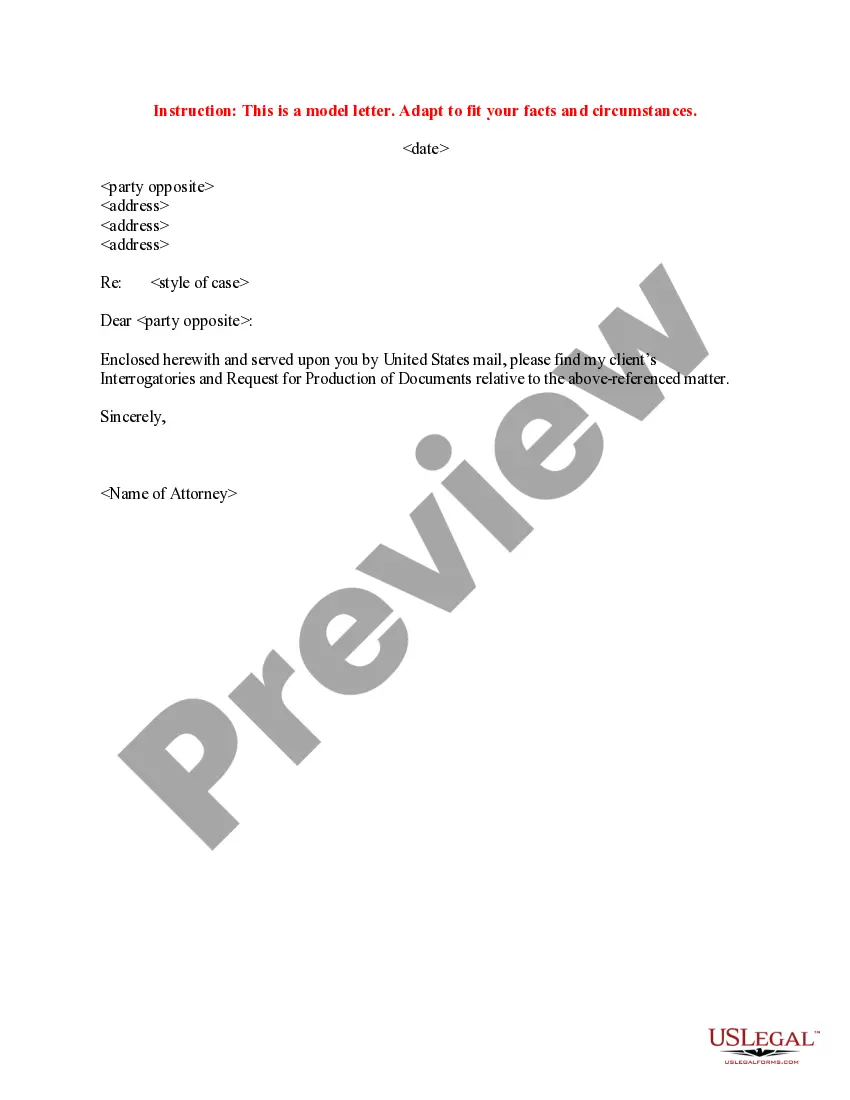
Get your form ready online
Our built-in tools help you complete, sign, share, and store your documents in one place.
Make edits, fill in missing information, and update formatting in US Legal Forms—just like you would in MS Word.
Download a copy, print it, send it by email, or mail it via USPS—whatever works best for your next step.
Sign and collect signatures with our SignNow integration. Send to multiple recipients, set reminders, and more. Go Premium to unlock E-Sign.
If this form requires notarization, complete it online through a secure video call—no need to meet a notary in person or wait for an appointment.
We protect your documents and personal data by following strict security and privacy standards.

Make edits, fill in missing information, and update formatting in US Legal Forms—just like you would in MS Word.

Download a copy, print it, send it by email, or mail it via USPS—whatever works best for your next step.

Sign and collect signatures with our SignNow integration. Send to multiple recipients, set reminders, and more. Go Premium to unlock E-Sign.

If this form requires notarization, complete it online through a secure video call—no need to meet a notary in person or wait for an appointment.

We protect your documents and personal data by following strict security and privacy standards.
Looking for another form?


Form popularity
FAQ
Discovery is a process by which the parties gather and exchange information that is important to the case. What is the Purpose of Discovery? The purpose of discovery is to provide parties the opportunity to gather evidence relevant to proving or defending the case.
How Does Discovery Work? There are four main types of discovery requests: (1) depositions; (2) interrogatories; (3) requests for admissions; and (4) requests for the production of documents. Depositions are formal witness interviews.
Process discovery is the analysis of operational activities to uncover how processes work across people, systems, and data to identify where to optimize and automate.
You can use Proof of Service by First Class Mail (form POS-030). It helps if you fill in the top part of the form with the case and court information. Your server can then fill in the information about how, when, and where they served the papers. Your server must then sign the form.
A party or other person may serve documents electronically directly, by an agent, or through a designated electronic filing service provider.
The discovery process can be divided into two stages: data collection and data processing. The stages are subdivided into phases. Topology deduction takes place during the data processing stage, as the information from the data collection stage is analyzed, interpreted and processed by the stitchers.
Timeframe for discovery If you are the plaintiff, you can begin discovery 10 days after you serve the first papers in the case or anytime after the defendant files a response. If you are the defendant, you may begin discovery as soon as the case is filed.
Process discovery involves two key techniques: process mining, which analyzes data from system logs to reconstruct workflows, and task mining, which captures user activities on desktops to fill in any missing details. This combined approach is essential for identifying bottlenecks, redundancies, and deviations.
You typically have 30 days to respond to the request During the time you have to respond to discovery requests, you can still use mediation or work to negotiate a settlement with the other side.
235 (SB235) into law, which amends California Code of Civil Procedure section 2016.090. It institutes a new procedure for initial disclosures of information and documents. Beginning on January 1, 2024, parties will be required to make initial witness and document disclosures within 60 days of another party's request.

