Directors Rules In Middlesex
Description
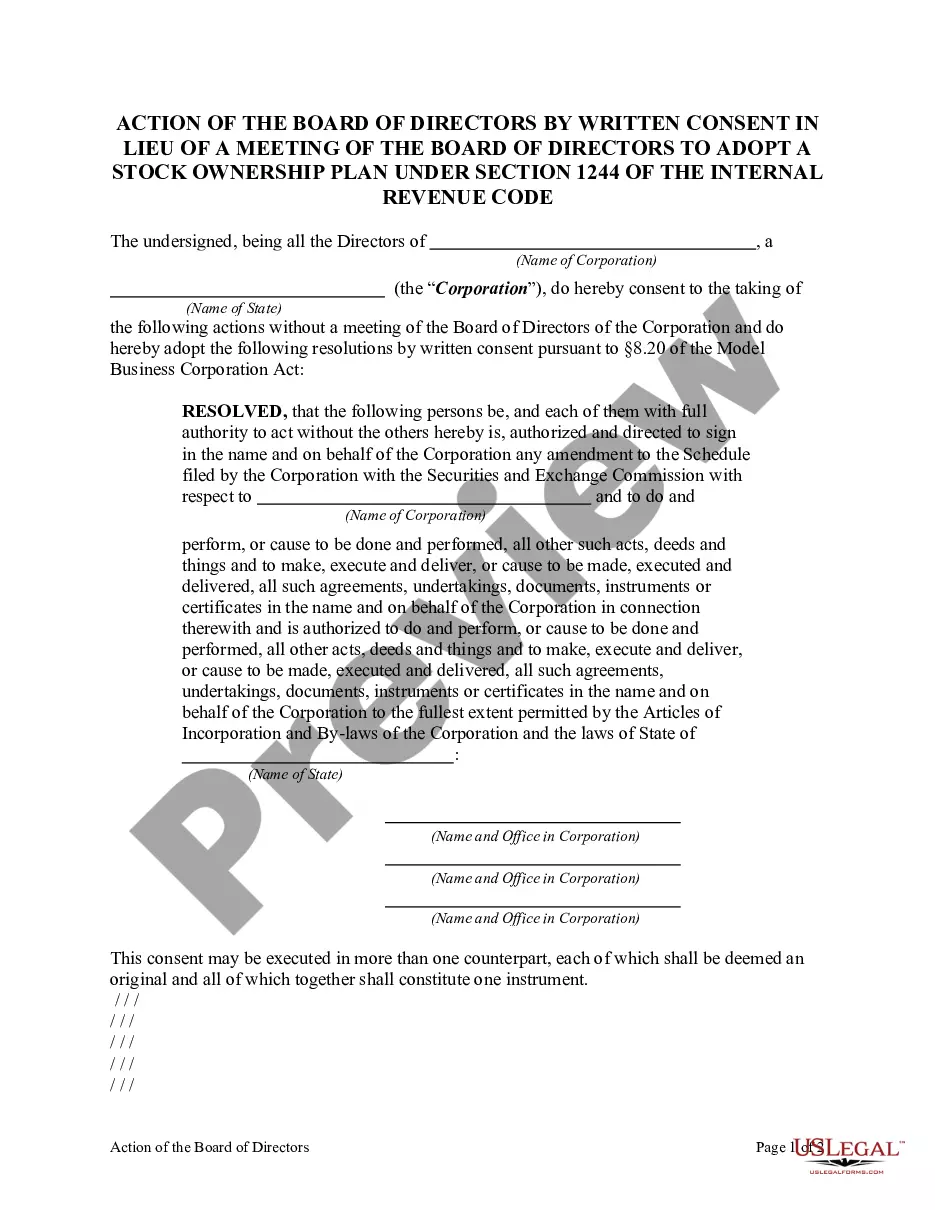


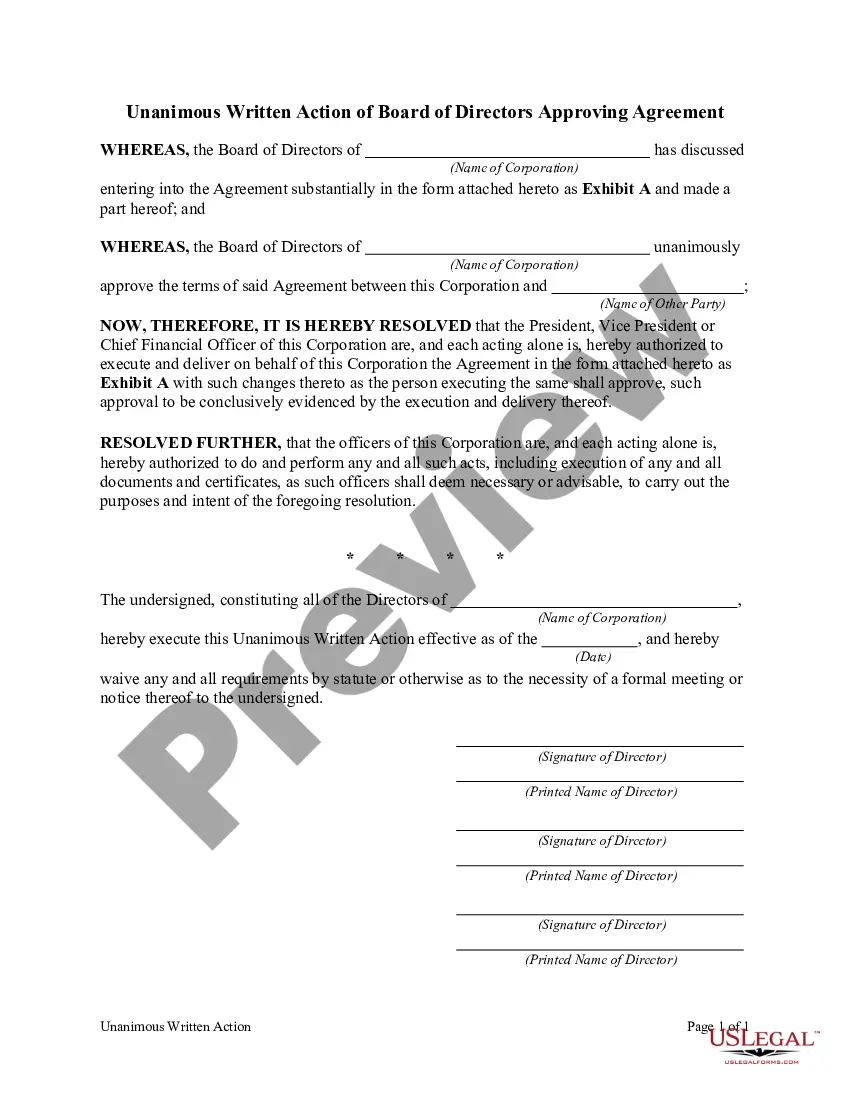
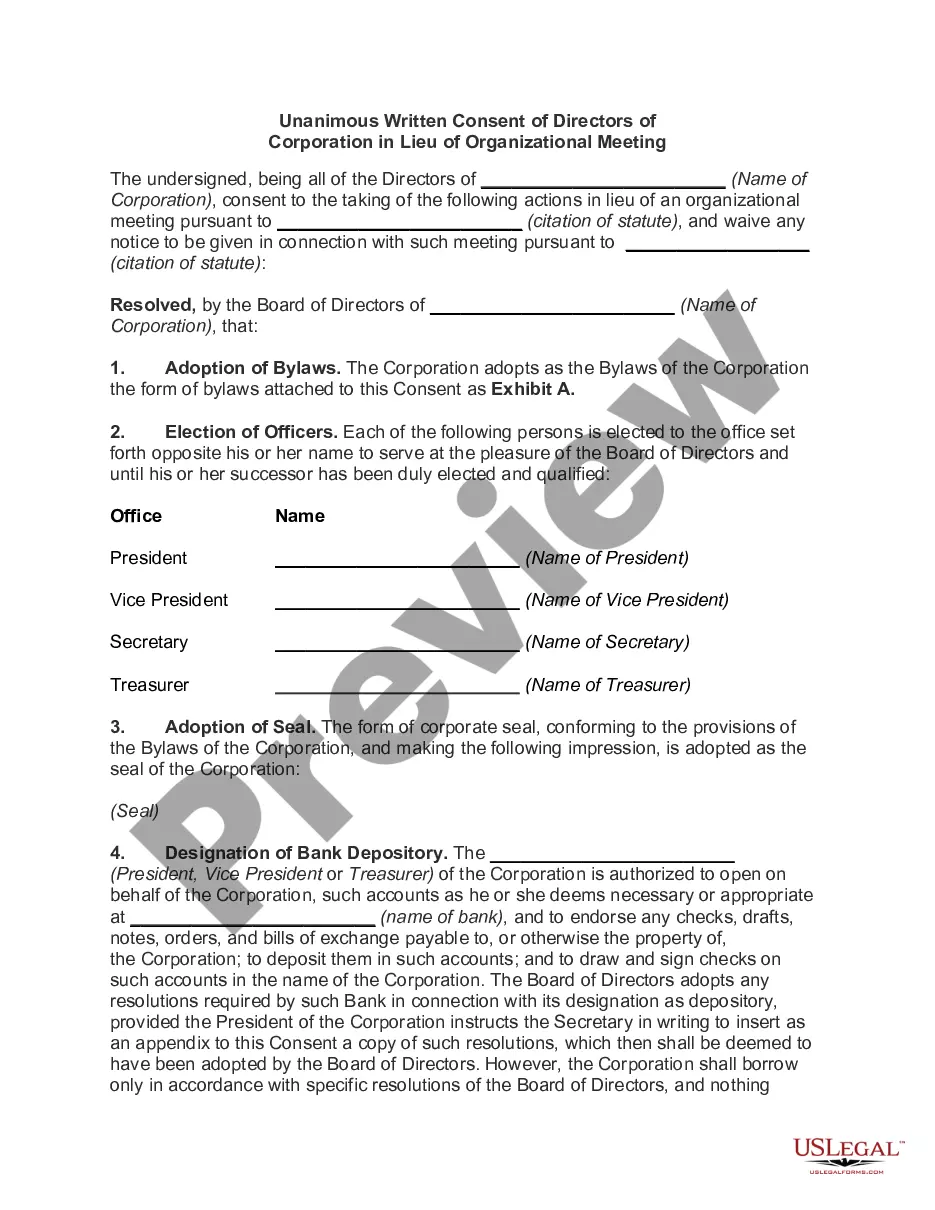
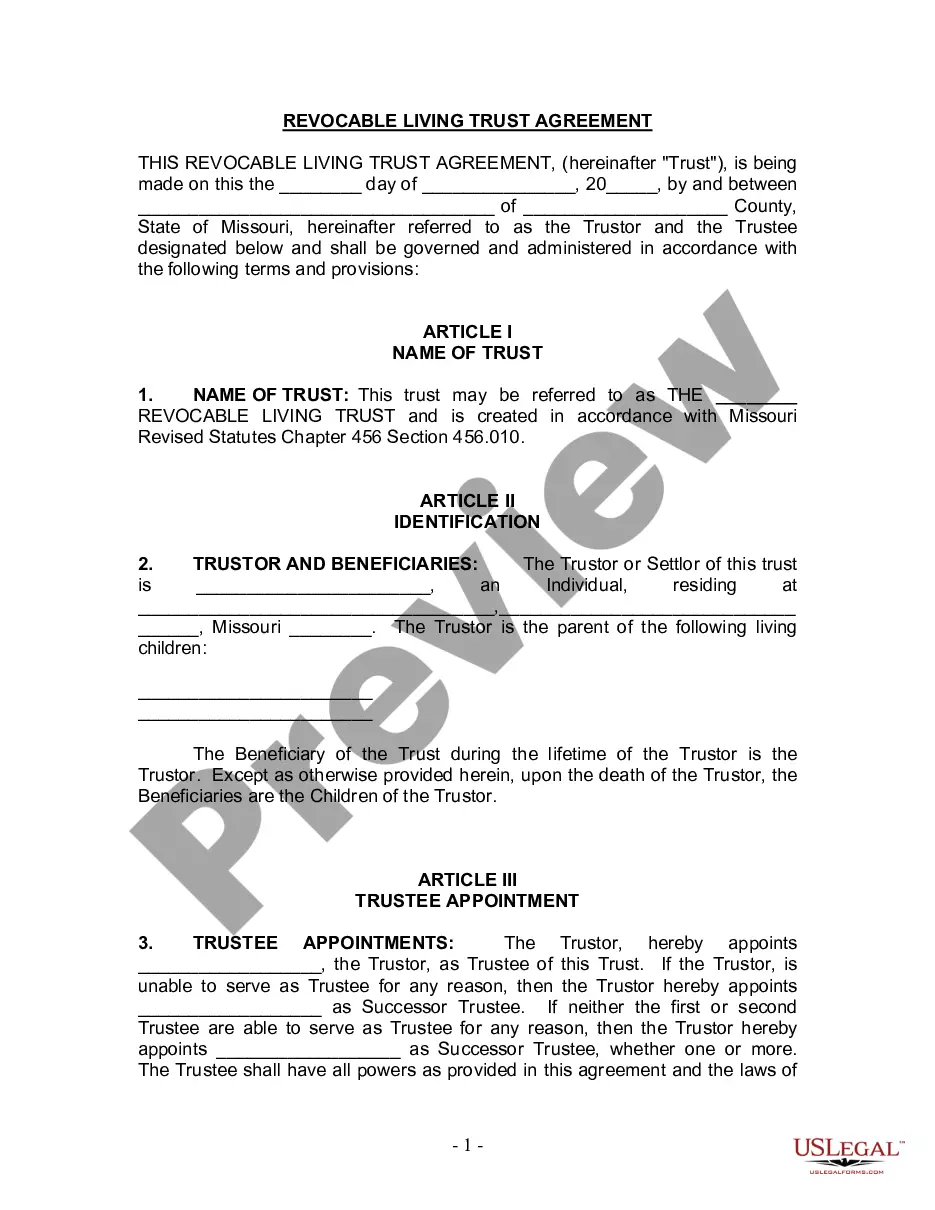
Get your form ready online
Our built-in tools help you complete, sign, share, and store your documents in one place.
Make edits, fill in missing information, and update formatting in US Legal Forms—just like you would in MS Word.
Download a copy, print it, send it by email, or mail it via USPS—whatever works best for your next step.
Sign and collect signatures with our SignNow integration. Send to multiple recipients, set reminders, and more. Go Premium to unlock E-Sign.
If this form requires notarization, complete it online through a secure video call—no need to meet a notary in person or wait for an appointment.
We protect your documents and personal data by following strict security and privacy standards.

Make edits, fill in missing information, and update formatting in US Legal Forms—just like you would in MS Word.

Download a copy, print it, send it by email, or mail it via USPS—whatever works best for your next step.

Sign and collect signatures with our SignNow integration. Send to multiple recipients, set reminders, and more. Go Premium to unlock E-Sign.

If this form requires notarization, complete it online through a secure video call—no need to meet a notary in person or wait for an appointment.

We protect your documents and personal data by following strict security and privacy standards.
Looking for another form?








Form popularity
FAQ
The directors are effectively the agents of the company, appointed by the shareholders to manage the company's day-to-day affairs. The basic rule is that the directors should act together as a board but typically the board may also delegate certain of its powers to individual directors or to a committee of the board.
Director Identification Number (DIN) can be acquired through the following procedures: When an individual establishes a new company, they can request a DIN by submitting an Incorporation Form known as SPICe+. Requirement: The incorporation form allows three Director Identification Numbers (DINs) applications.
Typically, you'll have to follow these basic steps when adding a new board member: Hold a meeting of the board of directors. Draft a resolution to add a member. Make sure you have a quorum (the minimum number of directors who must be present to hold an official vote, which should be specified in your bylaws)
Your company must have at least one director. Directors are legally responsible for running the company and making sure company accounts and reports are properly prepared.
Section 149(1) of the Companies Act, 2013 requires that every company shall have a minimum number of 3 directors in the case of a public company, two directors in the case of a private company, and one director in the case of a One Person Company. A company can appoint maximum 15 fifteen directors.
A public company must have at least three directors (not counting alternate directors).
The concept of a Director Identification Number (DIN) has been introduced for the first time with the insertion of Sections 266A to 266G of Companies (Amendment) Act, 2006. As such, all the existing and intending Directors have to obtain DIN within the prescribed time-frame as notified.
Directors must act in the best interests of the company and its shareholders. Key duties include exercising reasonable care, skill, and diligence in decision-making. Directors have rights, including access to company information and protection from liability when acting in good faith.
Company directors run limited companies on behalf of shareholders. Directors have different rights and responsibilities from employees, and are classed as office holders for tax and National Insurance contribution purposes.
Responsibilities of a Director To act in good faith, in order to promote the objects of the company for the benefit of all the stakeholders. To act in ance with the Articles of the company. To exercise reasonable care, skill, and diligence whilst carrying out all functions. To exercise independent judgement.
