Directors Rules In Philadelphia
Description
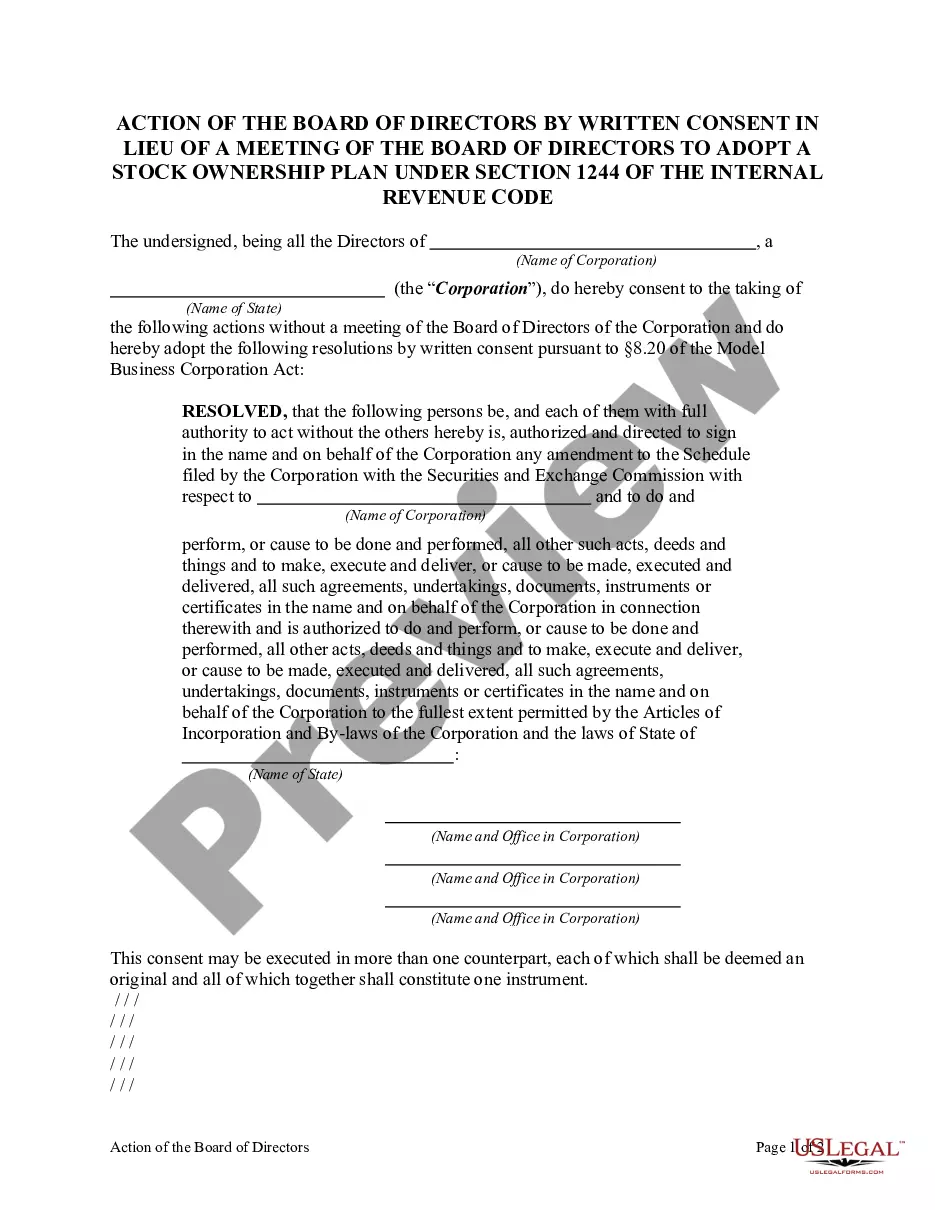
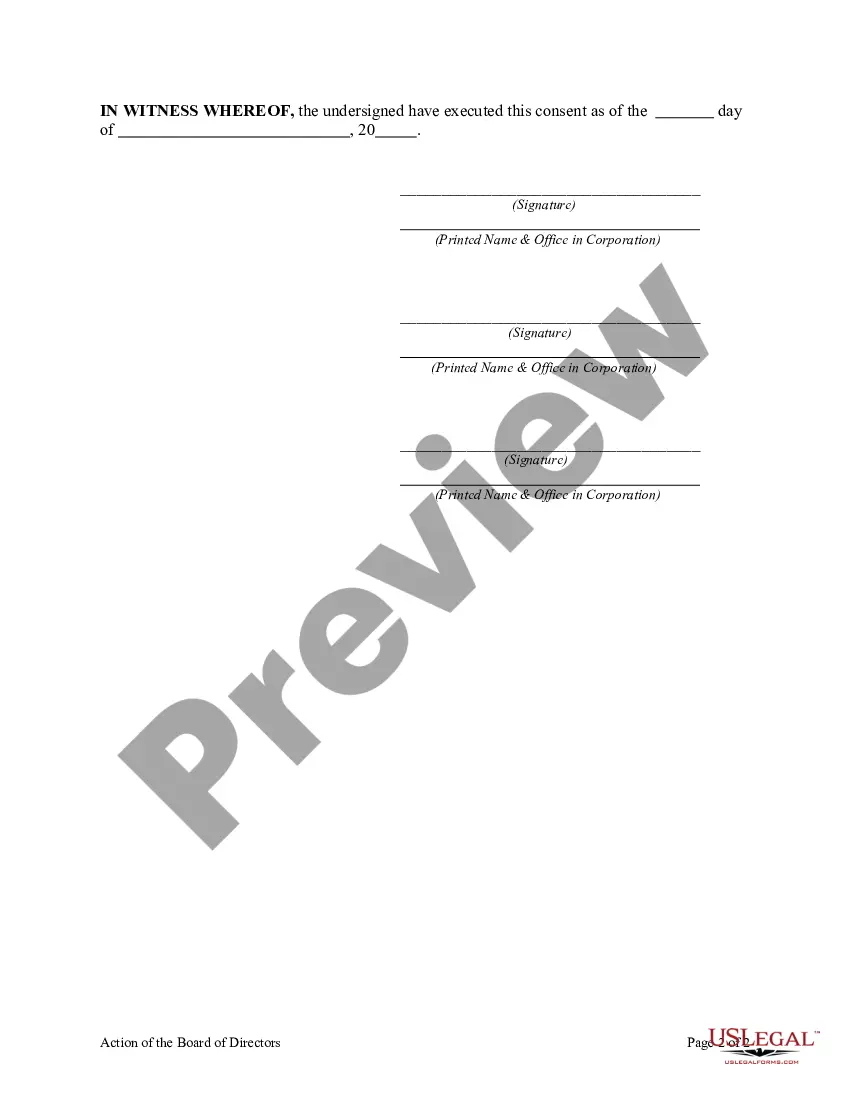
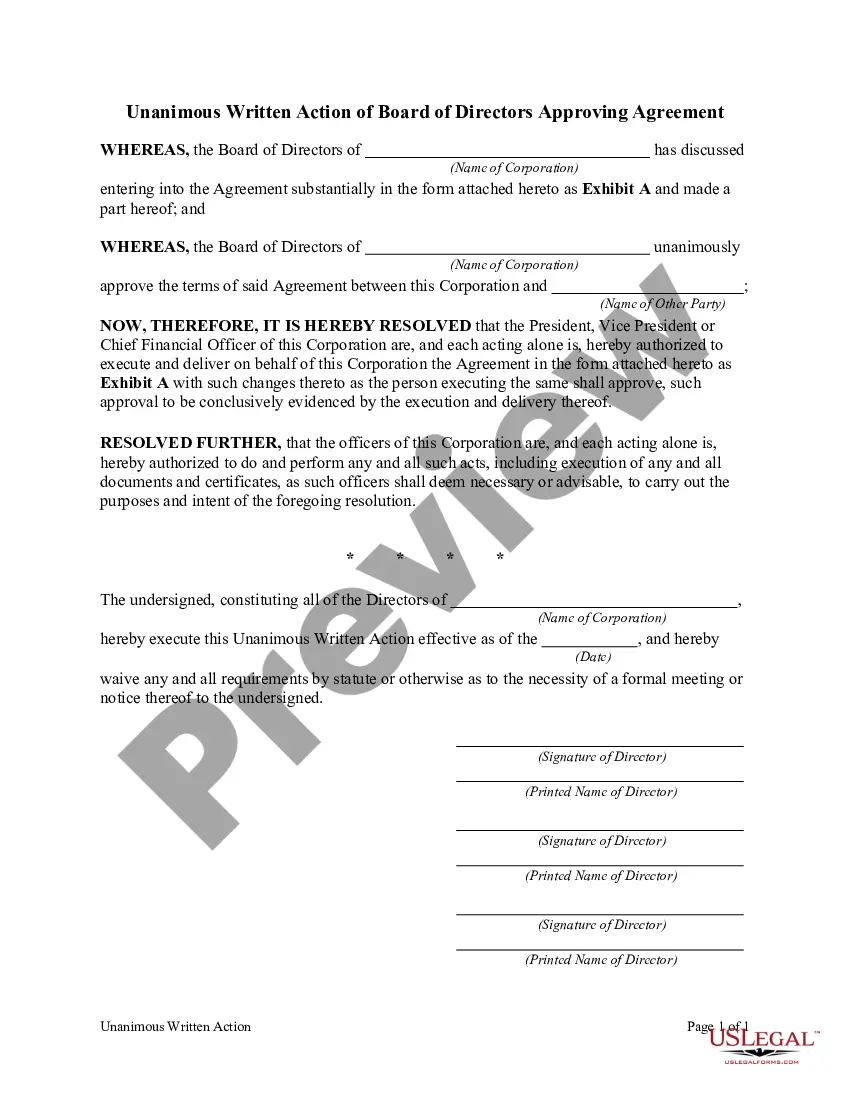
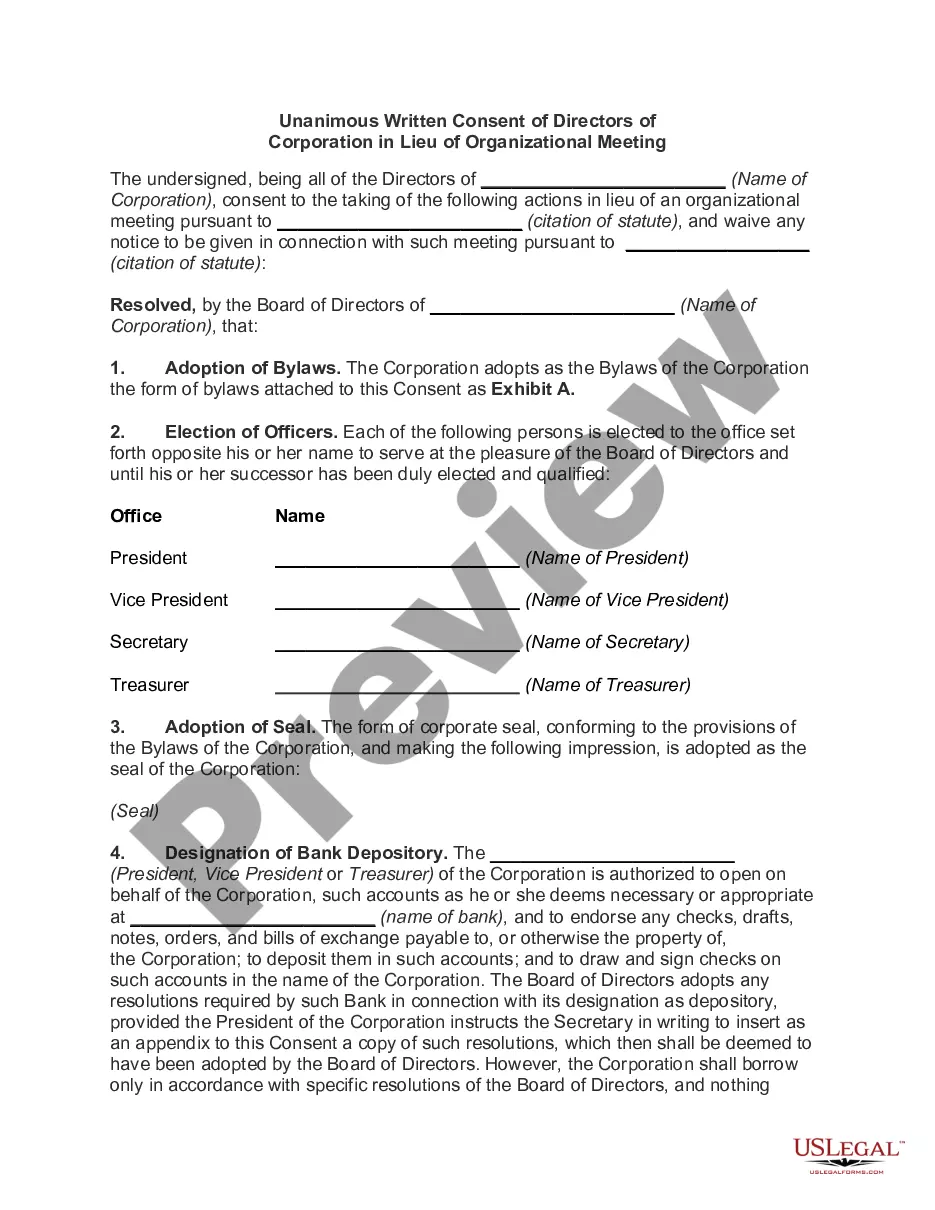
Get your form ready online
Our built-in tools help you complete, sign, share, and store your documents in one place.
Make edits, fill in missing information, and update formatting in US Legal Forms—just like you would in MS Word.
Download a copy, print it, send it by email, or mail it via USPS—whatever works best for your next step.
Sign and collect signatures with our SignNow integration. Send to multiple recipients, set reminders, and more. Go Premium to unlock E-Sign.
If this form requires notarization, complete it online through a secure video call—no need to meet a notary in person or wait for an appointment.
We protect your documents and personal data by following strict security and privacy standards.

Make edits, fill in missing information, and update formatting in US Legal Forms—just like you would in MS Word.

Download a copy, print it, send it by email, or mail it via USPS—whatever works best for your next step.

Sign and collect signatures with our SignNow integration. Send to multiple recipients, set reminders, and more. Go Premium to unlock E-Sign.

If this form requires notarization, complete it online through a secure video call—no need to meet a notary in person or wait for an appointment.

We protect your documents and personal data by following strict security and privacy standards.
Looking for another form?







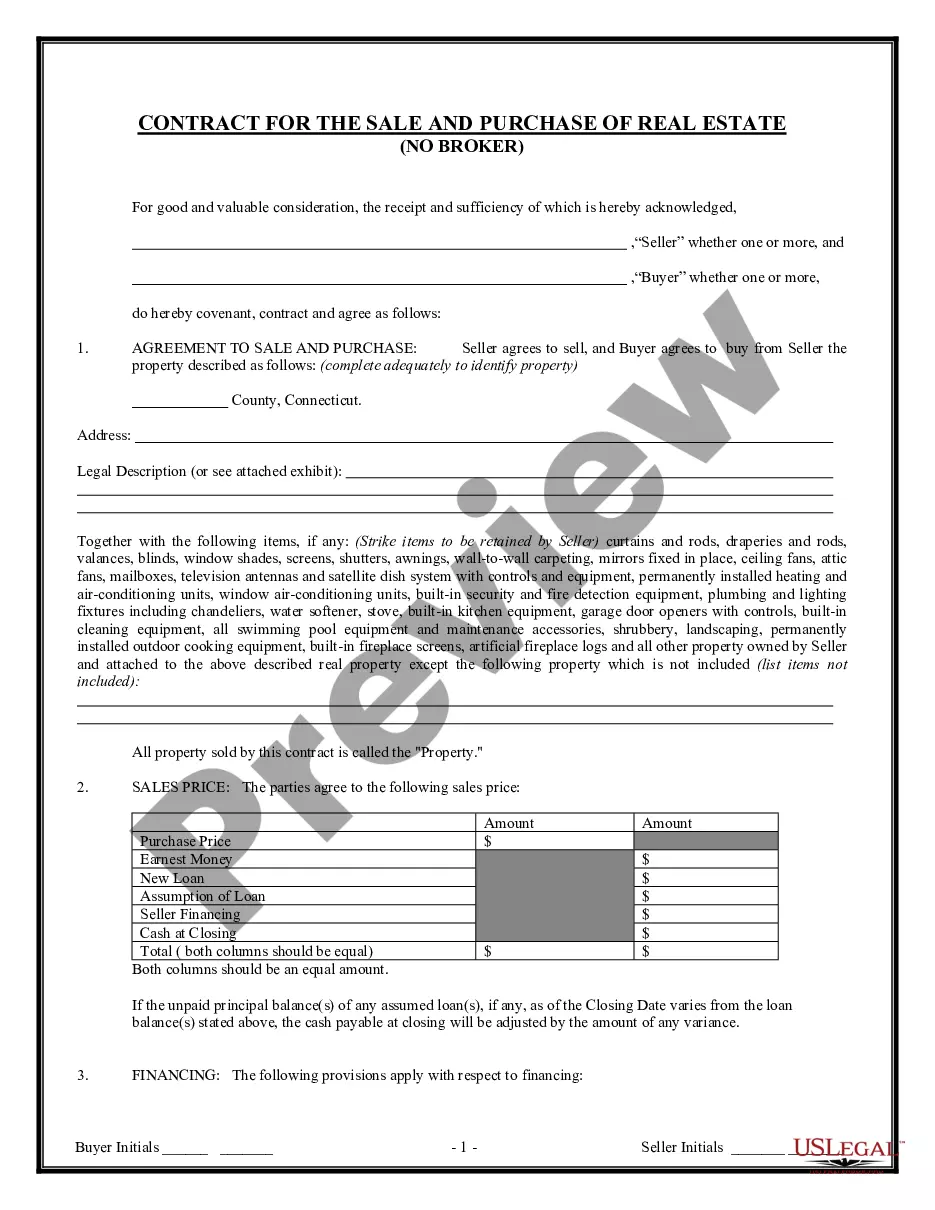


Form popularity
FAQ
Under the current RTKL, all state and local government agency records are presumed to be public. This means that if an agency wants to withhold a record, it must prove that it is entitled to do so under the RTKL, another law or regulation, privilege (such as attorney-client privilege), or court order.
Adam K. Thiel was appointed by Mayor Cherelle L. Parker to serve as the City of Philadelphia's managing director, effective January 1, 2024. The managing director is the City's chief operating officer (COO) and a principal member of the mayor's cabinet.
Find or get a copy of a deed In-person (same-day service) — Visit the Department of Records in person at City Hall Room 154 from Monday through Friday, a.m. to p.m. Mail (slowest option) — Mail your request with payment to Department of Records, City Hall, Room 154, 1400 John F.
The City of Philadelphia has adopted a policy to comply with the Commonwealth's Act 3 of 2008, 65 P.S. §§ 67.101 et seq., commonly known as the Right-to-Know Law. With certain exceptions, members of the public have the right to inspect and/or copy public records upon written request.
Pennsylvania's Right to Know Law (RTKL) gives people access to the public records of government agencies. The information below is specific to submitting a RTKL request to the Pennsylvania Department of the Auditor General, not for obtaining records from another governmental entity.
Certified Divorce Decrees can be obtained in the Office of Judicial Records Civil Filing Unit, phone 215-686-2530, Room 296, City Hall. You can obtain the copy over the counter or by written request.
In order to receive one or more subpoenas, the requestor must submit a written request to the BHA Site Administrator for an Administrative Law Judge (ALJ) to approve and sign. 1 Pa. Code § 35.142(a).
The Right to Know Law is Pennsylvania's open records law. It requires government agencies in Pennsylvania to provide access to and copies of public records to the public.
The Net Profits Tax (NPT) is imposed on the net profits from the operation of a trade, business, profession, enterprise, or other activity by: Philadelphia residents, even if their business is conducted outside of Philadelphia. Non-residents who conduct business in Philadelphia.
The Philadelphia City Wage Tax is a tax on earnings applied to payments that an individual receives from an employer for work or services. All Philadelphia residents owe the City Wage Tax, regardless of where they work.
