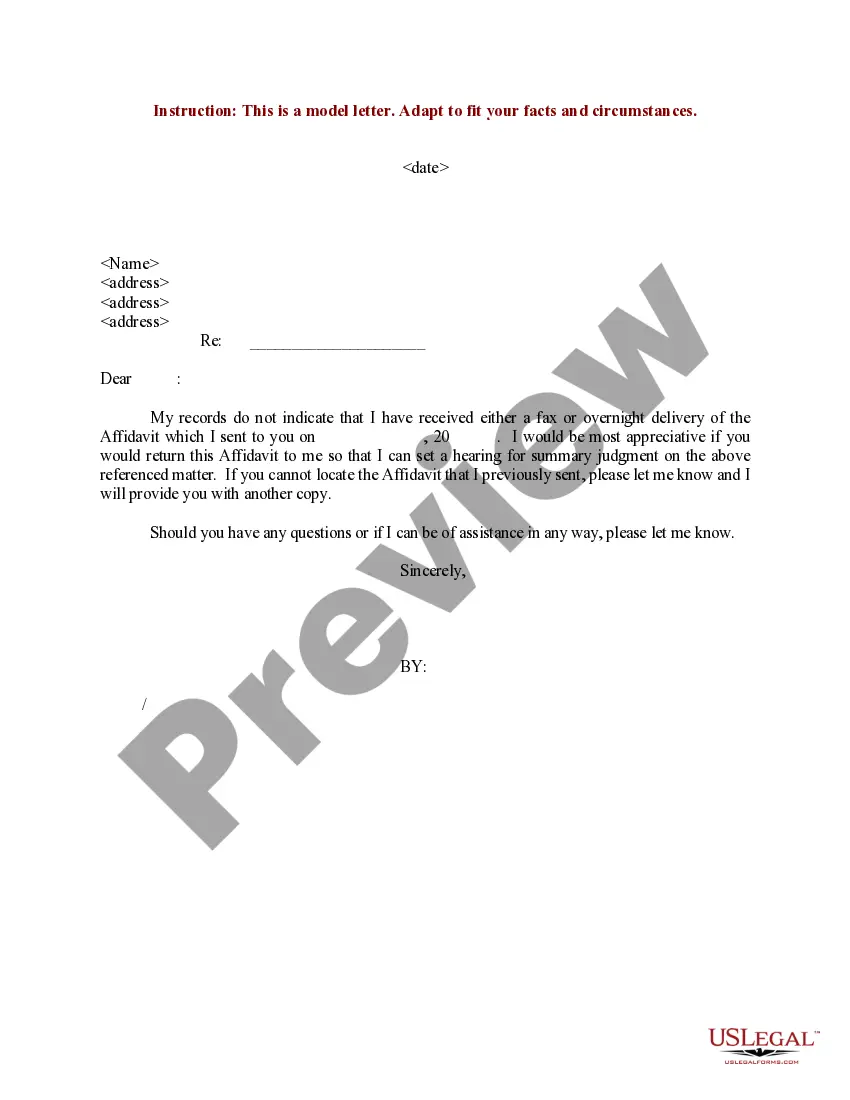
Sample Letter Return To Work In Collin
Description
Get your form ready online
Our built-in tools help you complete, sign, share, and store your documents in one place.
Make edits, fill in missing information, and update formatting in US Legal Forms—just like you would in MS Word.
Download a copy, print it, send it by email, or mail it via USPS—whatever works best for your next step.
Sign and collect signatures with our SignNow integration. Send to multiple recipients, set reminders, and more. Go Premium to unlock E-Sign.
If this form requires notarization, complete it online through a secure video call—no need to meet a notary in person or wait for an appointment.
We protect your documents and personal data by following strict security and privacy standards.

Make edits, fill in missing information, and update formatting in US Legal Forms—just like you would in MS Word.

Download a copy, print it, send it by email, or mail it via USPS—whatever works best for your next step.

Sign and collect signatures with our SignNow integration. Send to multiple recipients, set reminders, and more. Go Premium to unlock E-Sign.

If this form requires notarization, complete it online through a secure video call—no need to meet a notary in person or wait for an appointment.

We protect your documents and personal data by following strict security and privacy standards.
Looking for another form?






Form popularity
FAQ
The letter of intent will showcase your accomplishments and qualifications to work within that company. Instead of making your career fit into a job description mold, you will write about your strengths and accomplishments. While the letter of intent is not specific, remember that your interests are.
A letter of intent to return to work is a formal letter an employee sends to their employer after having been away from work for a period of time. This letter could be used to announce your return from bereavement, parental leave, sick leave, or any other type of leave.
Updated August 17, 2024. A return to work letter is a formal communication from an employee to their employer, explaining when they're returning to work. This letter is written after the person has taken leave from their job for any reason, such as medical or family-related reasons.
A letter of intent (LOI) issued by an employer to a potential candidate, as the name suggests, indicates only the employer's intention to issue an offer of employment. It is a common misconception that an LOI is an offer, which, once accepted, becomes a binding contract.
I hope this message finds you well. I am writing to express my sincere interest in returning to my position at (Company Name). I deeply regret any inconvenience caused by my previous departure due to my medical condition, and I truly appreciate your understanding during that time.
I am writing to formally request that you consider my request to return to work from my maternity leave on a part-time basis, working 4 days each week. I plan to return to work on following 1 years maternity leave.
Dear Employer's Name, I am writing to confirm my return to work on insert return date following my extended leave for travel. I am looking forward to reconnecting with the team and resuming my responsibilities as job title.
General tips for writing a return-to-work letter: Be concise and clear: Confirm your intent to return, state your return date, and, if necessary, briefly outline any requests. Express appreciation: Thank your employer for their support and understanding during your leave. Include contact information:
How to write a return to work letter Address the letter to the correct person and department. Thank them for authorizing your work leave. Attach the proper documentation. State how you plan to catch up. Close with a thank you.
A formal return to office work letter should provide comprehensive and clear details about your return, such as: The date, time, and location where you're expected to report back to the office.