Letter Acceptance Job Application With No Response In Franklin
Description
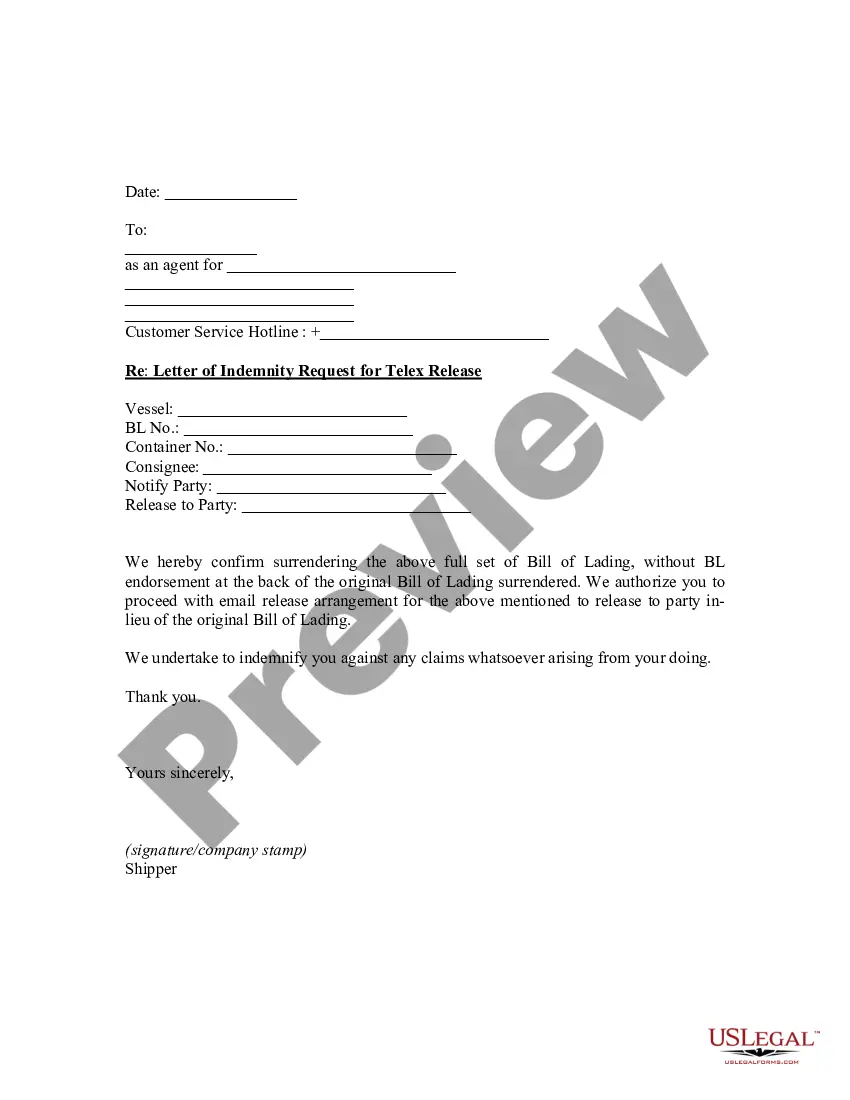
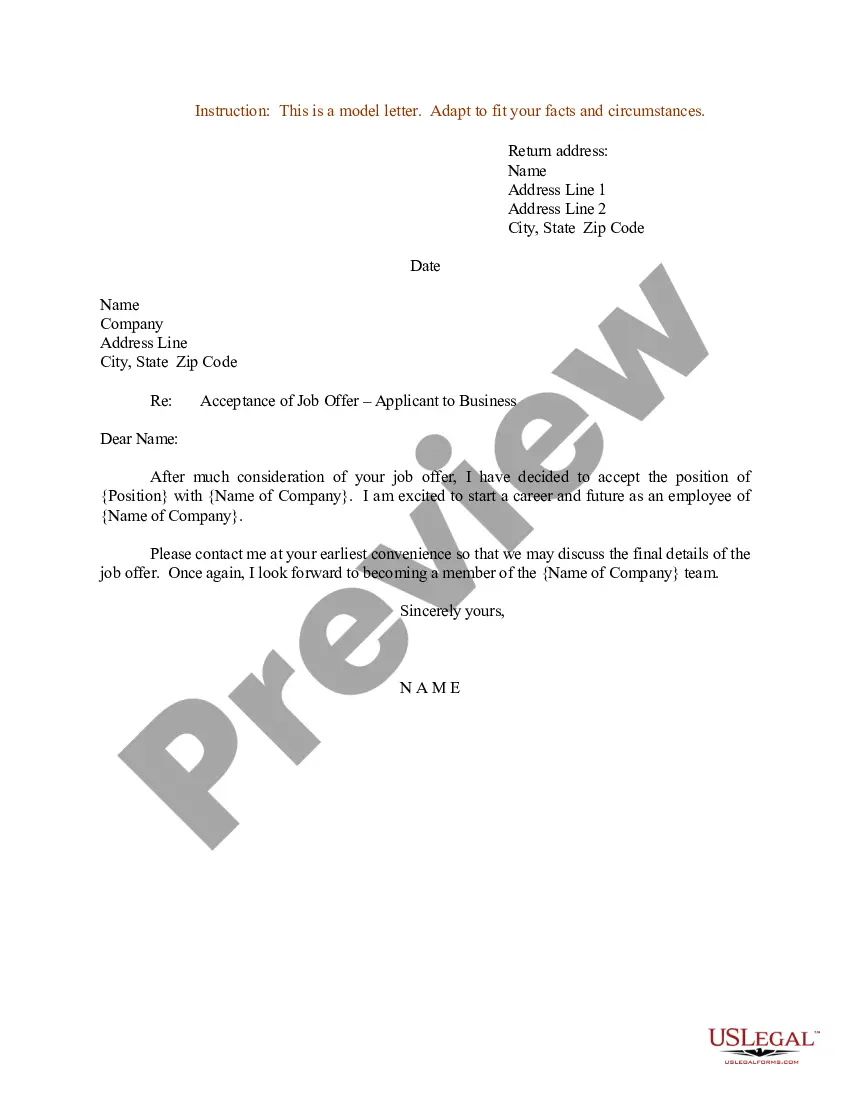
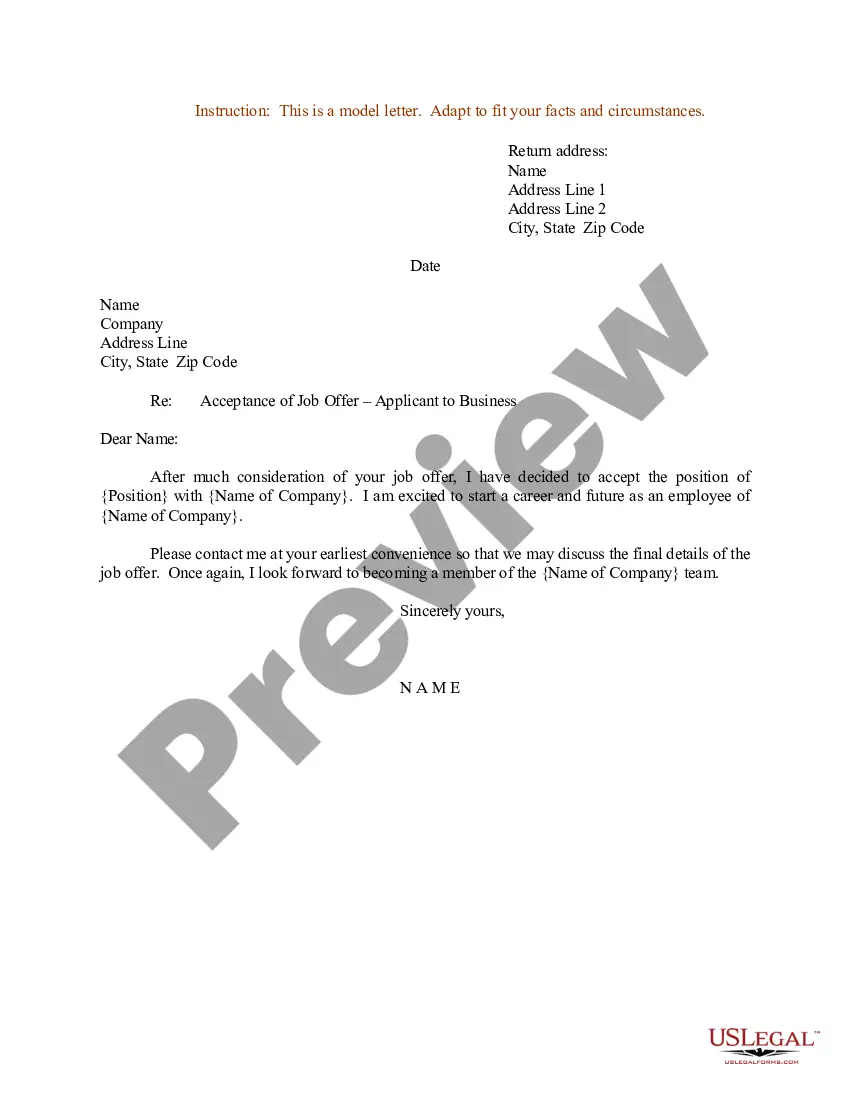
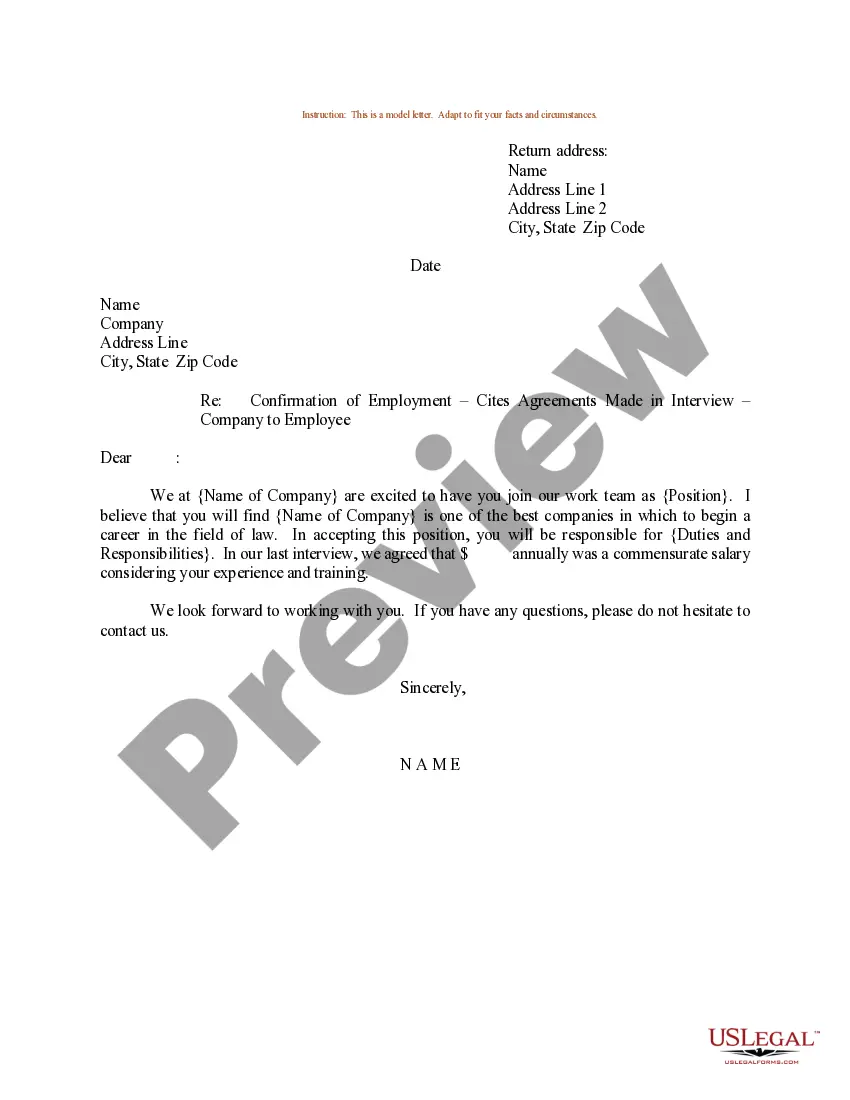
Get your form ready online
Our built-in tools help you complete, sign, share, and store your documents in one place.
Make edits, fill in missing information, and update formatting in US Legal Forms—just like you would in MS Word.
Download a copy, print it, send it by email, or mail it via USPS—whatever works best for your next step.
Sign and collect signatures with our SignNow integration. Send to multiple recipients, set reminders, and more. Go Premium to unlock E-Sign.
If this form requires notarization, complete it online through a secure video call—no need to meet a notary in person or wait for an appointment.
We protect your documents and personal data by following strict security and privacy standards.

Make edits, fill in missing information, and update formatting in US Legal Forms—just like you would in MS Word.

Download a copy, print it, send it by email, or mail it via USPS—whatever works best for your next step.

Sign and collect signatures with our SignNow integration. Send to multiple recipients, set reminders, and more. Go Premium to unlock E-Sign.

If this form requires notarization, complete it online through a secure video call—no need to meet a notary in person or wait for an appointment.

We protect your documents and personal data by following strict security and privacy standards.
Looking for another form?







Form popularity
FAQ
Typically, a candidate has a week to accept or decline an offer, so you can use this as a timeline to hear back from another employer. There comes a point where you need to decide whether you want to pursue your current offer or decline the offer with the hope that your top choice will eventually respond to you.
Remember, you'll probably get your college acceptance letters over the course of two to three weeks. Each school will have their own date, and usually even a specific time, they are planning to send out college acceptance letters.
The timing of the offer letter will vary depending on the employer and the specific hiring process. In some cases, an offer letter may be sent on the same day as the verbal offer, while in others, it may take several days or even a week or more.
Four things you must do when employers never respond to your application Contact the employer in a respectful manner. Employers are not required by law to respond to applicants. Look over your application documents again. Don't settle for less. Move on, and keep looking.
There is no hard and fast rule about how long employers will take to get back to you with a job offer (or a job rejection). The hiring process can vary from employer to employer, the type of job you are applying for, and the industry in which you work. You could get an offer in a day or two or it could take weeks.
It's generally advisable to wait about one to two weeks after submitting a job application before following up. This timeframe allows the employer sufficient time to review applications.
Consider sending your follow-up email to an employer with a short thank-you message, adding a subject line that clearly states the email's intent and using a professional and polite tone while writing.
There could be several reasons: your profile may not fully match the job requirements, many applicants could be competing for the same roles, or your application might not stand out enough. Try improving your resume, tailoring it for each job, and networking with recruiters directly.
Try keeping it simple and straightforward. For instance, you could say something like, ``I'm following up to see if you might have some time to talk in the next week or two about your experience working at Company X, as I just applied for the financial analyst position.''
