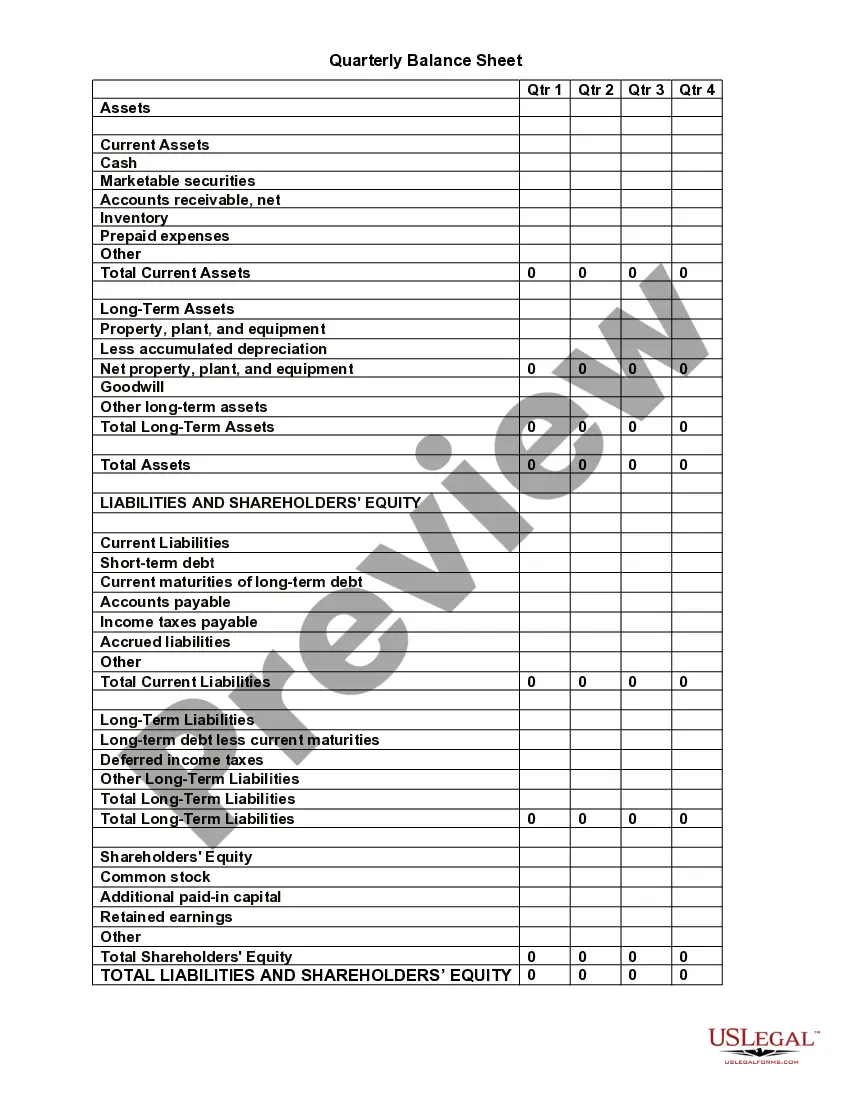
Quarterly Balance Sheet
Overview of this form
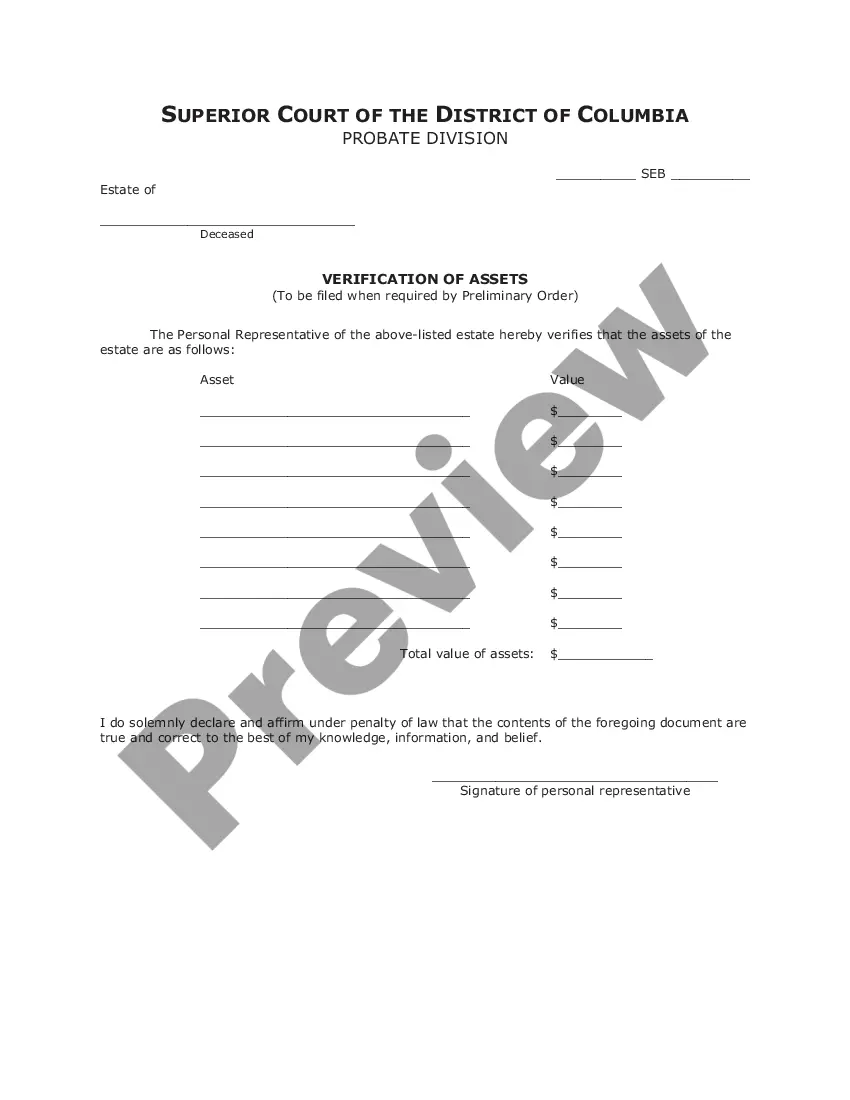
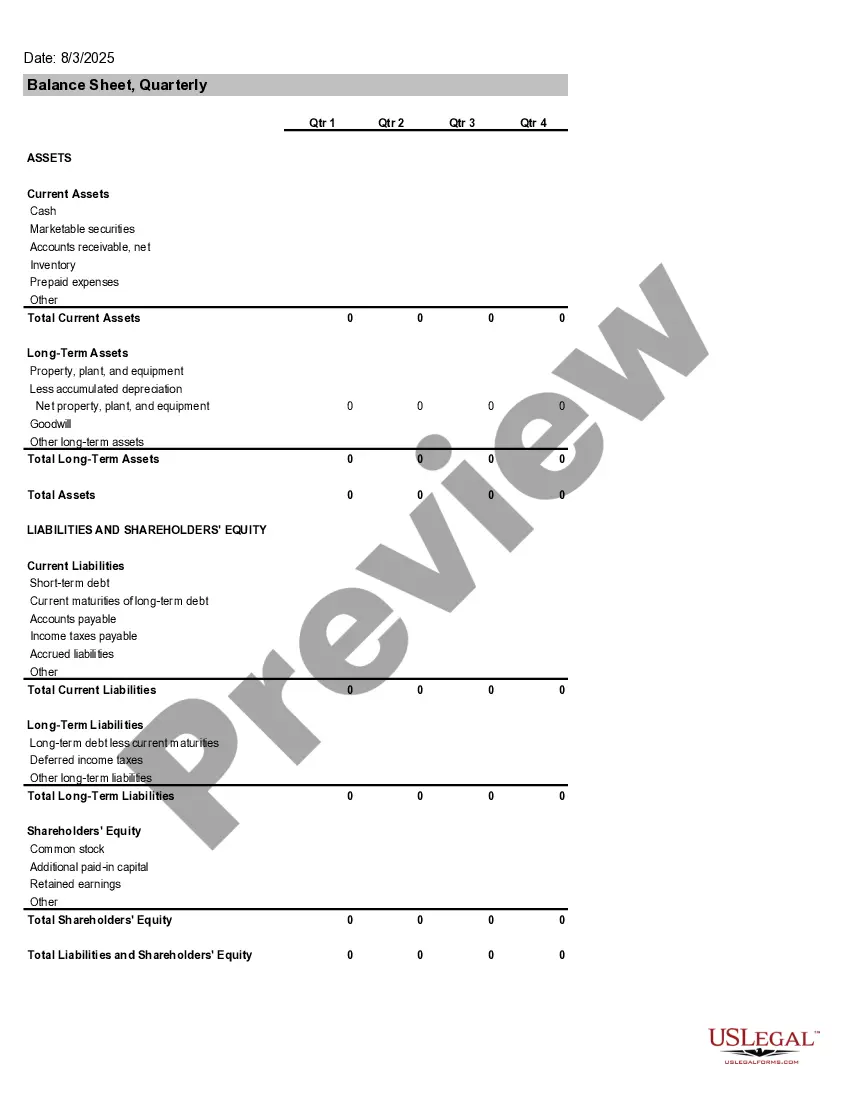
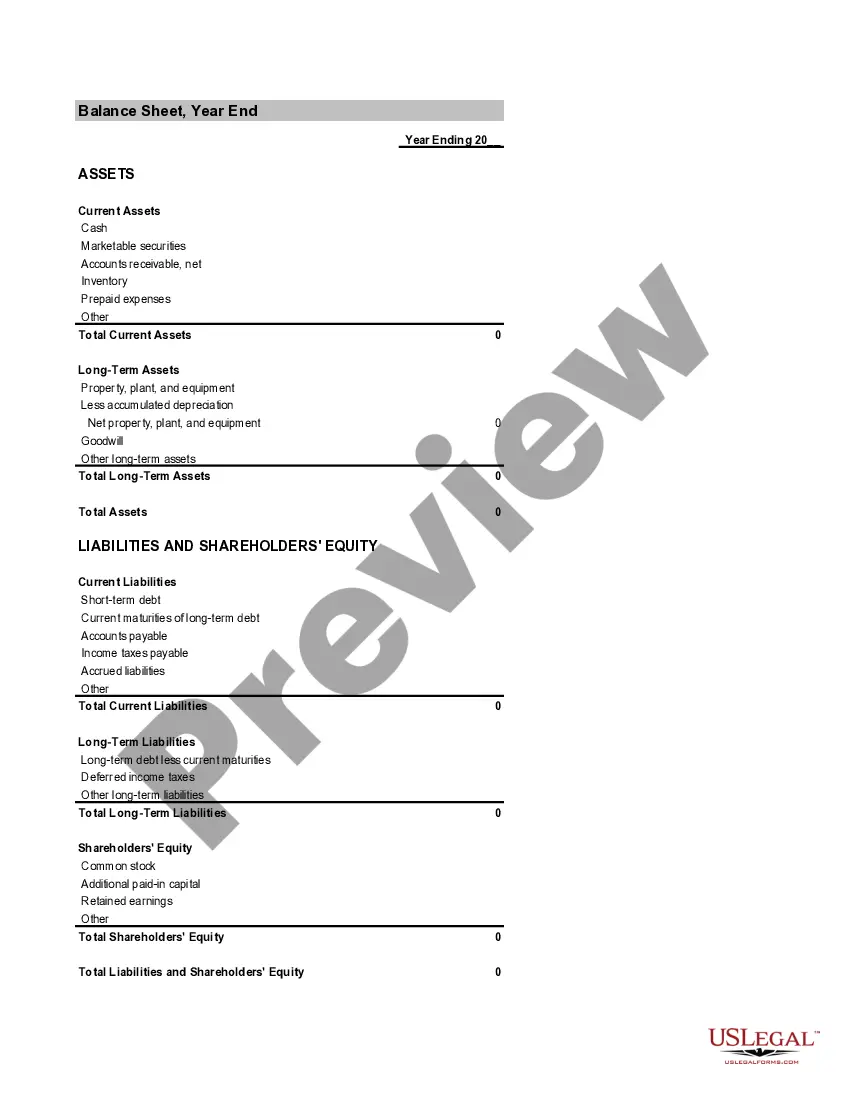
The Quarterly Balance Sheet is a financial document used to summarize the financial status of a business at the end of each quarter. Unlike annual balance sheets, this form provides a short-term view of assets and liabilities, allowing business owners to assess their financial health more frequently. It lists total assets on one side and total liabilities on the other side, ensuring that both sides balance, which indicates the company's net worth. This form serves as a vital tool for tracking financial performance over specific periods, making it distinct from other accounting forms like income statements and cash flow statements.
Form components explained
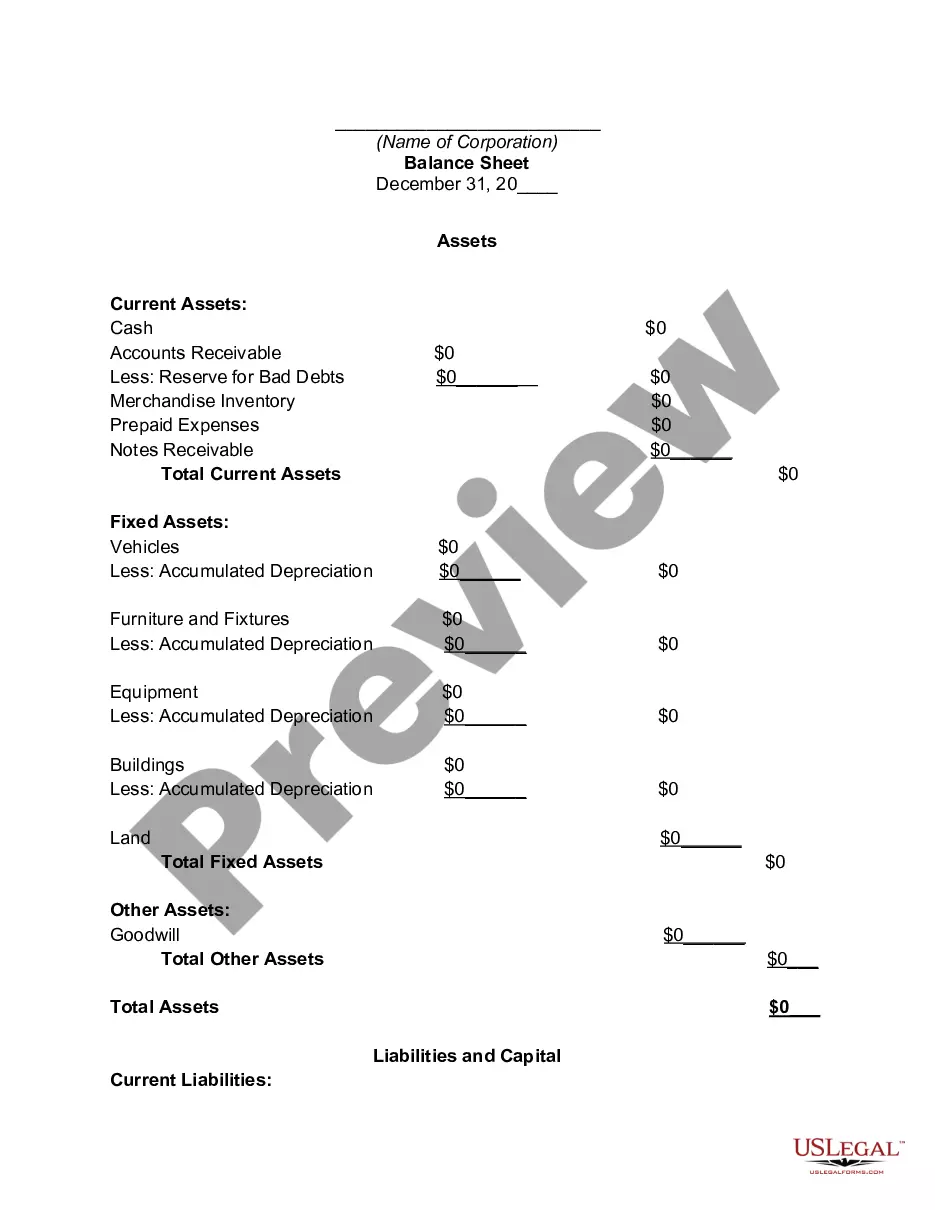
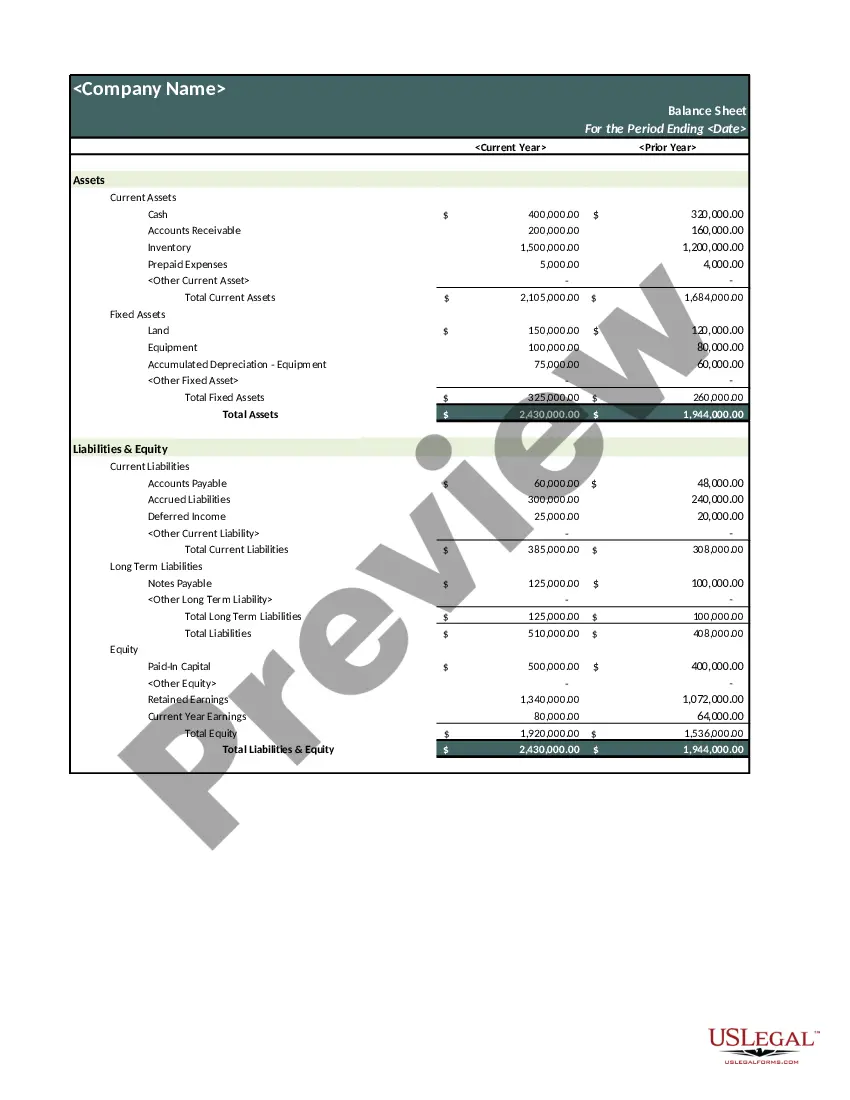
- Assets: Includes both current and long-term assets, such as cash, inventory, and property.
- Liabilities: Lists current and long-term obligations, including loans and accounts payable.
- Owner's equity: Represents the owner's interest in the business after all liabilities are deducted.
- Balance calculation: Confirms that total assets equal total liabilities plus owner's equity.
- Reporting date: Indicates the specific date of the balance sheet, crucial for accuracy.
When to use this form
This form is essential for businesses that need to assess their financial position on a quarterly basis. You should use the Quarterly Balance Sheet when preparing for financial audits, applying for loans, or assessing business performance to make informed management decisions. It is also valuable during reviews with stakeholders or when strategizing for future investments.
Who this form is for
- Business owners looking to maintain accurate financial records.
- Accountants preparing financial statements for clients.
- Small business managers needing to evaluate business performance regularly.
- Financial analysts assessing the financial health of a business over time.
How to prepare this document
- Gather all financial data, including assets and liabilities for the quarter.
- List all assets in the appropriate section, categorizing them as current or long-term.
- Document all liabilities, distinguishing between current and long-term obligations.
- Calculate owner's equity by subtracting total liabilities from total assets.
- Ensure that total assets equal total liabilities plus owner's equity for balance accuracy.
- Review the completed form and ensure the reporting date is clearly stated.
Notarization guidance
This form does not typically require notarization unless specified by local law. However, ensuring proper signing and acknowledgment practices is important to uphold the document's integrity in business transactions.
Get your form ready online
Our built-in tools help you complete, sign, share, and store your documents in one place.
Make edits, fill in missing information, and update formatting in US Legal Forms—just like you would in MS Word.
Download a copy, print it, send it by email, or mail it via USPS—whatever works best for your next step.
Sign and collect signatures with our SignNow integration. Send to multiple recipients, set reminders, and more. Go Premium to unlock E-Sign.
If this form requires notarization, complete it online through a secure video call—no need to meet a notary in person or wait for an appointment.
We protect your documents and personal data by following strict security and privacy standards.

Make edits, fill in missing information, and update formatting in US Legal Forms—just like you would in MS Word.

Download a copy, print it, send it by email, or mail it via USPS—whatever works best for your next step.

Sign and collect signatures with our SignNow integration. Send to multiple recipients, set reminders, and more. Go Premium to unlock E-Sign.

If this form requires notarization, complete it online through a secure video call—no need to meet a notary in person or wait for an appointment.

We protect your documents and personal data by following strict security and privacy standards.
Typical mistakes to avoid
- Forgetting to update the balance sheet with recent financial transactions.
- Misclassifying short-term liabilities as long-term or vice versa.
- Overlooking to accurately calculate owner's equity.
- Not providing a clear reporting date on the document.
Why use this form online
- Convenience: Downloadable templates are readily available for your use anytime.
- Editability: Easily customize the form to suit your specific business needs.
- Reliability: Templates drafted by licensed attorneys ensure legal compliance.
Summary of main points
- The Quarterly Balance Sheet is crucial for understanding your business's short-term financial health.
- Accurate completion aids in decision-making and financial planning.
- This form must be prepared regularly to reflect the most current financial status.
Looking for another form?





Form popularity
FAQ
Key Takeaways. A quarterly report is a summary or a collection of a company's financial statements, such as balance sheets and income statements, issued every three months. Publicly-traded companies must file their quarterly reports on Form 10-Q with the Securities Exchange Commission (SEC).
Quarterly financial statements, also known as quarterly reports, are a set of financial statements that are issued every quarter (every three months), for a total of four per year. In some cases, the quarterly financial statement is also called the quarterly earnings report.
Key Takeaways. A quarter is a three-month period on a company's financial calendar that acts as a basis for periodic financial reports and the paying of dividends. A quarter refers to one-fourth of a year and is typically expressed as "Q1 for the first quarter, Q2 for the second quarter, and so forth.
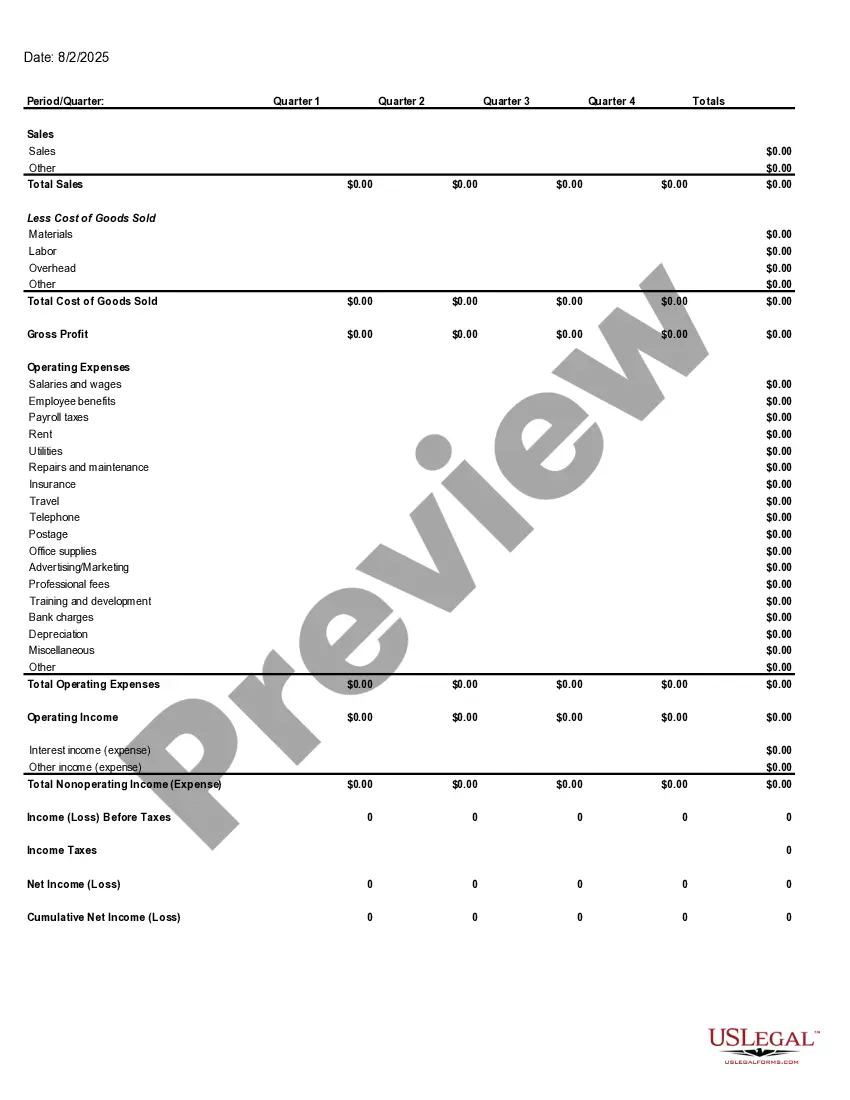
A quarterly report for a public company typically includes an income statement, balance sheet, and cash flow statement for the quarter and the year-to-date (YTD), as well as comparative results for the prior year.
A quarterly report is a summary or collection of unaudited financial statements, such as balance sheets, income statements, and cash flow statements, issued by companies every quarter (three months).Quarterly reports are typically filed within a few weeks of a quarter's end.
Pick a Reporting Period. The first step in preparing an income statement is to choose the reporting period your report will cover. Calculate Your Revenue. Determine Cost of Goods Sold. Calculate the Gross Margin. Include Operating Expenses. Include Income Taxes. Calculate Net Income.
Determine the Reporting Date and Period. Identify Your Assets. Identify Your Liabilities. Calculate Shareholders' Equity. Add Total Liabilities to Total Shareholders' Equity and Compare to Assets.