Chattel Form Paper For Sale In Utah
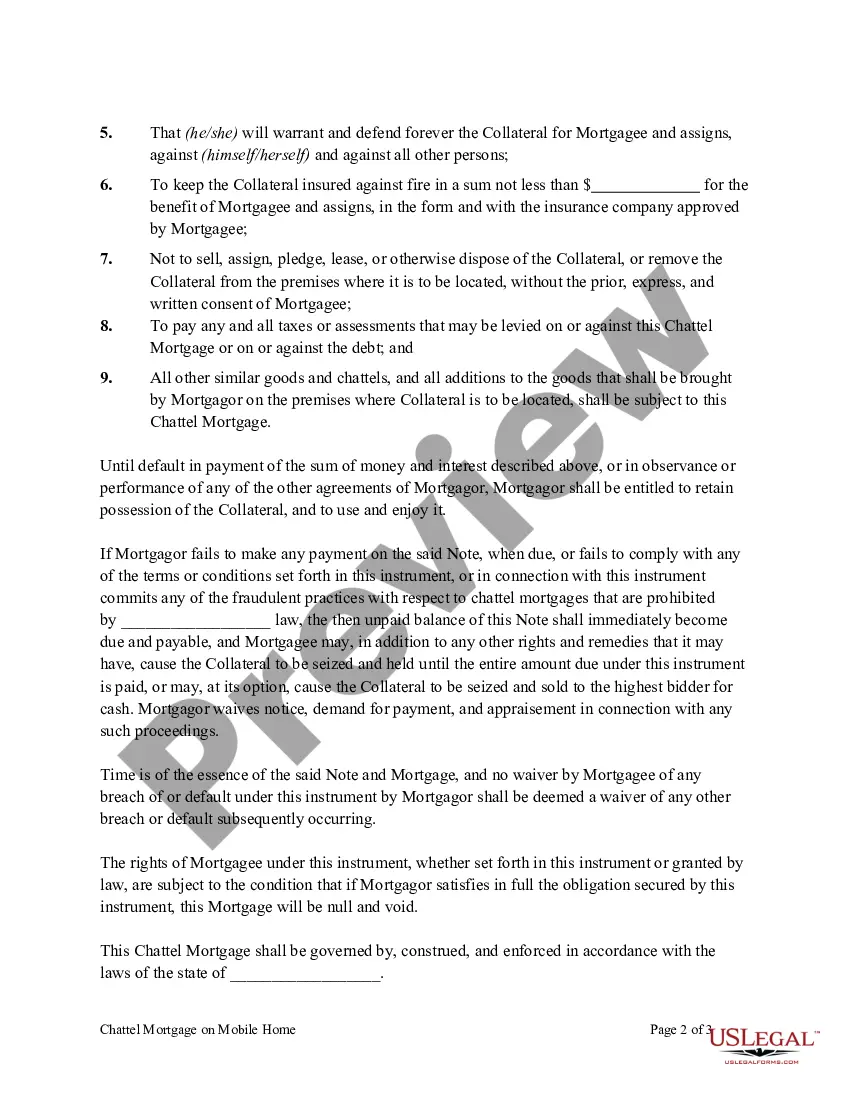
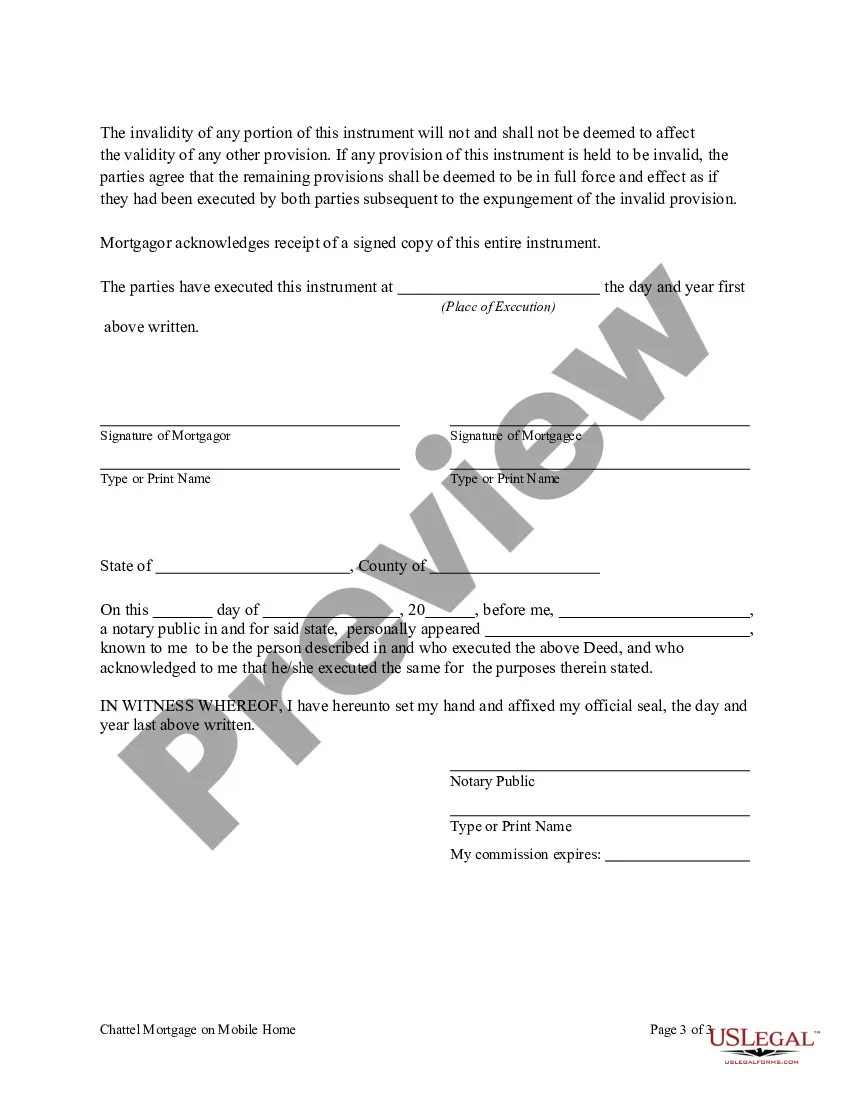
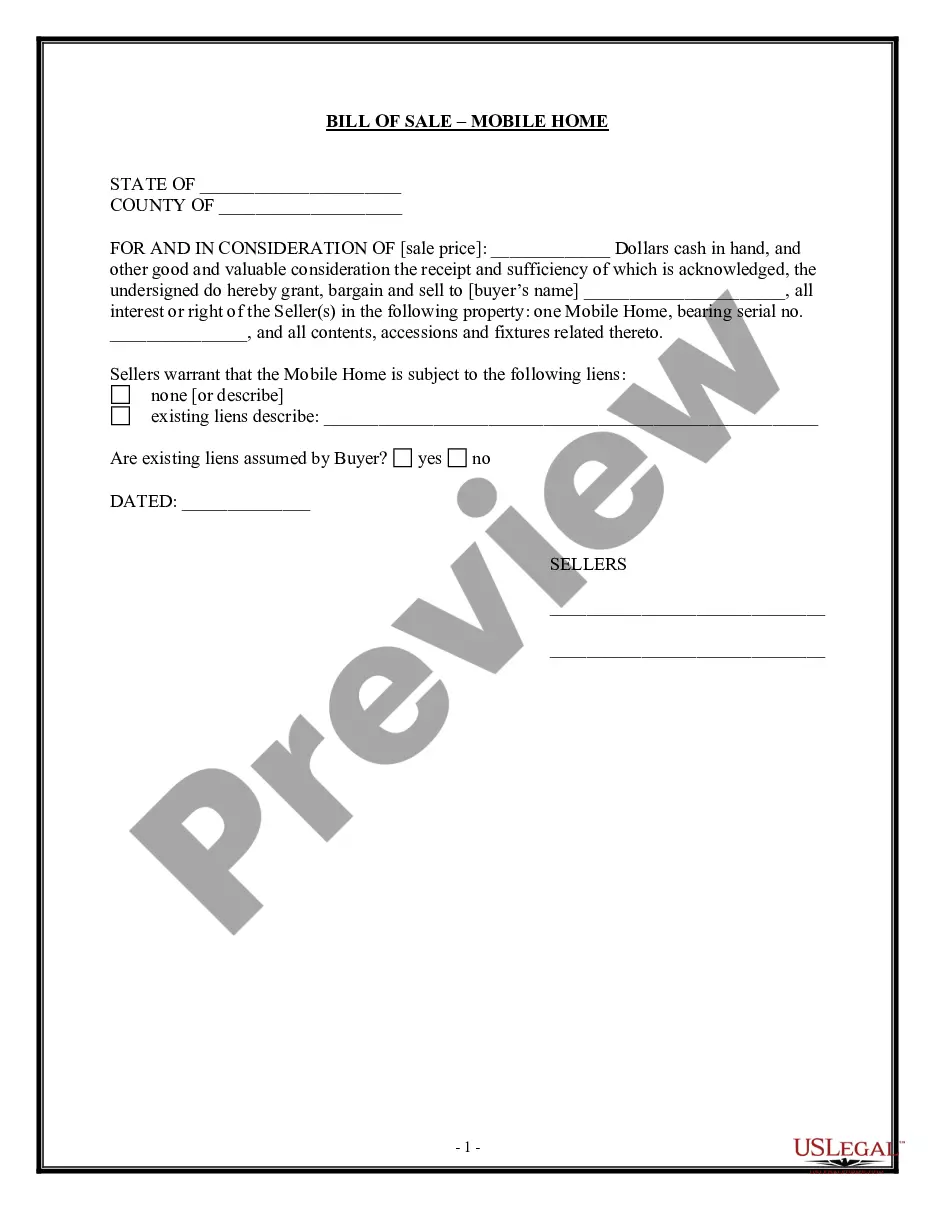
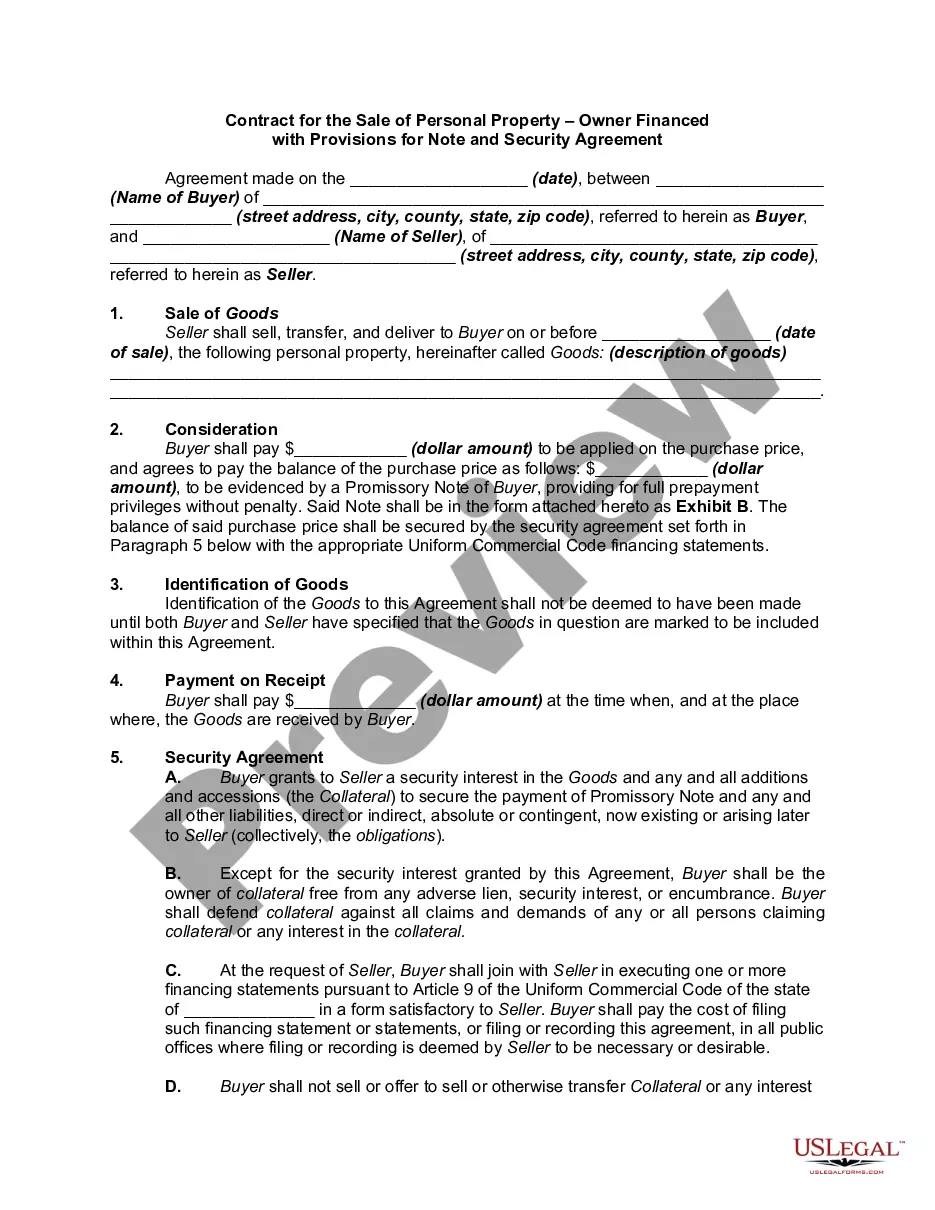
Description

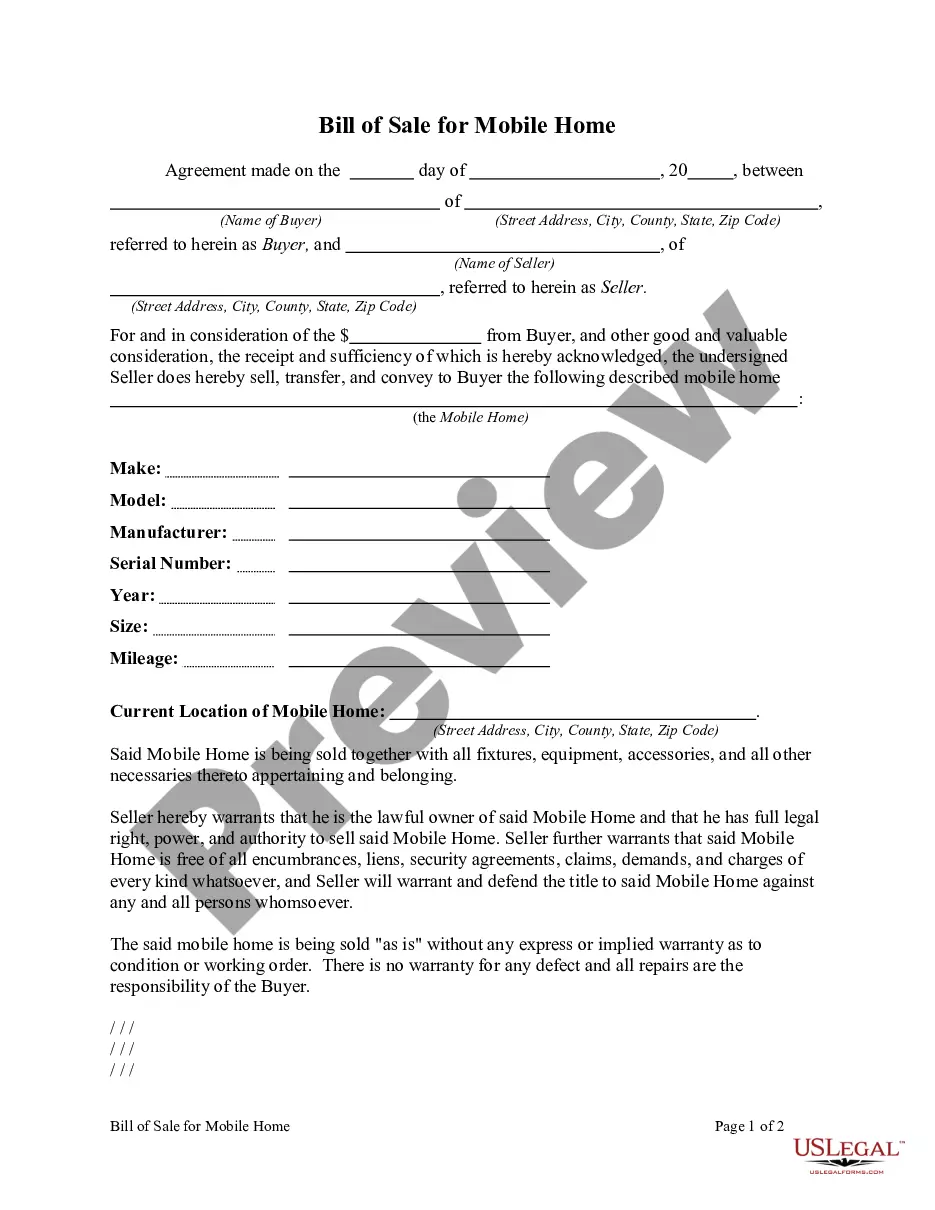
Get your form ready online
Our built-in tools help you complete, sign, share, and store your documents in one place.
Make edits, fill in missing information, and update formatting in US Legal Forms—just like you would in MS Word.
Download a copy, print it, send it by email, or mail it via USPS—whatever works best for your next step.
Sign and collect signatures with our SignNow integration. Send to multiple recipients, set reminders, and more. Go Premium to unlock E-Sign.
If this form requires notarization, complete it online through a secure video call—no need to meet a notary in person or wait for an appointment.
We protect your documents and personal data by following strict security and privacy standards.

Make edits, fill in missing information, and update formatting in US Legal Forms—just like you would in MS Word.

Download a copy, print it, send it by email, or mail it via USPS—whatever works best for your next step.

Sign and collect signatures with our SignNow integration. Send to multiple recipients, set reminders, and more. Go Premium to unlock E-Sign.

If this form requires notarization, complete it online through a secure video call—no need to meet a notary in person or wait for an appointment.

We protect your documents and personal data by following strict security and privacy standards.
Looking for another form?








Form popularity
FAQ
(1) A security interest attaches to collateral when it becomes enforceable against the debtor with respect to the collateral, unless an agreement expressly postpones the time of attachment.
Chattel paper refers to a document used in secured transactions to sell property on credit while retaining some interest in the property.
Chattel property is personal property that can be moved around. Chattel property law is defined as any property that is not land or physical items that belong to the land. Chattel is movable goods and land cannot be moved. A house would not be considered chattel property because it is attached to the land.
Three steps are required for attachment of a security interest: value has been given, the debtor has rights in the collateral or the power to transfer rights in the collateral to the secured party, and the debtor has signed or authenticated a security agreement that provides a description of the collateral.
The SIJL distinguishes between attachment, which is the creation of a security interest enforceable against the grantor, and perfection, which ensures that the security interest is binding upon third parties and insolvency officials.
In the context of security, attachment is the point in time when a security interest is created as between a debtor and creditor. The effect of attachment is that the security interest attaches to the asset which is the subject of the security, so as to give the creditor rights ("in rem") against the debtor.
