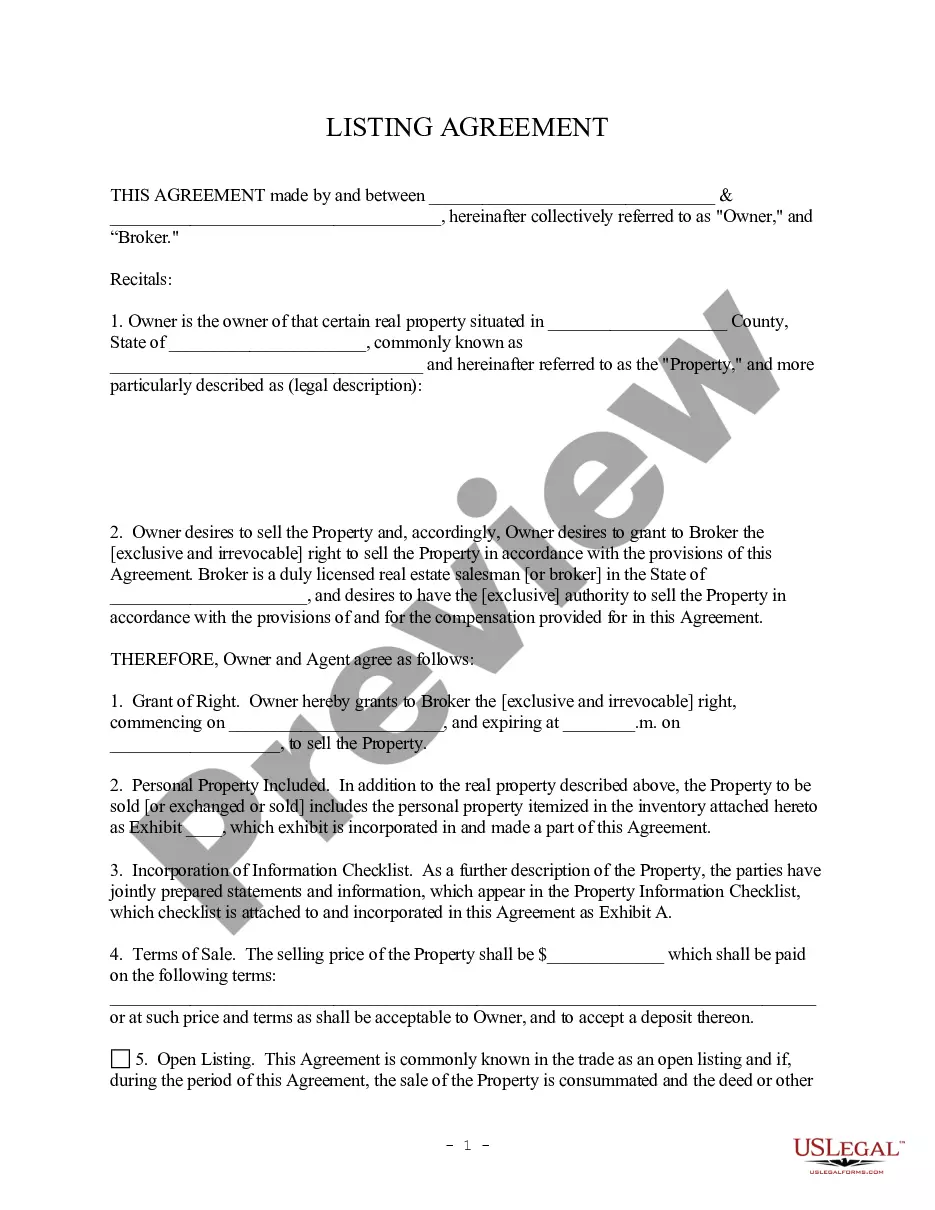
Listing Agreement Document With Corporate Governance In Suffolk
Description

Get your form ready online
Our built-in tools help you complete, sign, share, and store your documents in one place.
Make edits, fill in missing information, and update formatting in US Legal Forms—just like you would in MS Word.
Download a copy, print it, send it by email, or mail it via USPS—whatever works best for your next step.
Sign and collect signatures with our SignNow integration. Send to multiple recipients, set reminders, and more. Go Premium to unlock E-Sign.
If this form requires notarization, complete it online through a secure video call—no need to meet a notary in person or wait for an appointment.
We protect your documents and personal data by following strict security and privacy standards.

Make edits, fill in missing information, and update formatting in US Legal Forms—just like you would in MS Word.

Download a copy, print it, send it by email, or mail it via USPS—whatever works best for your next step.

Sign and collect signatures with our SignNow integration. Send to multiple recipients, set reminders, and more. Go Premium to unlock E-Sign.

If this form requires notarization, complete it online through a secure video call—no need to meet a notary in person or wait for an appointment.

We protect your documents and personal data by following strict security and privacy standards.
Looking for another form?
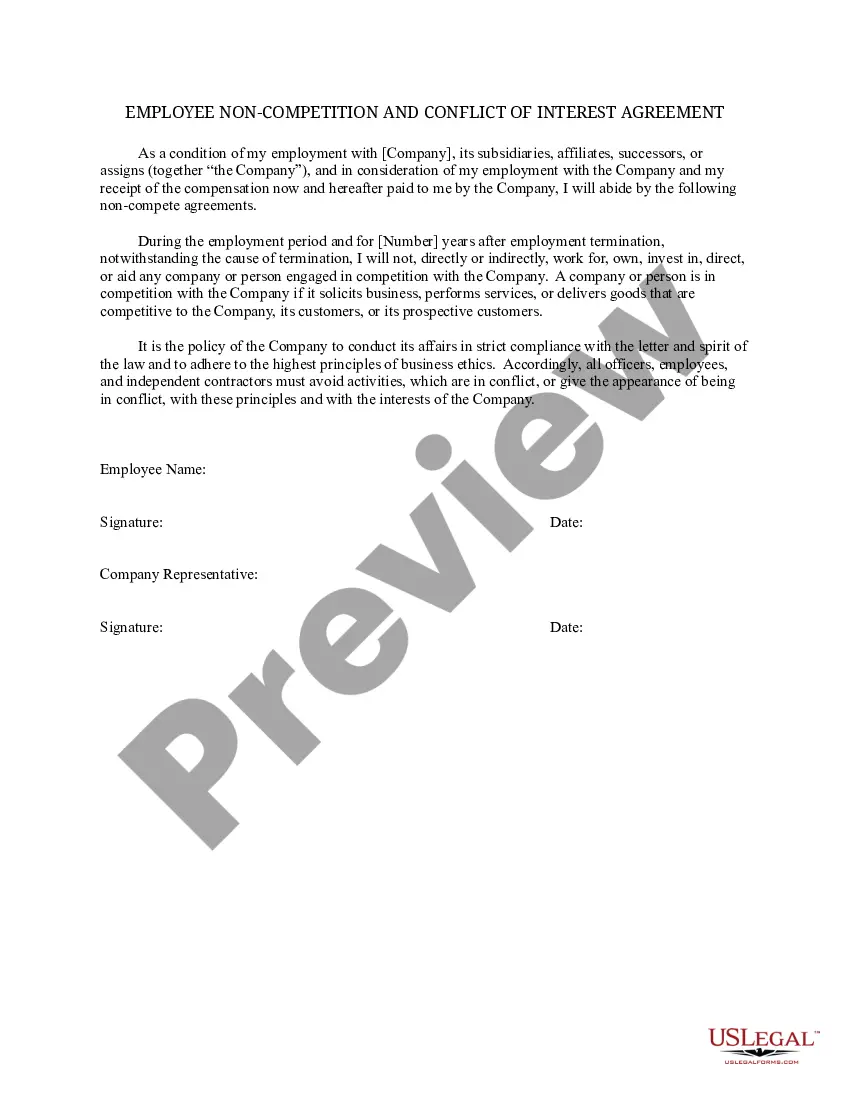
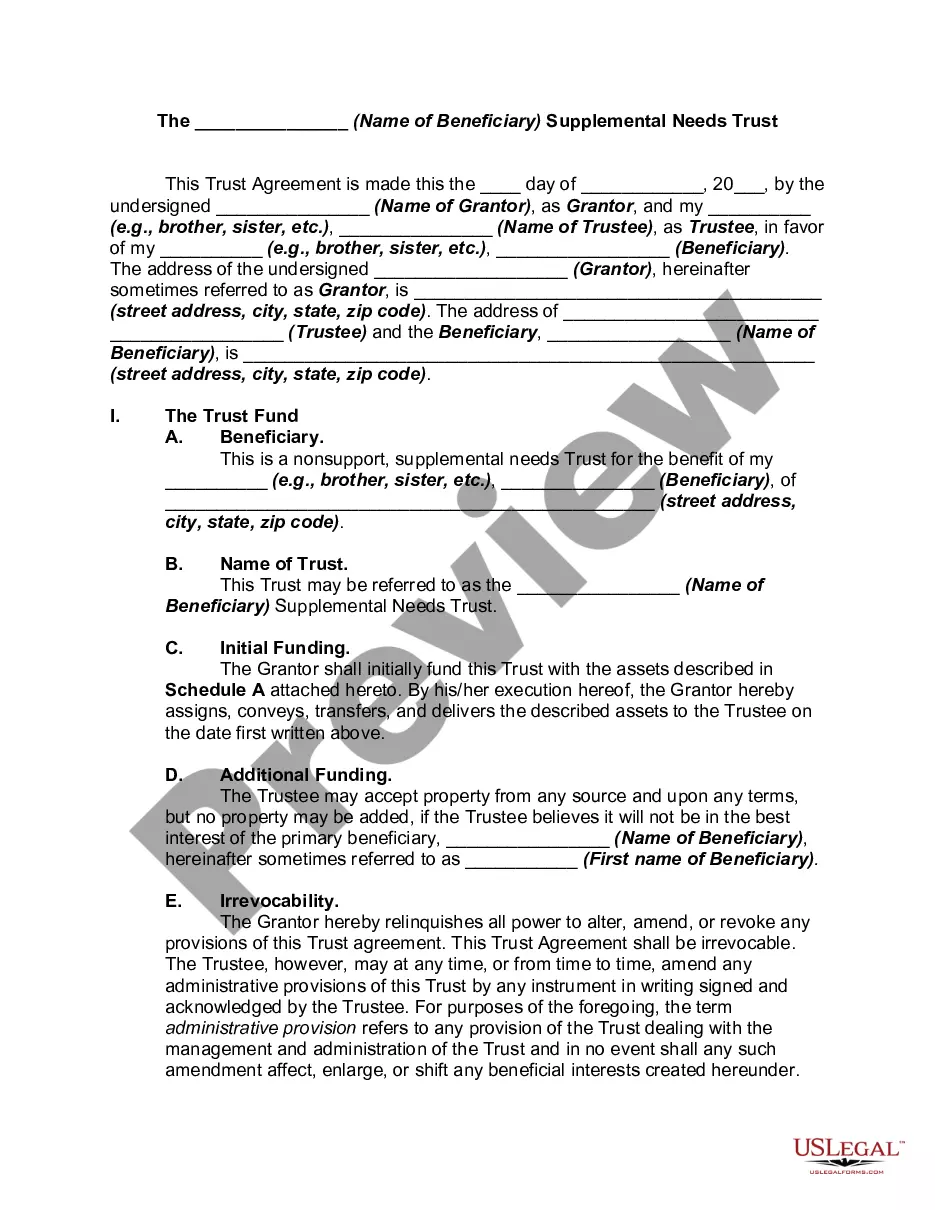
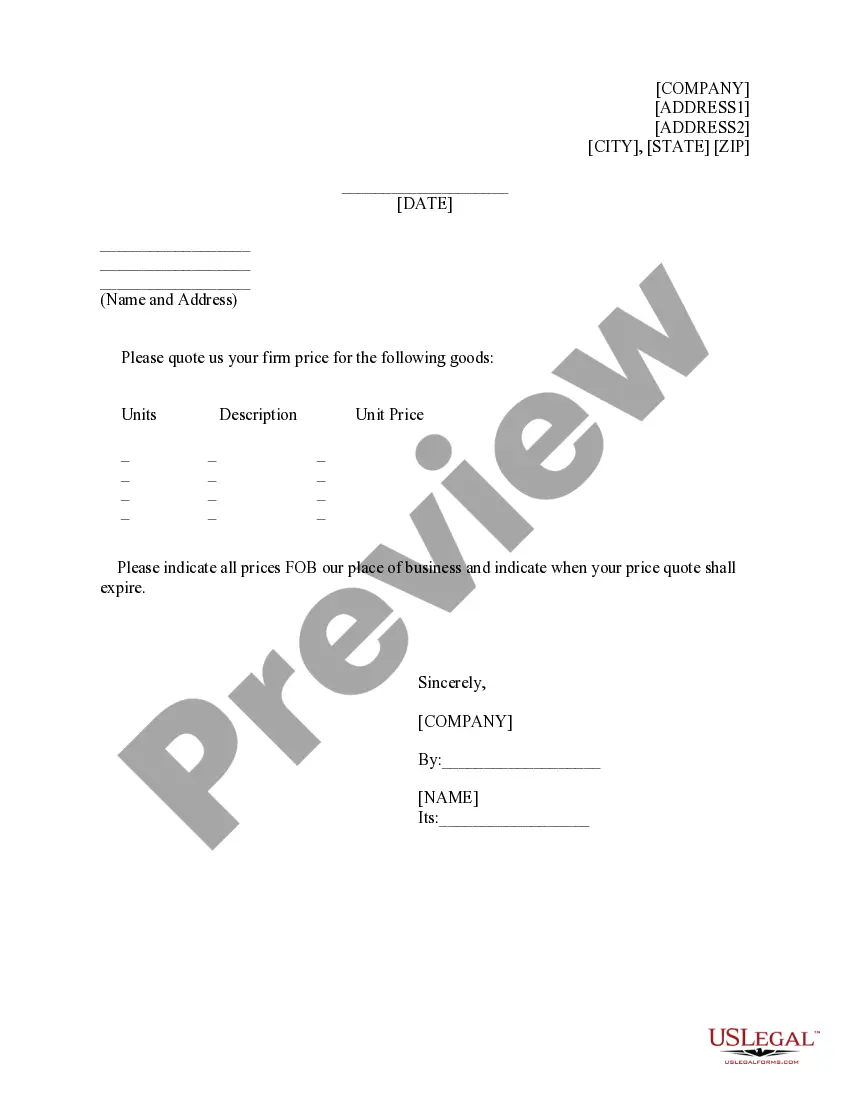
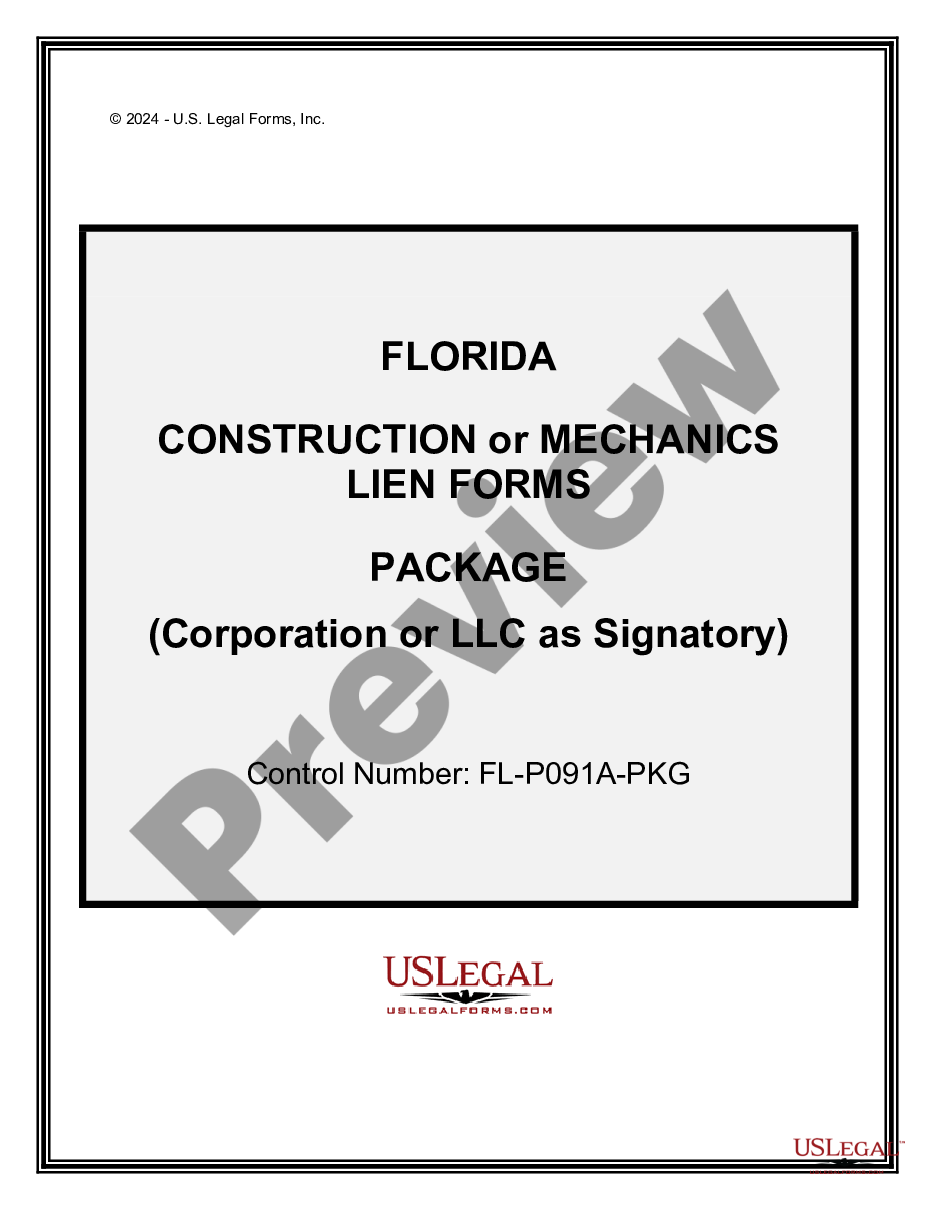


Form popularity
FAQ
Property records are public. People may use these records for background information on purchases, mortgages, asset searches, and other legal and financial transactions. Reviewing these documents is not necessarily the same as a title search.
Let's go over nine methods you can try to track down the owner of a property. Visit The Local Assessor's Office. Check With The County Recorder. Ask A Title Company. Talk With A Real Estate Agent. Contact A Real Estate Attorney. Search The Internet. Visit Your Local Library. Knock On The Door.
Individuals and organizations seeking public records may submit a request using the Public Records Request Form available here. Requests may be directed to the DA's Records Access Officer (RAO) at SCDAOPRR@state.ma. The RAO can be reached by phone at 617-619-4176 or 617-619-4192.
In Suffolk County, NY, property records like deeds, mortgages, liens, judgments, and other instruments about real estate transactions and ownership can be accessed at the Suffolk County Clerk's Office. Individuals can access property records by requesting them by mail or through the Clerk's Office online portal.
How do I obtain a copy of my property deed? Property deeds are recorded in the Suffolk County Clerk's Office in Riverhead, NY. The direct phone number is (631) 852-2000.
Property deeds are recorded in the Suffolk County Clerk's Office in Riverhead, NY. The direct phone number is (631) 852-2000.
Documents. Once registered log in and enter the search criteria. You can refine your search by dateMoreDocuments. Once registered log in and enter the search criteria. You can refine your search by date range or document type to narrow down the results. If you prefer an in-person.
At this point, your REALTOR will take the final steps necessary for selling your home, including the preparation and staging of your home before it's officially listed in the Multiple Listing Service (MLS) databases. This includes: Making an extra key for the lockbox. Arrange for the installation of the yard sign.
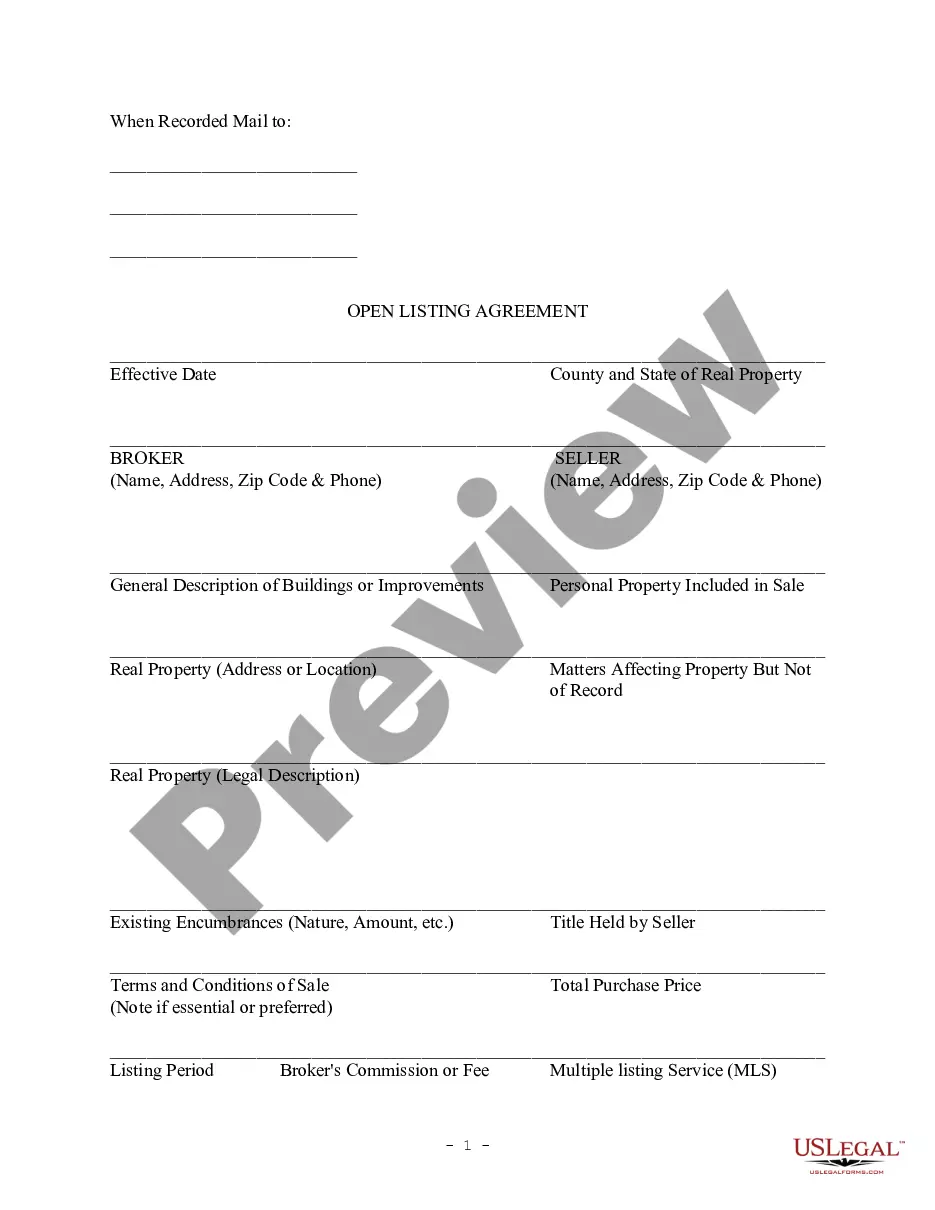
A "listing agreement" is a contract between a real estate agent or broker (the industry professional who will be listing the property for sale) and a home seller. It primarily says that the agent has the right to list (advertise and handle the sale of) the house.
The principal parties to the contract are the listing broker and the client. The client may be buyer, seller, landlord or tenant in the proposed transaction. Legally, the broker is the client's agent. The principal party on the other side of the transaction is a customer or a potential customer, called a prospect.

