Washington State Forms 17 For Parenting Plan In Pennsylvania
Description
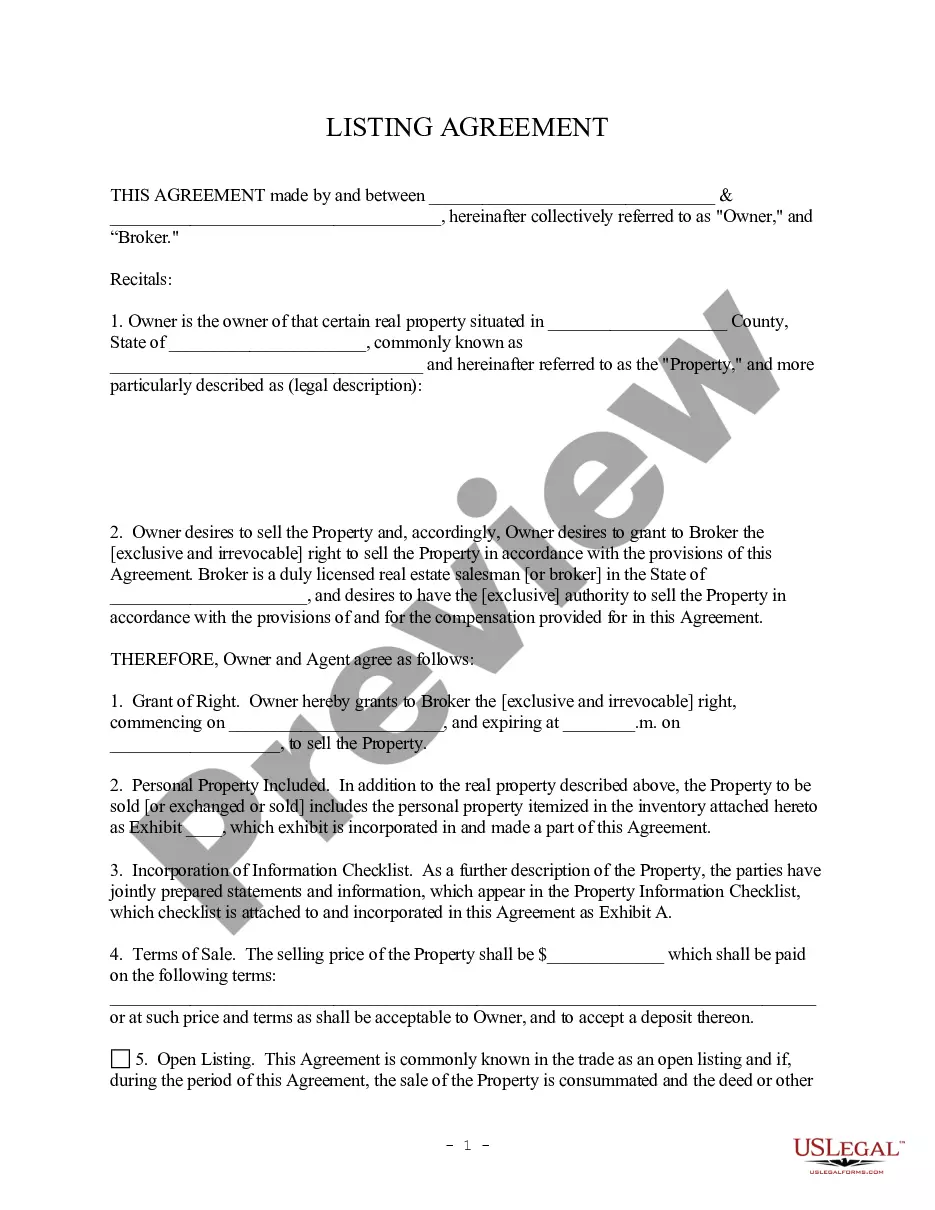
Get your form ready online
Our built-in tools help you complete, sign, share, and store your documents in one place.
Make edits, fill in missing information, and update formatting in US Legal Forms—just like you would in MS Word.
Download a copy, print it, send it by email, or mail it via USPS—whatever works best for your next step.
Sign and collect signatures with our SignNow integration. Send to multiple recipients, set reminders, and more. Go Premium to unlock E-Sign.
If this form requires notarization, complete it online through a secure video call—no need to meet a notary in person or wait for an appointment.
We protect your documents and personal data by following strict security and privacy standards.

Make edits, fill in missing information, and update formatting in US Legal Forms—just like you would in MS Word.

Download a copy, print it, send it by email, or mail it via USPS—whatever works best for your next step.

Sign and collect signatures with our SignNow integration. Send to multiple recipients, set reminders, and more. Go Premium to unlock E-Sign.

If this form requires notarization, complete it online through a secure video call—no need to meet a notary in person or wait for an appointment.

We protect your documents and personal data by following strict security and privacy standards.
Looking for another form?






Form popularity
FAQ
It can cause a lot of stress and anxiety. If your ex is not following the parenting plan, you can file a motion for contempt of court. This means you would ask the court to enforce the parenting plan and hold your ex accountable for not following it.
Custody agreements are legal decisions a court makes that both parents must follow. If one parent doesn't stick to the agreement, it disrupts the child's routine and can harm their well-being. This defiance can lead to court actions, altered custody terms, or criminal charges.
As most family law attorneys will tell you, legally, the age when a child can decide is 18. At this age they are no longer a child and subject to a custody action.
In Washington state, if you are in a situation where the other parent to your child is not following the parenting plan in bad faith, then your recourse is to file a contempt action in court.
Parent visitation is an excellent opportunity and not a chore. It's important not to dismiss your child when they don't want to see their other parent. Have a conversation and listen to their reasons to validate what they're feeling. Sometimes, a child wants to feel heard.
There's no specified age because children are not necessarily entitled to private rooms under Pennsylvania law.
If you already know the name of the county where the petition was filed, you can contact the clerk at the superior court. The contact information can be obtained at . Once you contact the clerk, you can buy copy of the documents that are public records of your case.
Contrary to popular belief, there is no specific age at which a child can refuse to see a parent or comply with a custody order. In fact, Pennsylvania law defines a "child" as an unemancipated individual under 18 years of age.
If a child expresses a desire not to live with their parents, it's crucial to consider the child's age, the situation at home, and the legal aspects involved. Seeking guidance from trusted adults or professionals may help navigate such circumstances.
There is no minimum age which prompts a Pennsylvania judge to say that a child's wishes will or won't be considered.

