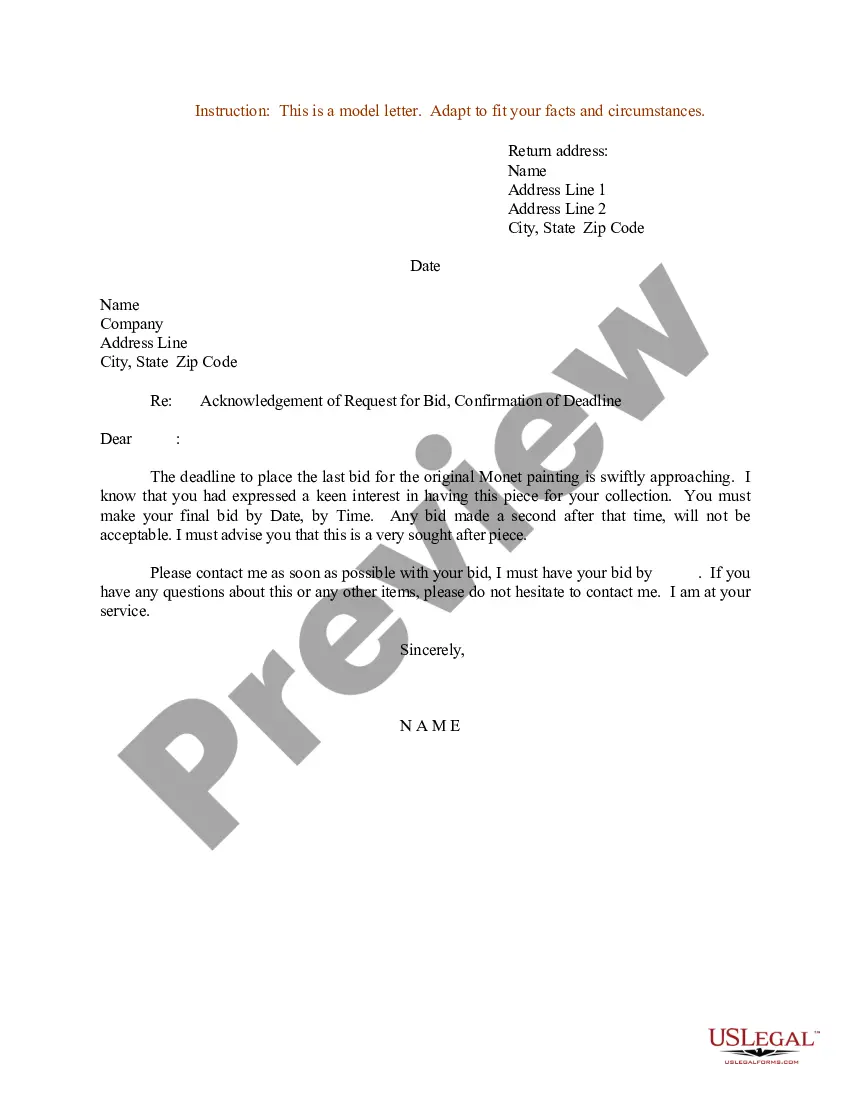
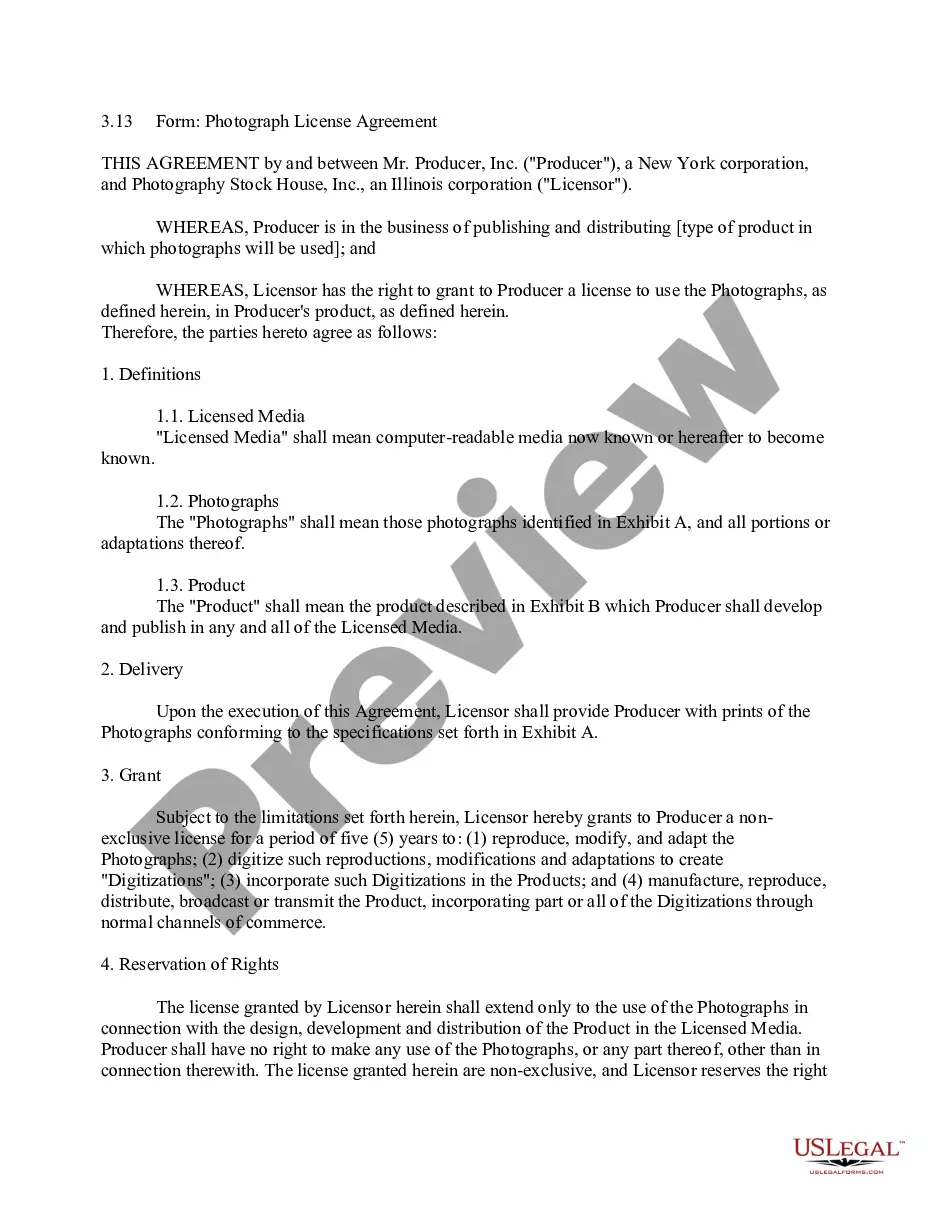
Listing Agreement Form With Corporate Governance In Michigan
Description
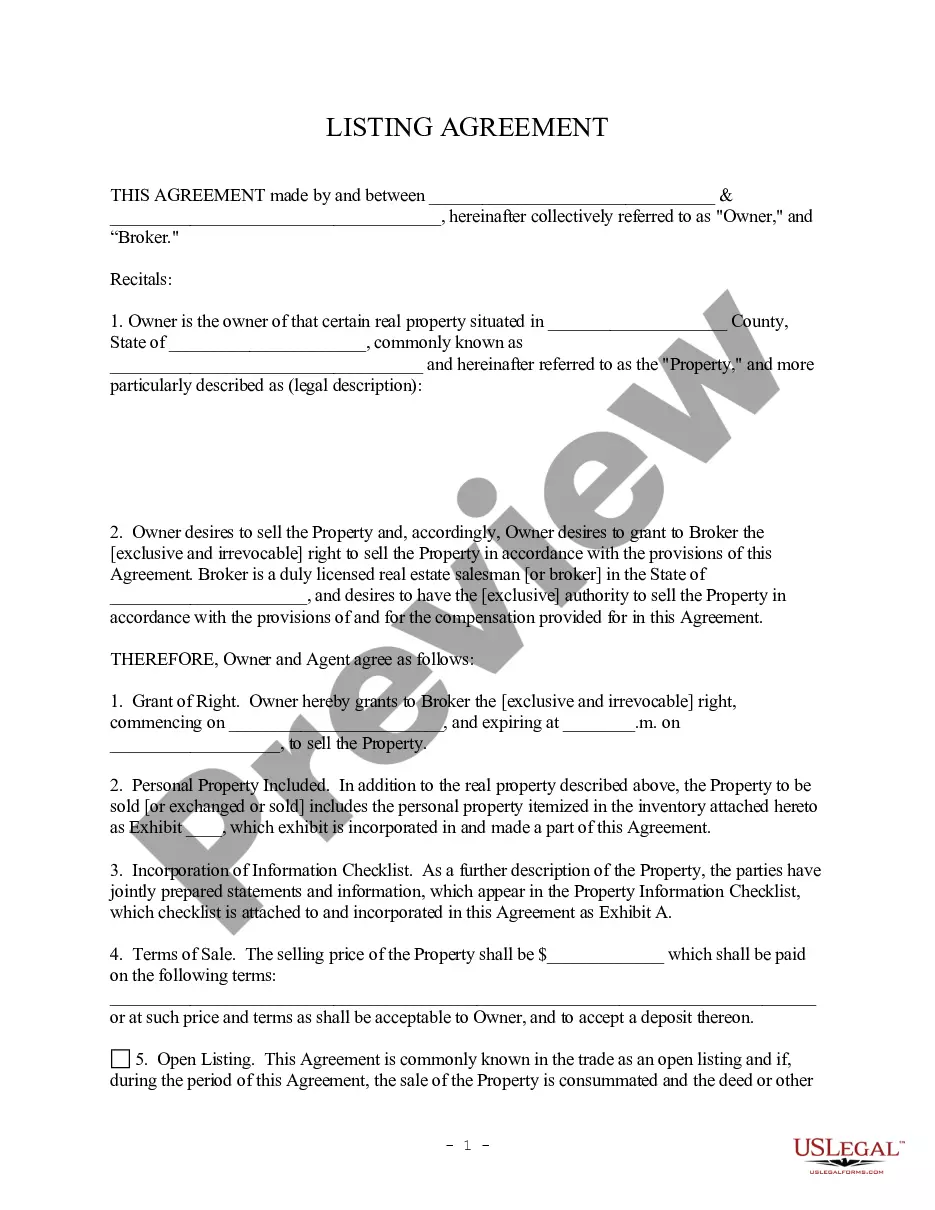
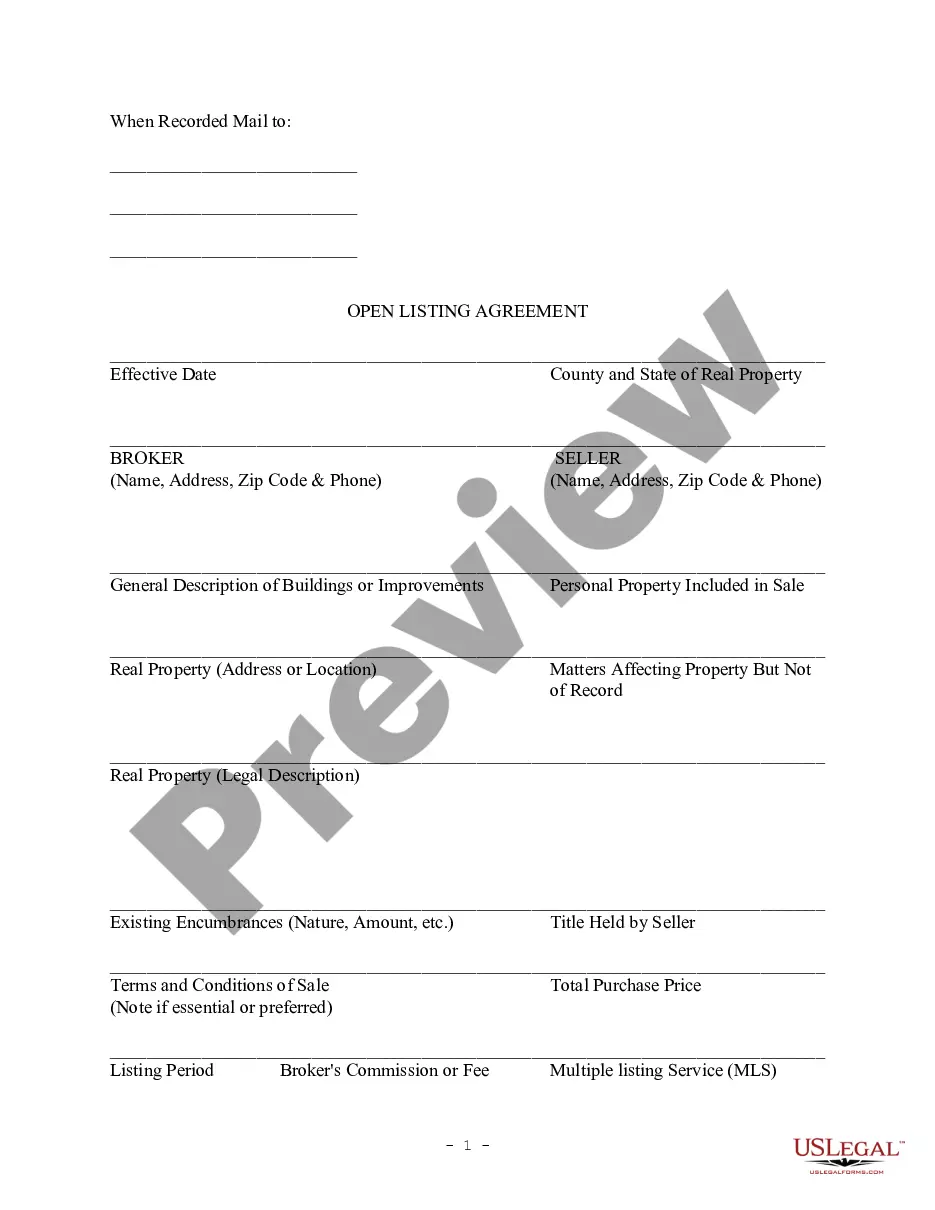

Get your form ready online
Our built-in tools help you complete, sign, share, and store your documents in one place.
Make edits, fill in missing information, and update formatting in US Legal Forms—just like you would in MS Word.
Download a copy, print it, send it by email, or mail it via USPS—whatever works best for your next step.
Sign and collect signatures with our SignNow integration. Send to multiple recipients, set reminders, and more. Go Premium to unlock E-Sign.
If this form requires notarization, complete it online through a secure video call—no need to meet a notary in person or wait for an appointment.
We protect your documents and personal data by following strict security and privacy standards.

Make edits, fill in missing information, and update formatting in US Legal Forms—just like you would in MS Word.

Download a copy, print it, send it by email, or mail it via USPS—whatever works best for your next step.

Sign and collect signatures with our SignNow integration. Send to multiple recipients, set reminders, and more. Go Premium to unlock E-Sign.

If this form requires notarization, complete it online through a secure video call—no need to meet a notary in person or wait for an appointment.

We protect your documents and personal data by following strict security and privacy standards.
Looking for another form?




Form popularity
FAQ
Final answer: The component that is not required in most listing agreements is the naming of an escrow company. Most listing agreements typically include identification of the property, compensation details and signatures, although the escrow company is usually determined later in the selling process.
A listing agreement is a written document signed by all owners of real estate or their authorized attorney in fact authorizing a broker to offer or advertise real estate described in such document for sale or lease on specified terms for a defined period of time and is only valid if signed by all owners or their ...
If there are any potential buyers that are “protected” such that if they purchased the property, the seller would not owe a commission to the current listing broker, these buyers are named exceptions.
To start a corporation in Michigan, you'll need to do three things: appoint a registered agent, choose a name for your business, and file Articles of Incorporation with the Department of Licensing and Regulatory Affairs (LARA). You can file this document online, by mail or in person.
Filing as an S Corp in Michigan Step 1: Choose a Business Name. Step 2: Appoint Directors and a Registered Agent. Step 3: File Articles of Incorporation. Step 4: Create S Corp Bylaws. Step 5: Apply for an Employer Identification Number. Step 6: File Form 2553 for S Corporation Election.
Because of the one-class-of-stock restriction, an S corporation cannot allocate losses or income to specific shareholders. Allocation of income and loss is governed by stock ownership, unlike partnerships or LLCs taxed as partnerships where the allocation can be set in the partnership agreement or operating agreement.
To check the status of your LLC in Michigan, you have to visit the Michigan Department of Licensing and Regulatory Affairs (LARA) official website. Navigate to the 'Business Entity Search' option, and enter your LLC's name or ID number. This will provide the status of your LLC in Michigan.
Filing as an S Corp in Michigan Step 1: Choose a Business Name. Step 2: Appoint Directors and a Registered Agent. Step 3: File Articles of Incorporation. Step 4: Create S Corp Bylaws. Step 5: Apply for an Employer Identification Number. Step 6: File Form 2553 for S Corporation Election.
Yes, you can establish an S corp for yourself in California, but you must first either form a corporation or an LLC within the state.
There are at least two parties to a contract, a promisor, and a promisee. A promisee is a party to which a promise is made and a promisor is a party which performs the promise. Three sections of the Indian Contract Act, 1872 define who performs a contract – Section 40, 41, and 42.