One Time Showing Agreement With Japan In Maricopa
Description
Get your form ready online
Our built-in tools help you complete, sign, share, and store your documents in one place.
Make edits, fill in missing information, and update formatting in US Legal Forms—just like you would in MS Word.
Download a copy, print it, send it by email, or mail it via USPS—whatever works best for your next step.
Sign and collect signatures with our SignNow integration. Send to multiple recipients, set reminders, and more. Go Premium to unlock E-Sign.
If this form requires notarization, complete it online through a secure video call—no need to meet a notary in person or wait for an appointment.
We protect your documents and personal data by following strict security and privacy standards.

Make edits, fill in missing information, and update formatting in US Legal Forms—just like you would in MS Word.

Download a copy, print it, send it by email, or mail it via USPS—whatever works best for your next step.

Sign and collect signatures with our SignNow integration. Send to multiple recipients, set reminders, and more. Go Premium to unlock E-Sign.

If this form requires notarization, complete it online through a secure video call—no need to meet a notary in person or wait for an appointment.

We protect your documents and personal data by following strict security and privacy standards.
Looking for another form?




Form popularity
FAQ
The three types of real estate listing agreements are open listing, exclusive agency listing, and exclusive right-to-sell listing.
One-time showing agreements contain several crucial elements to protect both the seller and the agent. These components include: Property Details: A clear description of the property being shown. Duration of Agreement: Specifies the time frame in which the showing can occur.
A real estate showing is a professionally scheduled appointment for a prospective buyer looking to tour a property. A showing is typically set up between a showing agent, or buyer's agent, working on behalf of the prospective buyer, and a listing agent, or seller's agent, working on behalf of the seller.
New Legal Requirements: As of August 17, 2024, signing this agreement is mandatory before viewing homes, and buyer's agent commissions must be negotiated upfront to sign. Benefits for Homebuyers: Provides clarity, access to resources, and legal protection during your homebuying journey.
The Gentlemen's Agreement of 1907 (日米紳士協約, Nichibei Shinshi Kyōyaku) was an informal agreement between the United States of America and the Empire of Japan whereby Japan would not allow laborers further emigration to the United States and the United States would not impose restrictions on Japanese immigrants already ...
The Security Treaty between the United States and Japan (日本国とアメリカ合衆国との間の安全保障条約, Nippon-koku to Amerika Gasshūkoku to no aida no anzen hoshō jōyaku) was a treaty signed on 8 September 1951 in San Francisco, California by representatives of the United States and Japan, in conjunction with the Treaty of San Francisco that ...
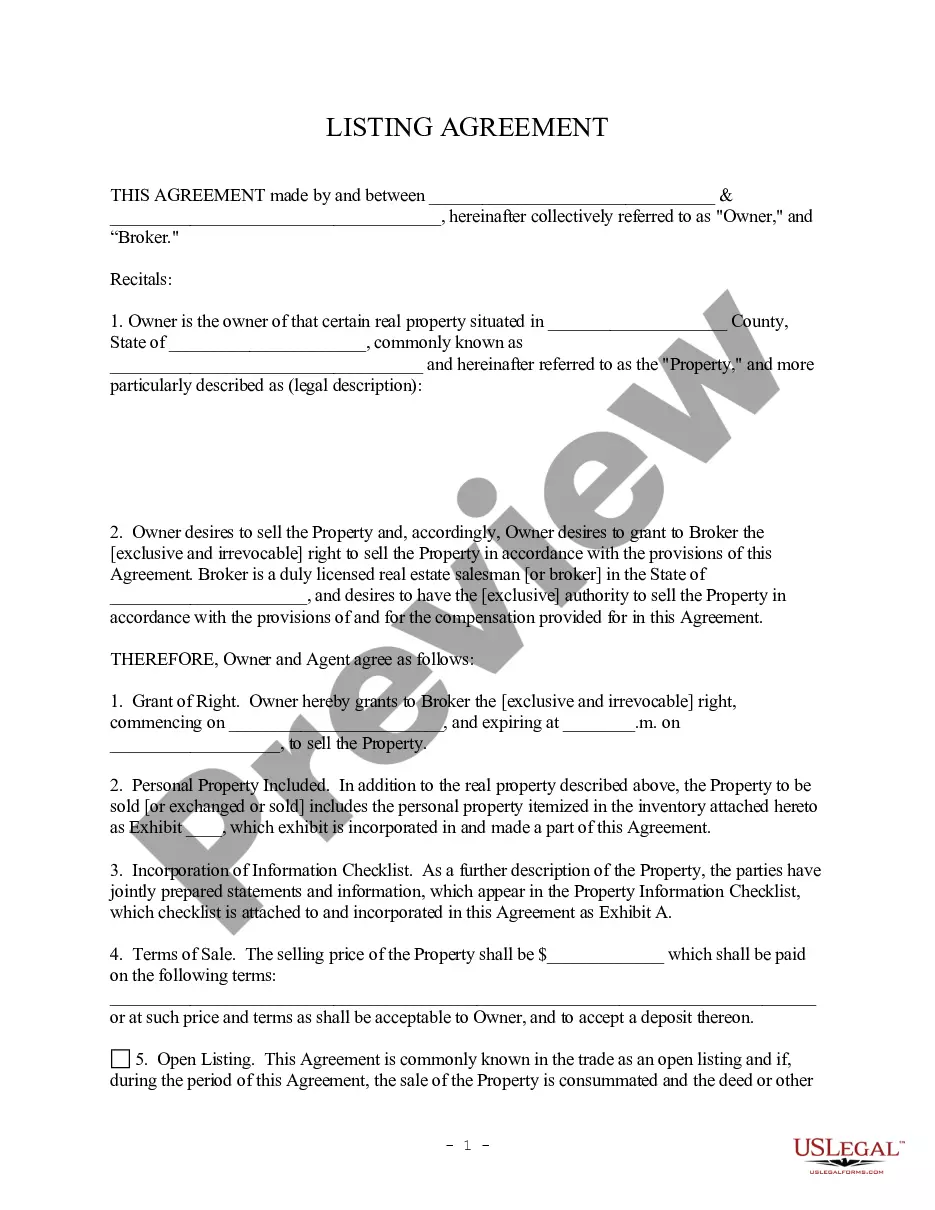
time showing agreement is a contract between a real estate seller and an agent who does not represent the seller but has a potential buyer interested in viewing the property. This document grants the agent the right to show the property to the interested buyer for a single occasion.
Rather than enacting racially discriminatory and offensive immigration laws, President Theodore Roosevelt sought to avoid offending the rising world power of Japan through this negotiated agreement by which the Japanese government limited the immigration of its own citizens.
The agreements made between Japan and the United States from 1906 to 1909 were largely aimed at supporting the Open Door policy. This policy, proposed by U.S. Secretary of State John Hay, aimed to ensure equal trading rights for all nations in China and prevent any single nation from monopolizing trade in the region.
Gentlemen's Agreement, (1907), U.S.-Japanese understanding in which Japan agreed not to issue passports to emigrants to the United States, except to certain categories of business and professional men.

