One Time Showing Agreement With Mexico In King
Description
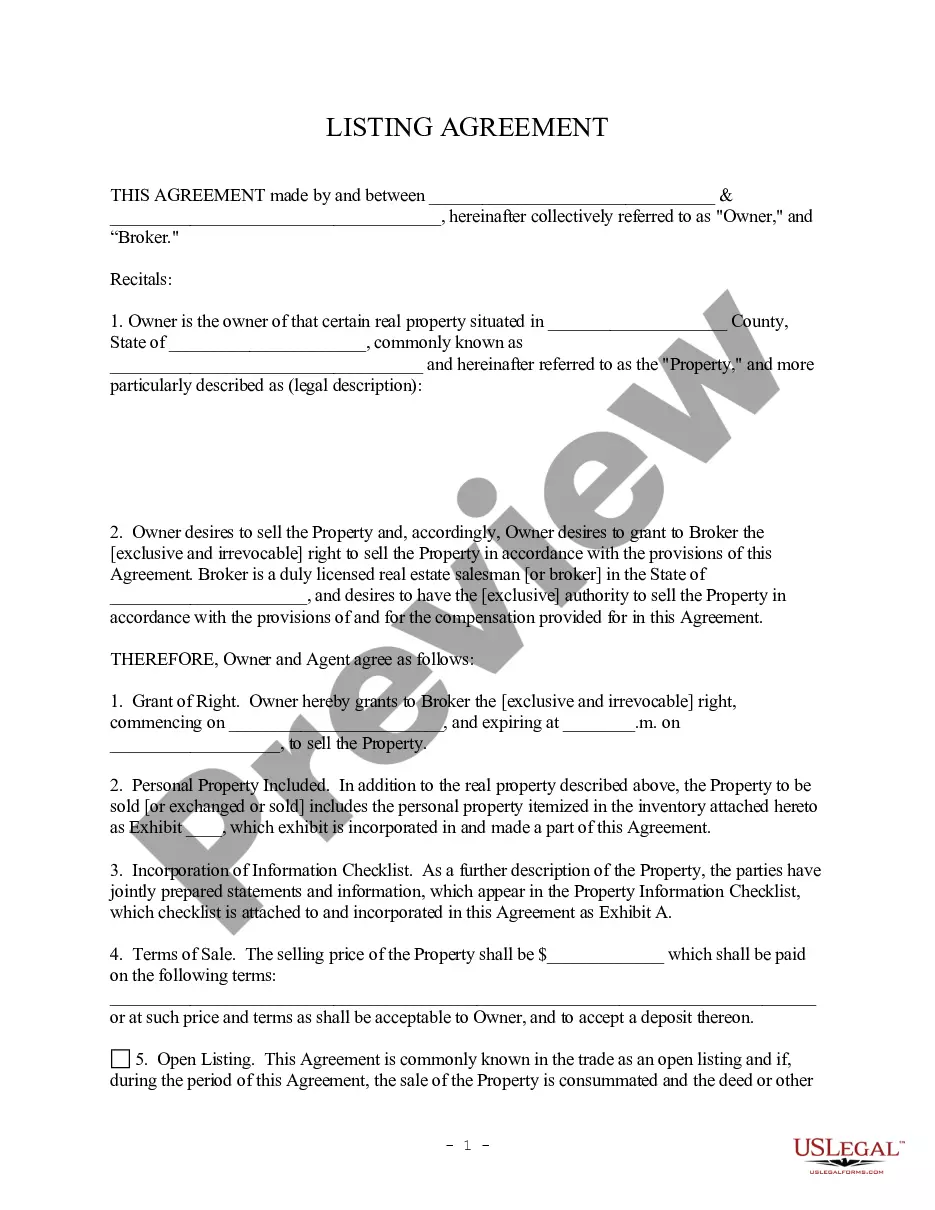
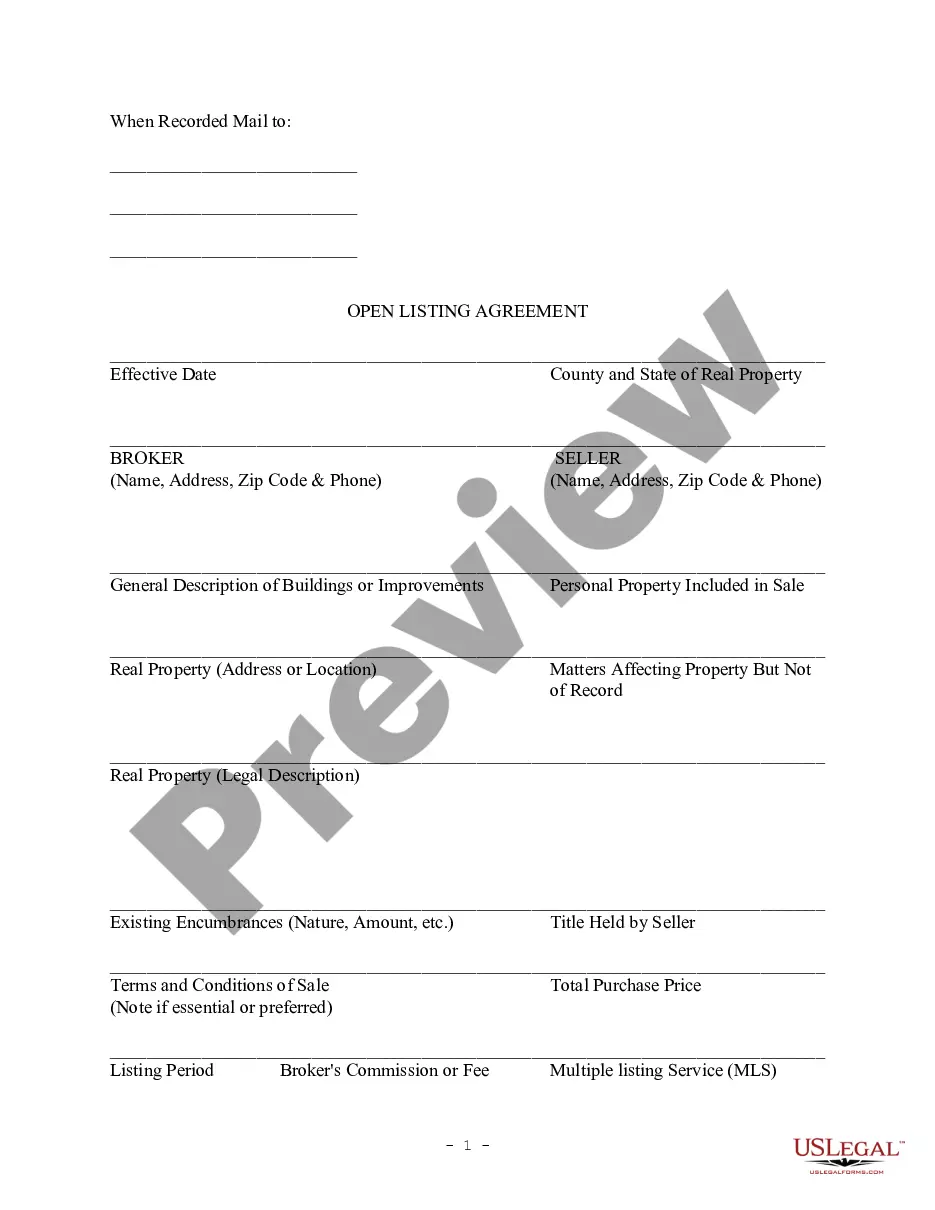
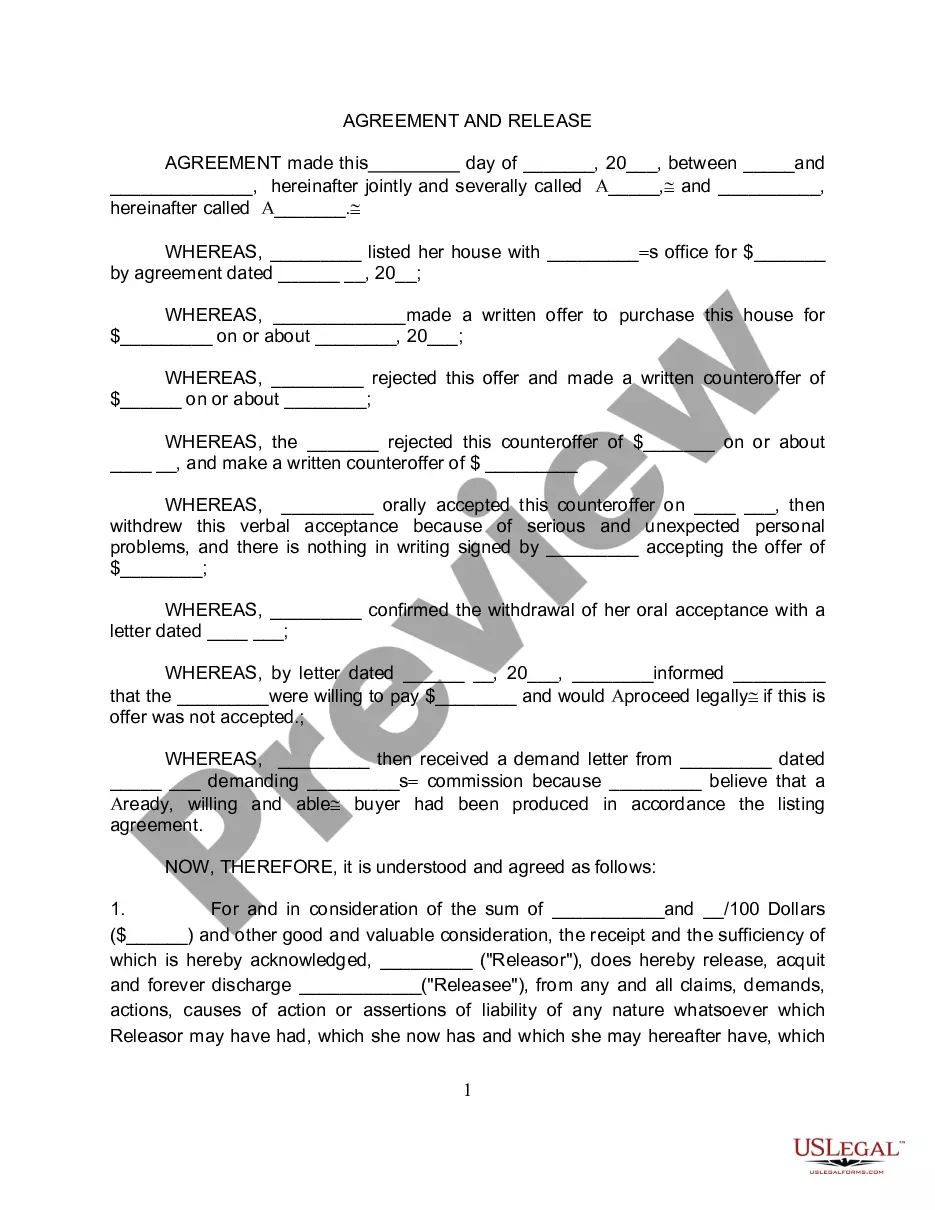
Get your form ready online
Our built-in tools help you complete, sign, share, and store your documents in one place.
Make edits, fill in missing information, and update formatting in US Legal Forms—just like you would in MS Word.
Download a copy, print it, send it by email, or mail it via USPS—whatever works best for your next step.
Sign and collect signatures with our SignNow integration. Send to multiple recipients, set reminders, and more. Go Premium to unlock E-Sign.
If this form requires notarization, complete it online through a secure video call—no need to meet a notary in person or wait for an appointment.
We protect your documents and personal data by following strict security and privacy standards.

Make edits, fill in missing information, and update formatting in US Legal Forms—just like you would in MS Word.

Download a copy, print it, send it by email, or mail it via USPS—whatever works best for your next step.

Sign and collect signatures with our SignNow integration. Send to multiple recipients, set reminders, and more. Go Premium to unlock E-Sign.

If this form requires notarization, complete it online through a secure video call—no need to meet a notary in person or wait for an appointment.

We protect your documents and personal data by following strict security and privacy standards.
Looking for another form?
Form popularity
FAQ
2. Exclusive right to sell listing agreement. An exclusive right to sell listing is the most widely-used listing agreement. Under this agreement, the broker has the exclusive right to market the property for a specified period of time.
A “one-time show” is similar to an open listing in many respects, as it is most often used by real estate agents who are showing a FSBO (for sale by owner) to one of their clients.
The three types of real estate listing agreements are open listing, exclusive agency listing, and exclusive right-to-sell listing.
SANTA ANA, Calif. — Starting this week, most home shoppers will need to sign contracts with agents to view properties for sale, binding them to paying their own commissions if they can't get a seller to cover it.
The listing agreement generally can be terminated if both sides agree or if you don't want to pursue the transaction, but you cannot unilaterally do it during the term to sell yourself or sell with another agent. I answered above. I want to make sure that the answer is 100% clear to you.
A listing agreement authorizes the broker to represent the seller and their property to third parties. The listing agreement is an employment contract rather than a real estate contract: The broker is hired to represent the seller, but no property is transferred between the two.
Duration: Exclusive buyer brokerage agreements usually have a longer duration compared to showing agreements. They can cover a specific period or even extend until a particular property is purchased. Scope: These agreements may specify the types of properties or locations the Realtor will help the buyer explore.
A showing agreement is a document sometimes used by Realtors in Florida to formalize their relationship with prospective buyers. Essentially, it is a prelude to a potential real estate transaction.
The principal parties to the contract are the listing broker and the client. The client may be buyer, seller, landlord or tenant in the proposed transaction. Legally, the broker is the client's agent. The principal party on the other side of the transaction is a customer or a potential customer, called a prospect.
In the Mexican legal system, contract law is regarded as only one branch of in personam obligations. Obligations are viewed as stemming not only from contracts voluntarily entered into, but also from one's status and from negligent or intentional misconduct, including violations of criminal law.

