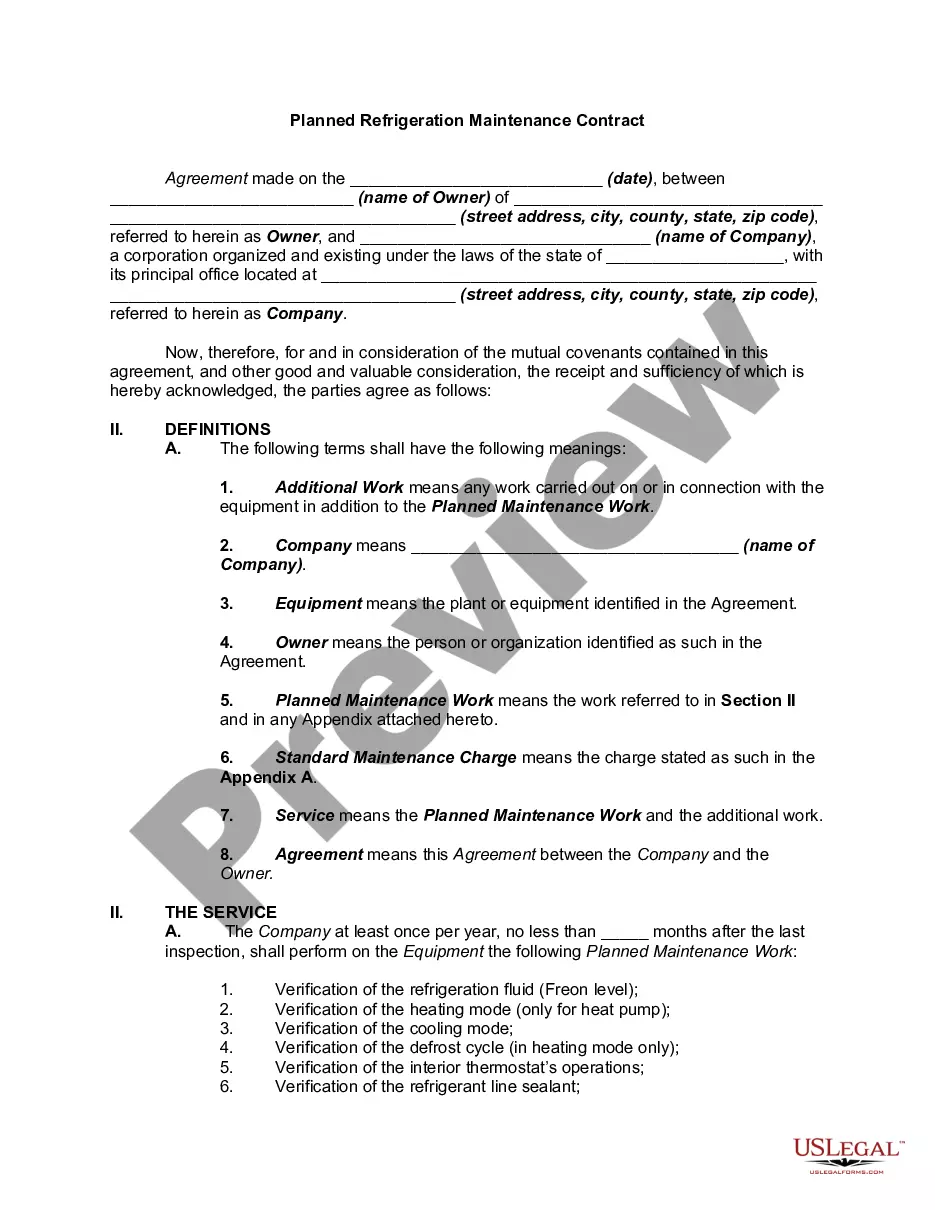
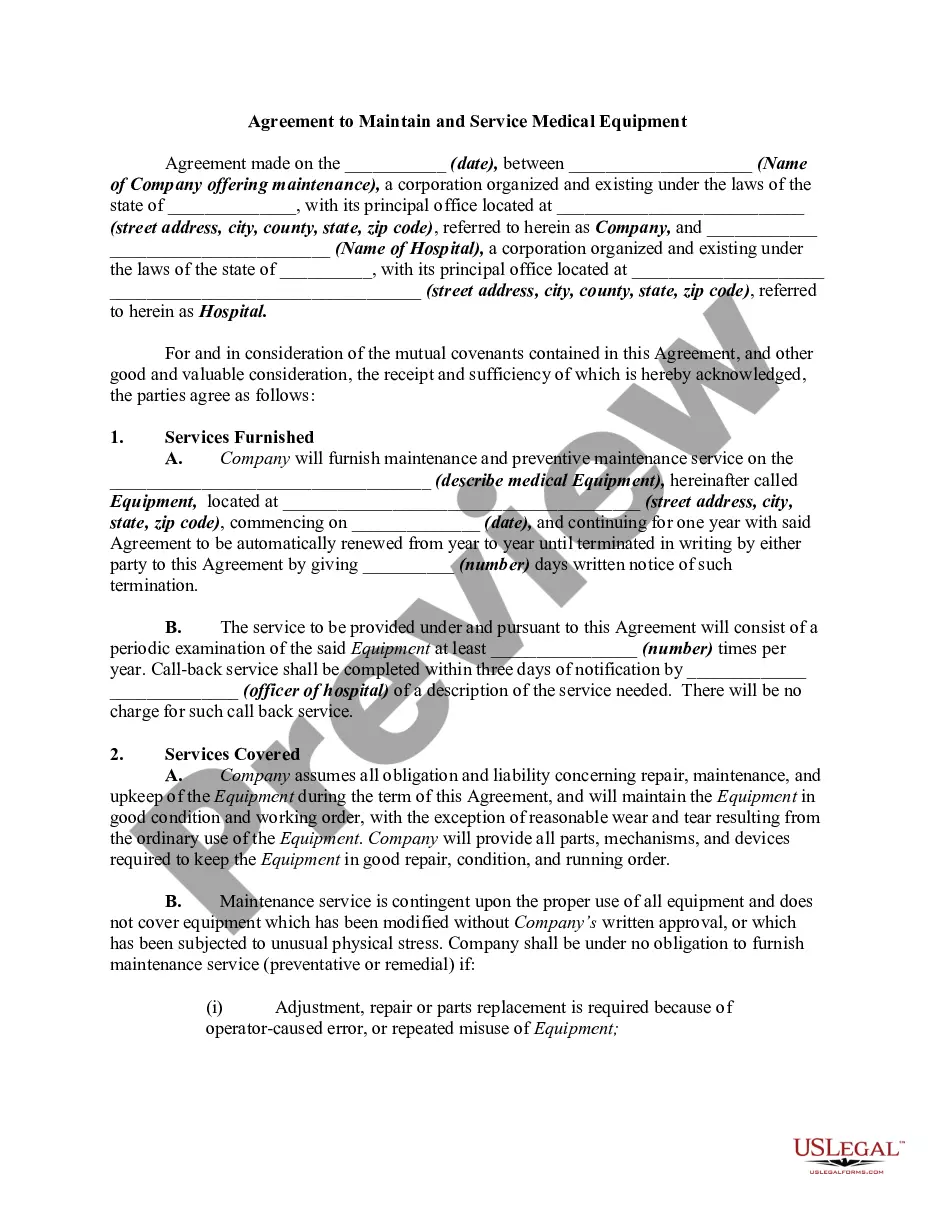
Equipment Maintenance Policy In Clark
Description

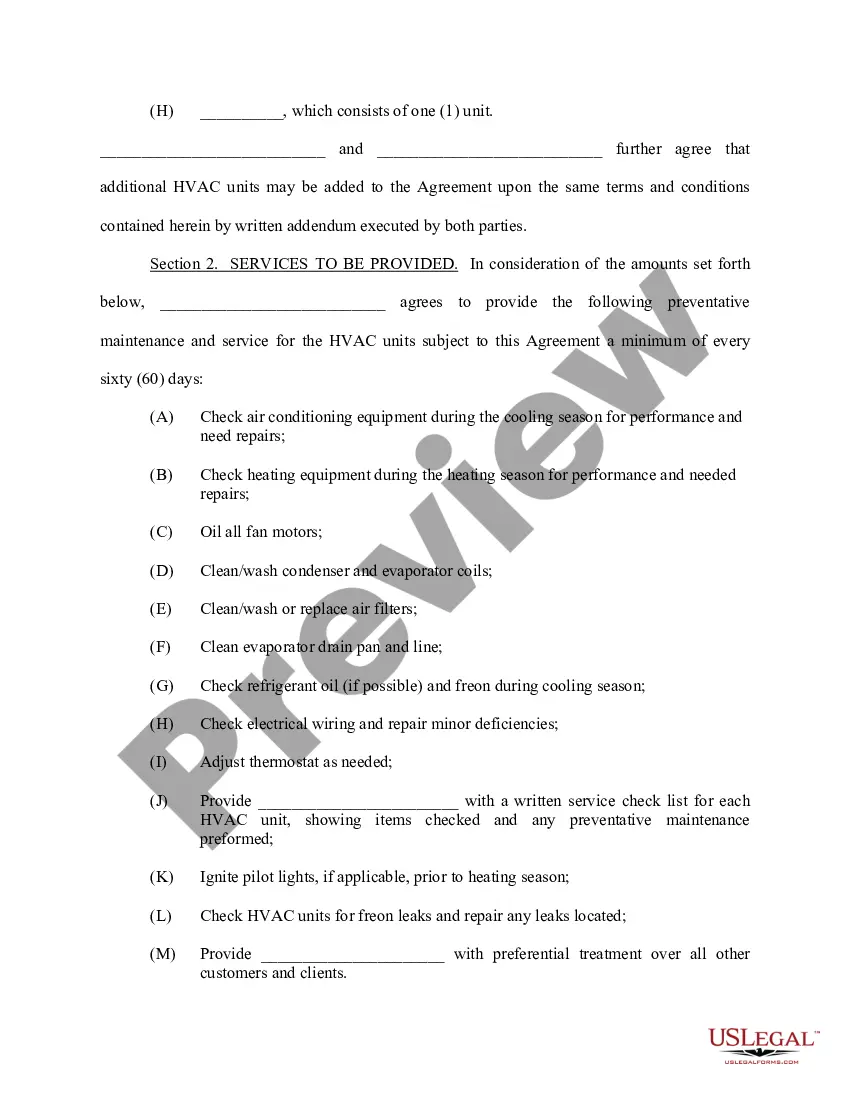
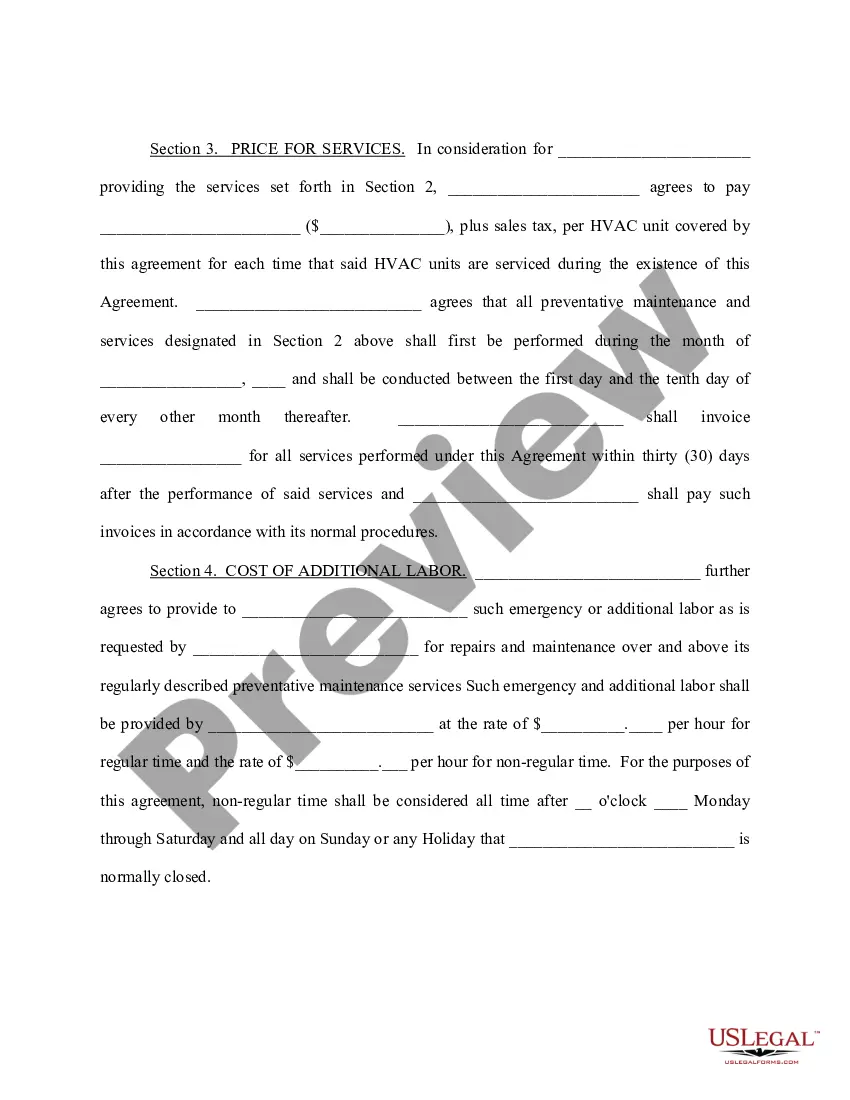
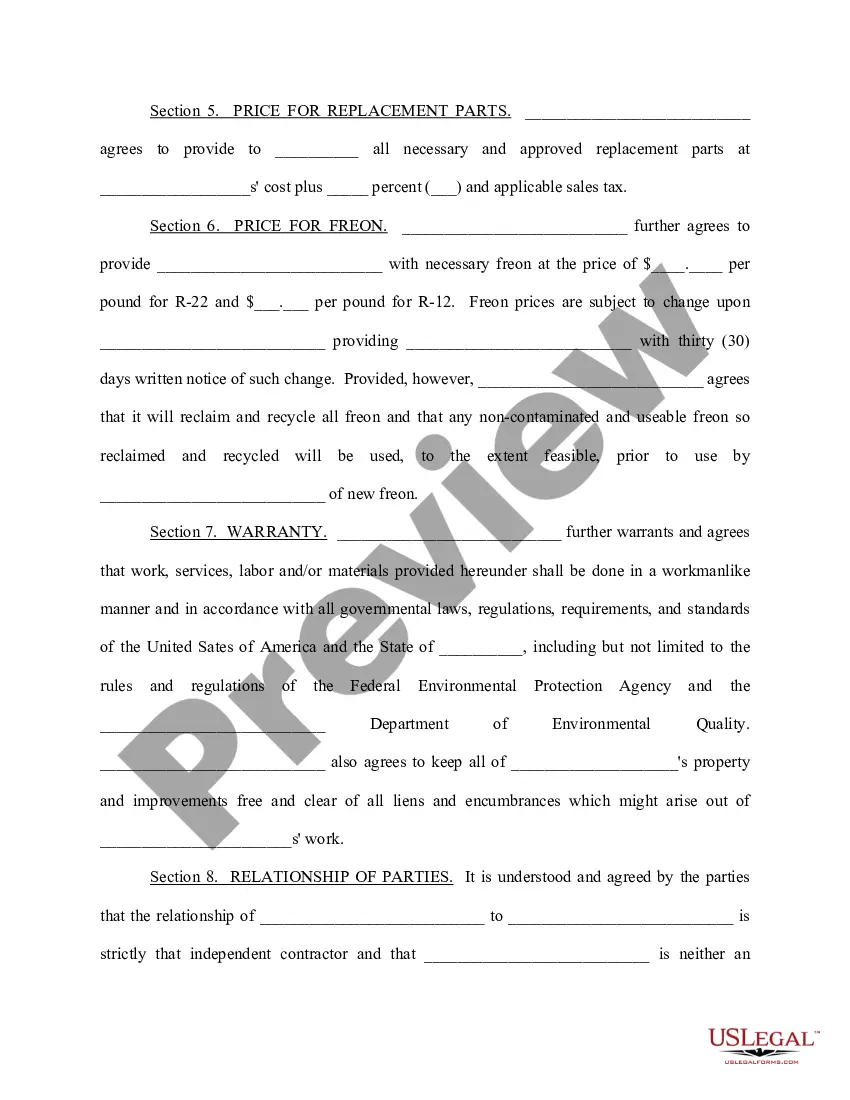
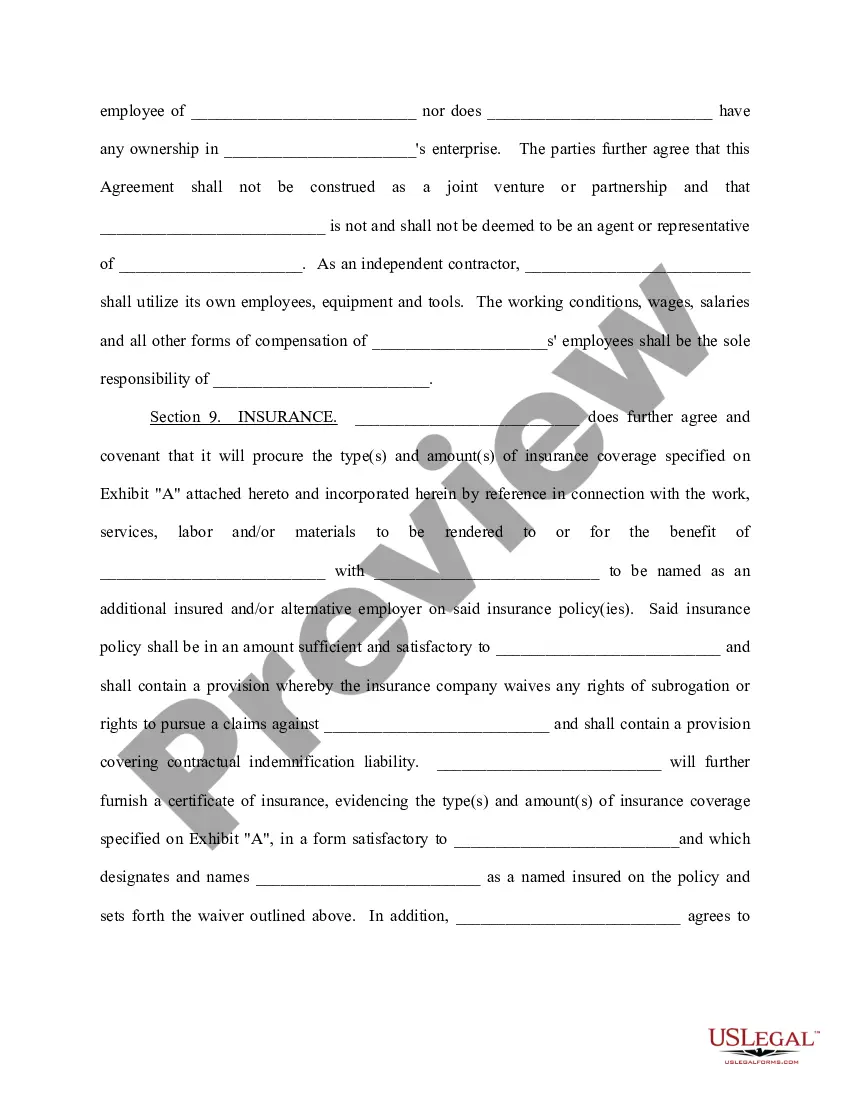
Get your form ready online
Our built-in tools help you complete, sign, share, and store your documents in one place.
Make edits, fill in missing information, and update formatting in US Legal Forms—just like you would in MS Word.
Download a copy, print it, send it by email, or mail it via USPS—whatever works best for your next step.
Sign and collect signatures with our SignNow integration. Send to multiple recipients, set reminders, and more. Go Premium to unlock E-Sign.
If this form requires notarization, complete it online through a secure video call—no need to meet a notary in person or wait for an appointment.
We protect your documents and personal data by following strict security and privacy standards.

Make edits, fill in missing information, and update formatting in US Legal Forms—just like you would in MS Word.

Download a copy, print it, send it by email, or mail it via USPS—whatever works best for your next step.

Sign and collect signatures with our SignNow integration. Send to multiple recipients, set reminders, and more. Go Premium to unlock E-Sign.

If this form requires notarization, complete it online through a secure video call—no need to meet a notary in person or wait for an appointment.

We protect your documents and personal data by following strict security and privacy standards.
Looking for another form?








Form popularity
FAQ
To create an effective maintenance schedule and ensure that equipment is always reviewed, maintained and replaced as needed, follow these four steps. List All the Equipment to Maintain. Identify Maintenance Activities. Determine the Frequency of Maintenance. Define Maintenance Dates.
Steps to creating an effective maintenance plan Detail the work that you'll need to do on each asset. Schedule the work – Use a dating frequency, running hours, or measures that will provide insight into the condition of an asset. Add workers or contractors – including the estimated working hours. Add spare parts.
An equipment maintenance log is a document that organizations use to record asset maintenance activities. It enables them to monitor their system checkup processes and track maintenance tasks performed by technicians, the exact time the tasks were performed, and each specific task's purpose.
To create an effective maintenance schedule and ensure that equipment is always reviewed, maintained and replaced as needed, follow these four steps. List All the Equipment to Maintain. Identify Maintenance Activities. Determine the Frequency of Maintenance. Define Maintenance Dates.
Some common examples of maintenance scheduling include planning, organizing, and coordinating quarterly inspections for HVAC systems or scheduling regular oil changes for a fleet of vehicles every 3000 miles.
How to create a preventive maintenance schedule Take inventory of your assets. Prioritize your assets. Determine ideal preventive maintenance intervals. Schedule recurring maintenance tasks. Monitor and improve your schedule.
Maintenance and Repairs Repairs are those expenditures required to bring equipment back into good working condition. Neither expenditure extends the intended useful life or changes the intended purpose of the asset. Therefore, costs incurred for maintenance and repairs are not capitalized.
A maintenance schedule is a detailed plan that includes the timing and frequency of maintenance activities for equipment, machinery and facilities within an organization. The purpose is to make sure that these assets are in optimal working condition, reducing downtime and extending the life of the equipment.
