Corporation Personal Held Foreign In Texas
Description

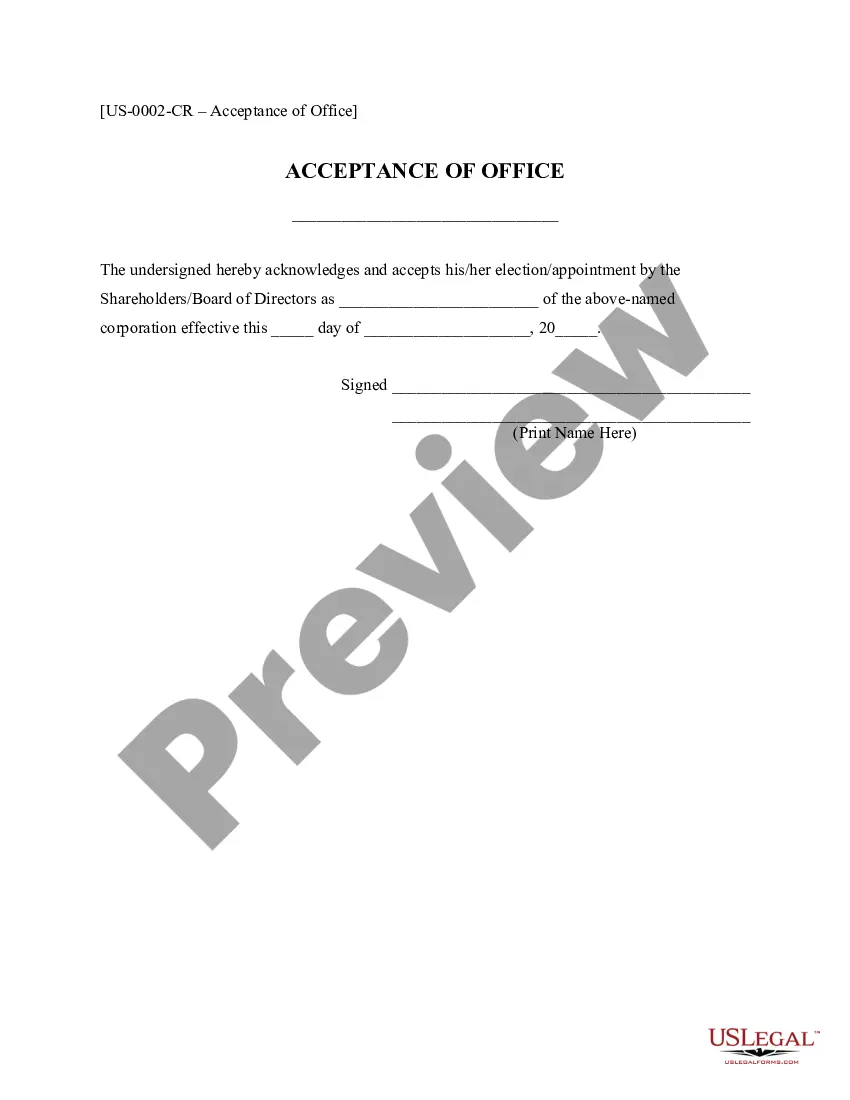
Get your form ready online
Our built-in tools help you complete, sign, share, and store your documents in one place.
Make edits, fill in missing information, and update formatting in US Legal Forms—just like you would in MS Word.
Download a copy, print it, send it by email, or mail it via USPS—whatever works best for your next step.
Sign and collect signatures with our SignNow integration. Send to multiple recipients, set reminders, and more. Go Premium to unlock E-Sign.
If this form requires notarization, complete it online through a secure video call—no need to meet a notary in person or wait for an appointment.
We protect your documents and personal data by following strict security and privacy standards.

Make edits, fill in missing information, and update formatting in US Legal Forms—just like you would in MS Word.

Download a copy, print it, send it by email, or mail it via USPS—whatever works best for your next step.

Sign and collect signatures with our SignNow integration. Send to multiple recipients, set reminders, and more. Go Premium to unlock E-Sign.

If this form requires notarization, complete it online through a secure video call—no need to meet a notary in person or wait for an appointment.

We protect your documents and personal data by following strict security and privacy standards.
Looking for another form?









Form popularity
FAQ
Foreign corporation registered in Texas: To withdraw or cancel your foreign Texas Corporation in Texas, you provide the completed Form 608, Certificate of Withdrawal of Registration in duplicate to the Secretary of State by mail, fax or in person.
Yes. Non-U.S. corporations, LLCs, LPs and financial institutions must register with the secretary of state before transacting business in Texas. Such entities are subject to state franchise tax and federal income tax on certain income. For more information about federal taxes, visit .IRS or call (800) 829-3676.
Yes. Non-U.S. corporations, LLCs, LPs and financial institutions must register with the secretary of state before transacting business in Texas. Such entities are subject to state franchise tax and federal income tax on certain income.
Foreign entity registration is required anytime you wish to legally conduct business in another state. For example, if you formed your business in Nevada but you live and intend to operate in California, then your business will be considered foreign in California and require registration.
Additionally, U.S. citizenship or permanent residence is not required, making it easier for foreigners to create an LLC. The absence of state income taxes on personal and corporate income also simplifies fiscal management, making Texas an attractive option for domestic and international entrepreneurs.
Typically, there are no restrictions on who can own and form LLCs in the United States. This means that citizens of other countries can create, own and be a member of a U.S.-based LLC. They do not need to be U.S. citizens. U.S.-resident aliens can also create, own and be a member of an LLC without restriction.
For non-residents looking to form an LLC, Delaware, Nevada, Wyoming, and New Mexico each offer unique advantages. Delaware leads with its laws and robust legal protections, despite higher annual costs. Nevada and Wyoming provide excellent tax environments and strong privacy protections.
Generally, there are no restrictions on foreign ownership of a company formed in the United States. The procedure for a foreign citizen to form a company in the US is the same as for a US resident. It is not necessary to be a US citizen or to have a green card to own a corporation or LLC.
The basic steps involved are relatively straightforward: Pick a state or US territory to register your LLC. Choose a unique business name. Select a registered agent, with a permanent physical address for official correspondence. File articles of organization with the state's Secretary of State.
Only US residents can own shares of an S corporation. Non-residents who want to own shares of a company should consider other options, such as a C corporation. Resident Alien: Resident aliens, also referred to as US residents, can own shares in an S corporation.

