Resin Cheese Board With Knives In Riverside
Description

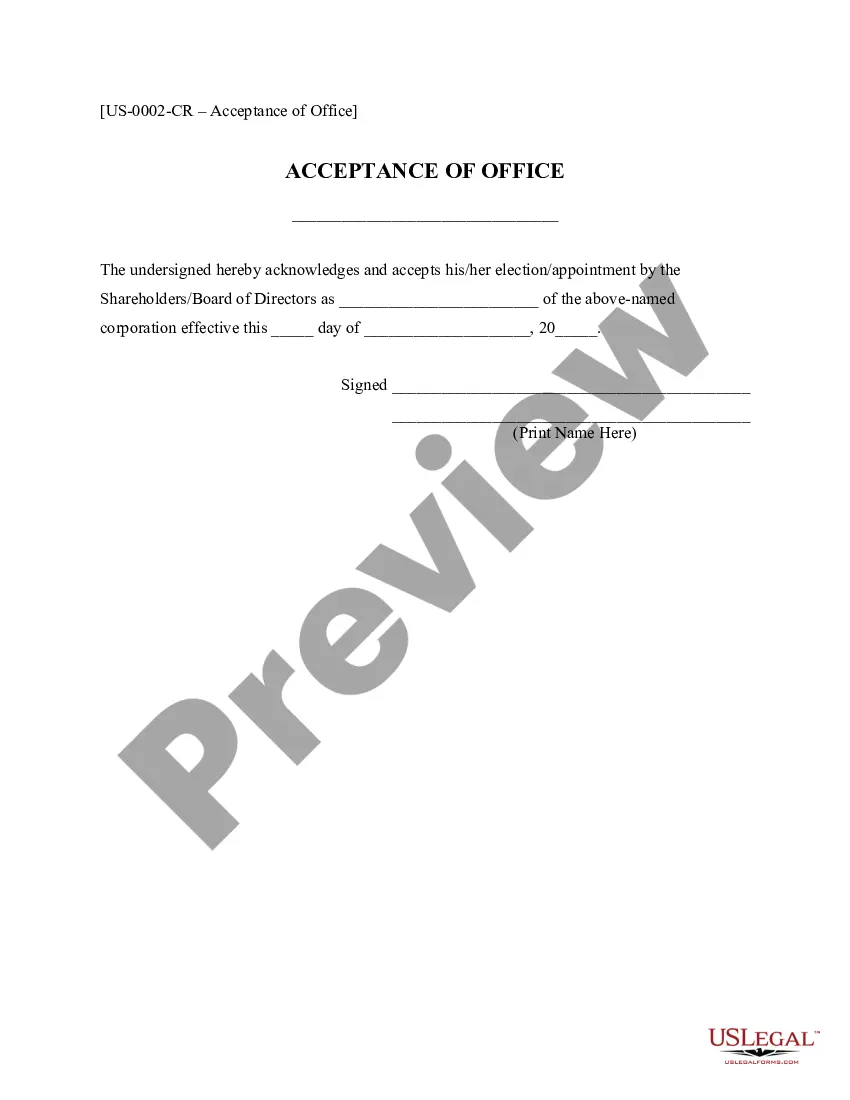
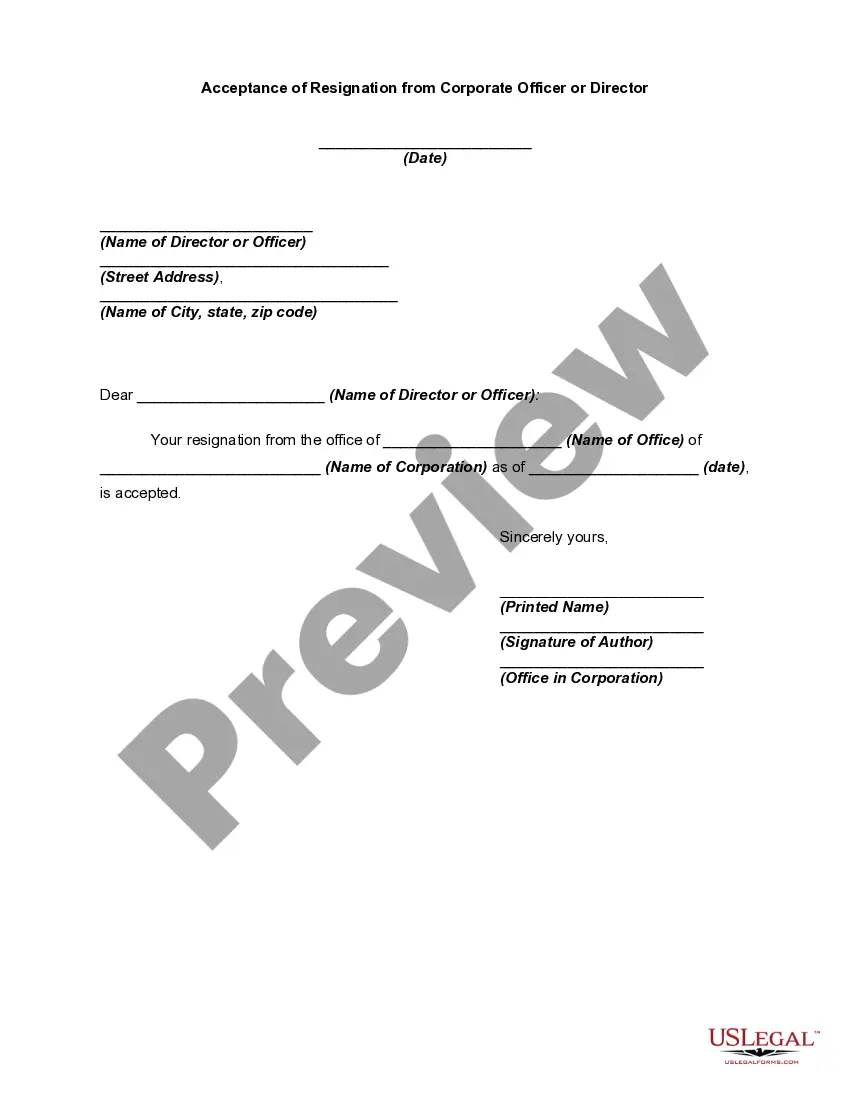
Get your form ready online
Our built-in tools help you complete, sign, share, and store your documents in one place.
Make edits, fill in missing information, and update formatting in US Legal Forms—just like you would in MS Word.
Download a copy, print it, send it by email, or mail it via USPS—whatever works best for your next step.
Sign and collect signatures with our SignNow integration. Send to multiple recipients, set reminders, and more. Go Premium to unlock E-Sign.
If this form requires notarization, complete it online through a secure video call—no need to meet a notary in person or wait for an appointment.
We protect your documents and personal data by following strict security and privacy standards.

Make edits, fill in missing information, and update formatting in US Legal Forms—just like you would in MS Word.

Download a copy, print it, send it by email, or mail it via USPS—whatever works best for your next step.

Sign and collect signatures with our SignNow integration. Send to multiple recipients, set reminders, and more. Go Premium to unlock E-Sign.

If this form requires notarization, complete it online through a secure video call—no need to meet a notary in person or wait for an appointment.

We protect your documents and personal data by following strict security and privacy standards.
Looking for another form?


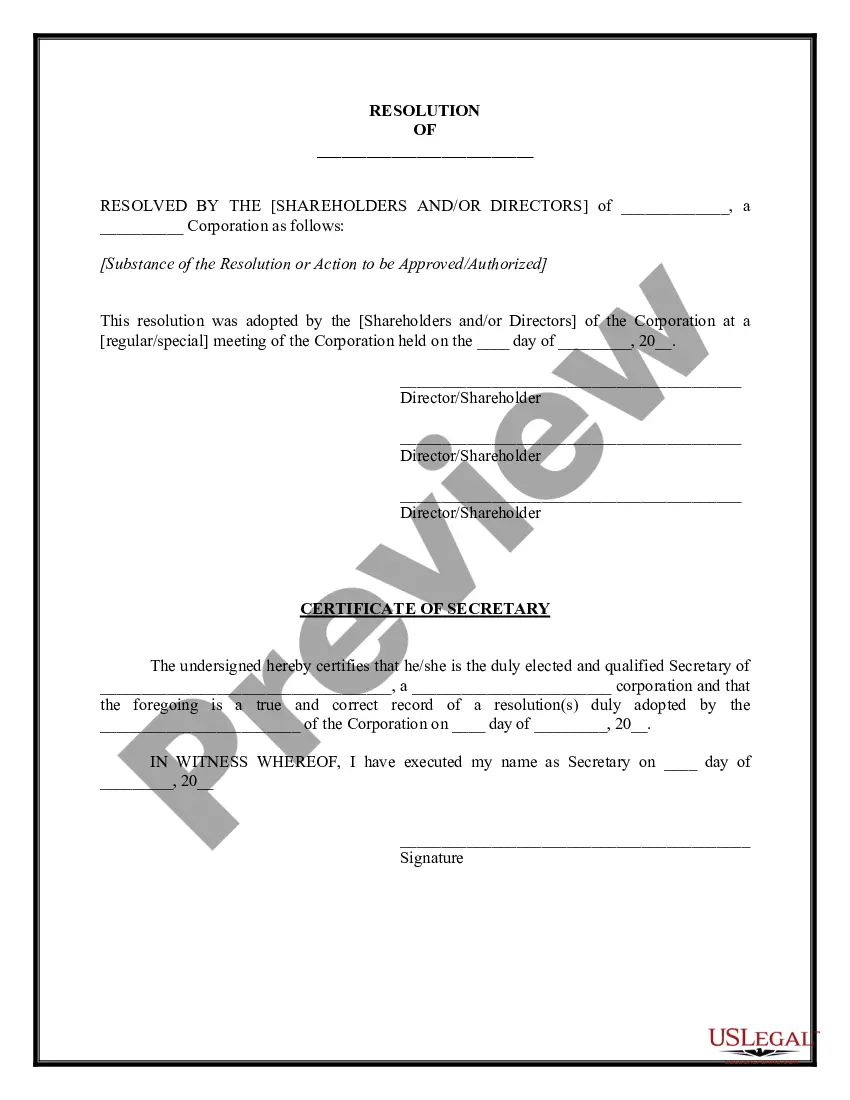



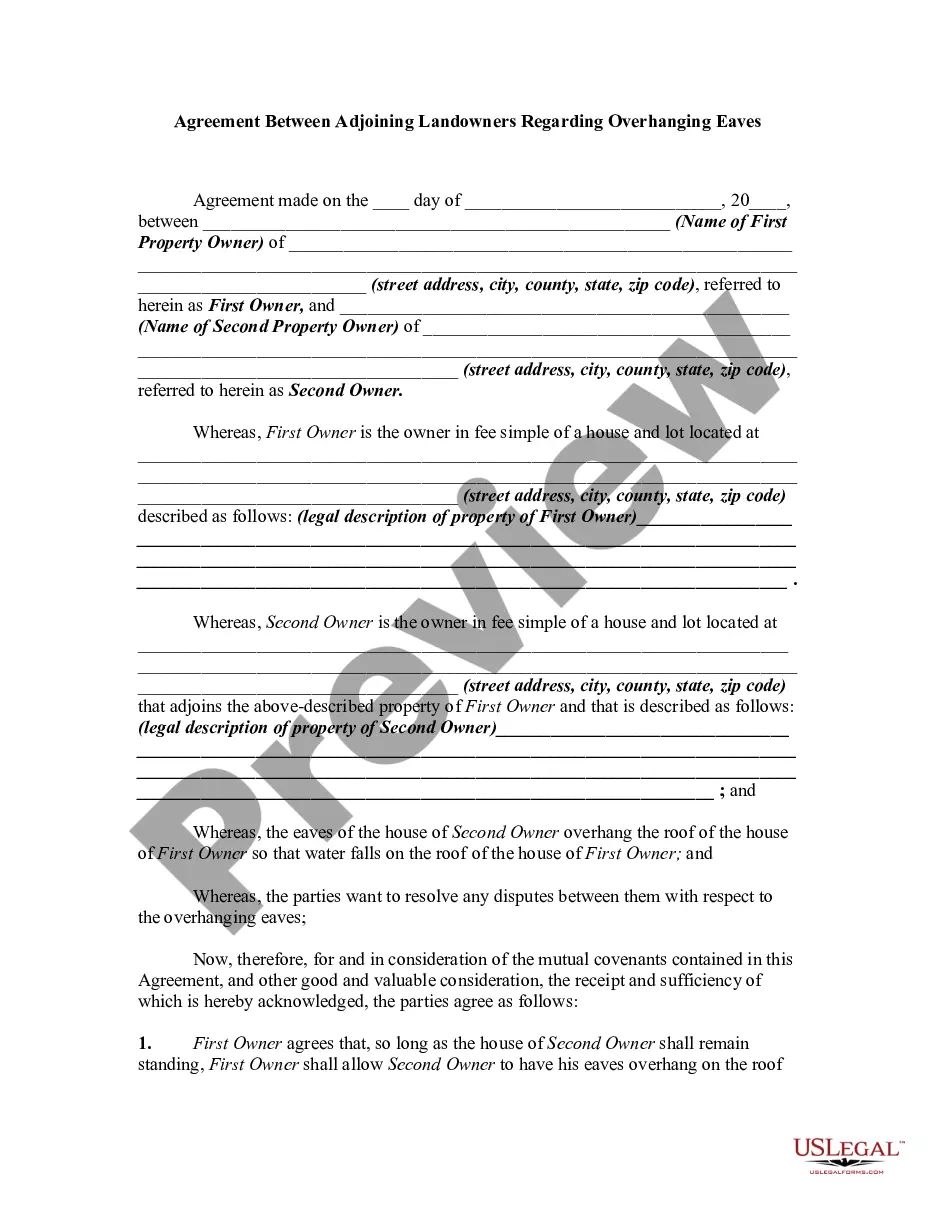



Form popularity
FAQ
But perhaps the biggest argument is that as plastic is a relatively inexpensive material, most people can afford to buy separate boards for meat and vegetables, thus preventing cross-contamination. Whilst they are pretty, stay away from glass boards.
Epoxy and resin make a hard and slippery surface that will ruin your knives and is unsafe because your knife can easily slip and twist as you cut.
To care for your resin charcuterie board, clean with a damp cloth. Never immerse in water. The wood can be wiped down with cooking oil occasionally if needed.
A: Yes, the resin is safe for incidental food contact, which means it's perfect for short-term serving of light, dry snacks. For chopping or preparing food, we recommend using the wood side.
Is resin food safe? Wondering if your DIY resin tray is food safe? After extensive testing, ETI Resin has been FDA approved for indirect and direct contazct with food when the resin is accurately measured, thoroughly mixed, and fully cured. So yes, you can put food on your resin tray.
Epoxy resin is not antimicrobial. The project should be disinfected after each use that includes serving food. We do not recommend eating directly from epoxy resin materials or cutting directly on the epoxy resin surface. Again, Our epoxy is safe for incidental food contact not FDA approval.
A clear epoxy such as CHILL SEALER is the best sealant for a charcuterie board. It provides a durable, food-safe finish that enhances the natural beauty of the wood.
A clear epoxy such as CHILL SEALER is the best sealant for a charcuterie board. It provides a durable, food-safe finish that enhances the natural beauty of the wood.
Almost any finish when fully cured is food safe. Wipe on or spray poly is durable. The modern water based finishes are quite durable and have come a long way in the last few years. But I use poly for almost everything because it is durable and easily sandable to reapply with a rag.
Beeswax and mineral oil is fine. No matter what you use (I've put many charcuterie / cheese boards through their paces) the finish will wear off and you will just have to live with a fuzzy board, or offer to resand/oil it for her every year(ish).

