Acceptance Letter To Harvard In Nevada
Description
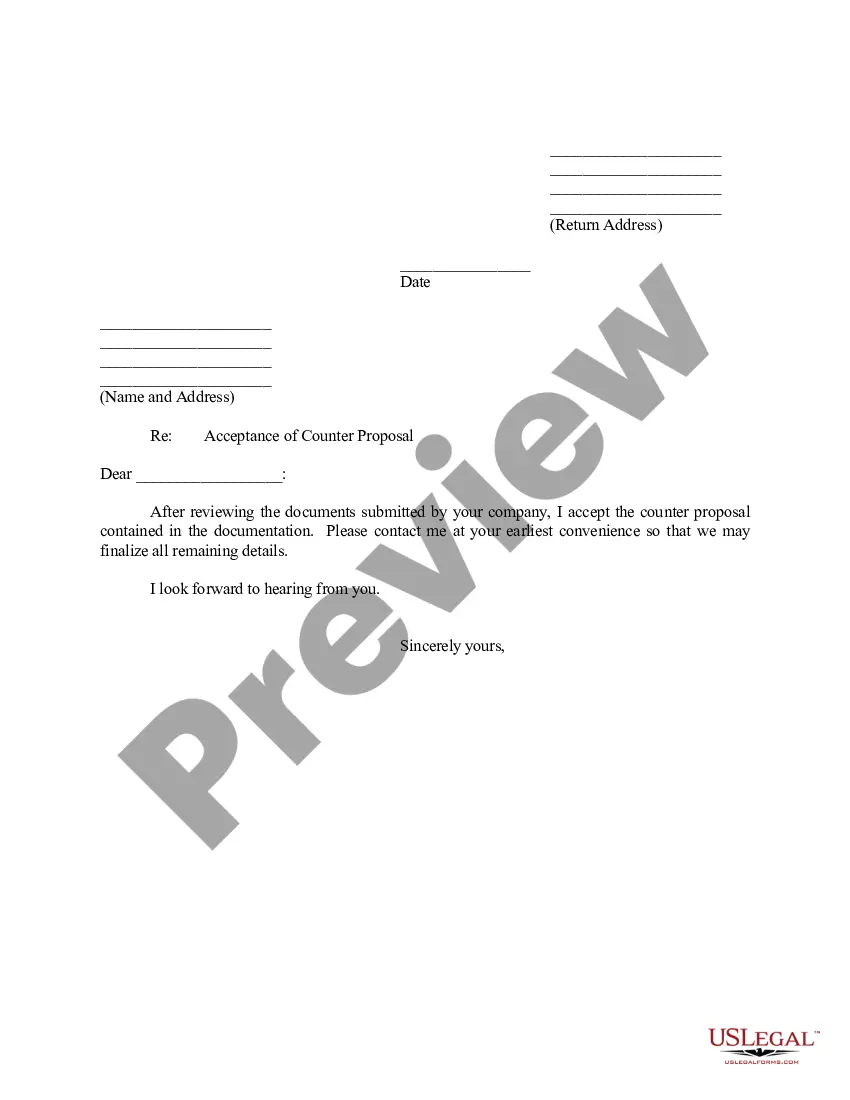
Get your form ready online
Our built-in tools help you complete, sign, share, and store your documents in one place.
Make edits, fill in missing information, and update formatting in US Legal Forms—just like you would in MS Word.
Download a copy, print it, send it by email, or mail it via USPS—whatever works best for your next step.
Sign and collect signatures with our SignNow integration. Send to multiple recipients, set reminders, and more. Go Premium to unlock E-Sign.
If this form requires notarization, complete it online through a secure video call—no need to meet a notary in person or wait for an appointment.
We protect your documents and personal data by following strict security and privacy standards.

Make edits, fill in missing information, and update formatting in US Legal Forms—just like you would in MS Word.

Download a copy, print it, send it by email, or mail it via USPS—whatever works best for your next step.

Sign and collect signatures with our SignNow integration. Send to multiple recipients, set reminders, and more. Go Premium to unlock E-Sign.

If this form requires notarization, complete it online through a secure video call—no need to meet a notary in person or wait for an appointment.

We protect your documents and personal data by following strict security and privacy standards.
Looking for another form?

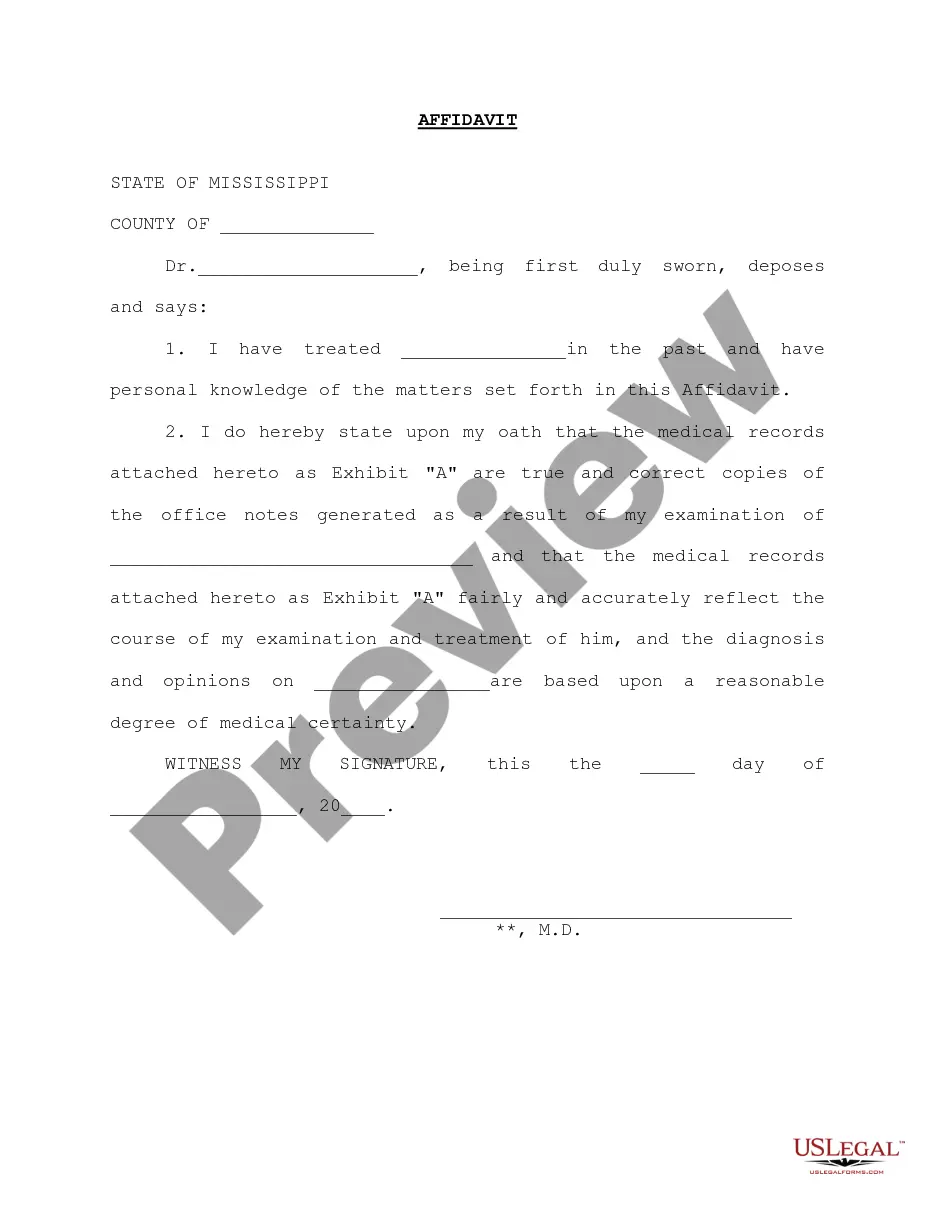





Form popularity
FAQ
Harvard's admissions process is famous for sending out Likely Letters to promising applicants. They send them out after an applicant has submitted a full application, but prior to the release of Regular Decision acceptance letters. Sometimes, admissions officers will call students instead of sending them a letter.
Regular Decision candidates apply by January 1 and receive notification by the end of March.
The acceptance rate at Harvard is 3.5%. In other words, of 100 students who apply, only 4 are admitted. This means the school is very selective. Scores are vital to getting past their first round of filters. After that, you will need to impress them beyond just your academic scores.
Harvard's admissions process is famous for sending out Likely Letters to promising applicants. They send them out after an applicant has submitted a full application, but prior to the release of Regular Decision acceptance letters. Sometimes, admissions officers will call students instead of sending them a letter.
All Ivy League schools send out likely letters. These schools know they are competing with each other for top applicants. They each want to improve their yield rates and the chance that these top applicants will choose to attend their school.
GPA requirements for Harvard At Harvard, the standard GPA is 4.18. (While some schools publish an unweighted GPA, most utilize a weighted GPA out of 4.0.) Harvard needs you to be at the top of your class with a GPA of 4.18. To compete with other applications, you'll need to receive almost all A's.
Most importantly, the Applicant Portal is where you'll view your admissions decision. Most applicants receive an email reminding them to check their portal and view their decision about 15 minutes after decisions are released.
For example, Vanderbilt invites 200 students to their MOSAIC Program, but admits around 2,000 students yearly—in other words, only around 10% of accepted students get a likely letter. Similarly, in 2015, the University of Pennsylvania received 37,267 applications and only accepted 3,697 students.
Many applications require that you submit a resume. Typically, the resume will be either one or two pages; it is important to adhere to this page limit. Even though you have achieved some incredible things during your time thus far at Harvard, it is important that you tailor your resume to the opportunity at hand.
Mail and packages are distributed at the Harvard Yard Mail Center (HYMC), located in the basement of the Science Center. If you have questions about mail, you can reach the HYMC directly at 617-495-5347 or hums@harvard.

