Collective Agreement For Nurses In Washington
Description





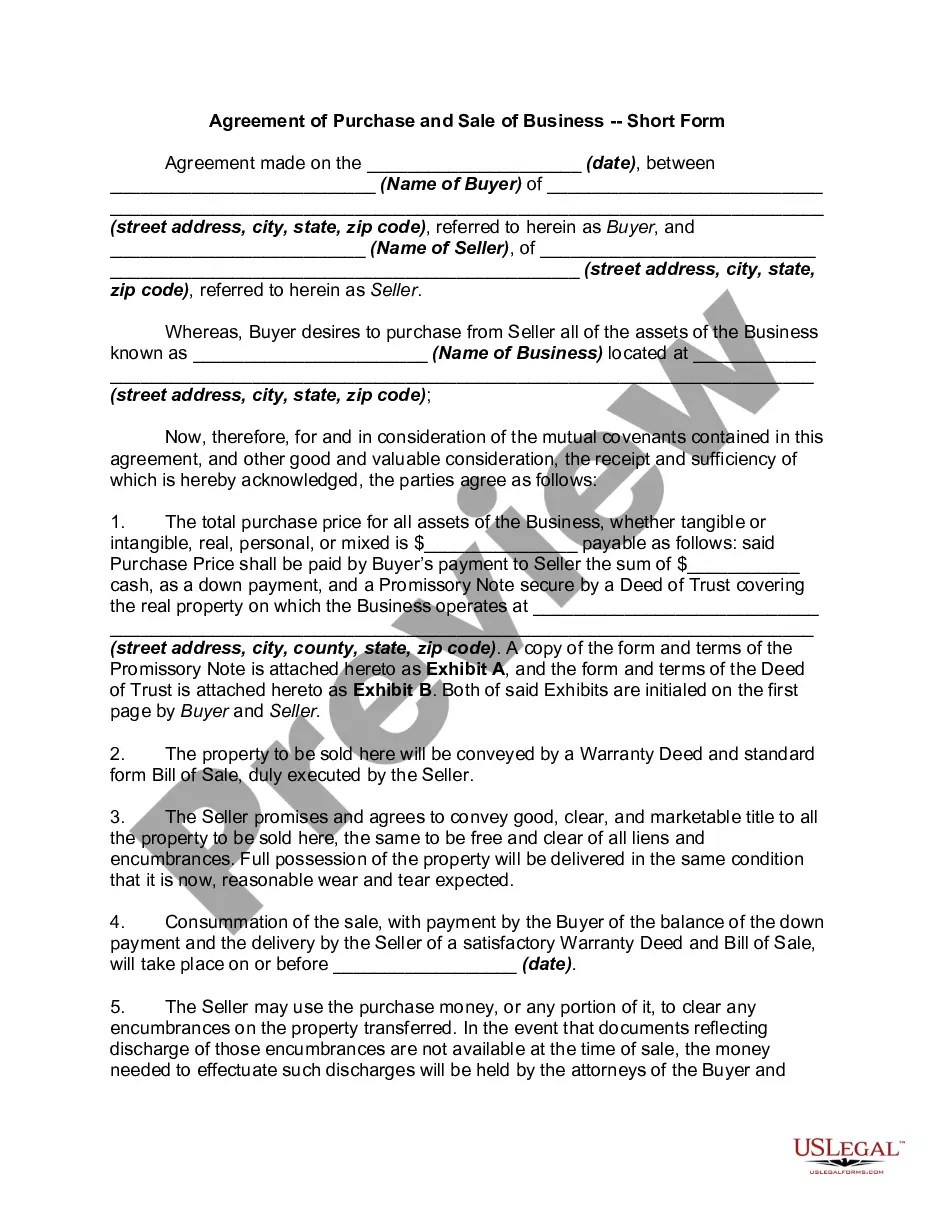
Get your form ready online
Our built-in tools help you complete, sign, share, and store your documents in one place.
Make edits, fill in missing information, and update formatting in US Legal Forms—just like you would in MS Word.
Download a copy, print it, send it by email, or mail it via USPS—whatever works best for your next step.
Sign and collect signatures with our SignNow integration. Send to multiple recipients, set reminders, and more. Go Premium to unlock E-Sign.
If this form requires notarization, complete it online through a secure video call—no need to meet a notary in person or wait for an appointment.
We protect your documents and personal data by following strict security and privacy standards.

Make edits, fill in missing information, and update formatting in US Legal Forms—just like you would in MS Word.

Download a copy, print it, send it by email, or mail it via USPS—whatever works best for your next step.

Sign and collect signatures with our SignNow integration. Send to multiple recipients, set reminders, and more. Go Premium to unlock E-Sign.

If this form requires notarization, complete it online through a secure video call—no need to meet a notary in person or wait for an appointment.

We protect your documents and personal data by following strict security and privacy standards.
Looking for another form?







Form popularity
FAQ
The 5 Stages of Collective Bargaining Preparing for bargaining. Conducting negotiations. Ratifying the contract. Resolving a contract dispute. Changing or clarifying the contract.
Employers have a legal duty to bargain in good faith with their employees' representative and to sign any collective bargaining agreement that has been reached.
Unions and collective bargaining more broadly seek to negotiate better terms for their members. Usually, this concerns wages, working conditions, job security, and other resources or professional opportunities (Kochan et al., 2019). In many ways, nursing unions resemble organized labor in other sectors.
Unions and collective bargaining more broadly seek to negotiate better terms for their members. Usually, this concerns wages, working conditions, job security, and other resources or professional opportunities (Kochan et al., 2019). In many ways, nursing unions resemble organized labor in other sectors.
The model of collective responsibility most applicable to health care systems is the authorization model within which a set of established rules delineates responsibility of individuals within the group.
Most Collective Bargaining Agreements contain the following common elements: (1) a union recognition clause, (2) a management rights clause, (3) union rights provisions, (4) prohibitions on strikes and lockouts, (5) a union security clause, (6) nondiscrimination provisions, (7) grievance and arbitration procedures, (8) ...
A union gives RNs the legal right to advocate as a collective for contracts that ensure safe working conditions, protect nurses' rights, and improve wages and benefits so that we can focus on what we do best: caring for our patients.
We are more than 30,000 nurses, healthcare workers, and behavioral health workers across Washington state united for quality patient and client care and good jobs. We are a union — an independent organization created by employees to advocate for our common interests.
Con: Harder to Fire Unruly Employees Protected by the Union In the same vein that union oversight protects nursing staff, it can also harm them. As stated, a nursing union will often prioritize protecting their staff's ability to work, which can backfire when the staff member is clearly in the wrong.
Cons Union fees. Unpaid strikes. Not all members support all collective action. Seniority more rewarded than performance. Can protect nurses over patients.