Collective Agreement For Teachers In Pima
Description


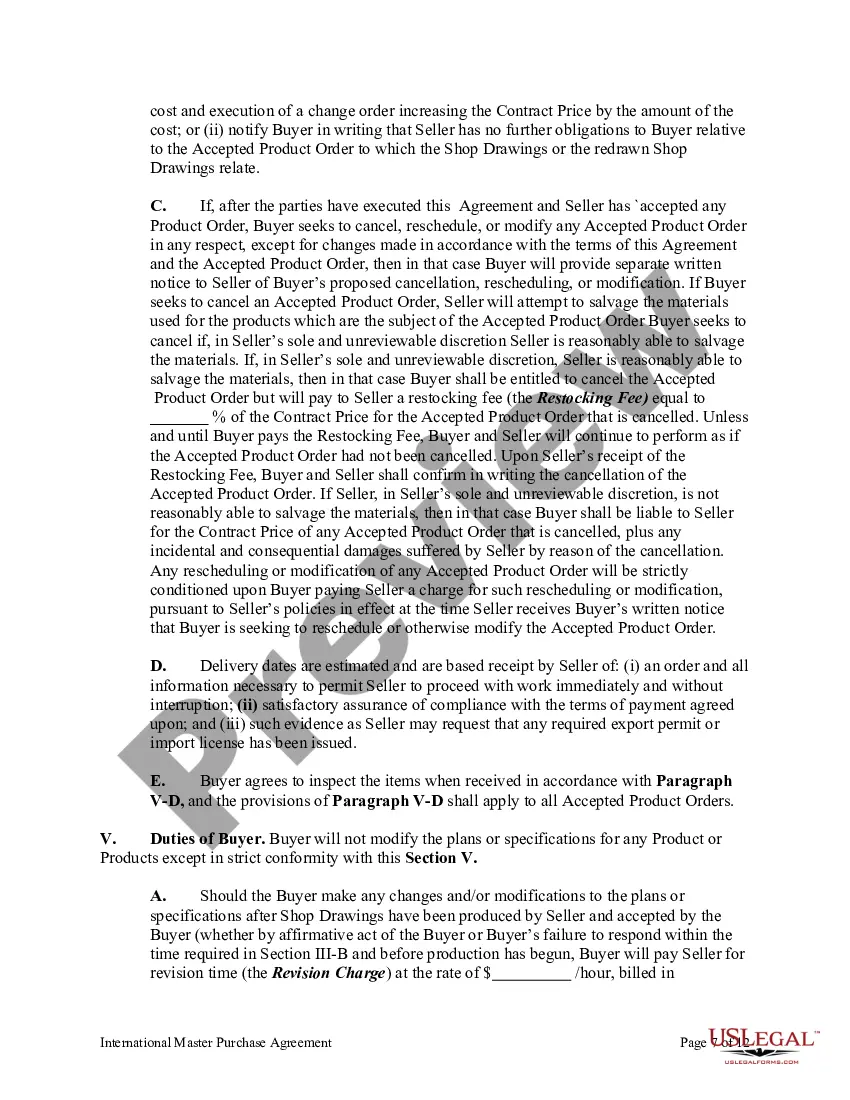
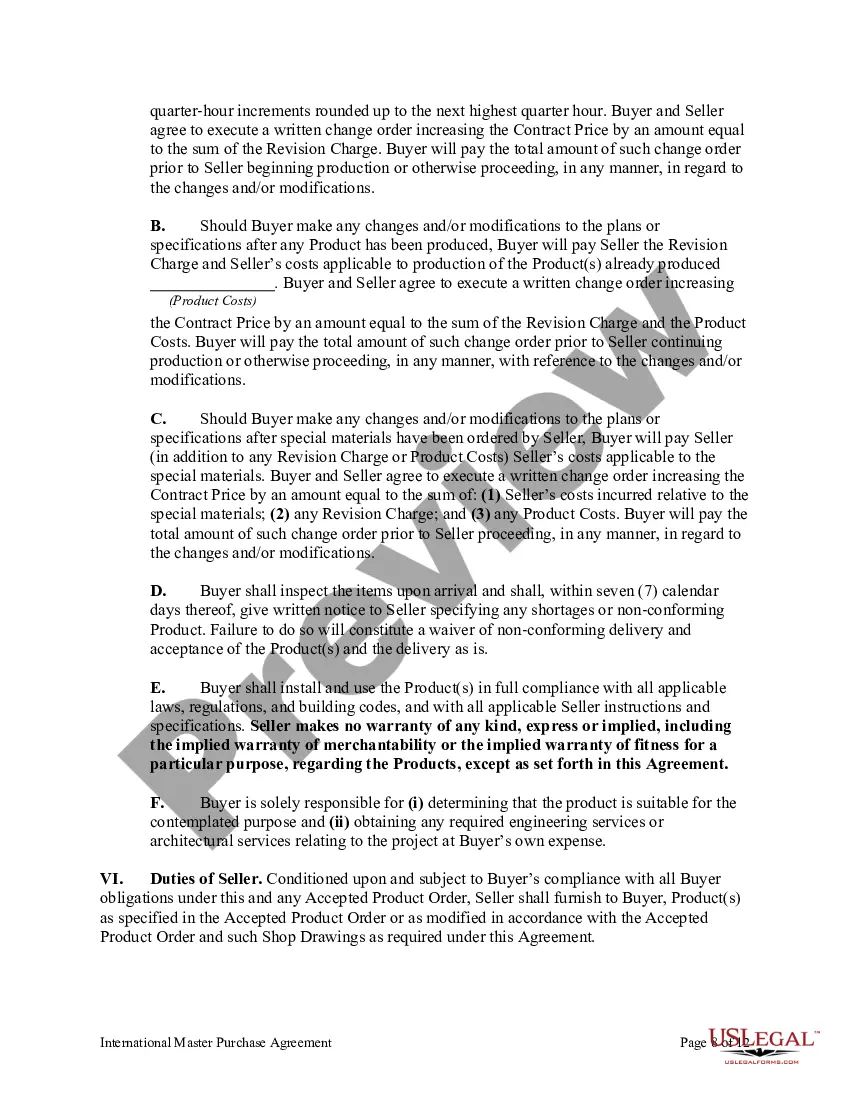
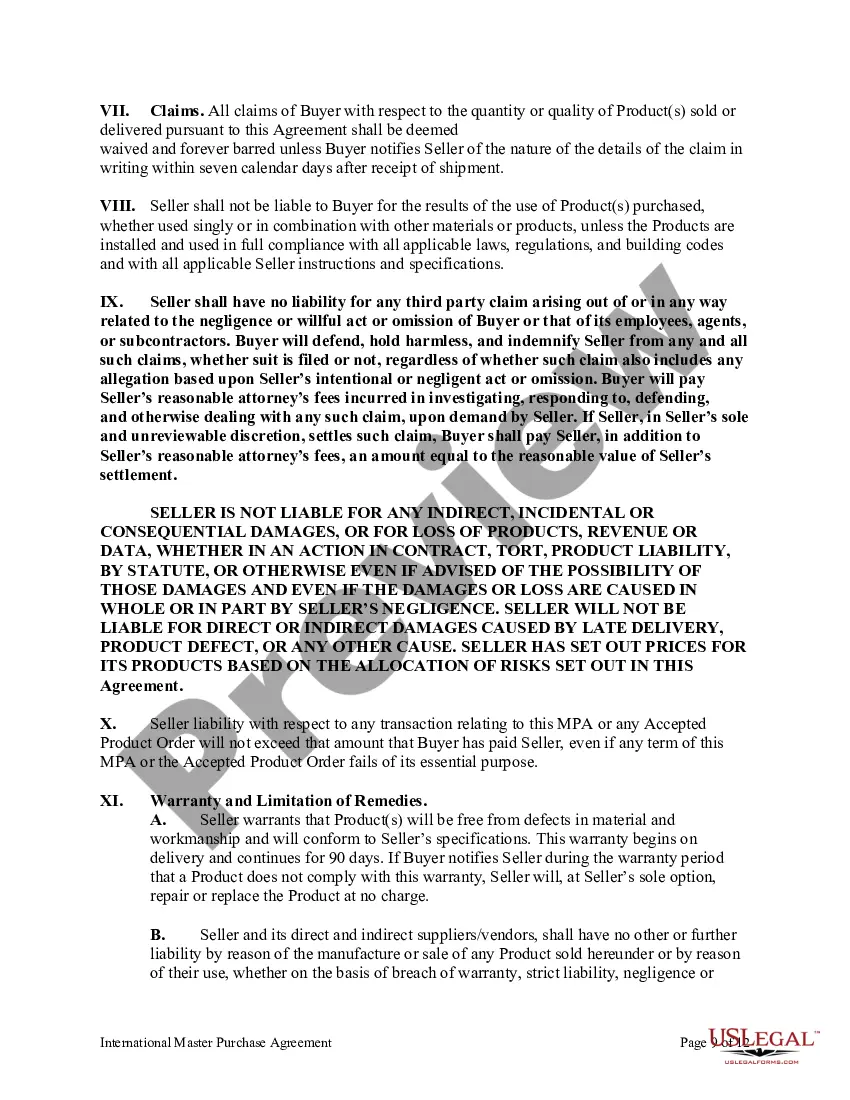
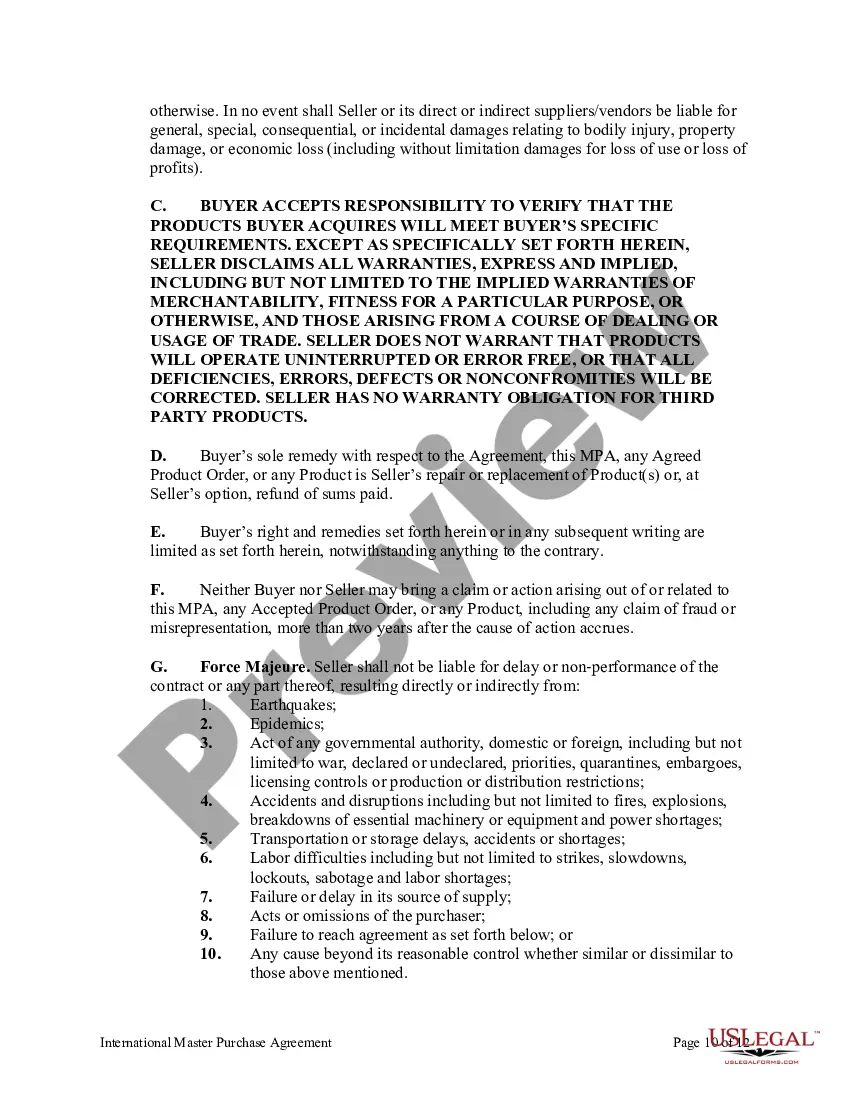



Get your form ready online
Our built-in tools help you complete, sign, share, and store your documents in one place.
Make edits, fill in missing information, and update formatting in US Legal Forms—just like you would in MS Word.
Download a copy, print it, send it by email, or mail it via USPS—whatever works best for your next step.
Sign and collect signatures with our SignNow integration. Send to multiple recipients, set reminders, and more. Go Premium to unlock E-Sign.
If this form requires notarization, complete it online through a secure video call—no need to meet a notary in person or wait for an appointment.
We protect your documents and personal data by following strict security and privacy standards.

Make edits, fill in missing information, and update formatting in US Legal Forms—just like you would in MS Word.

Download a copy, print it, send it by email, or mail it via USPS—whatever works best for your next step.

Sign and collect signatures with our SignNow integration. Send to multiple recipients, set reminders, and more. Go Premium to unlock E-Sign.

If this form requires notarization, complete it online through a secure video call—no need to meet a notary in person or wait for an appointment.

We protect your documents and personal data by following strict security and privacy standards.
Looking for another form?










Form popularity
FAQ
Collective bargaining and advocacy ensure we enhance student learning and improve educator working conditions–benefiting our students, schools, and the community as a whole. With collective bargaining, educators advocate not only for their working conditions, but also for student learning conditions.
Collective bargaining agreements (CBAs) are available from the Office of Labor-Management Standards (OLMS) Online Public Disclosure Room.
Collective bargaining is the negotiation process between an employer and a union comprised of workers to create an agreement that will govern the terms and conditions of the workers' employment. The result of collective bargaining procedures is a collective agreement.
Most Collective Bargaining Agreements contain the following common elements: (1) a union recognition clause, (2) a management rights clause, (3) union rights provisions, (4) prohibitions on strikes and lockouts, (5) a union security clause, (6) nondiscrimination provisions, (7) grievance and arbitration procedures, (8) ...
Collective bargaining gives educators a voice in their workplace. It helps assure fair wages and benefits, im- proving teacher recruitment and retention. Educators also negotiate better teaching and learning conditions.
Collective bargaining agreements are public record, even if not yet approved by the legislative authority of the political entity which is a party to the agreement.
Collective bargaining is the negotiations process between the union (CSEA) and employer (District) that determines everything from wages and health benefits to hours and working conditions. The result of this process is a legally binding contract, which clearly describes our rights and benefits as employees.
The process for becoming an adjunct professor involves earning an undergraduate degree, choosing a field of study, attending graduate school, gathering application materials such as teaching and diversity statements and applying for open positions.
Teacher contracts are for one year. Teachers may receive multiyear contracts for up to three years in duration, as an incentive for obtaining the highest performance classification. However, if offered a multiyear contract, the teacher may accept a multiyear contract offer or decline and accept a one year contract.
Only 35 states, plus the District of Columbia, guarantee K–12 teachers some right to organize and collectively bargain. In the other six states (Georgia, Mississippi, North Carolina, South Carolina, Texas, and most recently, Arkansas), public-employee collective bargaining is expressly prohibited by law.
