Cancellation Agreement Form For Land Sale In Alameda
Description
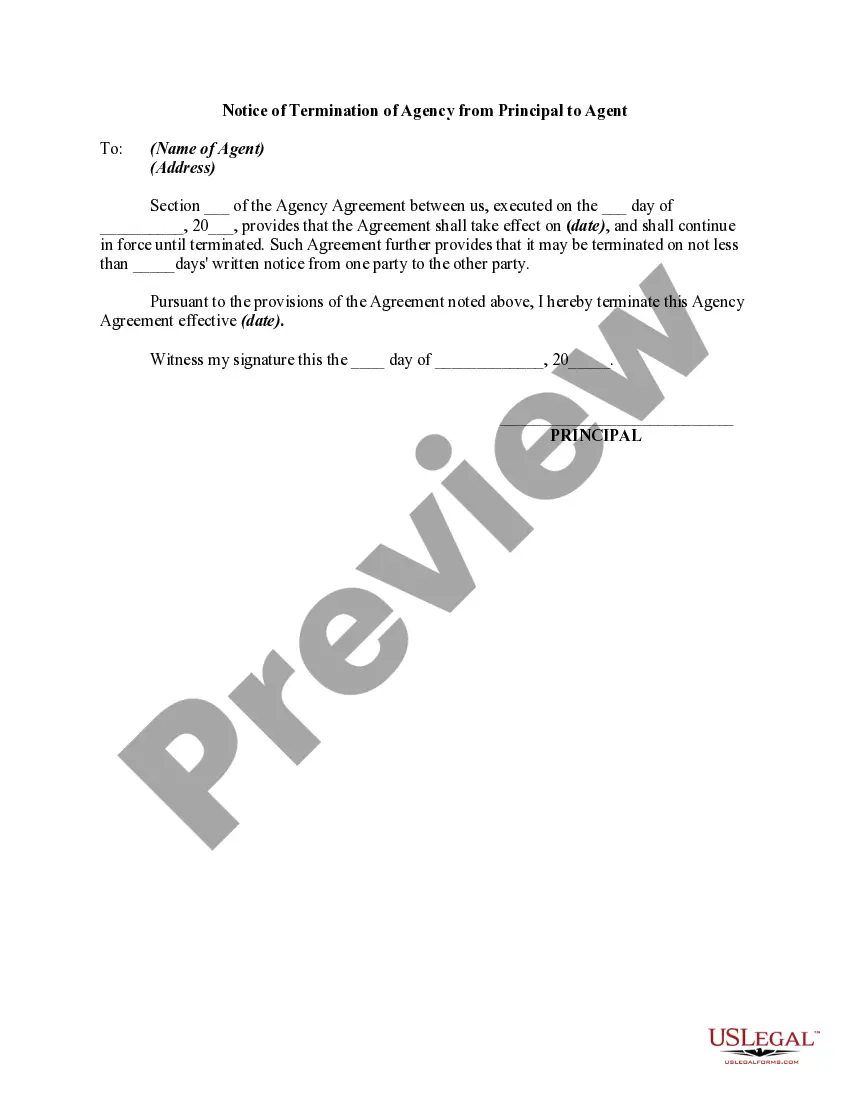
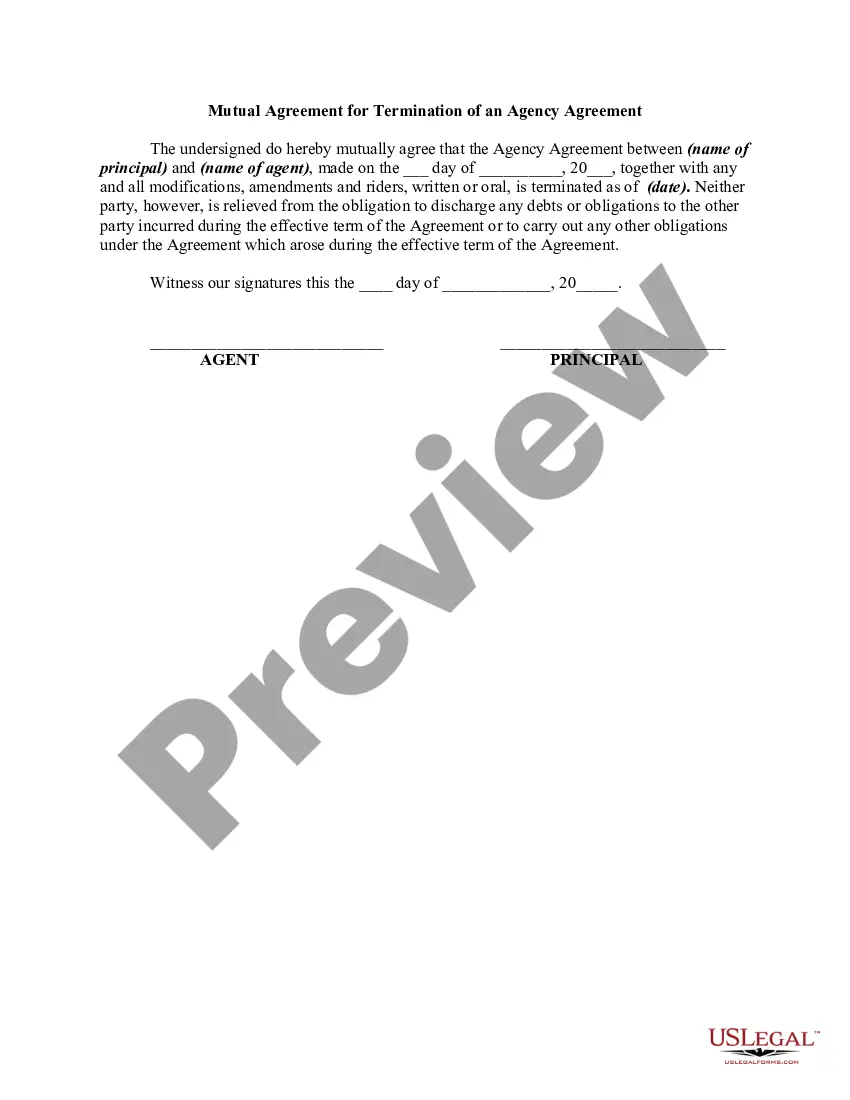
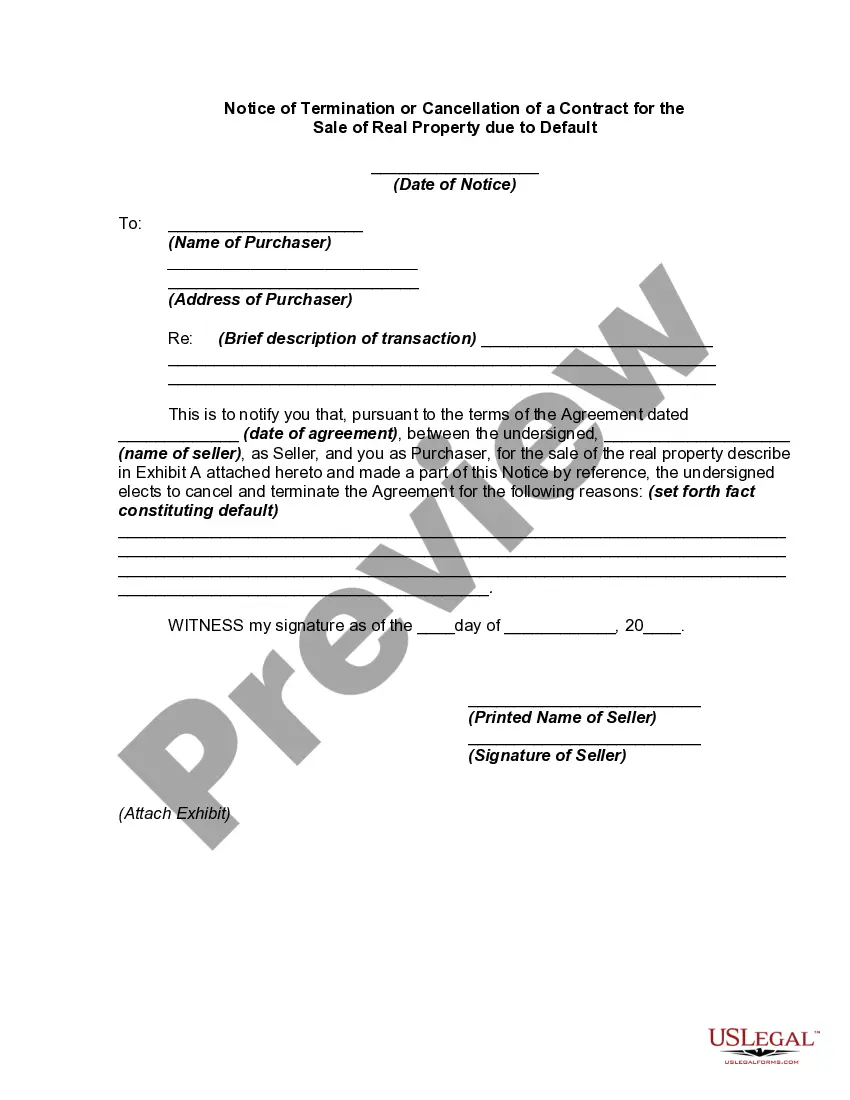
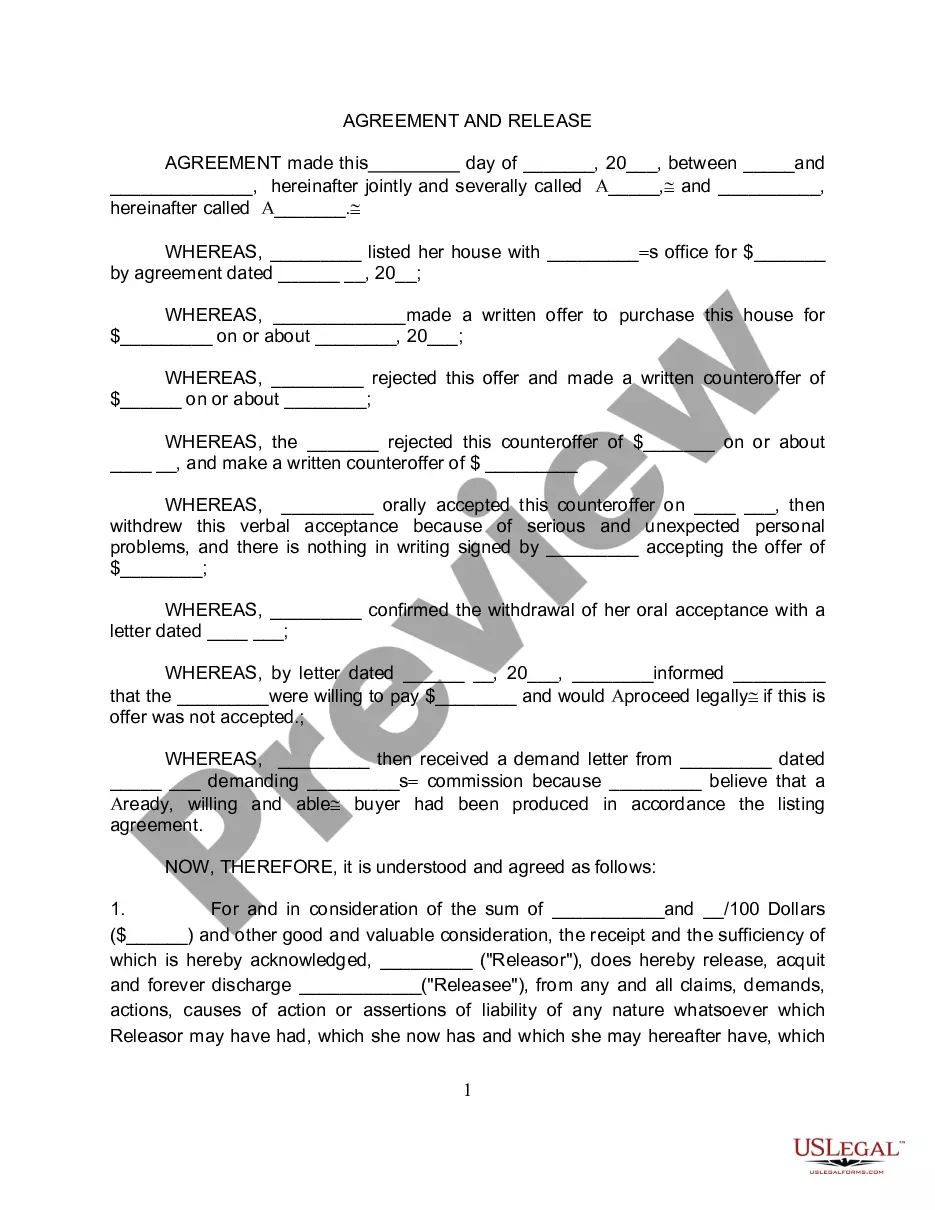
Get your form ready online
Our built-in tools help you complete, sign, share, and store your documents in one place.
Make edits, fill in missing information, and update formatting in US Legal Forms—just like you would in MS Word.
Download a copy, print it, send it by email, or mail it via USPS—whatever works best for your next step.
Sign and collect signatures with our SignNow integration. Send to multiple recipients, set reminders, and more. Go Premium to unlock E-Sign.
If this form requires notarization, complete it online through a secure video call—no need to meet a notary in person or wait for an appointment.
We protect your documents and personal data by following strict security and privacy standards.

Make edits, fill in missing information, and update formatting in US Legal Forms—just like you would in MS Word.

Download a copy, print it, send it by email, or mail it via USPS—whatever works best for your next step.

Sign and collect signatures with our SignNow integration. Send to multiple recipients, set reminders, and more. Go Premium to unlock E-Sign.

If this form requires notarization, complete it online through a secure video call—no need to meet a notary in person or wait for an appointment.

We protect your documents and personal data by following strict security and privacy standards.
Looking for another form?








Form popularity
FAQ
Notification should be in writing and adhere to the methods outlined in the contract, ensuring that you provide notice within any specified timeframes. You can ask your agent for help in writing a contract cancellation letter.
If the buyer/homeowner has not received the required Notice of his or her Three Day Right to Cancel, then the contract may be cancelled at any time until the required form of notice thereof is provided to them. Civil Code § 1689.6.
The two main avenues sellers use to cancel a contract legally are: For reasons spelled out in the contract. The seller can back out for reasons written into the contract, including (but not limited to) contingencies. The buyer is in breach of the contract.
The cancellation provisions are found in Paragraphs 14C (1) and (2), and in Paragraph 14E of the CA-RPA. Regardless of the reason, the seller must give some type of notice to the buyer, however (either a Notice to Perform or a Demand to Close Escrow) before the seller can cancel.
The two main avenues sellers use to cancel a contract legally are: For reasons spelled out in the contract. The seller can back out for reasons written into the contract, including (but not limited to) contingencies. The buyer is in breach of the contract.
In some cases, you may be able to unilaterally cancel the listing agreement, but this is typically more challenging and may involve legal consequences. To do so, you must demonstrate that there was a legitimate reason for the cancellation, such as the agent's misconduct or a significant change in your circumstances.
If you've officially decided to move forward with the cancellation, it's time to put it in writing and send it to the other party. When writing this letter, make sure to include the date the contract was drafted, the address of the home, the date of cancellation, and your reasons.
For the buyer who wants to get out of a contract, a failure of any one of the contingencies may release the buyer from going through with the deal. For the seller, a failure of the buyer to complete the conditions within the specifically provided time may release the seller from the contract.

